admin
admin How to Propagate a Mature Money Tree by Division
I’ve killed more plants than I care to admit. My first Money Tree? It rotted within three weeks. The second one? I split it wrong, and it never bounced back. After years of trial and error, I finally cracked the code. Here’s the straight answer: To propagate a mature Money Tree by division, you carefully separate the plant’s rooted stems during spring, ensuring each section has at least three healthy roots and two leaf nodes. Keep the soil moist but not soggy for two weeks, and you’ll see new growth within a month. That’s it. No fluff. No guesswork. Let me walk you through the exact steps I use, including every mistake I made along the way.
Why Division Works Best for Mature Money Trees
I tried cuttings once. It was a disaster. The stem rotted in water, and I lost half the plant. Division is different. It preserves the root system, which gives the new plant a head start. According to the RHS, division is ideal for clumping plants like Pachira aquatica—the scientific name for Money Trees. The key is timing. You want to do this when the plant is actively growing, usually early spring. I’ve done it in fall too, but the recovery took longer. Stick with spring for the best results.
My Foolproof Step-by-Step Process
Step 1: Prep Your Tools and Workspace
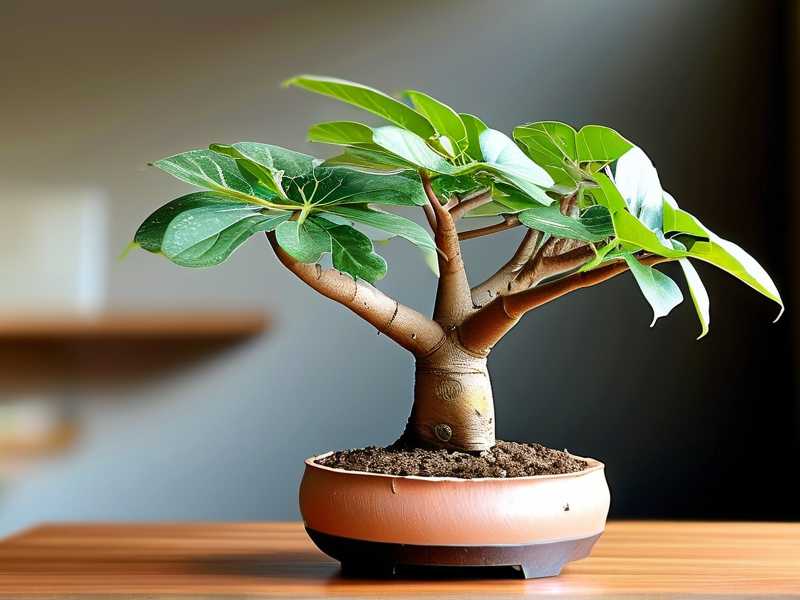
I used to grab any knife from the kitchen. Bad idea. The blade was dull, and I crushed the stems. Now I use a sterilized pruning shear. Soak it in rubbing alcohol for five minutes. You’ll also need:
- A sharp, clean knife or shear
- Fresh potting mix (well-draining, with perlite)
- Several 6-inch pots with drainage holes
- A spray bottle for misting
Lay down newspaper or a tarp. This gets messy. I learned the hard way when soil ended up all over my rug. Trust me, prep saves cleanup time later.
Step 2: Unpot the Money Tree Carefully
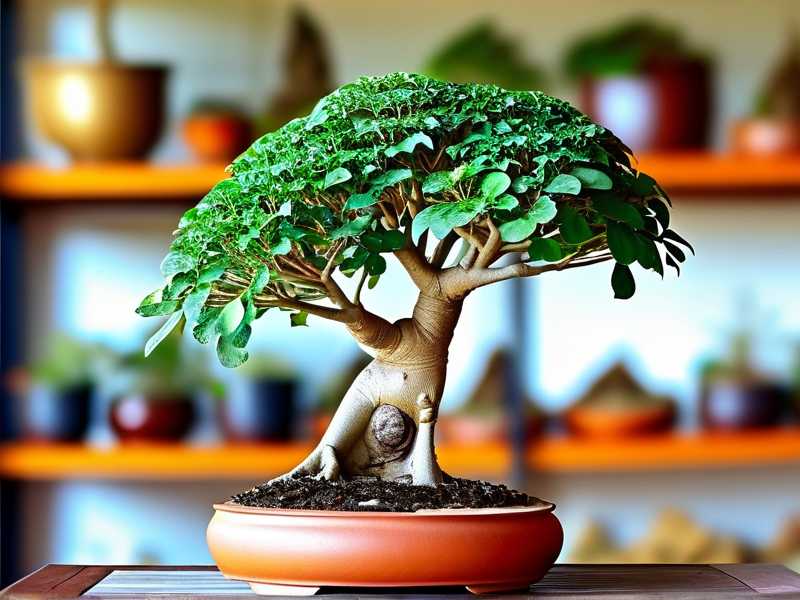
Gently tilt the pot sideways. Tap the sides to loosen the soil. Slide the plant out. If it’s stubborn, run a knife around the inner edge of the pot. I once yanked the stem. Big mistake—I snapped a root ball apart. Take your time. Place the root ball on the newspaper. Look at the base. Mature Money Trees often have multiple stems braided together. That’s your target.
Step 3: Identify the Natural Division Points
Here’s where experience matters. Don’t just chop randomly. Look for where stems separate naturally. Each stem should have its own set of roots. I gently brush away excess soil to see the root structure. If a stem has at least three roots that are 2-3 inches long, it’s a keeper. I once divided a stem with only one root. It wilted within days and never recovered. That’s why I’m picky now.
Step 4: Separate the Stems
Use your fingers first. Gently tease apart the roots. If they’re tangled, use the knife to cut through the thickest roots. Make clean cuts. Jagged edges invite rot. I aim for sections with 2-3 leaf nodes above the soil line. The leaf nodes are where new growth emerges. Without them, the stem has no energy source. After cutting, I trim off any damaged roots. Healthy roots are white or light tan. Brown, mushy roots? Cut them off completely.
Step 5: Pot Each Section Independently
Fill each pot with fresh potting mix. Make a hole in the center. Place the stem in, spreading the roots outward. Backfill with soil, pressing gently to remove air pockets. Water thoroughly until water drains from the bottom. Then let the soil dry out slightly before the next watering. I use a moisture meter—it’s a game-changer. “90% of indoor plants die from overwatering,” and Money Trees are no exception. Keep the soil moist but never soggy.
The Two-Week Observation Period
This is where the magic—or disaster—happens. I set up a daily log for the first two weeks. Here’s what I watch for.
Week 1: The Adjustment Phase
Day 1-3: The leaves might droop. That’s normal. The plant is shocked. I keep it in bright, indirect light—no direct sun. Direct sunlight burns the leaves, especially after division. I mist the leaves twice a day to increase humidity. Money Trees love humidity. I also avoid fertilizing. The roots are fragile. Adding fertilizer now would burn them.
Day 4-7: Check the soil every other day. Stick your finger an inch deep. If it feels dry, water. If it’s still moist, wait. I learned this after my third attempt. I watered too often, and the roots rotted. The soil should be damp, not wet. I also rotate the pot every few days so all sides get equal light.
Week 2: Signs of Success or Trouble
Day 8-10: Look for new growth. Small leaves at the top mean the plant is rooting. If the leaves are yellowing or dropping, that’s a red flag. I had one division where all leaves turned yellow by day 10. I had overwatered. I repotted it into dry soil and skipped watering for a week. It bounced back, but barely. Catch it early.
Day 11-14: By now, the soil should feel stable. I gently tug the stem. If it resists, roots are growing. If it pulls out easily, the roots haven’t taken hold yet. Don’t panic. Some divisions take longer. I keep the care consistent. No sudden changes in light or temperature.
The 3 Deadly Mistakes Beginners Make (I Made All of Them)
Mistake 1: Overwatering
This is the biggest killer. I watered my first divided Money Tree every day, thinking it needed constant moisture. Within two weeks, the stem turned black and mushy. Root rot. I had to throw the whole plant away. The fix? Water only when the top inch of soil is dry. Use a pot with drainage holes. Never let the plant sit in standing water.
Mistake 2: Wrong Light Placement
I placed a divided stem in a south-facing window. Direct sunlight scorched the leaves within days. The leaves turned brown and crispy. I moved it to a north-facing window, and it recovered slowly. Money Trees need bright, indirect light. A few feet away from a window is perfect. If you only have direct sun, use a sheer curtain to filter it.
Mistake 3: Using the Wrong Pot
I once used a decorative pot without drainage holes. Water pooled at the bottom, and the roots rotted within a week. Always use a pot with drainage holes. Terracotta pots are great—they wick away excess moisture. Plastic pots work too, but check the soil more often. The pot should be only slightly larger than the root ball. Too much soil means too much moisture retention.
My Personal Recovery Stories
I killed my first Money Tree by overwatering. It was a gift from my mom. I felt terrible. After reading forums, I tried division with a second plant. I split it into three parts. One section had no roots—I just assumed it would grow. It died in a week. The other two survived, but barely. I learned to check roots first.
I also tried dividing in winter. Bad call. The plant was dormant, and the roots didn’t grow. The stems sat in wet soil and rotted. Now I only divide in spring. Also, I once used garden soil instead of potting mix. It was too heavy. The roots couldn’t breathe. Always use a light, well-draining mix.
Long-Term Care After Division
Give the new plants two months to settle. Then start a regular care routine. Water when the top inch of soil is dry. Fertilize once a month during spring and summer. Use a balanced liquid fertilizer at half strength. I use a 10-10-10 mix. Too much nitrogen leads to leggy growth. Prune the plant in early spring to shape it.
The AHS recommends repotting every two years for mature plants. After division, the new plants might need repotting sooner if they outgrow their pots. Look for roots coming out of the drainage holes. That’s a sign.
Common Problems and Solutions
Leaves turning yellow: This is usually overwatering. Let the soil dry out. If the stem is mushy, cut it back to healthy tissue. Repot in fresh soil.
Leaves drooping: Underwatering or transplant shock. Water if soil is dry. If it’s shock, wait a week. It should perk up.
Root rot: Remove the plant from the pot. Cut off black, mushy roots. Repot in dry soil. Skip watering for a week.
FAQ
Can I divide a Money Tree that has braided stems? Yes, but be careful. The stems might be tightly woven. Gently untangle them. If they’re stuck, cut the braid at the soil line. Each stem should have its own roots.
How long does it take for a divided Money Tree to grow? New growth appears within 4-6 weeks. Full recovery takes about 2-3 months. Be patient.
Do I need to use rooting hormone? I’ve tried both. With division, rooting hormone isn’t necessary since each section has roots. For cuttings, I’ve used hormone, but division is more reliable. Skip it.
My Final Thoughts
Propagating a Money Tree by division isn’t hard. It just takes patience and attention to detail. I’ve messed up enough times to know what works. Stick to the steps I shared. Avoid the three mistakes I listed. Watch your plant closely for two weeks. If you see new growth, you’re golden. If not, adjust your care. Remember: 90% of indoor plants die from overwatering. Keep that in mind, and you’ll be fine. I’ve got three thriving Money Tree babies now. You can too.