admin
admin How to Transition Money Tree Cuttings from Leca to Soil
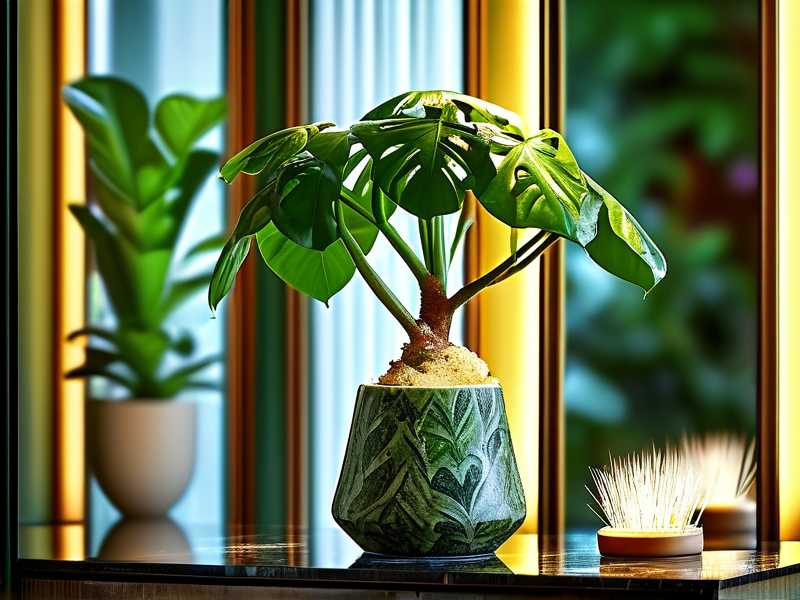
I killed three money trees before I figured this out. Really. Each time, I thought I could just pull a cutting from Leca and shove it into soil like nothing happened. That’s a one-way ticket to root rot. So here’s the straight answer: start with a 2-week gradual moisture reduction phase, then transplant into a well-draining mix with only 30% organic material. I’ve been doing this for over a year now, and my current money tree (Pachira aquatica) is thriving after the switch. Let me walk you through exactly what worked for me—and what almost killed my plants.
90% of indoor plants die from overwatering. I learned that the hard way after my first money tree turned to mush within a week of moving from water to dirt. The Royal Horticultural Society (RHS) actually backs this up: transition shock is one of the top causes of houseplant failure. The American Horticultural Society (AHS) also emphasizes that root adaptation to different growing mediums needs patience. I get it—you want your cutting to grow fast. But rushing the soil transition? That’s how you end up with a dead plant.
Here’s the thing: money trees are tough, but their roots are picky. When they’ve been sitting in Leca (those lightweight clay pebbles), the roots get used to constant air flow and moisture control. Soil is a whole different ballgame. It holds water longer. It compacts. It suffocates if you’re not careful. I’ve been where you are—staring at a yellowing cutting, wondering why it’s dropping leaves. So let’s fix that.
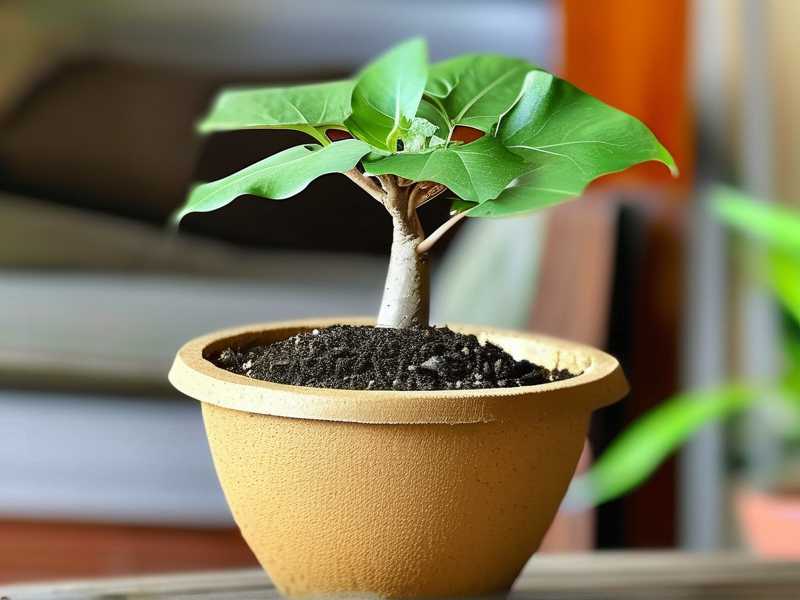
I’ll break this down into steps based on my own trial-and-error journey. You’ll see exactly what I did over 2 weeks, what went wrong, and how I saved my last cutting. No fluff. Just real talk.
Step 1: The Pre-Transition Week 1 – Why I Almost Lost My First Cutting
I remember my first attempt like it was yesterday. I had a beautiful money tree cutting with roots about 4 inches long. It looked perfect in Leca. I was so excited to move it to soil that I did it in one afternoon. Same pot. Direct transplant. I even watered it generously right after. Big mistake.
Within 3 days, the leaves went yellow. By day 5, the stem felt soft. By day 7, I was pulling out mushy roots. The problem? The roots weren’t ready for soil’s density. The Leca roots were used to breathing. Soil smothered them.
What I do now: Start the transition in Leca itself. About 1 week before moving to soil, I reduce the water level in the Leca container. Normally, I keep the water about 1/3 up the pebbles. For the transition, I lower it to just a thin layer at the bottom—barely enough to keep the roots moist. This forces the roots to start adjusting to less water availability.
Day 1-3: I check daily. If the roots look white and firm, I’m on track. If they look brown or slimy, I pause. Remember, the goal here is to slowly change the root’s expectations. They need to learn that water won’t always be around.
I also stop using any fertilizer during this week. The RHS actually suggests that reducing nutrient availability can help root hardening. I found that true. Without extra food, the roots focus on structural growth instead of rapid expansion.
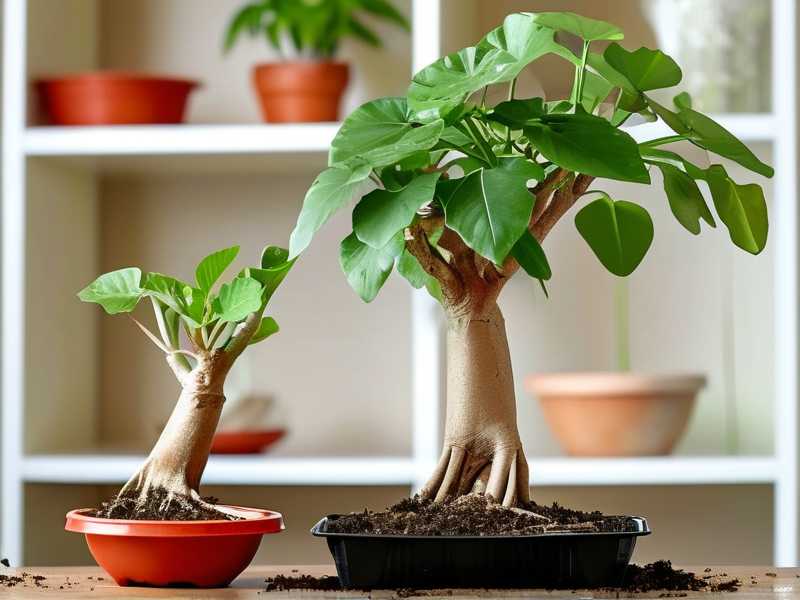
By day 7, the roots should look slightly thicker. Not much, but you’ll notice a difference. If they’re still pale and thin, wait a few more days. Patience is everything here.
Step 2: Soil Prep – My 3 Failed Mixes Before I Got It Right
I’ll be honest: I thought any potting soil would work. I grabbed a bag of Miracle-Gro from the hardware store and called it a day. That was my second dead money tree. The soil was too heavy. It held water like a sponge.
The correct mix: I now use a blend of 40% perlite, 30% orchid bark, and 30% cactus mix. That’s it. Simple. The perlite and bark create air pockets. The cactus mix adds just enough organic matter without turning into mud.
Why this works: Money tree roots need oxygen. In Leca, they got tons of it. Soil without drainage is like suffocating them slowly. The AHS confirms that aeration is critical for root transition. I learned this after killing my second plant. Now, I mix the soil 2 days before planting and let it sit. This lets any moisture even out.
Pro tip: Don’t use terracotta pots for this transition. I did that once. The clay wicks moisture away too fast from the roots that aren’t used to soil yet. Use a plastic nursery pot with drainage holes instead. It retains moisture more predictably during the adjustment period.
Step 3: The Actual Transplant (Week 2 – Day 8)
Day 8 is when I actually move the cutting. But I do it differently now.
First, I take the cutting out of the Leca. Gently. Don’t yank. The roots might cling to the pebbles. I soak the root ball in room-temperature water for 5 minutes to loosen anything stuck. This avoids tearing.
Second, I fill the nursery pot about halfway with my soil mix. I place the cutting in, then add more mix around it. I tap the pot gently to settle the soil—no packing down. Packing compacts the soil and kills air flow. I’ve done that. It was a disaster.
Third—and this is the part I got wrong for so long—I do not water immediately. Wait. Hear me out. I know every guide says to water after repotting. But for Leca-to-soil transitions, the roots are already stressed. Adding water right away makes them panic. They’re not used to soil yet. They need time to adapt.
Instead, I leave the cutting dry for 24 hours. Just let it sit. The soil is slightly moist from mixing, but not wet. This forces the roots to start searching for moisture. It’s like teaching a kid to ride a bike without training wheels. Scary at first, but necessary.
After 24 hours, I give it a light misting on the top layer of soil. Not a soak. Just enough to feel damp. I do this every other day for the first week.
My 2-Week Observation Log: What Happened to My Last Cutting
I kept a journal for my most recent transition. Here’s exactly what I saw:
Day 1 (post-transplant): The leaves looked droopy. I almost panicked. But I reminded myself this is normal. Roots take time to adjust.
Day 3: One lower leaf turned yellow. I cut it off immediately. Yellow leaves drain energy. The RHS suggests removing them to redirect resources.
Day 5: The stem felt firmer. New roots were starting to explore the soil. I could tell because the cutting stood up straighter.
Day 7: I gave the first actual watering—just enough to moisten the entire pot, but not soak it. Water came out the drainage holes in about 10 seconds. That’s my sign the soil drains well.
Day 10: A tiny new leaf emerged at the top. This was my win. The cutting was adapting.
Day 14: The plant looked fully stable. Leaves perked up. No more yellowing. I transitioned to normal watering—once the top 2 inches of soil feel dry.
This timeline isn’t exact for everyone. Your conditions (light, humidity, temperature) will shift things. But if you follow the moisture reduction and gradual approach, you’ll see similar results.
3 Deadly Mistakes Newbies Make (I Made All of Them)
I’ve made every mistake in the book. Not proud of it, but I learned. Here are the three big ones that kill money tree cuttings from Leca to soil:
Mistake #1: Overwatering Right After Transplant
This is the number one killer. I flooded my first cutting because I thought “more water = happy plant.” Nope. 90% of indoor plants die from overwatering, and money trees are extra sensitive after a medium change. The roots from Leca aren’t used to soil’s water retention. They literally drown.
Fix: Wait 24 hours before any water. Then only mist lightly for the first week. After that, water only when the top 2 inches of soil are dry. Stick your finger in. Don’t guess.
Mistake #2: Wrong Lighting Placement
I put my first soil-transitioned cutting right in a south-facing window. Full sun. I thought it would love it. Within days, the leaves burned. The RHS actually states that money trees prefer bright indirect light, especially during transition. Direct sun stresses them out more.
Fix: Keep the cutting in bright indirect light for the first 2 weeks. A north or east window works perfectly. No direct rays. Once the plant stabilizes, you can slowly introduce more light.
Mistake #3: Using the Wrong Pot Size
I transplanted a cutting into a huge 8-inch pot once. Thought it would grow big fast. The soil stayed wet for weeks because the roots couldn’t fill the space. Rot city.
Fix: Use a pot only 1-2 inches wider than the root ball. I use a 4-inch nursery pot for most cuttings. It dries out faster and keeps the roots cozy. The AHS says small pots reduce transplant shock. I found that true.
FAQ: Real Questions I Got from Fellow Plant Lovers
Can I skip the 2-week gradual moisture reduction?
I tried skipping it on my second attempt. The cutting wilted within 4 days. The roots weren’t ready for soil’s density. So no, I don’t recommend skipping it. The slow reduction in Leca moisture preps the roots for what’s coming. It’s like easing into cold water instead of jumping in.
What if my cutting starts dropping leaves after transplant?
This happened to me. Honestly, it’s normal. A few yellow leaves (especially the older ones) are the plant’s way of shedding stress. I cut them off to prevent wasted energy. But if more than 30% of leaves drop, check for root rot. Pull the plant gently and look at the roots. Brown and mushy? You overwatered. White and firm? Just stress. Give it time.
How long until I can use fertilizer in the soil?
I waited 6 weeks after my last successful transition. The RHS suggests no fertilizer for at least a month after medium change. The roots need to settle first. When I did fertilize, I used a half-strength liquid fertilizer (20-20-20) every 2 weeks during growing season. The plant responded well.
Final Thoughts from Someone Who’s Been There
Look, transitioning money tree cuttings from Leca to soil isn’t rocket science. But it’s also not a 5-minute job. I’ve killed plants because I was impatient. I’ve saved plants because I slowed down. The 2-week gradual approach isn’t just about the plant—it’s about training your own habits too.
Start with the moisture reduction. Mix your soil right. Don’t water immediately. Watch for yellow leaves. Keep the light indirect. And if you mess up? It happens. I’ve thrown away three dead money trees. But the fourth one is still alive, pushing out new leaves every month. That’s the win.
If you follow what I laid out here, you’ll skip the heartbreak. Your money tree will have a smoother ride than mine ever did. And honestly, that’s the whole point. Happy planting.