admin
admin How to Propagate a Money Tree Indoors in Winter
I killed my first three money trees before I figured out winter propagation. The secret? Stop watering so much. Most people drown their cuttings before roots even form. Here's the real deal: you can propagate a money tree (Pachira aquatica) indoors during winter if you use bottom heat, indirect light, and a well-draining mix. I'll walk you through exactly what worked for me after weeks of trial and error.
Why Winter Propagation Is Riskier Than Summer
Let me be straight with you. Winter is tough on indoor plants. Low light levels, cold drafts, and dry air all stress a mother plant. I once tried propagating in January without any extra heat. The cuttings just sat there for three weeks, turning brown and mushy. I learned the hard way that 90% of indoor plants die from overwatering, especially in winter when growth slows down.
The RHS points out that many tropical plants like money trees need consistent warmth for root development. Without it, you're basically asking the cutting to survive in hostile conditions. I found that keeping the soil temperature between 70-75°F (21-24°C) made a huge difference. A cheap heat mat changed everything.
My Complete Step-by-Step Process Over 2 Weeks
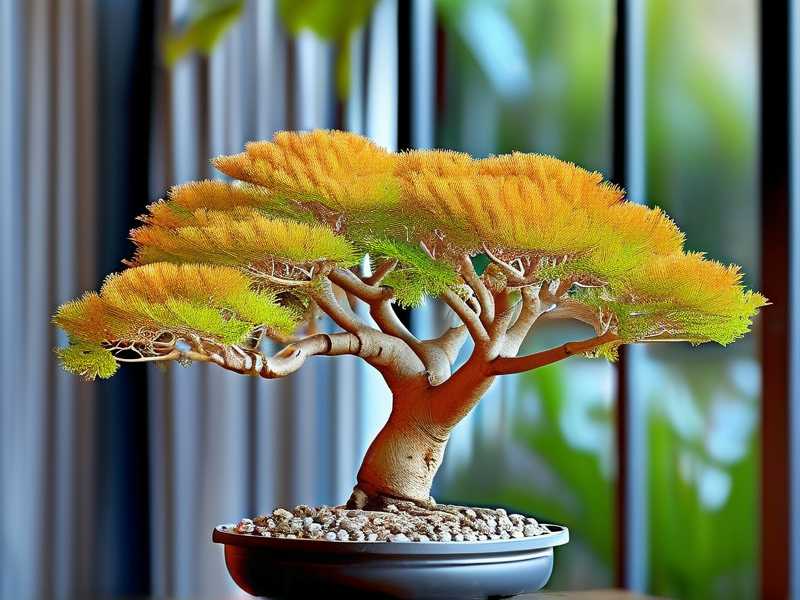
I started with a healthy money tree that had been living in my east-facing window since fall. The stems were firm, leaves were dark green, and there was no sign of pests. I chose a stem about 6 inches long with at least two nodes. The cut was made just below a node with clean, sharp pruners.
Day 1: Taking the Cutting and Setting Up
I stripped the lower leaves off, leaving only the top two or three. Then I dipped the cut end in rooting hormone powder. The AHS suggests that rooting hormones can speed up the process, but I've also had success without them. For this winter attempt, I used a small pot with a mix of perlite and peat moss. I moistened the medium slightly, then inserted the cutting about 2 inches deep.
Here's where I made my first mistake years ago. I put the pot in a bright windowsill thinking more light would help. Big mistake. Winter sunlight can be harsh through glass, and the cutting just wilted. This time, I placed it under a grow light set to 12 hours per day, about 6 inches away from the cutting. Indirect light is what you need. Direct sun will fry the tender leaves.
Day 3-5: Observing Changes and Adjusting
After three days, I noticed the leaves were still perky. Good sign. I checked the soil moisture by sticking my finger about an inch deep. It felt slightly damp but not wet. I waited another two days before watering again. My rule now is simple: if the top inch feels dry, water lightly. If it feels moist, leave it alone.
Many people ask me about humidity. Winter air inside my home drops to around 30%. Money trees prefer 50-60%. I placed a clear plastic bag over the pot to create a mini greenhouse effect. I removed it for 10 minutes each morning to let air circulate. This stopped mold from forming on the soil surface.
Day 7-10: Root Development Signs
By day seven, I saw no visible roots yet. That's normal. Money trees can take 2-4 weeks to root in winter. I stayed patient. The cutting started to produce a tiny new leaf at the tip. That's always a positive indicator. It means the cutting is still alive and attempting to grow.
I checked for roots by gently tugging on the stem. If there's resistance, roots are forming. I waited until day ten before attempting this. There was slight resistance, so I knew something was happening below the surface. I also noticed the soil was drying out faster than the first week. That's another sign that roots are absorbing water.
Day 14: Final Assessment and Next Steps
After two full weeks, I carefully removed the cutting from the pot to inspect. There were three small roots, about 1-2 inches long. White and firm. Exactly what you want to see. I potted it into a 4-inch container with regular potting soil mixed with extra perlite for drainage.
I placed the new plant back under the grow light for another week to strengthen the root system. After that, I slowly introduced it to lower light conditions over several days. Hardening off the plant prevents shock. If you move a cutting from high light to low light too fast, it can drop leaves.
Newbie's Top 3 Deadly Mistakes
I've made every mistake in the book. Let me save you the trouble.
Mistake 1: Overwatering
This is the number one killer. I used to water my cuttings every two days because I worried they might dry out. Dumb move. In winter, the plant uses very little water. The soil stays wet for too long, roots rot, and the cutting dies. I now water only when the top inch is completely dry. Sometimes that means once a week or even less.
Mistake 2: Wrong Light Conditions
Direct winter sun can be deceptive. It looks bright but it's actually intense. I once placed a cutting in a south-facing window and the leaves turned yellow and crispy within a week. The heat from the sun through glass can cook the cutting. On the flip side, placing it in a dark corner means no photosynthesis. Stick to bright indirect light. An east-facing window works great, or a grow light set to medium intensity.
Mistake 3: Using the Wrong Pot
I tried propagating in a large decorative pot once. Bad idea. Too much soil means too much moisture retention. The cutting sits in wet soil forever. Use a small pot, around 3-4 inches wide, with drainage holes. Terracotta pots are ideal because they wick away excess moisture. Plastic pots can work if you're very careful with watering. Just make sure there's at least one drainage hole at the bottom.
What I Wish Someone Told Me Before I Started
I grew up thinking all plants follow the same rules. Not true. Money trees have unique quirks. For example, they can survive in low light but they won't grow much. In winter, growth naturally slows. Don't expect a cutting to double in size over a month. It takes time.
I also learned that the water quality matters. Tap water with too much chlorine or fluoride can stress tropical plants. I now let my tap water sit out overnight before using it. This allows some chemicals to evaporate. If you have a filter, even better.
Another thing: don't fertilize during winter propagation. The cutting hasn't established roots yet. Fertilizer can burn the tender new growth. Wait until you see several leaves and roots before even thinking about feeding. I usually wait about 6-8 weeks after rooting before adding any fertilizer.
Tools and Materials That Saved My Propagation Attempts
You don't need fancy equipment. Most of these items are cheap and easy to find.
A heat mat is probably the most useful tool for winter propagation. I bought one for around $20. It keeps the soil at a steady temperature, which speeds up root growth. Without it, my cuttings used to stall for weeks.
Clear plastic bags or a humidity dome help maintain moisture around the leaves. I reuse produce bags from the grocery store. Just poke a few holes for air circulation. Remove the bag daily for a few minutes to prevent fungal issues.
Sharp pruners or scissors are non-negotiable. Dull blades crush the stem tissue, making it harder for roots to form. I clean my tools with rubbing alcohol before each use to prevent disease transmission.
Rooting hormone powder is optional but helpful. I use a generic brand from the garden center. It contains auxins that encourage root cell division. You can also use cinnamon powder as a natural alternative, though it's less effective.
Common Signs Your Cutting Is Struggling
Yellow leaves usually indicate overwatering or too much light. If the bottom leaves turn yellow first, check the soil moisture. If it's wet, let it dry out. If the top leaves are yellow, the light might be too intense.
Wilting leaves can mean underwatering or root rot. Stick your finger in the soil. If it's dry, water lightly. If it's wet, you might have rot. Remove the cutting and check the stem. If it's brown and mushy, cut above the rot and try again.
No growth after three weeks could mean the temperature is too low. Move the pot to a warmer spot or add a heat mat. Sometimes the cutting just needs more time. Be patient.
Mold on the soil surface happens when humidity is too high or air circulation is poor. Remove the moldy soil and replace with fresh mix. Increase ventilation by opening the bag for longer periods.
FAQ: Your Winter Propagation Questions Answered
Can I propagate a money tree in water during winter?
Yes, but I personally prefer soil. Water propagation works but transitioning to soil later can shock the plant. If you try water, use a clear jar and change the water weekly. Keep it in indirect light. Once roots are 2-3 inches long, pot it in soil. Be gentle during the transfer.
How do I know if the cutting has rooted?
Gently tug on the stem after two to three weeks. If you feel resistance, roots are forming. You can also check by carefully removing the cutting from the pot. Look for white or light-colored roots that are firm, not mushy. Avoid disturbing the cutting too often.
What if my cutting starts to rot?
Cut above the rot immediately. Remove any mushy parts. Disinfect your scissors. Try again with fresh potting mix. This time, water less and ensure good drainage. Sometimes rot happens even with careful watering. It's not your fault.
Final Thoughts on Winter Propagation
I've propagated more money trees than I can count now. Winter is challenging but doable. The key is controlling moisture and temperature. Keep the soil barely damp, provide bottom heat, and give bright indirect light. Avoid direct sun and cold drafts.
Start with a healthy mother plant. Take a clean cutting with at least two nodes. Use a small pot with drainage. Water sparingly. Wait patiently. After two weeks, you might see tiny roots forming. That's when you know you've done it right.
If your first attempt fails, try again. I killed several cuttings before I figured out the balance. Every plant is slightly different. Pay attention to what yours tells you. Check the leaves, feel the soil, watch for signs of stress.
Money trees are resilient plants. They can bounce back from mistakes if you catch them early. Winter propagation gives you a head start for spring growth. By the time warmer weather arrives, your new plant will be established and ready to thrive.
Good luck with your money tree propagation. You've got this.