admin
How to Keep Mealybugs From Overwintering Inside Braided Money Tree Gaps
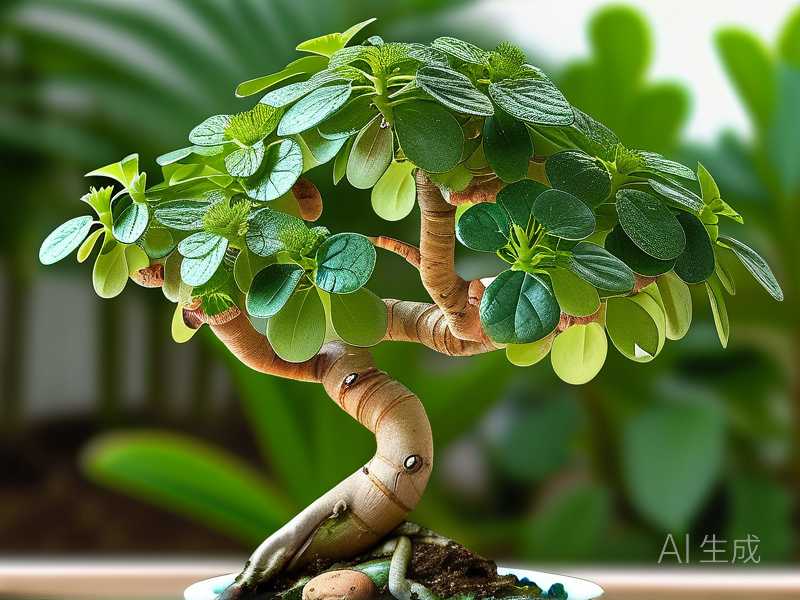
The braided money tree looks great on a windowsill. Its twisted trunks and glossy leaves feel sculptural. It is also one of the easier indoor plants to keep alive.
But those braided gaps are a problem. Mealybugs love hiding in them.
I have dealt with this exact issue twice. My first fix failed. My second fix worked, and I will give you the short answer right now.
Clean the braided gaps with 70% isopropyl alcohol on a cotton swab, then seal the surface with a light coat of horticultural oil before indoor heating season starts. Repeat every 10 days for 2 weeks. That is the core of how to keep mealybugs from overwintering inside braided money tree gaps.
That is it. The rest of this article explains why it works and how to do it without hurting your plant.
Why Money Tree Braids Are a Mealybug Magnet
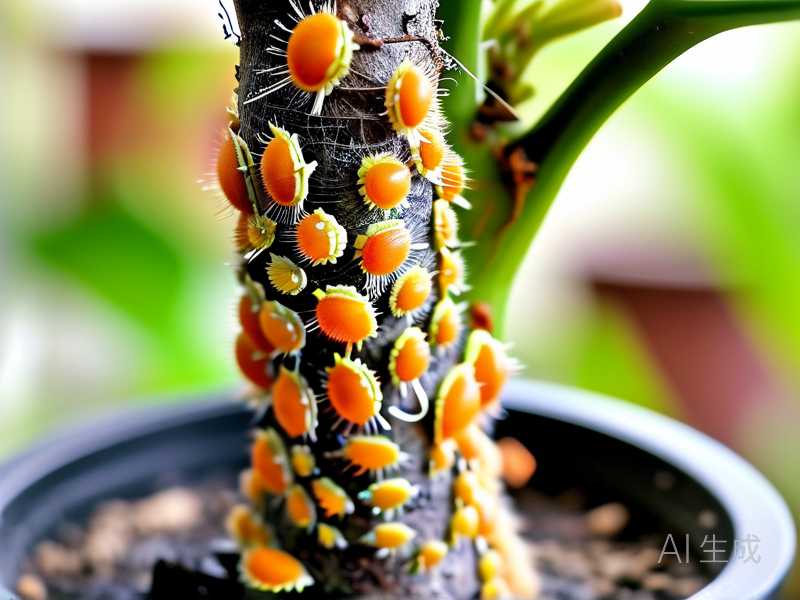
Mealybugs are tiny, soft-bodied insects. They look like bits of white cotton or tiny rice grains. They feed on plant sap and leave behind sticky honeydew.
The braided trunk of a money tree gives them everything they want. It is dark. It is humid. It is hard to reach with a spray bottle.
Real talk: most people spray the leaves and call it done. That misses the actual hiding spot.
I learned this the hard way. I kept finding white fuzz on my money tree every November. I would wipe the leaves, feel satisfied, and then find them again in January.
The braid gaps were the nursery all along.
A Quick Note on the Plant Itself
Pachira aquatica, sold as the money tree, is a tropical wetland tree. In nature it grows near rivers in Central and South America. Indoors it adapts well, which is why it is so popular.
It tolerates average home humidity. It forgives a missed watering. That toughness is exactly why beginners buy it.
But that same toughness means pests can build up slowly before you notice.
RHS recommends checking leaf undersides and stem joints weekly for indoor plants. The braided trunk is one more joint to check.
Light: Where Mealybugs Thrive and Where They Do Not
Money trees want bright, indirect light. A spot a few feet back from a south or west window works well in most homes.
Strong direct sun in summer can scorch the leaves. You will see crispy brown patches.
Too little light is worse for pest problems. A weak plant grows soft, pale new growth. Mealybugs prefer that soft tissue.
I moved my money tree from a dark corner to a bright east window. Within 2 weeks the new leaves came in thicker and darker. Fewer pests showed up too.
Shade is fine for a few hours. Full shade all day is not. If you cannot read a book without a lamp in that spot, it is too dark for a money tree.
Watering: The Real Reason Most Money Trees Struggle
Here is the line every beginner needs to hear: 90% of indoor plants die from overwatering.
I have killed plants this way. More than once. It is the most common mistake by a wide margin.
Money trees store water in that thick braided trunk. They do not need constant moisture.
Water only when the top 2 to 3 inches of soil feel dry. Stick your finger in. If it is damp, wait.
In winter, cut back hard. I water mine every 10 to 14 days in winter, sometimes less. The soil stays moist much longer when the heat is on and growth has slowed.
Overwatering causes root rot. The leaves turn yellow, then drop. The trunk goes soft near the soil line. By then it is often too late.
Use a pot with a drainage hole. Always. Empty the saucer 20 minutes after watering.
Soil and Repotting
Money trees like loose, fast-draining soil. A mix of potting soil, perlite, and orchid bark works well. Aim for roughly equal parts.
Terracotta pots help because they wick away extra moisture. Glazed ceramic looks nicer but holds water longer.
Repot every 2 years in spring. Go up one pot size only. A pot that is too big holds too much wet soil around the roots.
When I repotted my first money tree, I went two sizes up. Bad move. The soil stayed wet for weeks. I nearly lost the plant.
Now I size up carefully and mix in extra perlite. Much better results.
Fertilizing Without Feeding the Pests
Use a balanced liquid fertilizer diluted to half strength. Feed once a month in spring and summer.
Stop feeding in fall and winter. The plant is not growing much. Extra nutrients just sit in the soil.
Do not fertilize a plant that has active pests or root problems. Fix the problem first.
I use a simple 10-10-10 formula. It is cheap and easy to find. I mix it at half the label rate and water it in.
The 2-Week Plan I Actually Used
This is the exact routine I followed. I watched the plant for 14 days straight.
Day 1: I dipped cotton swabs in 70% isopropyl alcohol. I worked the swab into every gap between the braided trunks. I saw white residue come out. That confirmed the infestation.
Day 1 (after cleaning): I wiped the braided area with a cloth lightly dampened with horticultural oil. This smothers any eggs or stragglers the alcohol missed.
Day 3: I checked the gaps again with a flashlight. I found two small clusters and removed them with fresh alcohol swabs.
Day 7: I repeated the alcohol and oil treatment. This matters because mealybug eggs hatch on a schedule.
Day 10: I checked again. Almost nothing. One tiny speck near the base.
Day 14: Clean. No new white fuzz. No sticky residue. The plant looked stable.
I kept checking weekly after that. The key was catching it before indoor heating season dried the air and pushed pests toward the damp braid.
Seasonal Care: Spring
Spring is when the plant wakes up. New growth appears. This is the best time to act.
Prune any dead or damaged leaves. Wipe down the braided trunk with a damp cloth.
Repot if it has been 2 years. Refresh the top inch of soil if you are not repotting.
Start fertilizing again at half strength. Water a little more often as growth picks up.
Check the braid gaps carefully now. Pests are active again and easier to catch early.
Seasonal Care: Summer
Summer means heat and strong light. Move the plant back from any window that gets harsh afternoon sun.
Water more often, but still let the top few inches dry out. Hot homes dry soil faster. Do not overcorrect into daily watering.
Good airflow helps. A small fan on low near the plant keeps humidity from settling in the braid gaps.
This is peak pest season. Check every week. Mealybugs reproduce fast in warm conditions.
Seasonal Care: Fall
Fall is the transition. Growth slows. You should start cutting back on water and fertilizer.
Stop fertilizing by mid-fall. Reduce watering frequency.
This is the most important season for the braid gap issue. Pests look for warm, sheltered spots to survive the winter. Your braided trunk is a five-star hotel.
Do the alcohol and oil treatment in early fall. Do not wait until you see pests.
I also trim any crowded inner leaves. Better airflow means fewer hiding spots.
Seasonal Care: Winter
Winter is when the problem gets worse indoors. Heating dries the air. The plant stops growing. Mealybugs slow down but do not die.
Keep the plant away from cold drafts and windows. Money trees hate temperatures below 50°F (10°C).
Water sparingly. Maybe every 2 weeks. Check the soil first every time.
Do not fertilize at all. Do not repot. Do not prune heavily.
Check the braid gaps every 2 weeks with a flashlight. One cotton swab and 30 seconds is all it takes.
Common Pests and Problems
Mealybugs: White cottony spots in the braid gaps and leaf joints. Treat with alcohol swabs and horticultural oil.
Spider mites: Fine webbing on leaves. Raise humidity and wipe leaves with soapy water.
Scale: Brown or tan bumps on stems. Scrape off with a fingernail or treat with oil.
Yellow leaves: Almost always overwatering. Check the roots. If they are brown and mushy, you have root rot.
Brown leaf tips: Usually low humidity or inconsistent watering. Not usually a pest issue.
Leaf drop: Cold drafts, sudden temperature changes, or soggy soil.
Three Mistakes I See Beginners Make Every Time
Mistake 1: Overwatering. I get it. You want to care for the plant. But money trees store water in that trunk. Let the soil dry out between waterings. If you remember nothing else, remember that 90% of indoor plants die from overwatering.
Mistake 2: Wrong light. A dark corner or a blazing south window will both cause problems. Bright indirect light is the sweet spot. If the leaves are pale and the stems are leggy, it needs more light. If leaves have brown scorch marks, it needs less.
Mistake 3: Wrong pot. No drainage hole equals root rot waiting to happen. A pot that is too large equals soggy soil. Use a pot with drainage and size up slowly.
Frequently Asked Questions
Can mealybugs survive winter indoors?
Yes. Indoor heating keeps temperatures warm enough for them to stay active. The braided trunk stays humid and dark, which is ideal for them. Clean the gaps in fall before heating season starts.
Does alcohol hurt the money tree?
70% isopropyl alcohol on a cotton swab is safe for spot treatment. Just avoid soaking the trunk. A light touch is fine. I have used it for 2 years with no damage.
How often should I check the braid gaps?
Every 2 weeks is enough for prevention. Weekly if you have had mealybugs before. It takes 30 seconds with a flashlight.
AHS points out that consistent monitoring beats any single treatment. I agree. The braid gaps are small but catching pests there early saves the whole plant.
The Simple Version
Keep the braid gaps clean and dry. Treat them with alcohol and oil in early fall. Check every 2 weeks. Do not overwater. Give bright indirect light. Use a pot with drainage.
That is the whole system. It is not complicated. It just requires a little consistency.
My money tree has now gone through two full winters without a mealybug comeback. The braid looks clean. The leaves are glossy. It took maybe 5 minutes of work per month.
If you have been battling white fuzz in those gaps, try this. Give it 2 weeks. I think you will be surprised how well it works.