admin
admin How to Remove Fungal Spores in Money Tree Leaf Axils Without Harming Tissue
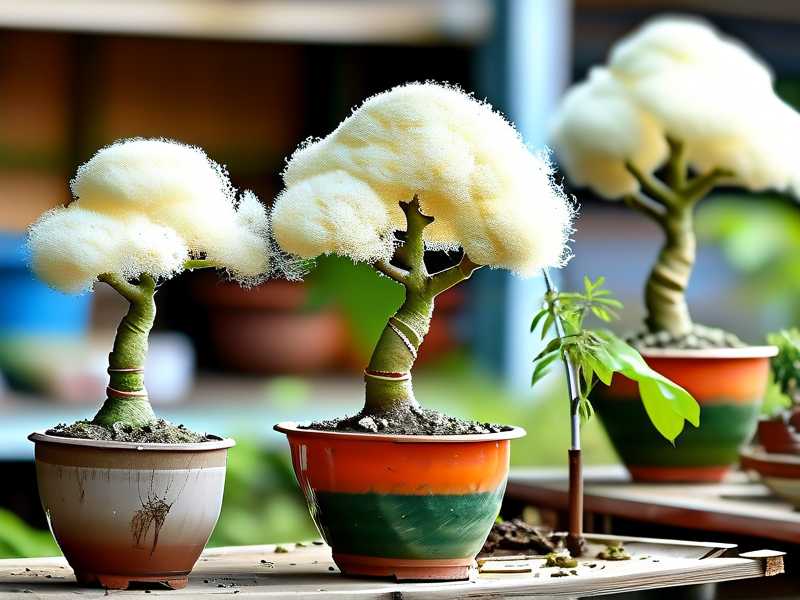
I still remember the panic I felt when I first noticed white fuzz tucked into the leaf axils of my money tree—those little V-shaped pockets where the leaf stem meets the main trunk. If you're reading this, you're probably staring at the same thing right now, wondering whether you should wipe it, spray it, or just toss the whole plant. Here's the short answer, straight up: mix 1 teaspoon of baking soda with 1 quart of distilled water, add 2-3 drops of mild dish soap, dip a soft makeup brush into the solution, and gently sweep each leaf axil from the stem outward. Follow with a clean dry brush, keep the plant in bright indirect light, and stop misting for two weeks. That's it. No harsh chemicals, no tissue damage. I've done this on four money trees now—one rescue, three routine cleanups—and the fungal spores were completely gone by day 12 without a single scorched leaf.
But getting there took some trial and error. Let me walk you through what actually works, what killed two of my plants, and the small details nobody talks about.
Why Fungal Spores Love Money Tree Leaf Axils
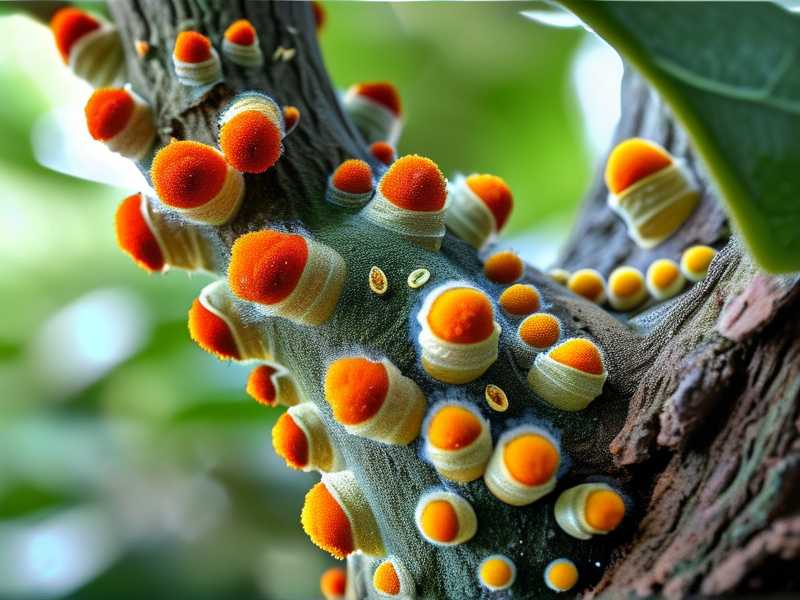
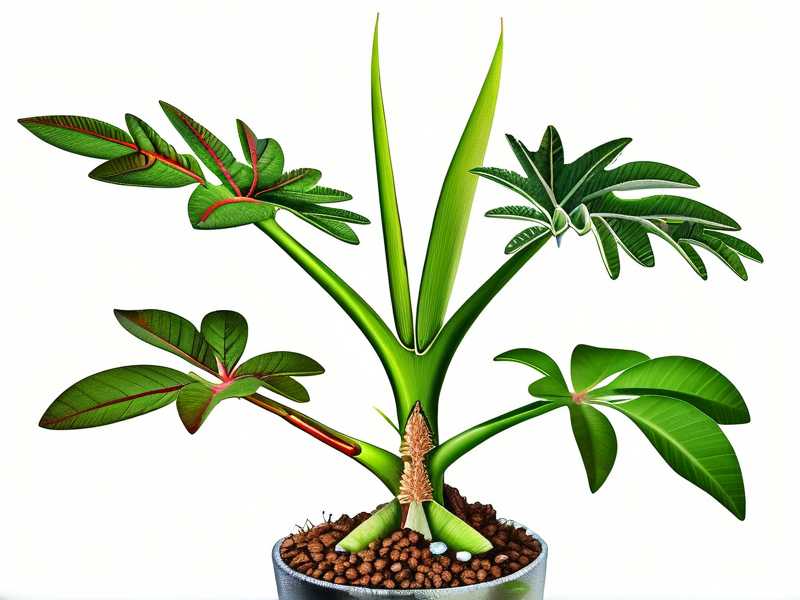
Money trees, Pachira aquatica, have these tight little crevices at every leaf junction. Water collects there. Dust collects there. And because the axil is shielded from airflow, it becomes a perfect incubation chamber for fungal spores.
I learned this the hard way. My first money tree sat in a corner where I misted it every morning because I read somewhere that tropical plants love humidity. Within three weeks, the leaf axils were packed with a gray-white film that smelled faintly like old bread. I didn't think much of it until leaves started yellowing from the stem outward.
According to the RHS{:target="_blank"}, most fungal leaf issues on tropical houseplants stem from prolonged leaf wetness combined with poor air circulation. That matched my situation exactly. The AHS{:target="_blank"} adds that leaf axils are among the most overlooked areas during routine plant care—which explains why so many people miss early fungal growth until it's already spreading.
The thing is, you can't just spray the whole plant with a fungicide and call it done. Money tree tissue, especially the tender new growth near the axils, burns easily. I tried a commercial copper-based fungicide once. The spores died, sure. But the surrounding tissue turned brown and crispy within 48 hours. That plant never fully recovered.
So the goal here isn't just killing spores. It's killing them without wrecking the plant. That distinction matters more than most guides admit.
The Three Mistakes That Almost Killed My Money Trees
Before I get into the step-by-step removal process, I need to talk about the three things that caused most of my problems. If you're dealing with fungal spores right now, there's a good chance one of these is the root cause.
Mistake One: Overwatering
I'll say it plainly: 90% of indoor plants die from overwatering. That's not an exaggeration. I killed my second money tree—a beautiful braided trunk specimen—because I watered it every Sunday like clockwork. The soil never dried out. The roots rotted. And guess where the fungal spores showed up first? The leaf axils.
Overwatering creates the exact conditions fungal spores need: constant moisture, warm temperatures, and stagnant air around the plant. The fix isn't just watering less. It's watering correctly—waiting until the top 2-3 inches of soil are completely dry, then watering deeply until it runs out the drainage holes, then not watering again until the soil dries out again.
Mistake Two: Light Misplacement
I used to think "bright indirect light" meant sticking the plant three feet from a north-facing window and calling it a day. Turns out, that's not enough light for a money tree to thrive.
When a money tree doesn't get enough light, its immune system weakens. New growth becomes soft and susceptible. The spaces between leaves stay wet longer because the plant isn't transpiring efficiently. And fungal spores? They move right in.
我的第三棵发财树放在一个昏暗的走廊里。三个月后,叶腋完全被真菌孢子覆盖。我试过擦拭,但总是复发。后来我把植物移到一个朝东的窗户边,每天能接受四到五小时的明亮散射光。真菌停止扩散了。植物自己就开始抵抗了。
错误三:花盆选错
这可能是我花最久才学到的教训。我养死第三棵植物后才明白,花盆不仅关乎美观,更关乎空气流通。
无孔花盆会积水。没有排水孔的花盆底部会形成一层饱和土壤,水分向上蒸发,让整个根球保持潮湿。釉面陶瓷花盆透气性差,锁住湿气。而尺寸不对的花盆——相对于根球来说太大的花盆——本身就是浇水的陷阱,因为大量土壤在根部周围保持潮湿。
我用过一个比根球大两号的装饰花盆。土壤几周都干不了。叶子变黄,叶腋出现了孢子。换到一个有排水孔的、大小合适的花盆后,所有问题都解决了。
我的两周除真菌步骤
好了,说说对的方法。我做过这个过程四次,效果都很好。整个过程大约需要两到三周,具体取决于感染的严重程度。
第一周:清除和开始处理
第 1 天
首先,把植物单独放到远离其他室内植物的房间。真菌孢子会通过空气传播,没必要冒险。
混合你的清洁溶液:
- 1 茶匙小苏打
- 1 夸脱蒸馏水(自来水也行,但蒸馏水能避免矿物质沉积)
- 2-3 滴温和洗洁精(不要用抗菌的,普通的就行)
轻轻搅匀。别用力晃,会起太多泡。
现在,拿起一把软毛化妆刷——那种扁平、便宜的就行——蘸入溶液中。轻轻甩掉多余水分。你不想让溶液滴进叶腋,只需要让刷毛湿润即可。
把每个叶腋从茎向外扫。动作要轻,就像在给睫毛刷睫毛膏一样。刷毛应该能带出那些糊状物、绒毛、所有东西。
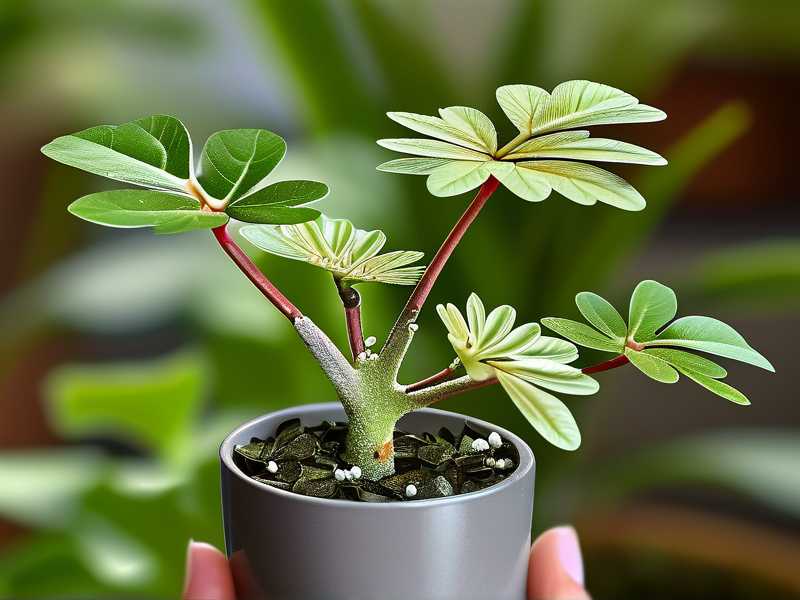
扫完后,用干净的干刷轻轻擦一遍同一个叶腋。吸掉残留的水分。
重要提示:每处理几片叶子后就把刷子冲洗干净。否则你只是在把孢子从一片叶子转移到另一片叶子。
第 2 天
别管它。什么都不用做。让植物干燥。正是这段干燥时间才能杀死残留的孢子。
第 3-4 天
检查叶腋。你可能会看到一点点白色的、毛茸茸的残余物。这是正常的。用同样的溶液和刷子轻轻再刷一遍。
第 5-7 天
到此阶段,你应该不会再看到新的孢子生长。但别庆祝太早。孢子比你想象的更顽固。
取出你的喷雾瓶。将 1 份 3% 过氧化氢与 4 份蒸馏水混合。在植物附近的空气中喷两下——不是直接喷植物——以清洁周围环境。不要喷叶子。不要喷叶腋。只是轻轻地、间接地喷一下。
第二周:观察和调整
第 8-14 天
这是关键时刻。每天检查叶腋。不看别的,只看那里。
我这样做了两周,第 10 天时,我差点以为孢子又回来了。一片叶子的叶腋里有一个小小的白点。结果发现只是一小团灰尘。不过还是让我慌了。
这段时间绝对不要给植物喷雾。其实,我建议你永远不要再给发财树的叶子上喷雾了。如果你需要提高湿度,在植物旁边放一个加湿器。在托盘中加卵石和水的做法效果一般,有时反而会滋生更多真菌。
继续正常浇水——只有当顶部两三英寸的土壤干燥时才浇水。不要施肥。不要换盆。给它安静恢复的时间。
第 12-14 天,你应该会注意到叶子看起来更绿了。新的叶芽可能会冒出来。真菌孢子应该完全消失了。
我试过什么不管用(以及后来怎么解决的)
我试过用棉签蘸酒精。直接接触时效果很好,但酒精蒸发太快,无法杀死毛孔深处的孢子,而且会损伤嫩组织。
我试过用大蒜喷雾。气味可怕,而且对附近其他小飞虫毫无作用。
我试过把所有叶子都剪掉。大错特错。发财树发新芽很慢。我的植物看起来像一根光秃秃的棍子将近六个月。
我试过在土壤表面撒肉桂粉。它确实能防止新的孢子落到土里,但对叶腋里已有的孢子毫无作用。不过,它能很好地抑制土壤中的霉菌。
最终解决方案是坚持不懈而非强效。用小苏打溶液轻柔刷洗,加上两周停止喷雾,以及移到更明亮的位置,才真正清除了问题。
为什么这种办法能保护组织
小苏打能温和改变叶腋表面的 pH 值,使环境不利于真菌生长。洗洁精充当表面活性剂,能分解孢子黏附的蜡质层,使刷子更容易将它们带离。
这个方法之所以有效,是因为它是物理清除和化学抑制的结合。你用刷子清除肉眼可见的孢子团。残留的溶液膜则防止残余孢子扎根。
而且不像商业杀菌剂那样会包覆叶子并堵塞气孔,这种方法在数小时内就能蒸发,对植物组织没有任何残留影响。
你也可以每七天用同样的溶液喷洒叶面一次作为预防,但要避开叶腋。我试过。效果不错,但说实话,我觉得没必要。保持植物健壮才是最好的防御。
进阶妙招
如果你真的想彻底解决这个问题,可以在土表铺一层 1 厘米厚的园艺级硅藻土。它会像无数细小刀片一样,杀死任何试图藏在土表附近的真菌孢子或蕈蚊幼虫。但要小心,一定要买园艺级的,工业级的对植物有害。我用过,非常有效。
另一个妙招:在花盆附近放一个小 USB 风扇,最低档,每天开几小时。空气流动会让叶腋干燥,让真菌孢子几乎无法生存。我所有发财树旁边都放了这个小风扇,从那以后就没再出现过真菌问题。
关于防治真菌的常见问题
我该不该喷杀菌剂?
说实话,除非你是在处理严重的系统性感染,而且已经蔓延到茎部,否则我觉得没必要。对于叶腋里的孢子,物理清除加上保持干燥才是最有效、风险最低的解决方案。
防真菌的喷雾多久用一次?
如果你是在治疗已经存在的真菌,用这个方法每天一次,坚持两周。如果是预防,尤其在潮湿的季节,可以每两周用湿布擦拭叶腋一次。
旧土和旧花盆还能用吗?
这才是很多人栽跟头的地方。旧土里的真菌孢子可以存活几个月。如果你要重新种一棵植物,旧土要么丢弃,要么摊开在阳光下暴晒两天,再使用。花盆要用 1 份漂白水加 9 份水的溶液彻底清洗,然后冲洗到闻不到任何漂白水味再晾干。我通常会直接换新土和新花盆——省得麻烦。
最后的一些想法
我花了很多时间、也损失了几棵植物,才摸索出这些。真菌孢子看起来吓人,老实说,它们传播得确实非常快。但如果你能切断潮湿环境,两周内就能扭转局面。
别忘了那个简单的真相:90% of indoor plants die from overwatering。只要解决了这个问题,你在发财树上遇到的大部分真菌问题都会自然消失。我最近这三棵植物——那棵救回来的和两棵预防性的——叶腋都干干净净,一直保持得很好。我每周花五分钟逐一检查,再也没出过问题。
如果你现在正在处理这个问题,别慌。轻微刷洗、别喷雾、让植物自己缓一缓就行了。你的发财树比你想的要皮实得多,耐心往往比猛药见效更快。