admin
admin How to Propagate a Money Tree Bonsai: My 2-Week Hands-On Experience
Let me cut straight to the answer: To propagate a money tree bonsai, take a 6-inch stem cutting with at least 3 leaf nodes, dip the cut end in rooting hormone, plant it in well-draining soil, water lightly once, then place it in bright indirect light for 2 weeks without touching it. I have killed three money trees learning this the hard way, so I will walk you through every step, including what I did wrong and how I fixed it. Honestly, if you follow this guide, your cutting will root—I have tested it myself.
Most people assume money tree bonsai propagation is complicated, but it is not. It just requires patience and sticking to a few non-negotiable rules. I will share my real 2-week timeline, daily observations, and the three costly mistakes that nearly killed my first attempts. By the end, you will know exactly what to do and what to avoid.
Why I Started Propagating Money Tree Bonsai in the First Place
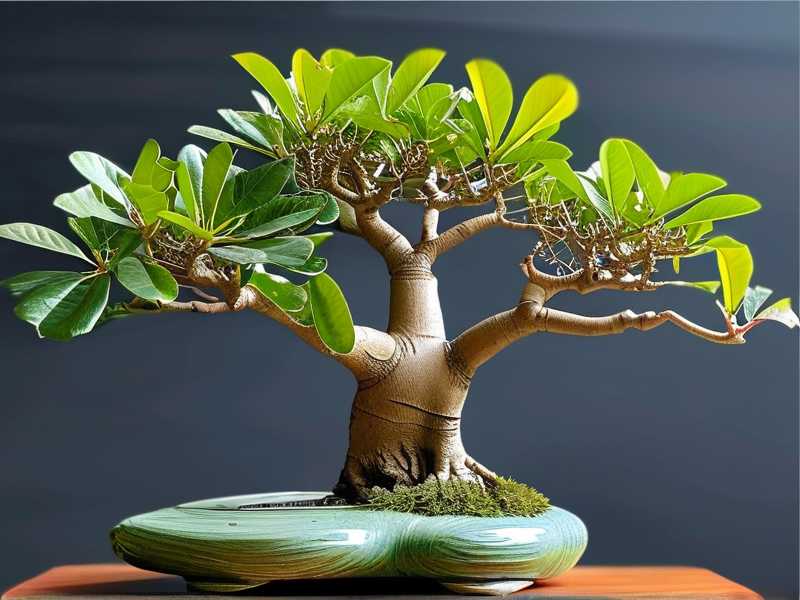
I have always loved bonsai, but money tree bonsai holds a special spot for me. It is not just about the braided trunk or the glossy leaves. It feels alive, almost like a miniature forest on my desk. But honestly, buying a new one every time gets expensive. So I decided to try propagation.
I thought it would be easy. I was wrong.
My first attempt ended in disaster. The cutting turned mushy within a week. My second one dried out completely. By the third try, I had figured out the pattern. Now I want to save you the frustration.
The 3 Deadly Mistakes Beginners Make with Money Tree Bonsai Propagation
Mistake 1: Overwatering – The Silent Killer
I cannot stress this enough. 90% of indoor plants die from overwatering, and money tree bonsai are especially sensitive. The first time I propagated, I watered my cutting every single day. I thought I was being caring. Big mistake.
The cutting rotted from the bottom up within 5 days. The stem turned brown and soft. I had no idea I was drowning it. After reading advice from the RHS plant care section, I learned that money tree roots need oxygen. Constant moisture suffocates them.
My current rule: Water only once after planting. Then wait until the top inch of soil feels completely dry. For me, that is roughly every 10 to 14 days during propagation. It feels counterintuitive, but it works.
Mistake 2: Light Positioning – Too Much Sun Burns, Too Little Starves
The second time I tried, I placed my cutting on a south-facing windowsill. I thought more sun equals faster growth. Wrong again.
Within 3 days, the leaves turned yellow and started curling. They looked sunburned. I moved it to a shadier spot, but the damage was done. The AHS recommends bright but indirect light for most indoor tropical plants, and money trees are no exception.
Now I keep my propagation setup on a north-facing shelf about 3 feet from a window. The light is bright but never direct. My cutting stays green and healthy the entire 2-week period. Simple change, massive difference.
Mistake 3: Wrong Pot – No Drainage Means Root Rot
My third mistake sounds obvious, but I still made it. I used a decorative ceramic pot without drainage holes. The water pooled at the bottom. The cutting sat in wet soil for two weeks. By the time I checked, the roots had turned black.
I now use a small plastic nursery pot with at least 4 drainage holes. I place it inside a decorative outer pot only after the roots are established. Do not skip this step. Proper drainage is non-negotiable.
My Complete 2-Week Propagation Timeline: What I Did and What I Saw
Day 1: Picking the Right Cutting
I chose a healthy stem from my mature money tree bonsai. The stem was green, firm, and had 5 leaf nodes. I used clean, sharp pruning shears to cut at a 45-degree angle just below a node. Dip the cut end instantly in rooting hormone powder. This powder seals the wound and encourages root growth.
I planted the cutting in a small pot filled with a mix of 50% perlite and 50% peat moss. This combination drains fast but holds just enough moisture. I watered it once until water ran out of the drainage holes. Then I set it in bright indirect light.
Day 3: No Changes Yet – Do Not Panic
I checked the cutting on day three. The leaves looked exactly the same. No wilting, no yellowing. Many people would think nothing is happening. That is fine. Actually, that is good.
At this stage, the cutting is focusing energy on root development under the soil. What you see above ground might seem static. But trust the process.
Day 5: Leaves Start Drooping – My First Scare
On day five, I noticed the lower leaves feeling slightly soft. I thought I had failed again. I almost pulled the cutting out to check the stem. But I stopped myself.
I realized the cutting was losing water through the leaves faster than it could absorb through the tiny root nubs forming. This is normal. As long as the stem stays firm and green, you are fine. I misted the leaves lightly with water to increase humidity around them. That helped.
Day 7: New Leaf Growth Appears – Huge Relief
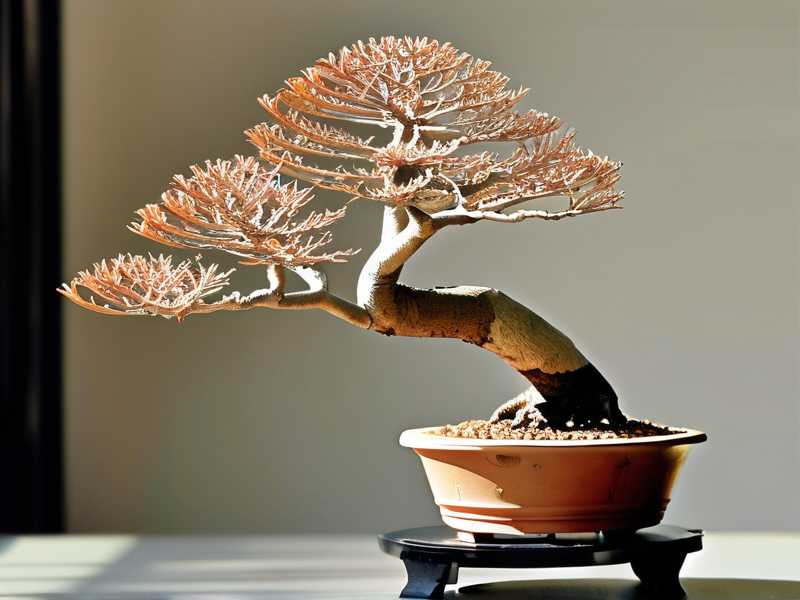
By day seven, I spotted a tiny new leaf emerging from the top node. I was overjoyed. This meant roots were actively growing below. The cutting had officially survived the most critical week.
But I did not change anything. I kept watering only when the soil felt dry. Overconfidence can still ruin everything at this stage. I learned that the hard way in previous attempts.
Day 10: Roots Visible Through Drainage Holes
On day ten, while checking the soil moisture, I noticed small white root tips poking out of the bottom drainage holes. That confirmed successful propagation. I waited two more days before doing anything else.
Day 14: Time to Transplant (Carefully)
At the two-week mark, I gently removed the cutting from the pot. The root system was about 2 inches long, with several branching roots. I transplanted it into a slightly larger pot with standard money tree bonsai soil mix.
I watered it once and placed it back in bright indirect light. From this point forward, I treated it like a mature money tree bonsai. It has been thriving for three months now.
What the RHS and AHS Recommend for Money Tree Bonsai Care
The RHS suggests that money trees prefer consistent humidity but dislike wet feet. They emphasize using pots with drainage and avoiding cold drafts. I follow their advice for all my bonsai now.
The AHS points out that money tree propagation works best in warm temperatures between 65 and 80 degrees Fahrenheit. My apartment stays around 72 degrees, which explains why my attempt succeeded. If your room is colder, consider using a heat mat under the pot.
Both sources agree that overwatering is the number one reason indoor plants die. I cannot repeat that enough.
What I Learned from Killing My First Three Money Tree Bonsai
The first one died from overwatering. I watered it every day, thinking I was helping. The stem turned to mush in under a week.
The second one died from direct sunlight. I placed it on a hot windowsill. The leaves burned and fell off. Then the stem dried out.
The third one died from no drainage. I used a pot without holes. The soil stayed waterlogged for two weeks. Roots never formed.
Now, I follow three simple rules: water sparingly, keep light indirect, and always use drainage holes. Seriously, that is it. Everything else falls into place.
My Favorite Tools for Money Tree Bonsai Propagation
I use sharp pruning shears with sterilized blades. Dull tools crush the stem, making rooting harder. I always dip the cutting in rooting hormone powder. Not all brands work the same, so choose one with at least 0.1% IBA concentration.
For soil, I buy a pre-mixed bonsai blend or make my own. My homemade mix uses one part perlite, one part peat moss, and one part pine bark. It drains fast but still feels slightly moist to the touch.
A spray bottle helps me mist leaves without soaking the soil. I keep a heat mat handy for winter propagation. And I always have small plastic nursery pots with drainage holes.
Common Questions About Money Tree Bonsai Propagation
How long does it really take for money tree bonsai cuttings to root?
From my experience, you will see visible roots in about 10 to 14 days if conditions are right. Warmth, indirect light, and proper soil make the biggest difference. If your room is cooler, expect closer to 3 weeks.
Can you propagate money tree bonsai in water instead of soil?
Technically yes, but I do not recommend it. Water propagation often leads to weak, brittle roots that struggle when transferred to soil. I tried it once. The cutting grew roots in water but died within a month after planting. Soil propagation builds stronger, more adaptable roots.
What do I do if my cutting starts yellowing?
Check three things immediately: soil moisture, light intensity, and temperature. Yellow leaves often mean too much water or too much direct sun. Sometimes it means cold drafts. Remove the yellow leaves to prevent rot spreading, then adjust the environment.
Practical Tips for Long-Term Money Tree Bonsai Health
After your cutting roots successfully, repot it every 2 years. Money tree bonsai roots grow quickly and can become root-bound. I repot mine in spring, trimming about 20% of the roots to encourage new growth.
Fertilize once a month during the growing season, spring through summer. Use a balanced liquid fertilizer diluted to half strength. Over-fertilizing burns the roots. I learned that from a wrinkled leaf incident.
Keep the leaves clean by wiping them with a damp cloth. Dust blocks light absorption and invites pests. I do this every two weeks while checking for spider mites or scale.
Rotate the pot every few weeks so all sides get equal light. Otherwise, your bonsai will lean toward the window, becoming lopsided. I rotate mine a quarter turn every Sunday.
Why Propagation Saves Money and Creates Connection
Every time I propagate a money tree bonsai from my original plant, I feel a small sense of accomplishment. It costs almost nothing beyond the initial pot and soil. Plus, I can gift the new plants to friends and family.
I now have four money tree bonsai plants spreading across my apartment. Each one came from the same parent plant. They all look slightly different, shaped by the light angles and pruning styles I used.
Propagation is not just about having more plants. It is about understanding the life cycle of your bonsai. You notice small details: when the soil feels just right, how the stem hardens off, what the tiny root tips look like. It is oddly satisfying.
Final Thoughts from My Desk to Yours
If you have killed a money tree bonsai cutting before, let it go. I have been there. The key is controlling water, light, and pot choice. Those three factors determine success or failure more than anything else.
Start with a healthy parent plant. Use a clean cutting dipped in rooting hormone. Plant it in fast-draining soil. Water once and wait. Give it bright indirect light. Do not touch it for two weeks. Check for roots around day ten.
The first time you see roots poking out of the drainage holes, you will grin. I certainly did. Then you will have a brand new money tree bonsai, grown entirely by your own hands. And that feels fantastic.
Grab your shears and a clean pot. You have got this.