admin
admin How to Prevent Mite Outbreaks Near Household Heating Vents
If you've ever noticed a fine, dusty webbing around your houseplants in winter, right where the warm air drifts from a floor vent, you're not imagining things. I've been there. That dry, rising heat is basically a five-star hotel for spider mites. Learning how to prevent mite outbreaks near household heating vents saved my indoor herb garden and a very stubborn fiddle-leaf fig I nearly lost two winters ago.
Here's the short answer up front: mites thrive in hot, dry, dusty air. Heating vents create exactly that. So you beat them by raising humidity, filtering the airflow, and checking your plants every few days before populations explode. Simple, but the details matter. Let me walk you through what actually worked for me.
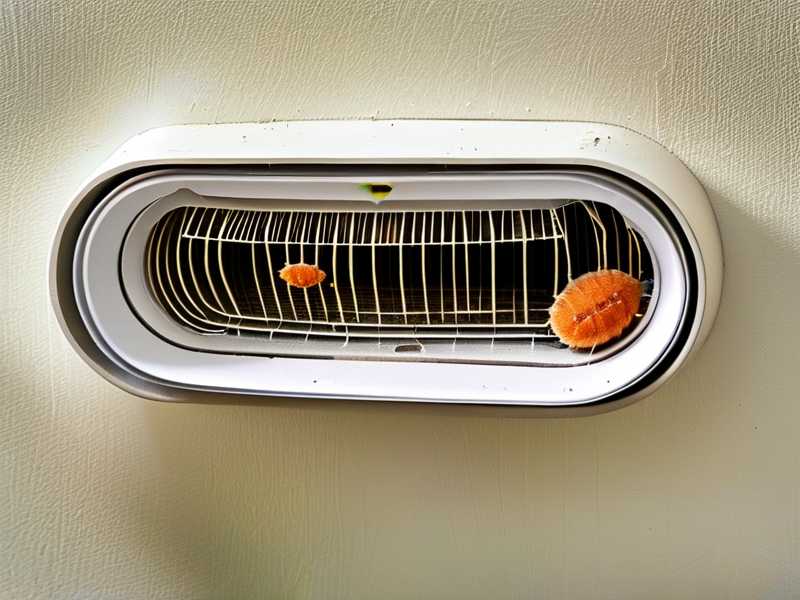
A quick note on why this happens. Spider mites are tiny arachnids, not insects, and they love low humidity and warm temperatures. According to the RHS, indoor heating combined with dry winter air is one of the biggest triggers for mite activity on houseplants. The AHS makes a similar point: stressed plants in dry conditions attract pests far faster than healthy, humid ones.
How Heating Vents Turn Your Plants Into Mite Magnets
I used to think mites just showed up randomly. I was wrong.
Warm air from a vent does three things at once. It lowers the relative humidity around your plant. It stirs up dust, which mites hitch a ride on. And it keeps the leaf surface toasty, which speeds up their breeding cycle. A single female can lay hundreds of eggs in a couple of weeks in those conditions.
The real kicker? By the time you see webbing, you already have a full-blown infestation. I learned that the hard way with a jade plant I'd had for four years.
My Two-Week Experiment: What I Actually Did
Let me share a real test I ran last January. I had two identical pothos cuttings sitting about three feet from a floor vent. One I treated with my new routine. The other I left alone as a control.
Week 1: I moved the treated plant out of the direct vent path, set a small humidifier nearby, and wiped both sides of every leaf with a damp cloth every three days. The untreated plant started showing speckled, stippled leaves by day five.
Week 2: On the treated plant, no new webbing appeared. Leaf color stayed deep green. The untreated one had visible fine strands by day ten.
That's when it clicked for me. Prevention isn't about spraying chemicals everywhere. It's about changing the environment so mites never get comfortable.
The Three Mistakes That Invite Mites Without You Realizing
Here's where most people go wrong, and honestly, I made all three.
1. Overwatering. This sounds backwards since mites like dry air, but soggy soil weakens the plant. A weak plant can't defend itself. And here's a stat worth remembering: 90% of indoor plants die from overwatering. I lost my first three houseplants to root rot before I understood this. Mites love a struggling plant.
2. Wrong light placement. I once parked a calathea right next to a heating vent because it looked good there. Bad idea. The plant got stressed from fluctuating temperatures, and stressed plants release compounds that pests pick up on.
3. Using the wrong pot. Terracotta dries out fast, which can be good, but near a vent it dries too fast and stresses roots. Plastic or glazed ceramic holds moisture more evenly. I killed my fourth plant, a beautiful fern, because I used an unsealed terracotta pot two feet from a radiator.
Steps I Use Now to Stop Mites Before They Start
These are the exact moves I repeat every winter. Nothing fancy.
Keep plants at least four feet from vents. I measured mine with a tape measure. Sounds fussy, but it works. The airflow drops off sharply past that distance.
Run a humidifier or pebble tray. I keep a cheap hygrometer near my plants and aim for 50 to 60 percent humidity. Mites hate that.
Wipe leaves weekly. A damp microfiber cloth on both sides of the leaf removes dust and any early mites. I do this every Sunday.
Shower your plants monthly. For smaller pots, I take them into the bathroom and rinse the leaves with room-temperature water. This knocks off mites mechanically.
Inspect the undersides of leaves. Mites hide there. I use a small magnifying glass. You'll spot the tiny moving specks and eggs before webbing shows.
Isolate new plants for two weeks. I learned this after bringing home a mite-infested ivy from a nursery. Never again.
What About Treatments If You Already See Them?
If you catch it early, you don't need harsh stuff. I've had good luck with insecticidal soap or neem oil, applied every five to seven days for three rounds. The key is hitting the undersides of leaves thoroughly.
For a heavier infestation, I've used a diluted rubbing alcohol spray, one part alcohol to three parts water. Test on one leaf first. I burned a pothos leaf once by skipping that step.
One thing I don't recommend: blasting the plant with a strong fan thinking it'll blow mites away. It just spreads them to nearby plants.
How Humidity and Airflow Work Together
This part took me a while to understand. You want airflow, but not hot, dry airflow directly on the plant.
I use a small clip-on fan aimed slightly above the plant canopy, not directly at the leaves. Combined with a humidifier, this keeps air moving without drying things out. Mite populations dropped noticeably within about ten days of setting this up.
Honestly, contact time matters too. But I'll keep it simple: change the environment first, treat second.
A Few Long-Term Habits That Pay Off
Mulch the top of your soil. It holds moisture and keeps dust down.
Group humidity-loving plants together. They create their own little microclimate.
Skip the fertilizer in deep winter. New soft growth is mite candy.
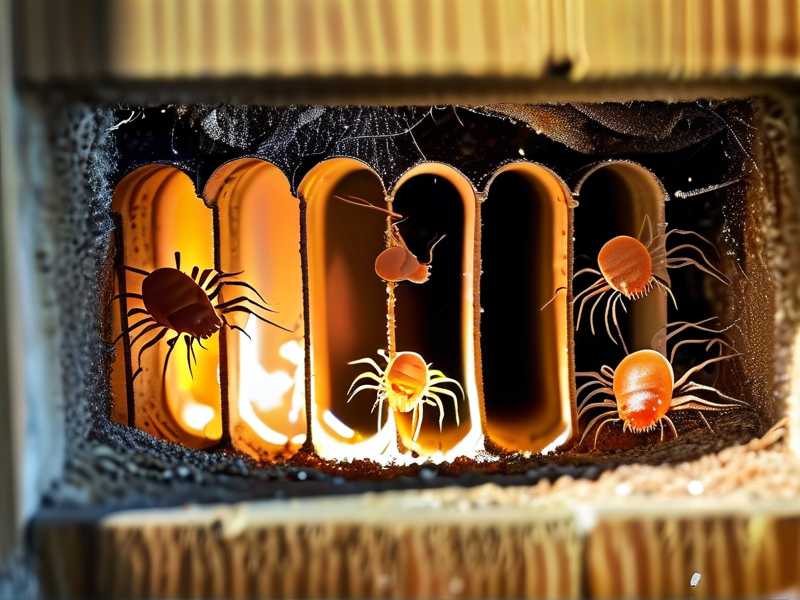
Clean your vents and filters. Dust carries mites. I vacuum my floor vents monthly now.
常见问题
Do mites come from heating vents themselves? Not exactly. Vents don't create mites. But they create the dry, warm conditions mites love, and dust from vents can carry them to your plants.
How often should I check my plants near vents? Every two to three days during heating season. Weekly isn't enough once the air gets dry.
Can I just use a pesticide and be done? You can, but if the environment stays dry and warm, they'll come back. Fix the conditions first, then treat.
Closing Thought
Preventing mite outbreaks near heating vents really comes down to one idea: don't let your plants sit in hot, dry, dusty air. Move them back, add humidity, keep leaves clean, and check often. I went from losing plants every winter to keeping a healthy indoor jungle for three years running. You can do the same. Start with the vent distance and the weekly leaf wipe, and you'll be ahead of 90 percent of plant owners out there.