admin
admin How to Remove Scale Nymphs Inside Braided Money Tree Stem Crevices
If you've spotted tiny, pale specks wedged deep in the tight gaps where your braided money tree's trunks twist together, you're dealing with scale nymphs — and they're honestly one of the trickiest pests to evict. I've fought this exact battle twice, and the second time I finally cracked the code. In this guide, I'll show you how to remove scale nymphs inside braided money tree stem crevices without harming the plant, using tools you almost certainly already own.
The short answer: those crevices are a perfect hiding spot because sprays can't reach them. You need a two-part attack — mechanical removal (a soft brush, cotton swabs, and a toothpick) plus a follow-up treatment with diluted isopropyl alcohol or insecticidal soap, repeated every 5–7 days for at least two weeks to catch newly hatched crawlers.
Why Scale Nymphs Love Those Stem Crevices
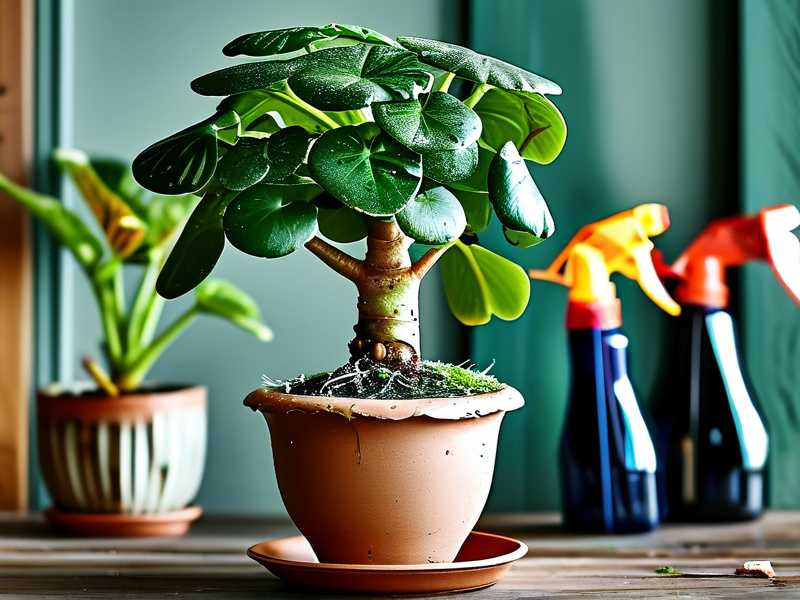
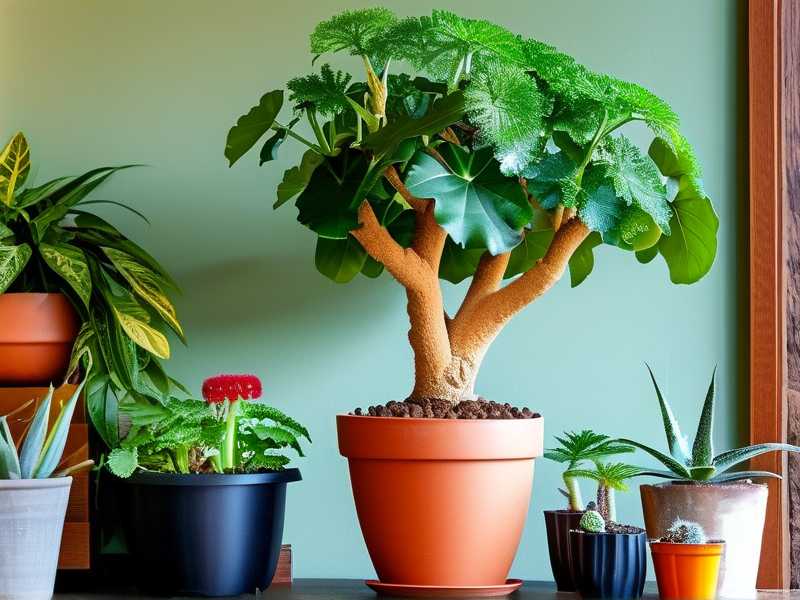
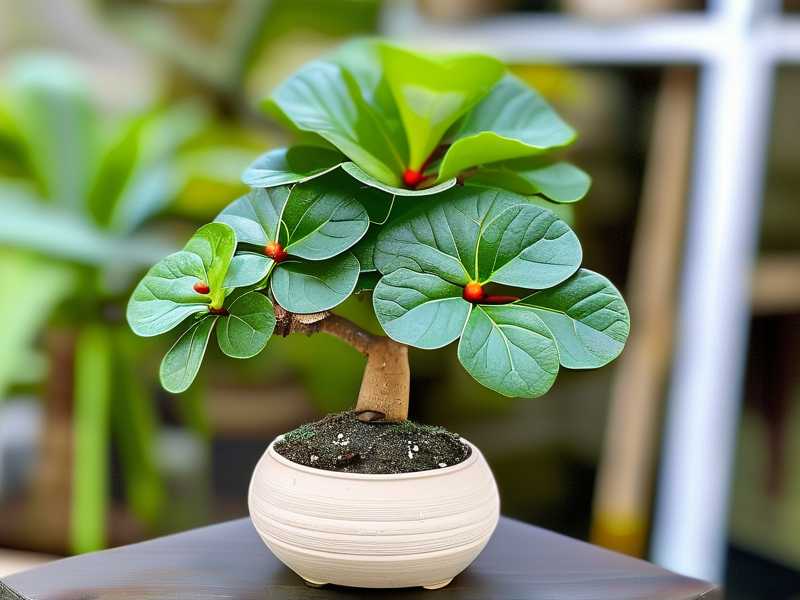
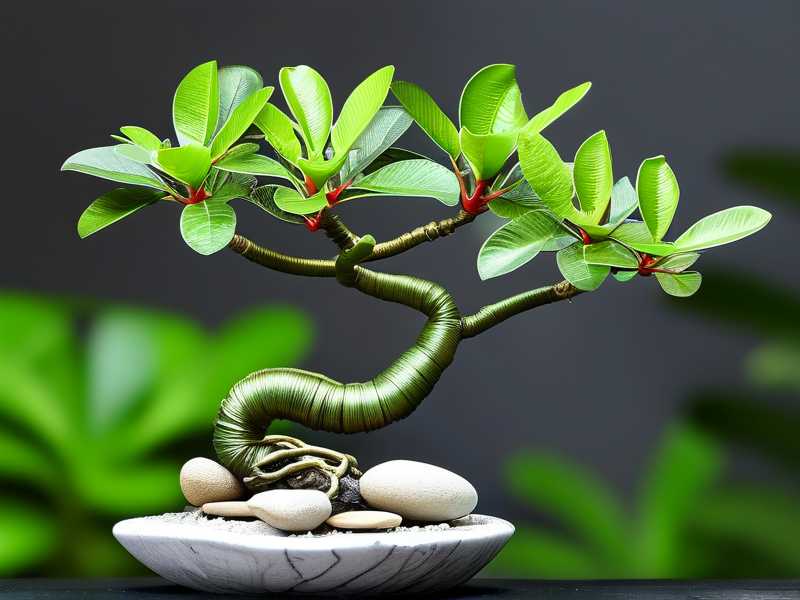
Braided money trees (Pachira aquatica) are grown by weaving three or more young trunks together while they're still flexible. That braiding creates narrow, humid channels where light barely reaches.
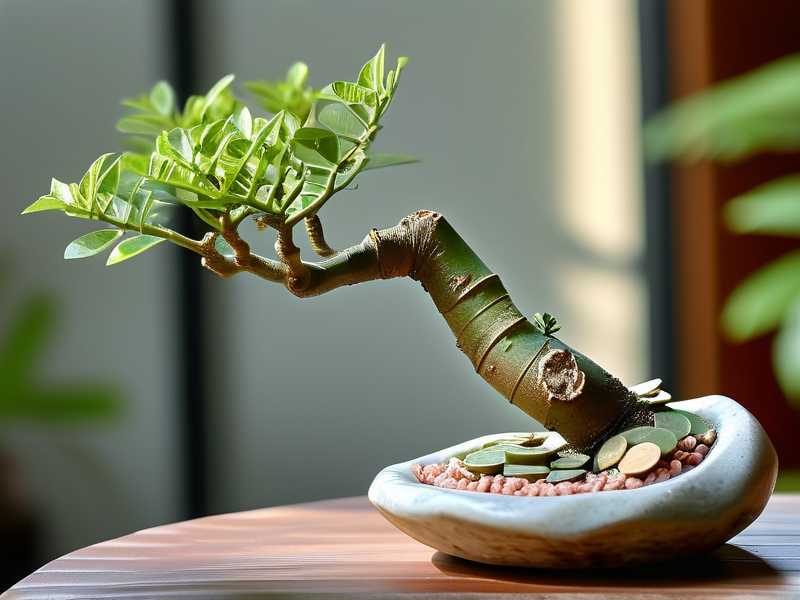
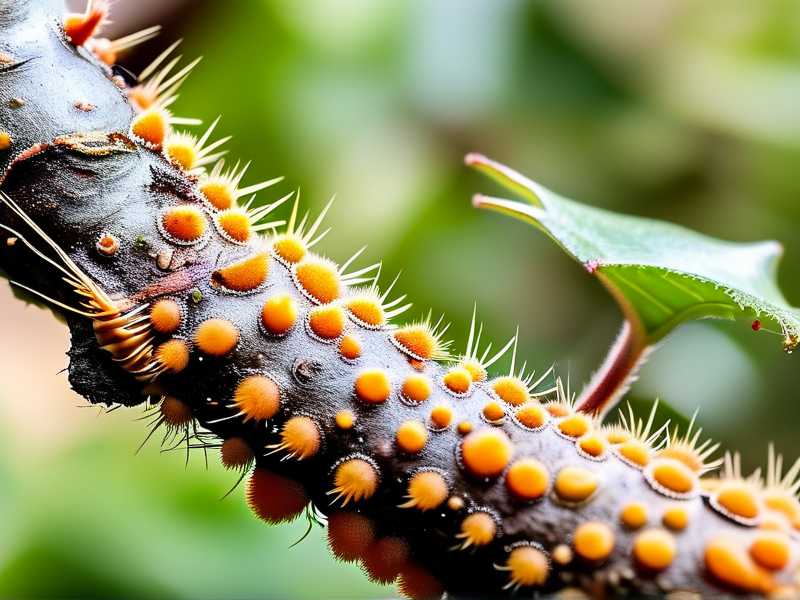
Scale nymphs — the immature "crawler" stage of scale insects — are tiny, often under 1mm, and pale yellow or translucent. They crawl into those cracks because the microclimate is warm, sheltered, and safe from most insecticide sprays.
By the time you notice them, a colony is usually already established in at least two or three crevices. I learned this the hard way. My first money tree looked fine on the surface, but when I peeled back a loose bit of bark near the braid, there were dozens of them lined up like tiny grains of rice.
According to the RHS, scale insects on indoor plants are notoriously persistent because their waxy outer coating shields them from many contact treatments. The AHS adds that early intervention is far more effective than waiting until the infestation spreads.
The Tools I Actually Use (And What I Stopped Using)
Here's the kit that worked for me, sitting on my kitchen counter right now:
- Soft-bristle toothbrush (a baby toothbrush is ideal — the bristles are gentler)
- Pointed cotton swabs (the tight ones, not the fluffy cosmetic kind)
- Wooden toothpicks (for the deepest, narrowest gaps)
- 70% isopropyl alcohol in a small spray bottle
- Insecticidal soap or neem oil for follow-up
- A magnifying loupe or your phone's macro mode
- Paper towels and a bowl of lukewarm water
What I stopped using: heavy horticultural oils applied directly into the braid. On my second plant, the oil pooled in the crevices and caused bark rot within a week. That was a painful lesson.
Step-by-Step: How I Removed Scale Nymphs From the Crevices
Do this in the morning so any moisture has time to evaporate before evening.
Step 1: Isolate the plant. Move it at least 6 feet away from your other houseplants. Scale crawlers can hitch a ride on a breeze or a watering can.
Step 2: Wipe the surface first. Dampen a paper towel with lukewarm water and gently wipe down the visible trunks. This removes honeydew — the sticky, sweet residue scale insects produce — so you can actually see what you're dealing with.
Step 3: Work the crevices with a dry tool first. Use the toothpick or a dry cotton swab to loosen the nymphs from the crack. Don't dig aggressively. I made that mistake once and scraped a patch of bark off my healthiest trunk. The nymphs came back there within ten days.
Step 4: Follow with an alcohol-dipped swab. Dip a fresh cotton swab in 70% isopropyl alcohol and run it along the inside of each crevice. The alcohol dissolves the waxy coating and kills nymphs on contact. You'll see them turn from pale to slightly brown — that means it's working.
Step 5: Spray the braid lightly. Hold your spray bottle 6–8 inches away and mist the entire braided section. Don't soak it. You want a light, even film, not drips running down the trunk.
Step 6: Let it dry completely. This is non-negotiable. I once rushed this step and left the plant in a humid bathroom. Two crevices developed soft, dark spots — early rot.
Step 7: Repeat every 5–7 days for two weeks. Scale nymphs hatch in waves. One treatment kills the active crawlers but misses the eggs. I marked my calendar with three follow-up dates, and by day 14, I couldn't find a single live nymph under my loupe.
My Two-Week Observation Log
Day 1: After the first treatment, I counted roughly 30–40 nymphs across four crevices. Three hours later, most had browned and shriveled.
Day 4: I found 6–8 new crawlers near the base of the braid. This confirmed the hatching wave pattern.
Day 7: Second treatment. Only a handful remained. The bark looked healthy — no discoloration.
Day 10: Found 2 nymphs in a crevice I'd missed the first time. This is why the toothpick matters.
Day 14: Zero live nymphs. I kept checking every three days for another two weeks and saw nothing.
The Three Mistakes That Kill Most Money Trees (And Make Scale Worse)
I've killed my fair share of plants. Here's what I've learned the hard way.
Mistake 1: Overwatering. This is the big one. You've probably heard it before, but it bears repeating: 90% of indoor plants die from overwatering. Wet soil weakens the plant's natural defenses, and stressed plants attract pests. Scale nymphs multiply faster on a struggling money tree. Water only when the top 2–3 inches of soil are dry. I use a wooden skewer to check — if it comes out clean, it's time to water.
Mistake 2: Wrong light. Money trees want bright, indirect light. I once parked mine in a dim corner because I thought "low maintenance" meant "low light." It dropped leaves within three weeks, and the scale infestation exploded. These plants need consistent, filtered brightness to stay vigorous.
Mistake 3: The wrong pot. A pot without drainage holes is a death sentence. Water sits at the bottom, roots rot, and the whole plant becomes a magnet for pests. I switched all my money trees to terracotta or ceramic pots with a drainage hole and a saucer. The difference in plant health was obvious within a month.
Preventing Scale Nymphs From Coming Back
Once you've cleared the crevices, stay vigilant. Scale crawlers are tiny and easy to reintroduce.
- Check new plants before bringing them home. Quarantine them for two weeks.
- Wipe down the braided trunk with a damp cloth every time you water.
- Inspect the crevices monthly with a flashlight or your phone's macro lens.
- Keep humidity moderate — not soggy. A small hygrometer helps.
- Avoid overcrowding plants. Good airflow makes it harder for crawlers to spread.
I also started using a preventive neem oil spray once a month during spring and summer. It's not a cure-all, but it's kept my current money tree clean for over a year.
What About Beneficial Insects?
If you're dealing with a heavy infestation and you're comfortable with it, predatory mites or lacewing larvae can help. But honestly, for indoor money trees, manual removal plus alcohol swabs is more practical. Beneficial insects are hard to keep contained in a living room, and they don't reach deep into braided crevices any better than a toothpick does.
Frequently Asked Questions
Can I use rubbing alcohol straight from the bottle?
Yes, 70% isopropyl alcohol is safe for spot treatment on money tree bark. Just don't drench the soil with it. I apply it with a cotton swab for precision and only spray lightly on the surface.
How do I know if the nymphs are actually gone?
Use a magnifying loupe or your phone's macro camera. Look for any movement or pale specks. If you see nothing for two full weeks after your last treatment, you're likely clear. Keep checking monthly.
Will scale nymphs come back if I miss one treatment?
Almost certainly. Missing a single follow-up gives the next hatching wave a free pass. Set reminders on your phone. The two-week repeat schedule is what finally worked for me after months of frustration.
Final Thoughts
Dealing with scale nymphs in braided money tree crevices is tedious, but it's absolutely doable. The key is patience, precision tools, and a consistent two-week treatment schedule. I went from wanting to toss my plant in the bin to watching it push out new growth six months later. If you stick with it — and avoid the three classic mistakes — your money tree can recover fully and stay pest-free for years.