admin
admin How to Save a Money Tree After Repeated Pest, Fungal, and Disease Stress Cycles
If your money tree looks like it has been through a war, you are not alone. I have watched a Pachira aquatica drop nearly every leaf after spider mites, then root rot, then a fungal leaf spot hit it in the same season. The fastest way to save a money tree after repeated pest-fungal-disease stress cycles is to stop all feeding, isolate the plant, flush the soil, remove damaged tissue, and rebuild the root zone slowly over 14 days. I know that sounds like a lot. Stick with me, because the order matters more than the products you buy.
The mistake I made for years was treating each problem as a separate event. Mites show up, I spray. Fungus appears, I spray something else. But repeated stress cycles are not three problems. They are one weakened plant that never got a real recovery period. That is the shift in thinking that finally turned things around for me.

Why Repeated Stress Cycles Hit Money Trees Harder Than Most Houseplants
Money trees store water in their thick trunks. That adaptation helps them survive drought. It also means they are slow to show stress and slow to recover. By the time you see yellow leaves or webbing, the plant has usually been struggling for weeks.
Every pest infestation forces the plant to spend energy on defense. Every fungal outbreak damages leaf tissue that cannot photosynthesize. When these overlap, the plant runs out of reserves. That is when you see the classic signs of a money tree in decline: soft brown stem patches, leaf drop from the bottom up, and new growth that shrivels before it opens.
According to the RHS, stressed indoor plants are far more susceptible to secondary infections because their natural defenses are already depleted. The AHS makes a similar point about root health driving overall plant resilience. I learned this the hard way. Healthy roots, healthy plant. Everything else is downstream.
My 14-Day Recovery Plan That Actually Worked
I have used this sequence on three money trees now. Two survived. One did not, and I will tell you why later so you can avoid my mistake.
Day 1-2: Stop Everything and Assess
First, stop fertilizing. Stop misting. Stop moving the plant around. Repeated stress cycles are often made worse by well-meaning intervention. I used to fertilize a struggling plant because I thought it needed a boost. That is like giving a sick person a marathon to run.
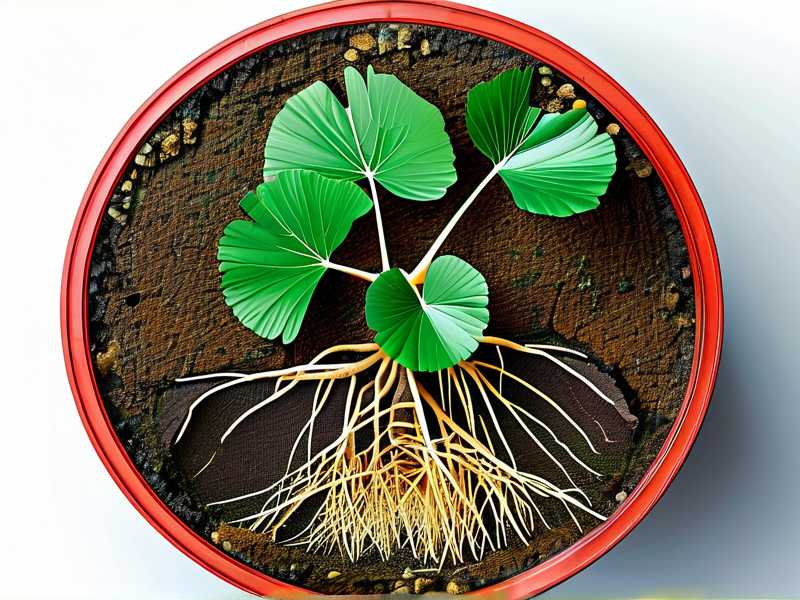
Take the plant out of its pot if you can do it without tearing roots. Look at the root ball. Healthy roots are firm and pale. Rotten roots are mushy, dark, and smell like a swamp. I gag every time. If more than a third of the roots are rotten, you are in rescue mode, not maintenance mode.
Day 3-5: Flush and Clean
Flush the soil with room-temperature water. Run it through until it drains freely. This pushes out salt buildup from old fertilizer and some of the fungal spores sitting in the top layer.
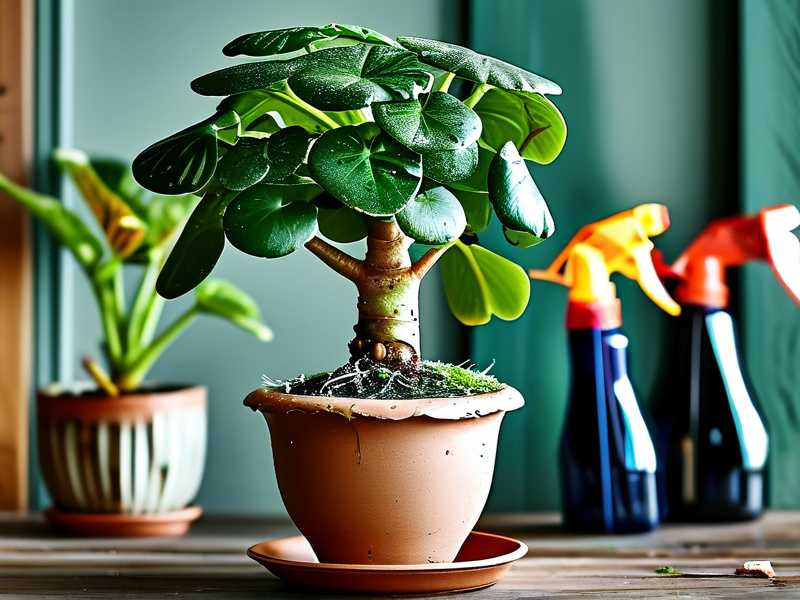
While the soil drains, clean the leaves. I use a soft microfiber cloth and plain water. For pests, I mix a few drops of castile soap in a spray bottle. Spray the undersides of leaves first. That is where mites and mealybugs hide. Wait ten minutes, then wipe everything down.
Prune anything that is clearly dead. Brown, crispy leaves. Black spots on stems. Do not cut into healthy green tissue just because it looks a little sad. The plant needs every bit of photosynthesis it can get.
Day 6-10: Rebuild the Root Zone
Repot into fresh, well-draining soil. I use a mix of two parts potting soil, one part perlite, and one part orchid bark. Money trees hate sitting in dense, wet soil.
Choose a pot with drainage holes. This is non-negotiable. I once used a beautiful ceramic pot with no holes because it looked good on my shelf. That plant died in three weeks. The roots sat in water and rotted from the bottom up.
Water once after repotting. Then do not water again until the top two inches of soil are dry. I check with a wooden chopstick. Push it in, pull it out. If it comes out clean, water. If it has soil stuck to it, wait.
Day 11-14: Observe and Resist the Urge to Fiddle
This is the hardest part. You will want to check for new growth every hour. Do not. Let the plant settle.
During my last rescue, I saw the first tiny new leaf bud on day 12. It was barely visible. By day 14, it had opened into a pale green leaf about the size of a thumbnail. That was my signal that the plant was stabilizing.
If you see new damage during this window, treat it. But do not assume every small spot is a new infection. Some old damage will continue to look worse before it looks better.
The 3 Mistakes That Kill Most Money Tree Rescues
I have made all three of these. More than once.
Mistake 1: Overwatering
90% of indoor plants die from overwatering. I know that stat gets thrown around a lot. But after killing six or seven plants myself, I believe it.
Money trees are not swamp plants. They want moisture, not saturation. When the plant is already stressed, overwatering is like pouring gasoline on a fire. The roots cannot absorb water efficiently, so the soil stays wet longer. Fungus loves that.
I water my money tree every 10 to 14 days in summer and every 3 to 4 weeks in winter. That is for my conditions. Yours will vary based on light, humidity, and pot size.
Mistake 2: Light Misplacement
Money trees want bright, indirect light. Not direct sun. Not a dark corner.
I once put a recovering money tree in a south-facing window because I thought more light meant faster recovery. The leaves scorched within two days. The plant dropped half its remaining foliage.
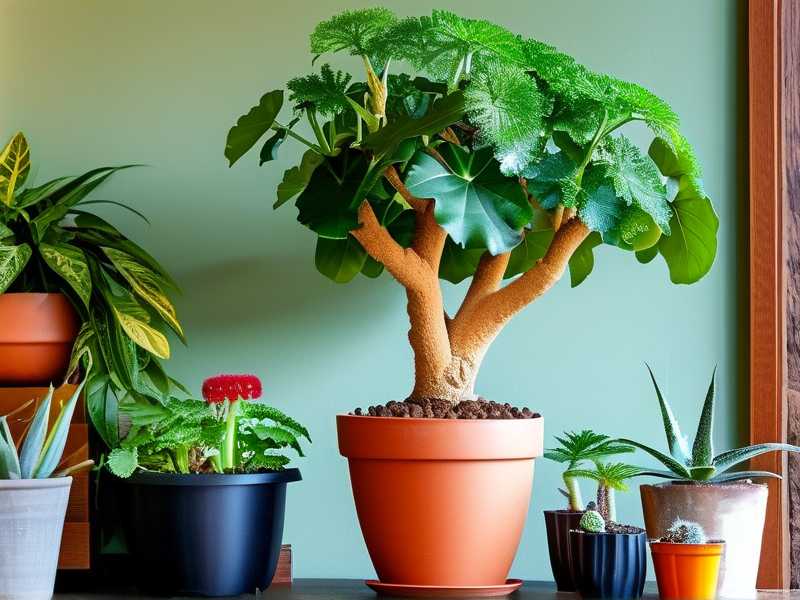
Now I use a spot about four feet back from an east-facing window. It gets soft morning light and bright shade the rest of the day. That has been the sweet spot for my plants.
If you do not have good natural light, a grow light works. Keep it 12 to 18 inches above the canopy and run it 10 to 12 hours a day.
Mistake 3: Wrong Pot
This one is sneaky. The wrong pot can look right.
A pot that is too large holds too much soil. That soil stays wet for too long. A pot with no drainage is a death sentence. A pot that is too small constricts roots and dries out too fast.
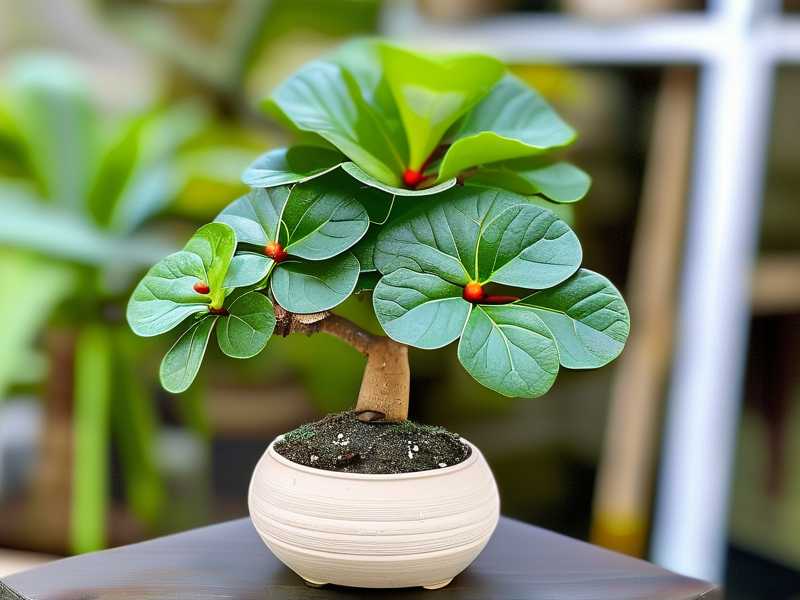
I use a pot that is only one to two inches wider than the root ball. Terra cotta is great because it wicks moisture. Plastic is fine if it has drainage and you are careful with watering.
What I Learned After Losing a Money Tree to This Exact Problem
I want to tell you about the one I lost. It was a beautiful plant, about four feet tall. It had been through spider mites in spring, leaf spot in summer, and then root rot in fall. I did everything I just described. Flushed, pruned, repotted.
But I repotted too soon. The plant was still fighting the fungal infection. The stress of repotting pushed it over the edge. It dropped every leaf in a week. The trunk went soft. Game over.

The lesson? Sometimes you have to stabilize the plant before you repot. If the roots are not actively rotting, wait until the plant shows one or two new leaves before you disturb the root ball. That is a hard-won piece of advice.
FAQ
How long does it take a money tree to recover from pest and fungal stress?
With the 14-day plan, you should see signs of stabilization, like new leaf buds or firm stems, within two to three weeks. Full recovery can take two to three months. I have had plants that took a full season to look normal again.
Can I use neem oil and fungicide at the same time?
I would not. Neem oil can burn stressed leaves. Fungicide can stress roots. Treat one problem at a time. Start with pest control if you see active insects. Wait a week, then address fungus if it is still spreading.
Should I fertilize a money tree that is recovering from stress?
No. Not until you see at least two new healthy leaves. Fertilizer salts can burn compromised roots. I wait a full month after recovery signs appear, then use a diluted liquid fertilizer at half strength.
Saving a money tree after repeated pest-fungal-disease stress cycles is not about one magic product. It is about giving the plant a quiet, stable environment and letting it do what it does best. Stop the cycle. Flush the soil. Fix the light. Use the right pot. Then wait. That is the whole game.