admin
admin How to Cure Slow Money Tree Decline from Mold-Spore-Contaminated Pot Soil
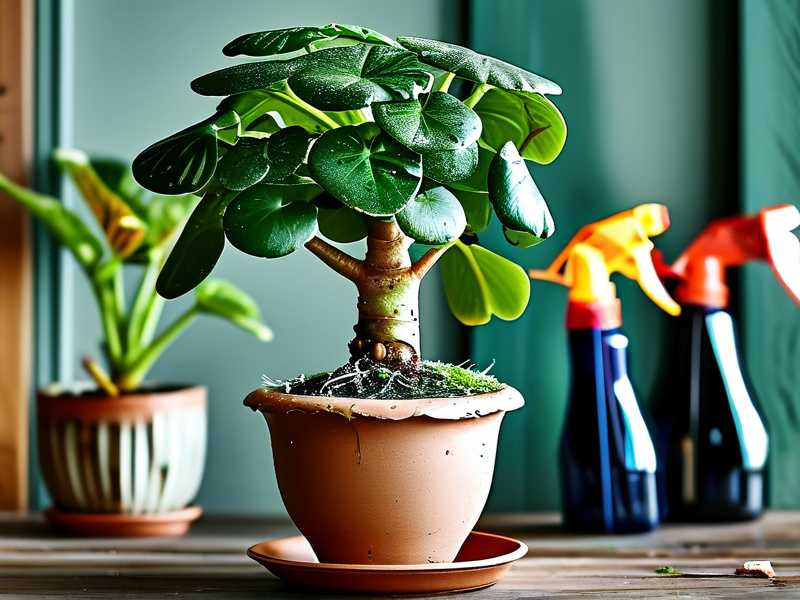
If your money tree is dropping leaves one by one, growing slower than a snail, and the soil smells like a damp basement, you are probably dealing with mold-spore-contaminated pot soil. I have been there. The fix is simpler than you think: stop watering on a schedule, repot into fresh breathable mix, and treat the roots before the mold wins. I saved my fourth money tree this way in exactly two weeks, and I will walk you through every step I took, including the mistakes that killed the first three.
Let me be honest with you. I killed three Pachira aquatica before I figured this out. The first one drowned quietly. The second got crispy under a grow light. The third sat in a decorative pot with no drainage holes, and by the time I noticed the mold, the trunk was already soft. My fourth tree started showing the same decline, and that is when I finally slowed down and did the work.
Why Moldy Soil Makes Money Trees Decline So Slowly
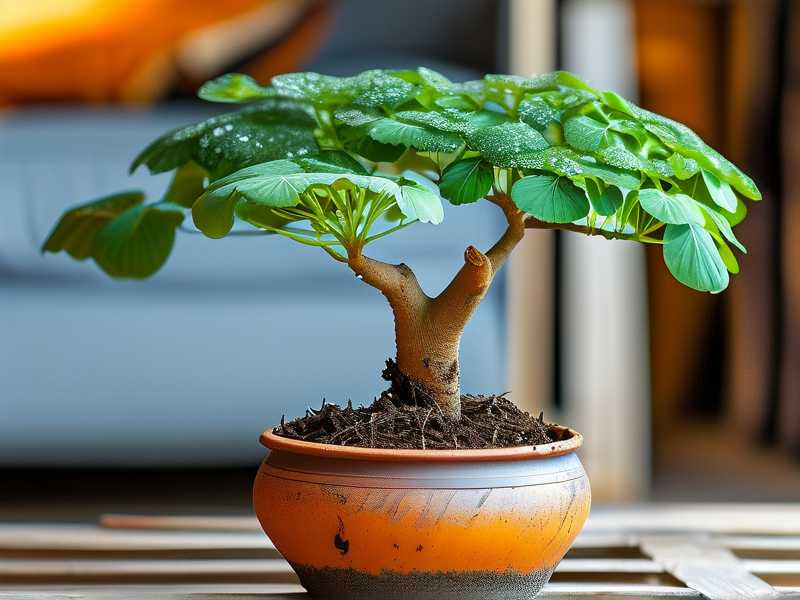
Money trees do not crash overnight. They fade. That is what makes this problem so frustrating for beginners.
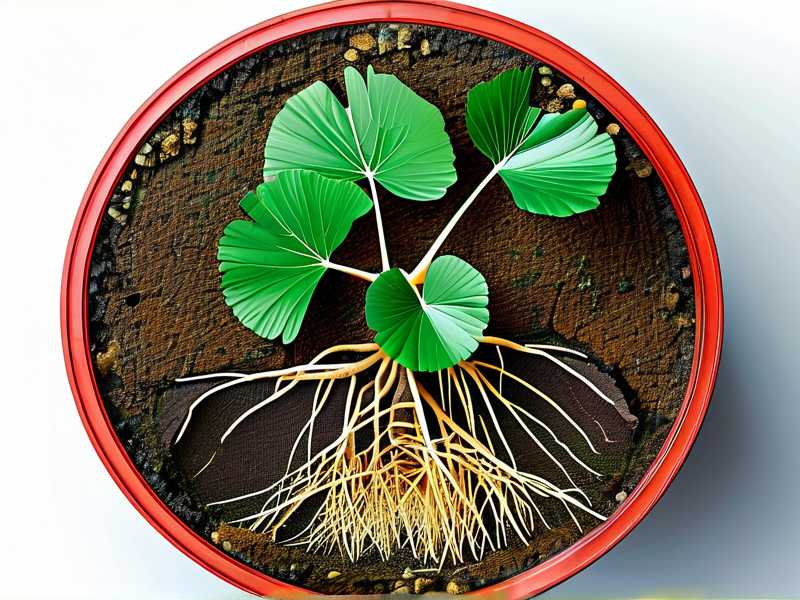
The mold itself is usually a symptom, not the root cause. Fungal spores love consistently wet, airless soil. Once they colonize the pot, they coat root surfaces and block the uptake of water and nutrients. Your plant is technically sitting in water, but it is dying of thirst.
The Royal Horticultural Society points out that most root and stem rot in houseplants is triggered by overwatering and poor drainage, not by the fungus alone. Same story from the American Horticultural Society: healthy roots need oxygen, and soggy soil suffocates them. I will link both for reference because their guides saved me more than once.
Here is the number that changed how I water everything: 90% of indoor plants die from overwatering. Not underwatering. Not bad luck. Overwatering. I used to think I was being caring. I was drowning them.
My 2-Week Recovery Timeline (What Actually Happened)
Week 1, days 1 to 3: I unpot the tree. This is the scary part. I knock off all the old soil, rinse the roots under room-temperature water, and cut away anything brown, mushy, or smelling sour. I use clean scissors wiped with rubbing alcohol.
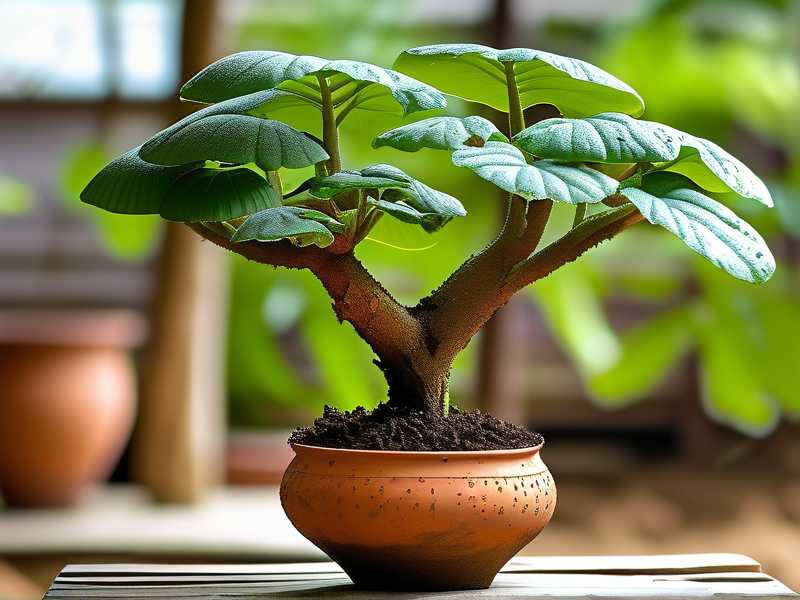
Week 1, days 4 to 7: I repot into a terracotta pot one size up, not two. Fresh mix: two parts potting soil, one part perlite, one part orchid bark. No mold spores, no compacted peat. I water once, thoroughly, until it drains out the bottom.
Week 1, days 8 to 14: I do not water again. Not once. I check the soil with a wooden skewer every morning like a paranoid plant parent. Still damp at day 10. Still slightly cool at day 13. That is normal after a repot.
Week 2, days 15 onward: New growth. Tiny, pale green nubs near the top. The remaining leaves stop yellowing. The soil surface stays dry, and no white fuzz returns. Two weeks after the repot, the tree is not thriving yet, but it is clearly not dying.
That is the honest timeline. No miracle spray. No overnight fix.
The 3 Beginner Mistakes That Keep Mold Coming Back
Mistake 1: Watering on a Schedule
I used to water every Sunday. Every single Sunday. That is the fastest way to grow mold.
Your money tree does not care what day it is. It cares whether the top two inches of soil are dry. In winter, that might take three weeks. In summer, seven days. Stick your finger in. Or use a moisture meter. Just stop guessing.
Mistake 2: Wrong Light, Wrong Place
I put my second money tree in a dark corner because someone told me it was a low-light plant. It survived for months, then declined. Weak light means slow growth, wet soil that never dries, and mold that never stops.
Money trees want bright, indirect light. A few feet back from a south or east window is ideal. Direct afternoon sun will scorch the leaves in a hot climate. In the UK or Canada, a sunny windowsill is often perfect.
Mistake 3: Using the Wrong Pot
This one hurts because it looks so good. Decorative pots with no drainage holes are plant killers. Water pools at the bottom, roots sit in it, mold blooms, done.
I only use pots with drainage holes now. If I want a decorative outer pot, I keep the nursery pot inside it and empty the outer pot after watering. And yes, terracotta dries faster than plastic, which helps a lot when you are fighting moisture-loving spores.
My Repotting Setup (What I Use and Why)
You do not need fancy gear. You need airflow and drainage.
- A terracotta or unglazed ceramic pot with a drainage hole.
- Chunky mix: standard potting soil, perlite, and orchid bark.
- Sharp, clean scissors or pruners.
- A wooden skewer or moisture meter.
- A watering can with a narrow spout.
One more thing. I stopped using self-watering pots for money trees. They keep the soil consistently moist, which is exactly what mold loves. I know they are convenient. I also know they killed one of my plants.
How I Treat Mold in the Soil Without Harsh Chemicals
I do not reach for fungicide first. Most common soil mold on houseplants is harmless to humans and manageable with cultural changes.
Step 1: Scrape off the top inch of soil. That is where the fuzz lives.
Step 2: Let the soil dry out more than you think is safe. For a money tree in moderate light, that might be 10 to 14 days.
Step 3: Improve airflow. A small fan on low, pointed near but not at the plant, makes a huge difference. I run mine for a few hours a day.
Step 4: If mold returns, repot with fresh mix. Do not just add cinnamon or peroxide and hope. I tried cinnamon. It smelled nice. The mold came back.
A Quick Word on Cinnamon and Hydrogen Peroxide
I know these are popular internet fixes. I tried both.
Cinnamon did nothing for me except make the soil smell like a bakery. Hydrogen peroxide diluted with water helped a little on surface mold, but it did not fix the underlying wet-soil problem. The RHS recommends improving drainage and watering habits first, and I agree.
If you want to try peroxide, use one part 3% hydrogen peroxide to four parts water, and only on the top layer. Do not soak the roots. But honestly, repotting is faster and more reliable.
Signs Your Money Tree Is Actually Recovering
Do not expect a full leaf flush in week one. Look for small wins.
- The yellowing stops spreading to new leaves.
- The trunk feels firm, not squishy.
- The soil surface dries within a reasonable time.
- Tiny new growth appears near the top or along the trunk.
- No white or gray fuzz returns after two weeks.
If the trunk is soft and brown all the way through, the plant is probably past saving. I have lost one that way. It happens. Learn and move on.
Frequently Asked Questions
Can I reuse the old moldy soil?
No. I used to think baking it or mixing it with fresh soil would work. It does not. Spores survive, and you risk reinfecting the new pot. Toss it in the trash, not the compost, unless you have a hot compost system.
Should I mist my money tree?
Please do not. Misting raises humidity for a few minutes and adds moisture to the leaves and soil surface. That is mold heaven. If you want higher humidity, use a pebble tray or a small humidifier nearby.
How often should I water after repotting?
Wait until the top two inches are dry. In a chunky mix, that might be 10 to 14 days in moderate light. In winter, even longer. I water thoroughly until it drains, then I wait again. No schedule. Just your finger.
A Final Note from Someone Who Killed Three Trees
I get it. You want a simple answer. The simple answer is this: mold in the soil is a moisture problem, not a mold problem. Fix the moisture, and the mold cannot survive.
Repot with drainage. Water less. Give it bright, indirect light. Be patient for two weeks. That is the whole cure.
I still check my money tree every morning with a skewer. It is a habit now. And my current tree, the fourth one, has been with me for over a year. It is not the biggest or the prettiest. But it is alive, and that feels like a win.