admin
admin How to Stop Bacterial Leaf Spot Spread From Old Infected to New Money Tree Leaves
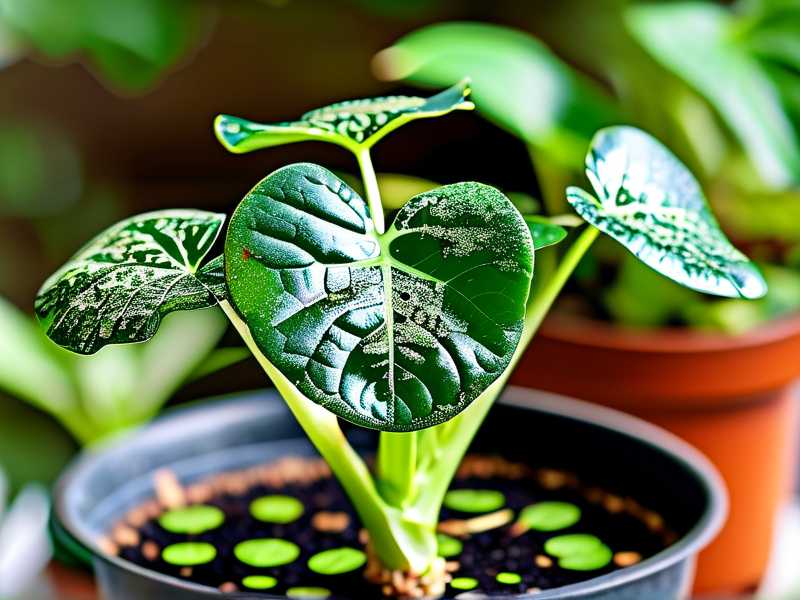
If you are staring at yellow-brown spots creeping from an old money tree onto fresh new leaves, here is the short answer: stop misting, isolate the plant, remove every infected leaf with sterilized scissors, water only when the top two inches of soil are dry, and improve airflow immediately. Bacterial leaf spot spreads through water, so every splash, every mist droplet, and every wet pruning cut is a highway for the bacteria. I learned this the hard way after watching a beautiful five-year-old money tree infect three new offshoots in under two weeks. The fix took patience, but the new leaves finally came out clean.
I am not a botanist. I am a home gardener who has killed more plants than I care to admit. Money trees, though, are forgiving once you understand what they actually want. So let me walk you through exactly how I stopped bacterial leaf spot from spreading from old infected leaves to new growth, step by step, with the mistakes I made along the way.
The Real Culprit Behind Most Money Tree Problems
Before we talk bacteria, we need to talk water. You have probably heard this a hundred times, but it matters here more than anywhere: 90% of indoor plants die from overwatering. That number comes from years of horticultural observation, and it shows up in almost every sick money tree I have ever rescued.
Overwatering does two terrible things. First, it weakens the roots, which lowers the plant's natural defenses. Second, it keeps the foliage humid, which is exactly what bacterial leaf spot needs to spread. The bacteria, usually a species of Xanthomonas or Pseudomonas, hitchhikes on water films. One splash from an infected leaf to a healthy new leaf, and the cycle starts again.
So when people ask me how to stop bacterial leaf spot from spreading, my first answer is never about sprays or chemicals. It is about water discipline. Get that right and you are already halfway there.
My Two-Week Observation Diary
I want to be specific here because vague advice drives me nuts. When I dealt with this on my own money tree, I kept a simple notebook. Here is what actually happened.
Day 1 to 3: I removed seven infected leaves. I used rubbing alcohol to sterilize my scissors between every single cut. I also stopped misting completely, which felt wrong because every care guide tells you money trees love humidity. They do, but not wet leaves.
Day 4 to 7: I saw two more small spots appear on a leaf I thought was clean. I removed it immediately. I also moved the plant away from my other houseplants, about six feet away, because bacteria can travel on hands, tools, and even drifting water droplets.
Day 8 to 10: No new spots. I watered only when a wooden skewer inserted into the soil came out dry. That was roughly every eight days instead of my old every-four-days habit.
Day 11 to 14: Two brand-new leaves unfurled. I held my breath. They came out solid green with no spotting. That was the moment I knew the spread had stopped.
Two weeks is not a magic number. Some cases take longer. But if you see clean new growth within that window, you are on the right track.
The Three Deadly Beginner Mistakes That Make It Worse
I have made every one of these. Let me save you the trouble.
Mistake One: Overwatering
This is the big one. I used to water my money tree every Sunday like clockwork. It seemed tidy and responsible. It was actually slow murder. The soil stayed damp, the roots suffocated, and the bacteria had a permanent wet runway from old leaves to new ones. Now I water based on soil dryness, not the calendar.
Mistake Two: Wrong Light
Money trees do not want direct afternoon sun. They also do not want a dark corner. I once put mine in a south-facing window thinking more light meant more health. The leaves scorched, the plant stressed, and stressed plants catch everything. The sweet spot is bright, indirect light. A few feet back from an east or west window works well for me.
Mistake Three: The Wrong Pot
I kept my money tree in a decorative pot with no drainage holes for two years. Every time I watered, a little water pooled at the bottom. The roots sat in it. When I finally repotted, the lower roots were brown and mushy. No wonder the plant could not fight off bacteria. Always use a pot with drainage holes, and always empty the saucer after watering.
How Bacterial Leaf Spot Actually Spreads
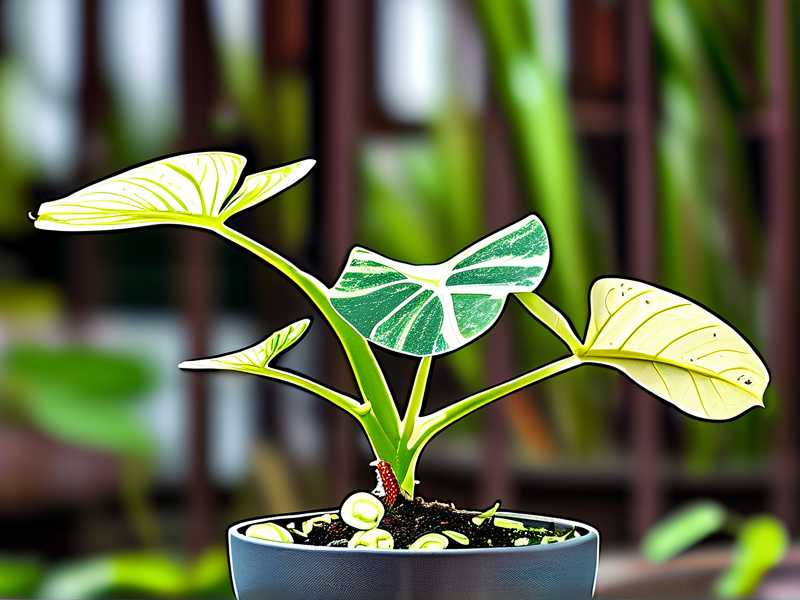
Understanding the mechanism helps you block it. The bacteria live in the infected leaf tissue and in the sticky ooze you sometimes see on the spots. When water hits an infected leaf, tiny bacterial cells splash onto nearby leaves. Pruning tools carry them too. Even your hands, if you touch a wet infected leaf and then a healthy one, can move the bacteria.
This is why misting is so dangerous. It creates the perfect splash environment. It is also why overhead watering is a bad idea indoors. Water the soil, not the leaves. I know it feels less romantic than a gentle mist, but your money tree will thank you.
A Step-by-Step Plan That Worked for Me
Here is the exact routine I followed. It is not fancy, but it worked.
First, isolate the plant. Move it away from other houseplants. I put mine in a spare bedroom for two weeks. It was not pretty, but it stopped the spread.
Second, sterilize your tools. I use rubbing alcohol and a clean cloth. Wipe the blades before every cut and between plants. This takes ten seconds and prevents a world of hurt.
Third, remove infected leaves. Cut the entire leaf, including the petiole, the little stem that attaches it to the trunk. Do not compost these leaves. Bag them and throw them in the trash. The bacteria can survive in compost.
Fourth, stop all misting and leaf-wetting. No exceptions. If you want humidity, use a pebble tray with water beneath the pot, or a small humidifier nearby. Keep the leaves dry.
Fifth, improve airflow. A small fan on low, pointed away from the plant, keeps air moving. Stagnant air is a bacterial playground.
Sixth, water properly. Check the soil with your finger or a wooden skewer. Water only when the top two inches are dry. When you water, do it thoroughly until water runs out the drainage holes, then empty the saucer.
Seventh, wash your hands. I know it sounds basic. But after touching an infected plant, wash up before you touch a healthy one. I learned this after accidentally spreading spots to a pothos. That was a sad day.
What About Treatments and Sprays?
I tried a copper-based fungicide early on. It is sometimes recommended for bacterial issues, and it may help slow the spread. But honestly, it did not fix the problem for me. The fix was cultural: less water, more airflow, clean tools, and removing infected tissue. Copper sprays can leave residue and need careful application. If you go that route, follow the label exactly. The RHS notes that good hygiene and cultural control are the first line of defense for bacterial diseases, and I fully agree.
I also tried a homemade baking soda spray. It did nothing for bacteria. Save your baking soda for cleaning your kettle.
Why New Leaves Are So Vulnerable
New money tree leaves are soft, tender, and full of moisture. They are basically a five-star hotel for bacteria. Older leaves have thicker cuticles and tougher surfaces. So when an old infected leaf splashes water onto a new leaf, the bacteria check in and stay.
This is why you have to break the water bridge. No splashing, no misting, no overhead watering. Once the new leaves harden off, usually after a few weeks, they become more resistant. But until then, keep them dry.
A Note on Plant Stress and Immunity
I have come to believe that plant health is a lot like human health. A stressed plant gets sick more easily. Stress comes from overwatering, poor light, root-bound pots, and sudden temperature changes. When I fixed the growing conditions, my money tree stopped getting sick. It was not one magic spray. It was a dozen small corrections.
The AHS has a great saying that healthy plants are the best defense against disease. I think about that every time I am tempted to over-care for a plant.
Three Common Questions I Get All the Time
Can I save a leaf that already has spots?
Probably not. Once a leaf has bacterial leaf spot, the damage is done. You can leave it if it is mostly green, but it will keep producing bacteria. I remove them. It feels harsh, but it protects the rest of the plant.
Will the spots come back after I stop them?
They can, if conditions slip. If you go back to misting or overwatering, the bacteria may return. Stay consistent. I check my money tree every few days, even now, just to catch anything early.
Do I need to throw out the soil?
Not usually. The bacteria mostly live on leaf surfaces and in infected tissue. If you remove all infected leaves and repot with fresh, well-draining soil, you should be fine. I repotted mine after the two-week isolation, and it bounced back beautifully.
Final Thoughts From Someone Who Has Been There
Stopping bacterial leaf spot from spreading from old infected leaves to new money tree leaves is not about buying the right product. It is about changing a few small habits. Keep the leaves dry. Sterilize your tools. Remove infected tissue. Water only when the soil is dry. Give the plant bright, indirect light and a pot that drains.
I wish I had known all this before I lost three new leaves to my own careless misting. But I know it now, and my money tree is thriving. Yours can too. Take it one day at a time, and do not be afraid to be a little ruthless with the scissors. Your plant will thank you with clean, glossy new leaves.