admin
admin How to Spot Sooty Mold Starting on Money Tree Stems from Pest Honeydew
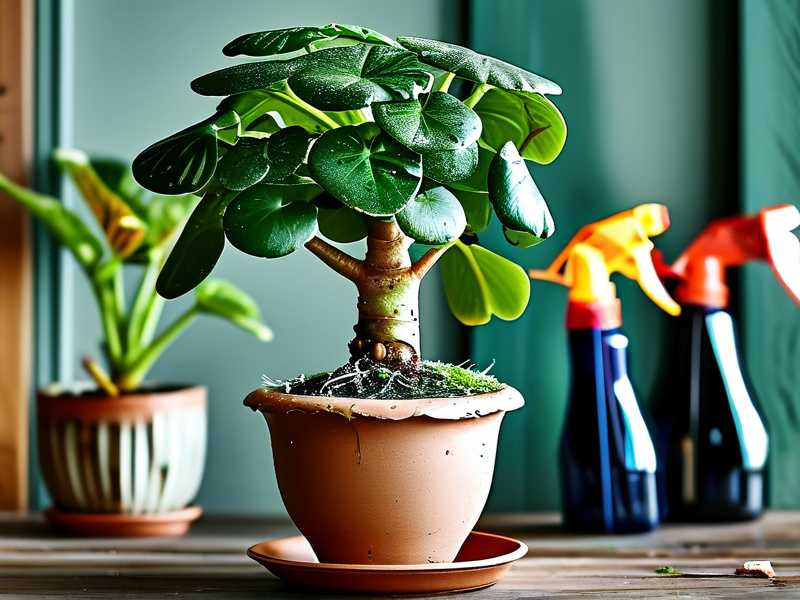
If you've noticed a strange, dark film creeping along the stems of your money tree, you're probably dealing with sooty mold starting on money tree stems from pest honeydew. I've been there, and it's frustrating. The good news? You can catch it early and fix it. I've spent the last two weeks watching one of my own money trees like a hawk after spotting the first faint signs, and I want to walk you through exactly what I saw, what I did, and what I'd tell any fellow plant parent to do next.
Here's the short answer: sooty mold itself isn't the real problem. It's a fungus that grows on honeydew, which is a sticky, sugary waste produced by pests like aphids, mealybugs, and scale. No honeydew, no sooty mold. So when you see that black stuff, your first job isn't to scrub it off — it's to find the bugs making it.
What Sooty Mold Actually Looks Like on Money Tree Stems
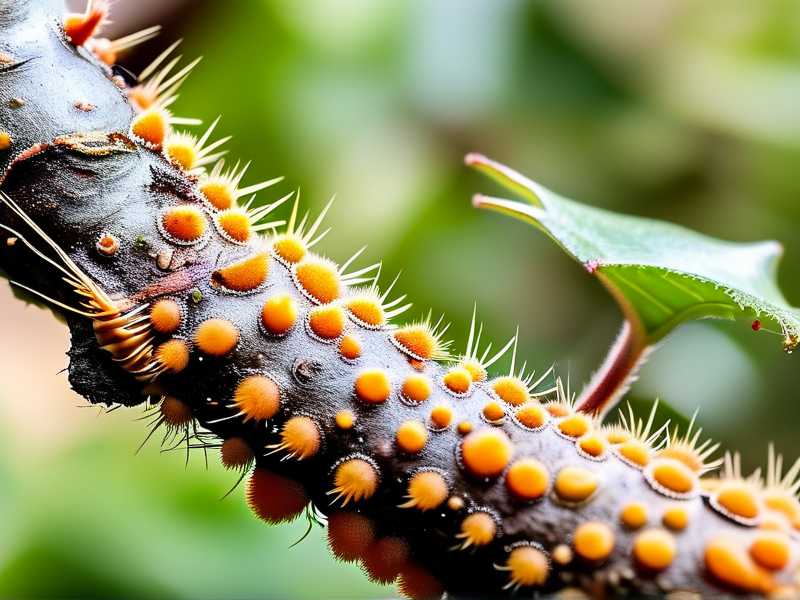
At first, it just looks like a bit of dust. I almost wiped it away with my thumb and forgot about it. But then I noticed it wasn't dry or powdery. It felt slightly tacky, almost like a thin layer of syrup that had dried on the surface.
Within a few days, that faint shadow turned into a dark, sooty patch. It wasn't shiny or raised. It looked like someone had rubbed charcoal dust along the stem.
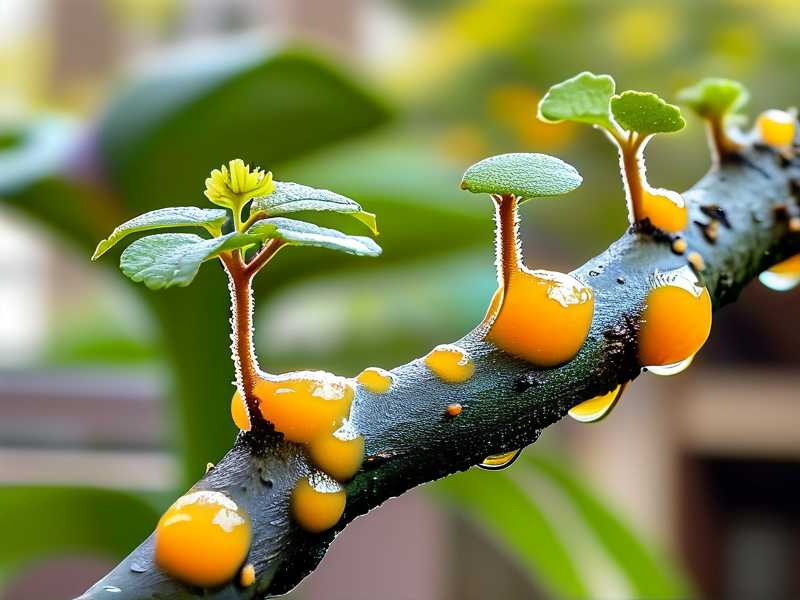
On my money tree, the mold started near the leaf nodes and the little crevices where the stems branch out. That's where honeydew tends to pool. Pests often hide in those tight spots, so the sticky stuff drips down and sits there.
I've seen this on other houseplants too. On a ficus I once owned, it looked almost black and crusty. On the money tree, it was more like a smear. Either way, if you rub it gently with a damp cloth, some of it comes off. But it comes back if you don't deal with the pests.
Why Honeydew Is the Real Clue
Honeydew is basically pest pee. Sounds gross, but that's the truth. Aphids, mealybugs, whiteflies, and soft scale insects all feed on plant sap. They can't digest all the sugars, so they excrete the excess as a sticky liquid.
That liquid falls onto leaves and stems below. Then airborne mold spores land on it and start growing. The mold doesn't eat the plant. It just sits there, blocking light and making everything look ugly.
Here's what I learned the hard way: if you only clean the mold and don't kill the pests, you'll be cleaning again next week. I tried that once. I wiped every stem with a damp cloth and thought I was done. Two weeks later, the mold was back. The pests were still there, happily making more honeydew.
So before you reach for the neem oil or fungicide, do a pest check. Look under leaves, along stems, and near new growth. Mealybugs look like tiny cotton balls. Scale looks like little brown or tan bumps that don't move. Aphids are usually green, black, or white and cluster on soft new stems.
On my money tree, I found a small colony of mealybugs hiding in the leaf axils. That was my "aha" moment.
My Two-Week Observation Diary
I want to share exactly what I did over 14 days, because I think real timelines help more than vague advice.
Days 1–3: Discovery and Isolation
I spotted the first dark smudge on a lower stem. I isolated the plant from my other houseplants immediately. Pests spread fast, and I wasn't taking chances.
I checked every leaf and stem with a flashlight. Found mealybugs on two stems. Removed them manually with a cotton swab dipped in rubbing alcohol.
Days 4–7: Cleaning and Treatment
I mixed a gentle soap solution: one teaspoon of mild liquid soap in a quart of water. I sprayed the whole plant, focusing on stems and the undersides of leaves.
Then I wiped the sooty mold off with a soft cloth. Some of it came off easily. Some stubborn patches needed a second pass. I didn't scrub hard because I didn't want to damage the stem.
I also repotted the money tree into fresh soil. The old soil was staying too wet, which I later realized was attracting pests in the first place.
Days 8–14: Monitoring and Adjusting
I checked the plant every morning. No new mold appeared. No new pests either, which was a relief.
I watered less. I let the top two inches of soil dry out completely before watering again. That alone made a huge difference.
By day 14, the stems looked clean. The plant was pushing out a tiny new leaf, which felt like a victory.
The Three Mistakes That Almost Killed My Money Tree
I've killed my fair share of houseplants. Honestly, it took me losing four or five before I really understood what I was doing wrong. Here are the three big ones that directly relate to sooty mold and pest problems.
Mistake 1: Overwatering
This is the big one. I cannot stress it enough. "90% of indoor plants die from overwatering." I read that years ago and shrugged it off. Then I killed a pothos, a fern, and two money trees before I believed it.
Overwatering doesn't just drown roots. It creates a humid, stagnant environment that pests love. Fungus gnats thrive. Mealybugs and scale seem to show up more often on stressed, overwatered plants.
Money trees are especially prone to root rot if the soil stays soggy. I now use a moisture meter and only water when it reads dry at three inches deep.
Mistake 2: Wrong Light
I used to stick my money tree in a dark corner because I thought "low light" meant "no light." That was a mistake. Money trees need bright, indirect light. Without it, they grow weak. Weak plants attract pests.
I moved mine to a spot near an east-facing window. It gets a few hours of gentle morning sun and bright shade the rest of the day. The difference in leaf color and stem strength was noticeable within a month.
If you're not sure about your light, use a light meter app on your phone. I did, and I was surprised how dark my "bright" corner actually was.
Mistake 3: Using the Wrong Pot
I once planted a money tree in a decorative pot with no drainage holes. I told myself I'd be careful with water. I wasn't. Water pooled at the bottom, roots sat in it, and the plant declined fast.
Now I always use pots with drainage holes. I also size up only one or two inches at a time. Too much extra soil holds too much moisture.
Terracotta pots are great for beginners because they wick away excess moisture. I use a mix of terracotta and plastic pots now, depending on the plant.
How to Treat Sooty Mold and Pests Step by Step
This is the routine I've settled on after years of trial and error. It works for me, and I think it'll work for you too.
Step 1: Isolate the Plant
Move it away from other plants. Pests spread. Don't risk your whole collection.
Step 2: Identify the Pest
Look closely. Use a magnifying glass if you have one. Mealybugs, scale, aphids, and whiteflies are the usual suspects. Each needs a slightly different approach, but many treatments overlap.
Step 3: Remove Pests Manually
For light infestations, a cotton swab with rubbing alcohol works great. I dab each pest and wipe it away. For heavier infestations, I use a spray bottle with the same alcohol solution, but I test it on a small leaf first.
Step 4: Clean the Mold
Mix a few drops of mild soap in a bowl of lukewarm water. Dip a soft cloth and gently wipe the stems and leaves. Don't scrub hard. You're just removing the mold so the plant can breathe and photosynthesize.
Step 5: Treat with Neem Oil or Insecticidal Soap
I alternate between neem oil and insecticidal soap. I spray in the evening, away from direct sun, to avoid leaf burn. I repeat every seven days for three weeks to catch new hatchlings.
Step 6: Adjust Care
This is the step most people skip. If you don't fix the underlying conditions, pests come back. Water less. Improve airflow. Give more light. Clean the leaves regularly.
What the Experts Say
The Royal Horticultural Society (RHS) notes that sooty mold is a secondary issue. It's a symptom, not the disease itself. They emphasize controlling the honeydew-producing insects first.
The American Horticultural Society (AHS) also points out that good air circulation and proper watering are key to preventing pest outbreaks indoors. I couldn't agree more. I've linked to both for you if you want to dig deeper.
Preventing Sooty Mold in the First Place
Prevention is honestly easier than treatment. Here's what I do now.
I inspect new plants before bringing them home. I quarantine them for two weeks. I keep leaves clean by wiping them monthly. I water based on soil moisture, not a schedule. I keep a small fan running near my plant shelf for airflow.
And I check my money tree stems every few days. Just a quick glance. It takes ten seconds. That small habit has saved me from big problems more than once.
FAQs
Can sooty mold hurt my money tree?
The mold itself doesn't feed on the plant. But it blocks light, which slows growth. The real danger is the pests causing it. If left unchecked, they can weaken and eventually kill the plant.
Does neem oil kill sooty mold directly?
Not really. Neem oil targets the pests. Once the pests are gone, the honeydew stops. Then the mold dries up and can be wiped away. Some people use a fungicide, but I've found that fixing the pest issue is enough.
How long does it take to get rid of sooty mold?
With consistent treatment, you'll see improvement in one to two weeks. I saw no new mold after about ten days. Full cleanup depends on how bad the infestation was. Be patient and keep checking.
Final Thoughts
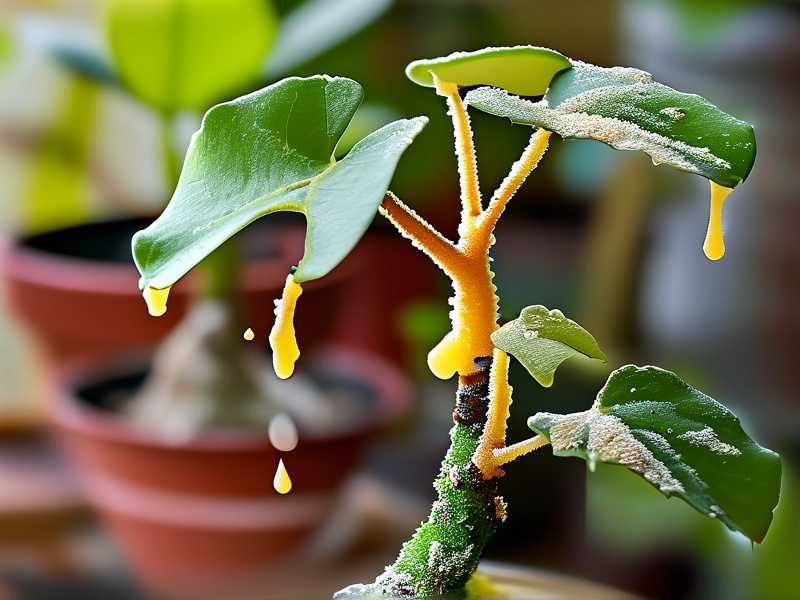
Sooty mold on a money tree isn't a death sentence. It's a signal. It's your plant telling you something is off. Listen to it. Find the pests. Fix the care routine. And don't beat yourself up if you miss the early signs. I've been there. We all have. The important thing is that you're paying attention now.