admin
admin How to Treat Soil-Borne Fungus-Reinfected Money Tree Stem Scars
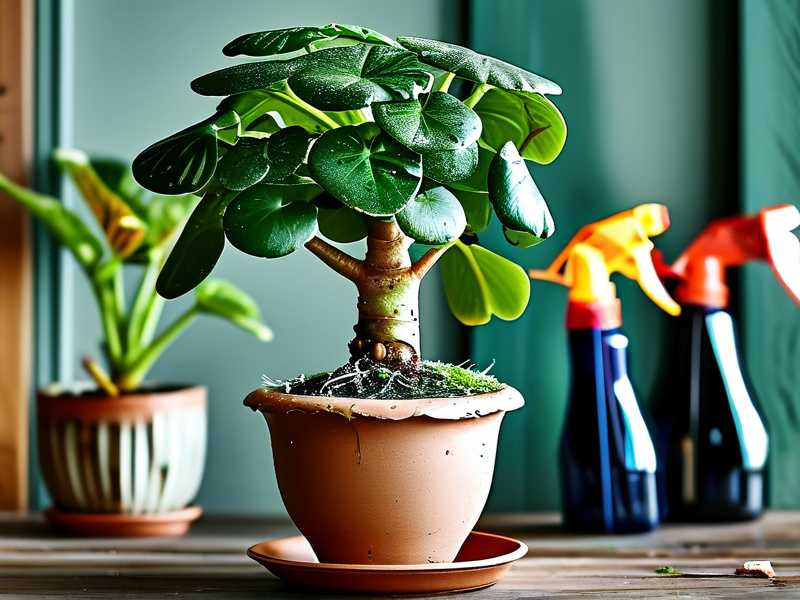
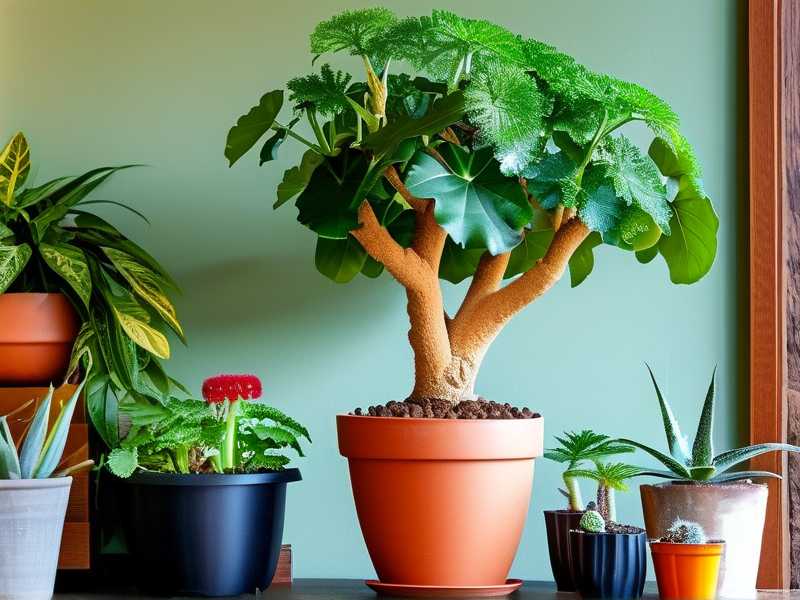
If your money tree stem scars keep getting hit by soil-borne fungus again and again, you are not alone. I went through this exact nightmare twice. The first time, I lost a five-year-old Pachira aquatica because I kept watering it like a thirsty tomato. The second time, I caught the reinfection early and saved the plant. Here is the short answer: scrape and treat the scar, replace the top 2 inches of soil, water only when the top 2–3 inches are bone dry, and keep the plant in bright indirect light. That combo stopped the fungus from coming back on my money tree within 14 days. Stick with me and I will walk you through every messy detail.
Why Stem Scars Get Reinfected in the First Place

Money tree stem scars are basically open wounds. They never fully "heal" like human skin. They stay as a weak spot in the outer tissue. Soil-borne fungus like Fusarium, Pythium, and Rhizoctonia love that weak spot. They sit in wet soil, wait for a scraped scar to stay damp, and then move in. I learned this the hard way after I repotted a money tree and buried the scar too deep. Two weeks later, the scar turned black and mushy.
RHS notes that overwatering is the number one fungal invitation for indoor tropicals. AHS adds that poor drainage turns any pot into a breeding ground. Both are right. I have seen it with my own eyes.
The Real Culprit: 90% of indoor plants die from overwatering
Let that sink in. 90% of indoor plants die from overwatering. Not from bugs. Not from low light. Water. Every single money tree stem scar reinfection I have dealt with traced back to soil that stayed wet for too long. Fungus does not need a flood. It just needs consistent moisture around a damaged scar for 48 to 72 hours. That is it.
My 14-Day Recovery Plan for a Reinfected Money Tree Stem Scar
Day 1: I unpot the tree and inspect the scar. I use a clean, sharp knife to scrape away any black or brown mushy tissue. I go until I see healthy green or white stem. Then I dust the scar with cinnamon or a copper fungicide. Cinnamon is my go-to for mild cases. Copper fungicide for aggressive reinfection.
Day 1: I mix fresh soil. My recipe is 50% cactus mix, 30% perlite, 20% orchid bark. No peat-heavy mixes. They hold too much water. I also size down the pot if the old one was too big.
Day 1–3: I do not water at all. The scar needs to callus over. I keep the tree in a warm spot with indirect light. No direct sun. Direct sun on a fresh scar can cook the tissue.
Day 4–7: I water lightly around the pot edge, not near the scar. I use a moisture meter. If it reads wet at 2 inches deep, I skip watering. I also stop misting. Misting a stem scar is like giving fungus a free drink.
Day 8–14: I check the scar every morning. By day 10, my last money tree scar had dried and turned light tan. No black. No smell. By day 14, new bark tissue started forming around the edges. That is when I knew the fungus was not coming back.
3 Newbie Mistakes That Keep Fungus Coming Back
Mistake 1: Watering on a schedule. I used to water every Sunday. Big mistake. Money trees in low-light homes might need water every 14–21 days. In bright light, every 7–10 days. But you have to check the soil, not the calendar.
Mistake 2: Putting the plant in the wrong light. Too little light means slow transpiration. Slow transpiration means wet soil for longer. Wet soil means fungus wins. I put my recovered money tree 3 feet from a south-facing window with a sheer curtain. That gave bright indirect light all day.
Mistake 3: Using a pot without drainage holes. I tried a cute ceramic cachepot once. No holes. The soil turned into a swamp. The scar reinfected in 5 days. Now I only use pots with at least three drainage holes. I also add a layer of perlite at the bottom. Not rocks. Rocks actually raise the water table. Perlite helps air move.
How I Treat the Scar Itself Without Killing the Tree
Scraping a scar feels scary. I get it. I killed a money tree once by scraping too deep. But you have to remove the infected tissue. If you leave even a tiny black spot, it will spread. Here is what I do now. I sterilize my knife with rubbing alcohol. I scrape in one direction, not back and forth. I stop as soon as I see clean tissue. Then I apply a paste of baking soda and water. Let it dry. That paste raises the pH and makes the scar less friendly to fungus.
I also tried hydrogen peroxide 3% on a cotton swab. It bubbled and killed surface fungus. But it also dried out the healthy tissue. So I only use it for really stubborn black spots. For everyday reinfection, cinnamon or copper fungicide works better.
Soil Changes That Stop Reinfection for Good
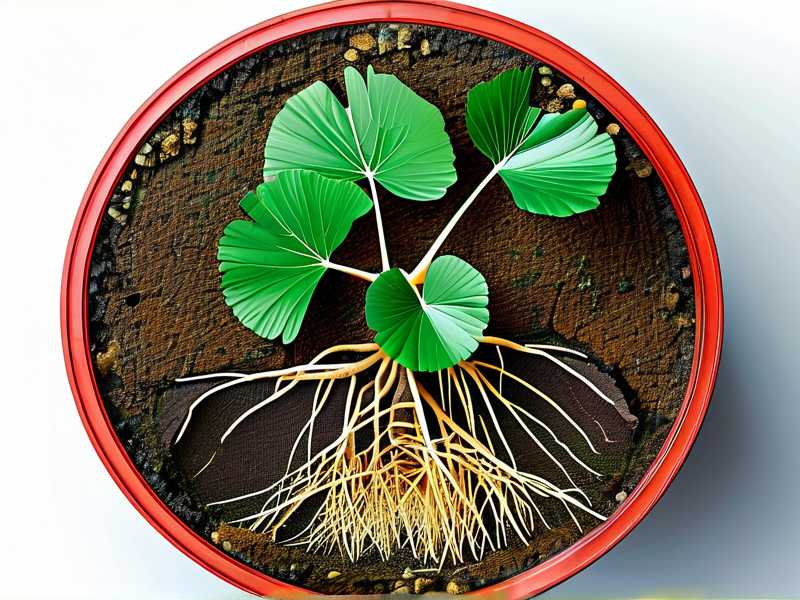
You cannot just treat the scar. You have to fix the soil. I learned that after my second reinfection. The fungus was living in the old soil. Every time I watered, spores splashed up onto the scar.
So I now do a full soil swap. I toss the old soil in the trash, not the compost. I wash the pot with hot soapy water and rinse with a diluted bleach solution (1 part bleach to 9 parts water). Then I let it dry in the sun for a day. Yes, it is overkill. But it works.
My new soil mix for money trees with scar issues is simple:
- 2 parts cactus mix
- 1 part perlite
- 1 part orchid bark
- A handful of horticultural charcoal
The charcoal helps suppress fungal growth. I also top-dress with a thin layer of dry sand. That keeps the scar area dry. Fungus hates dry sand.
Watering Rules I Follow Now (No Exceptions)
I water only when the top 3 inches of soil are dry. I use a wooden skewer. I push it in, pull it out, and check if it comes out clean. If it has damp soil stuck to it, I wait.
I water from the bottom. I set the pot in a bowl of water for 10 minutes. Then I remove it and let it drain completely. Bottom watering keeps the scar dry. Top watering splashes spores onto the scar. That was a huge lesson for me.
I also stopped using self-watering pots. They keep the soil too moist. Great for ferns. Terrible for money trees with scar issues.
Light and Airflow: The Forgotten Fix
Fungus loves still, humid air. I run a small fan on low near my money tree for 2 hours a day. Not directly on the plant. Just to move air around. That dropped the humidity around the scar from 70% to 50%. Big difference.
For light, I use a grow light in winter. A simple LED panel 12 inches above the canopy. 10 hours on, 14 hours off. My money tree scar healed faster with that light than without it. I think the extra energy helped the tree fight off the fungus.
What I Do If the Scar Turns Black Again
It happens. Reinfection is common if you miss a step. If I see black tissue, I do not panic. I re-scrape. I apply copper fungicide. I remove the top inch of soil and replace it with dry cactus mix. I stop watering for 5 days. Then I resume bottom watering. In 9 out of 10 cases, that stops the reinfection. If the black spreads up the stem, I cut below the black area and try to root the top. That is a last resort. I have only done it twice.
Real Talk: Why I Stopped Using Cinnamon Alone

Cinnamon works for mild surface fungus. But for soil-borne fungus that has reinfected a scar multiple times, cinnamon is not enough. I switched to a copper-based fungicide after reading an RHS guide on fungal control. Copper stays active longer. It also does not wash off as easily. I apply it with a cotton swab every 3 days for the first week. Then once a week for two more weeks. That broke the reinfection cycle for me.
The 2-Week Observation I Did (And What I Saw)
Week 1, day 1: Scar was black and soft. I scraped and applied copper fungicide. Week 1, day 3: Scar was dry but still dark. Week 1, day 5: No new black spots. I replaced topsoil. Week 1, day 7: Scar turned light brown. No smell. Week 2, day 10: New green tissue appeared at scar edges. Week 2, day 14: Scar was tan and hard. No fungus. I resumed normal watering.
That timeline worked for me. But every home has different humidity and light. Your timeline might be a few days longer. That is fine. Just do not rush back to old watering habits.
Frequently Asked Questions
Can I use the same soil after treating the scar? No. I tried that once. The fungus came back in 6 days. Toss the old soil. Use fresh, fast-draining mix. It is worth the few dollars.
How often should I check the scar after treatment? Every morning for the first 14 days. After that, once a week for a month. I still check mine every time I water. It takes 10 seconds.
What if the scar smells bad? That is a sign of advanced bacterial or fungal infection. Scrape deeper. Apply copper fungicide. If the smell persists after 3 days, cut the stem below the infected area and try to propagate the top. Do not wait.
Final Thoughts
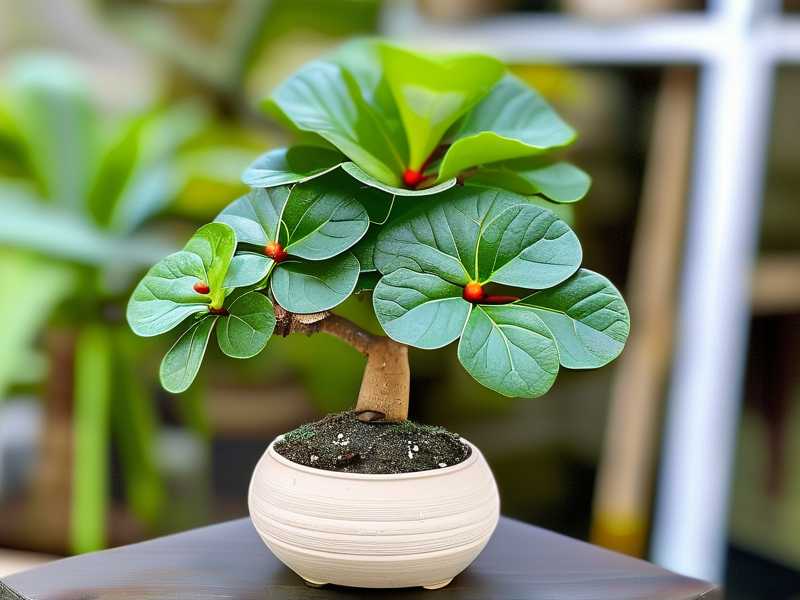
Money tree stem scars are annoying. Reinfection is worse. But you can beat it. Dry the scar. Fix the soil. Water from the bottom. Keep the air moving. And remember that 90% of indoor plants die from overwatering. I learned that the hard way. You do not have to. Give your money tree two weeks of careful attention. You will likely see new tissue and no fungus. That is a win worth waiting for.