admin
admin How to Keep Fungus Gnats Away From Your Money Tree by Lowering Room Humidity
If you've noticed tiny black flies hovering around your money tree, you're probably dealing with fungus gnats. I've been there. The fastest way to keep fungus gnats away from a money tree is to lower room humidity and let the top layer of soil dry out. That's it. The whole game is about moisture control. Fungus gnats need damp, humid conditions to breed, so when you dry things out, their life cycle collapses. I learned this the hard way after losing two money trees to what I thought was "just a little fly problem." It wasn't little. Within a week, those gnats had multiplied into what looked like a tiny cloud living in my potting soil.
Here's what I want you to take away before we go deeper. Most people try to kill the adult gnats they see flying around. That's a mistake. The real problem is the larvae living in your wet soil, and the humidity in your room is what keeps that soil wet long enough for them to thrive.
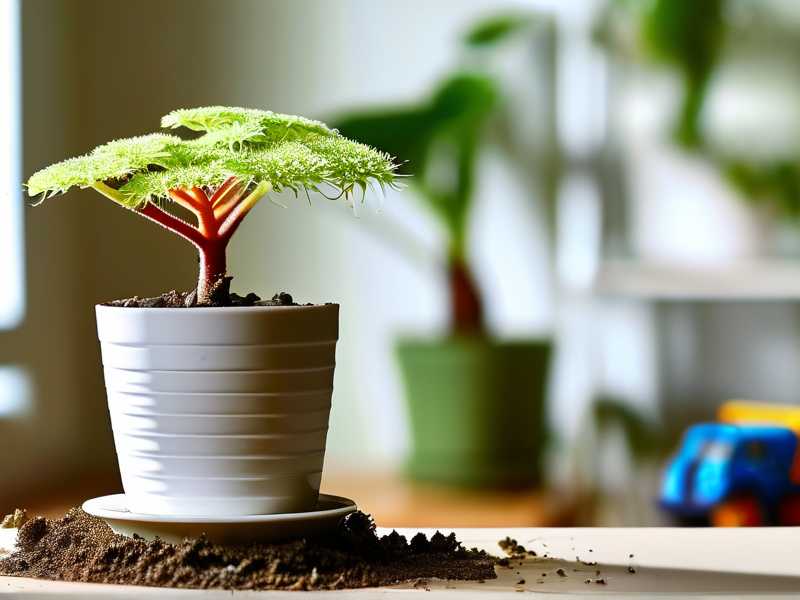
Let me walk you through exactly what I did over two weeks to fix this, what I got wrong, and what actually worked.
Why Money Trees and Fungus Gnats Are a Bad Combination
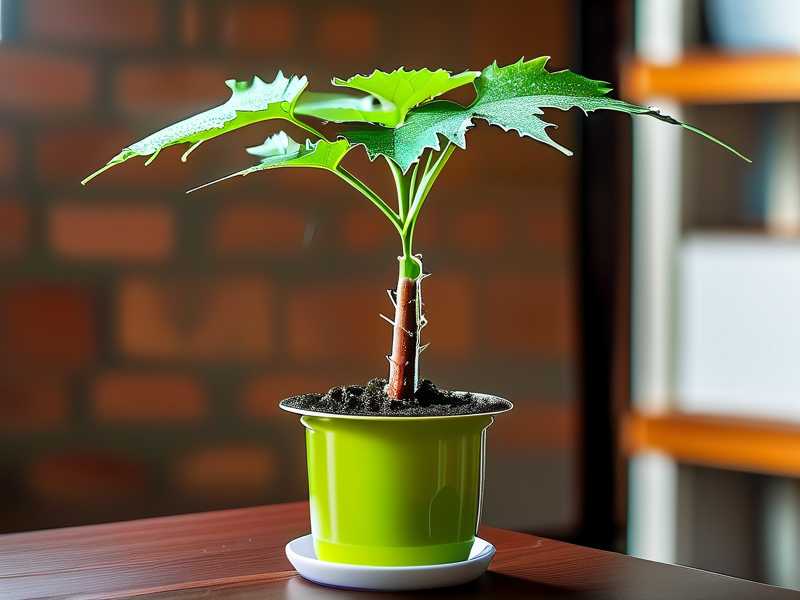
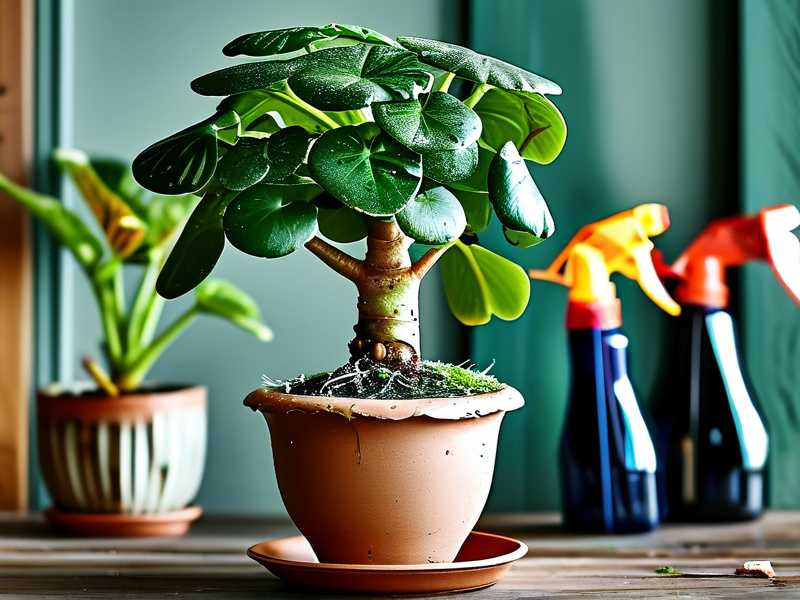
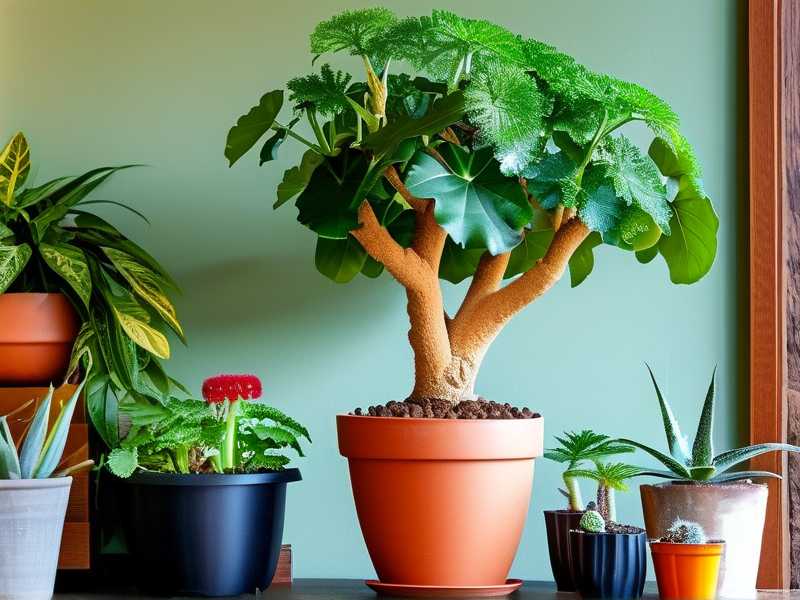
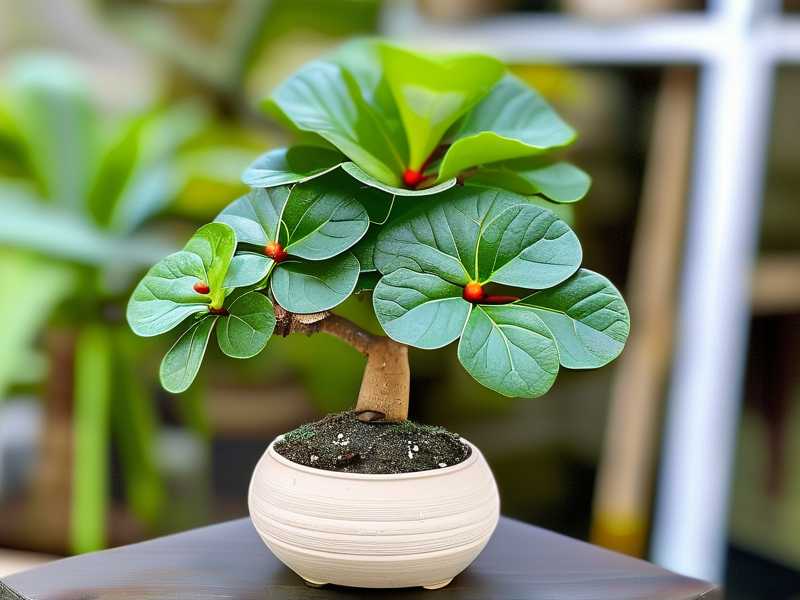
Money trees, or Pachira aquatica, are tropical plants. They like some humidity. This is where the confusion starts. A lot of care guides tell you to mist your money tree and keep the air moist. But here's the thing, fungus gnats absolutely love moist air and wet soil. So if you're running a humidifier next to your money tree, or if your room naturally sits above 60% relative humidity, you're basically rolling out a red carpet for these pests.
The RHS points out that fungus gnats thrive in consistently moist growing media. They lay eggs in the top few inches of soil, and those eggs hatch into larvae that feed on fungi and organic matter in the damp soil. No moisture, no larvae. It's that simple.
I used to think my money tree needed high humidity to survive. Turns out, it does fine at 40–50% relative humidity. What it doesn't do fine with is soggy roots. And honestly, 90% of indoor plants die from overwatering. That number surprised me too, but after killing my fair share of plants, I believe it.
The Three Mistakes That Made My Gnat Problem Worse
Before I get into the humidity fix, I need to talk about the mistakes I made. These are the same mistakes I see new plant owners make all the time, and they all feed directly into a fungus gnat infestation.
Mistake One: Overwatering
I used to water my money tree on a schedule. Every Sunday, one cup of water. No exceptions. That was dumb. Money trees store water in their thick trunks, and they don't need nearly as much as most people think. I was essentially keeping the soil perpetually wet, which is exactly what fungus gnats need.
The fix was simple but uncomfortable. I stopped watering on a schedule and started checking the soil instead. I stick my finger about two inches into the soil. If it's dry at that depth, I water. If it's even slightly damp, I wait. During my two-week experiment, I only watered my money tree twice. Two times in fourteen days. And it looked better than it had in months.
Mistake Two: Wrong Light
I had my money tree in a corner that got maybe an hour of indirect light a day. Not great. When a plant doesn't get enough light, it uses less water. The soil stays wet longer. And wet soil means gnats.
I moved my money tree to a spot near an east-facing window where it gets bright, indirect light for most of the morning. Within a few days, I noticed the soil was drying out faster between waterings. That alone cut the gnat population noticeably. According to the AHS, proper light helps plants use water more efficiently and reduces the risk of root rot and pest problems.
Mistake Three: Wrong Pot
My money tree came in a plastic pot with no drainage holes. I didn't think much of it at the time. But without drainage, excess water just sits at the bottom. That's a breeding ground for fungus gnats.
I repotted into a terracotta pot with a drainage hole. Terracotta breathes, which helps wick moisture away from the soil. I also added a layer of perlite at the bottom for extra drainage. This change alone made a huge difference.
How I Lowered Room Humidity to Get Rid of Fungus Gnats
Alright, here's the part you came for. Lowering room humidity is the core strategy. But you need to do it carefully so you don't stress your money tree.
Step 1: Turn Off the Humidifier
This sounds obvious, but I had a small humidifier running near my money tree because I read somewhere that tropical plants need it. I turned it off on day one. That single change dropped the humidity in that corner of my apartment from about 65% to around 50%.
If you don't have a humidifier, check your room's humidity with a cheap hygrometer. You can find one online for under $15. Aim for 40–50% relative humidity. That's comfortable for you and your money tree, and it's low enough to slow down fungus gnat reproduction.
Step 2: Improve Air Circulation
Still air is a gnat's best friend. I placed a small oscillating fan about six feet away from my money tree, set to low speed. The goal isn't to blast the plant. You just want gentle air movement around the pot and the top of the soil.
Within three days, I noticed the soil surface was drying out faster. By day five, I was seeing far fewer adult gnats flying around. The fan also helps prevent mold and mildew, which fungus gnat larvae feed on.
Step 3: Stop Misting Your Money Tree
I used to mist my money tree every other day. I thought it was helping. It wasn't. Misting raises the humidity right around the leaves and the soil surface. That's exactly where fungus gnats lay their eggs.
If you live in a dry climate and your money tree leaves are looking crispy, try a pebble tray instead. Fill a shallow tray with pebbles and water, then set the pot on top. The water evaporates and raises humidity slightly without soaking the soil surface. But honestly, I've found that money trees are more tolerant of dry air than most people give them credit for.
Step 4: Let the Top of the Soil Dry Out
This is the most important step. Fungus gnat larvae need moist soil to survive. If the top two inches of soil are dry, they can't lay eggs there, and existing larvae will die off.
After turning off the humidifier and adding the fan, my money tree's soil went from damp to dry in about four days. I watered lightly on day five, just enough to moisten the top inch, and then let it dry again. By the end of week two, the gnats were gone. Not just fewer. Gone.
What I Tried That Didn't Work
I want to save you some time and money. Here are a few things I tried that didn't help.
Sticky yellow traps. These catch adult gnats, but they don't do anything about the larvae in the soil. I stuck a few in my pot and caught maybe a dozen adults. The population didn't drop because the larvae kept hatching.
Cinnamon on the soil. I read somewhere that cinnamon kills fungus gnat larvae. Maybe it does in a lab. In my apartment, it just made my soil smell like a candle shop. The gnats didn't care.
Dish soap spray. This is for leaf pests, not soil gnats. It did nothing except make my money tree leaves look streaky.
The only thing that actually worked was lowering the humidity and breaking the moisture cycle. It took about ten days to see real results, and by day fourteen, I couldn't find a single gnat.
How to Keep Fungus Gnats From Coming Back
Once you've got the gnats under control, you need to keep them from returning. Here's my maintenance routine.
Water only when the top two inches of soil are dry. For my money tree, that's roughly every seven to ten days in summer and every two weeks in winter.
Keep the humidity in your room between 40% and 50%. I run a dehumidifier in the summer if it gets muggy, and I never run a humidifier near my money tree.
Use a pot with drainage holes and empty the saucer after watering. Standing water is a gnat magnet.
Top-dress the soil with a thin layer of sand or pebbles. This dries out faster than soil and makes it harder for gnats to lay eggs.
Inspect new plants before bringing them home. Fungus gnats often hitch a ride on new potting soil. I quarantine new plants for a week now, just to be safe.
Frequently Asked Questions
Can fungus gnats come back after I've lowered the humidity?
Yes, if you go back to overwatering or high humidity. The gnats need moisture to breed. As long as you keep the soil surface dry and the air around 40–50% humidity, they can't complete their life cycle. I've kept my money tree gnat-free for six months now by sticking to this routine.
Will low humidity hurt my money tree?
Not if you keep it in the 40–50% range. Money trees are more adaptable than people think. They're native to swamps and wetlands, but they also store water in their trunks and can handle short dry spells. The bigger risk is overwatering, which causes root rot. I've found that my money tree actually looks better at 45% humidity than it did at 65%.
How long does it take to get rid of fungus gnats by lowering humidity?
In my experience, about two weeks. The first week, you'll see fewer adults flying around. The second week, the larvae start dying off because the soil isn't wet enough for them. By day fourteen, the cycle is broken. If you still see gnats after two weeks, check for hidden moisture, like a leaking saucer or a drainage hole that's clogged.
The Bottom Line
Fungus gnats on a money tree are annoying, but they're not a death sentence. The fix isn't complicated. Lower your room humidity to 40–50%, improve air circulation, stop misting, and let the top of the soil dry out between waterings. That's it. No chemicals, no expensive traps, no guessing.
I spent weeks fighting these gnats with sprays and sticky traps before I figured out that the real problem was moisture. Once I dried things out, the gnats disappeared. My money tree is thriving now, and I haven't seen a single gnat in months. If I can do it, you can too. Just remember, 90% of indoor plants die from overwatering, so when in doubt, wait another day before you water.