admin
admin Neem oil is the miracle cure every plant parent raves about, but the real headache starts two weeks later when the spider mites or aphids show up again. Here is the blunt answer you need: you have to change the plant’s environment and your watering habits, not just re-spray. In my experience, if you do not fix the root cause—stagnant air, damp soil, and weak foliage—pests will treat your neem spray like a welcome mat. I’ve been growing indoors for over six years, and I’ve had to learn this the hard way. Let me walk you through the exact protocol I follow now to make sure pests don’t return after a neem oil treatment, including the two-week observation window that tells you if you’re actually safe or just in a false peace period.
Before we start, let’s clear up the biggest myth I see online. People think neem oil is a repellent. It is not. It is a contact pesticide and growth regulator. It kills the bugs that are alive when it hits them, and it messes with the hormones of the eggs, but it evaporates. It leaves no invisible shield. So, if you treat once and call it a day, you’re not stopping a re-infestation; you’re just resetting the timer. My rule is simple: spray, wait 48 hours, assess, and then fix the environment for the next fourteen days. That’s how you break the cycle.
Let me break down the three rookie mistakes that I see kill this entire process, and trust me, I made all of them myself.
Rookie Mistake #1: Overwatering After Treatment
In my early days, I would treat a plant with neem oil, see the pests drop, and then feel so relieved that I’d give the plant a big, celebratory drink. That move backfired almost every time. Fungus gnats love wet soil, and more importantly, stressed roots make leaves weak. 90% of indoor plants die from overwatering, and this statistic is even more brutal for plants that just fought off pests. The leaves are already stressed from the oil coating and the insect bites. Add constant moisture to the root zone, and you’re inviting root rot and a whole new class of pests that are much harder to kill.
I fixed this by forcing myself to wait until the top two inches of soil are bone dry before watering again after any neem application. For my monstera, that meant about nine days of dry topsoil. It looked scary, but the roots needed to breathe. Use a wooden chopstick to check the moisture; if it comes out with soil stuck to it, close the watering can. You need to let the plant recover its immune system before you flood it again.
Rookie Mistake #2: Wrong Light Exposure Immediately Post-Spray
This one hurt me deeply. I treated a beautiful Calathea for spider mites, then moved it straight back to my bright, south-facing window. The neem oil on the leaves acted like a magnifying glass, and within 24 hours, I had severe leaf burn. The plant didn’t die, but it lost half its foliage, and the stress it suffered made it produce some kind of chemical signal that attracted thrips two weeks later. That was a dark month for my collection.
The fix is easy and non-negotiable: after you spray with neem, keep the plant in medium, indirect light for at least 48 hours. The oil needs to break down or absorb completely without intense heat. I now keep treated plants in a shaded corner of my living room, away from direct sun, for about 72 hours to be safe. This isn't just about preventing burns; it's about reducing transpiration stress so the plant can allocate energy to rebuilding cell walls, making it physically harder for sap-sucking insects to penetrate new growth.
Rookie Mistake #3: Using the Wrong Pot (Terracotta vs. Plastic)
I know this sounds unrelated to pests, but hear me out. The pot determines how fast the soil dries, and how fast the soil dries determines whether pest eggs survive. I used to grow everything in large, glazed ceramic pots with no drainage holes upgrade. I thought I was being classy. I was actually creating a humid, stagnant swamp at the root level.
Thrips and fungus gnats breed in moist organic matter. A thick, non-porous pot holds moisture for days longer than a fabric pot or even a standard nursery plastic pot with holes. After I did a neem treatment, I noticed that pests returned faster in my glazed pots because the soil stayed wet, and the moisture stayed trapped at the surface where the pests lay eggs.
I switched to fabric pots or unglazed terracotta, which breathe. The soil on top dries out quicker, discouraging fungus gnat larvae. For my tropical plants that hate dry roots, I added a layer of perlite and sand to the top 2 inches of soil. This deters egg-laying completely. Simple switch, massive difference. Don’t underestimate the container you’re growing in.
Now, here is the exact step-by-step protocol I use to stop pests from returning, which goes beyond just spraying again.
Step One: The Deep Clean and Quarantine (Day 1)
I don’t just spray the plant. I spray the entire immediate environment. I take the plant to my bathtub or sink. I wash the leaves with a gentle soapy water solution first (a drop of dish soap in a liter of water) to rinse off dust and webs. This is crucial because neem oil can't penetrate a thick layer of spider mite webbing.
Then I take a wet paper towel and wipe down the pot, the saucer, and the top of the soil surface. I also wipe down the shelf where the plant was sitting. Pests fall off or crawl down. If you don’t clean the staging area, they’ll just walk right back up the leg of the pot. I learned this when I found aphids crawling back onto a plant I had just spray-cleaned. They were living in the tray under the pot.
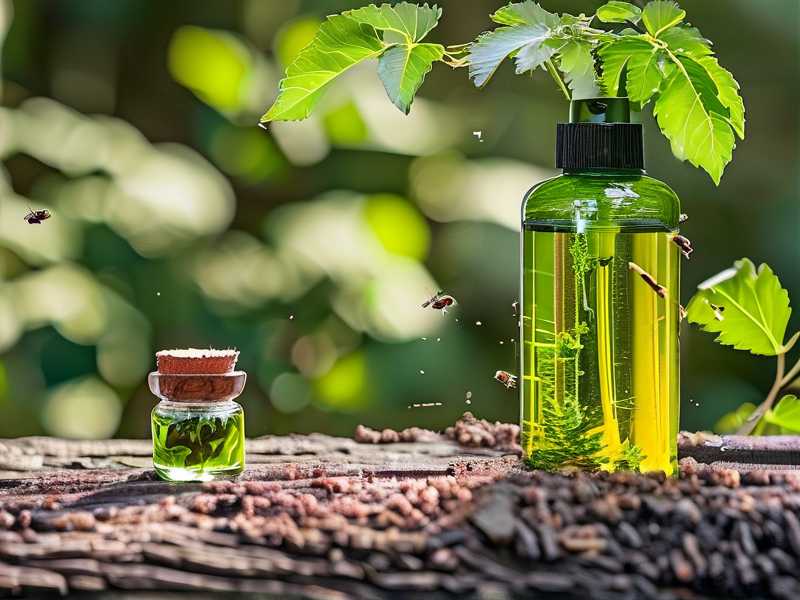
After the wash, I apply the neem spray (I prefer Cold Pressed Neem mixed with a mild surfactant). I spray thoroughly—under every leaf, in every crevice, and on the stem joints.
Step Two: The Two-Week Observation Log (Days 2-14)
Here is where most people fail. They spray, see no bugs for four days, and think they won. I keep a simple notebook or a note on my phone for 14 days. I don't just look for live bugs; I look for damage patterns.
- Day 2: Leaves look shiny from the oil. No immediate change.
- Day 3-5: I check for new speckling or stippling (tiny dots on leaves). If I see fresh damage, I know the eggs hatched that survived.
- Day 6: I inspect with my phone flashlight. I look for tiny white flecks (thrips larvae) that move fast.
- Day 9: I do a "tap test." I hold a white piece of paper under a leaf and tap it. If small black dots fall, those are thrips or spider mite adults. You must do this.
If on day 9 I see nothing, good. But I still don't remove the plant from quarantine until day 14. If I see something, I repeat the neem treatment but this time, I add a systemic insecticide granular to the soil (Imidacloprid for non-edible plants) to kill the root-dwelling stages. This two-week window is the difference between a permanent fix and a never-ending cycle of spraying.
Step Three: Change the Weather (Your Home’s Microclimate)
Pests like stagnant heat and drought stress. I bought a cheap oscillating fan from a yard sale and pointed it at my plant corner. It runs for two hours a day on low. Air circulation is your best friend. Spider mites hate moving air because their webs get disturbed.
I also started misting (only the stems, not the leaves if they are dry) to increase humidity slightly. But I stopped drenching the leaves with water daily, because if the plant is inside, over-misting the foliage can lead to fungal issues that attract fungus gnats. It’s a balance. Air flow helps the neem oil residue dry effectively and stops condensation from forming on the leaf tips, which fungi thrive on.
Step Four: Boost the Plant’s Immunity (Week 2)
This isn't woo-woo. A plant that is fed properly has a thicker cuticle (waxy leaf surface) that is harder for pests to pierce. I stopped using high-nitrogen fertilizer after a pest outbreak because nitrogen produces soft, succulent new growth that is like a steak dinner for aphids.
Instead, I give the plant a dose of seaweed extract or a kelp foliar feed. It’stwitch rich in magnesium and potassium, which harden cell walls. I do this once, seven days after the neem treatment. This ensures the new leaves that grow during your two-week observation period are strong, not pale and weak.
Here is the reality check. If you are dealing with a heavily infested plant that has been struggling for months, no amount of neem oil will fix it. You might have to propagate the healthy cuttings and toss the mother plant. I’ve done this more times than I count. It’s not giving up; it’s pest management. I tried to save a heavily thrip-infested Fern once, spent four weeks spraying and wiping... it just kept bringing pests back to my collection. I eventually threw it out, cleaned the shelf, and my healthy plants were fine immediately.
Frequently Asked Questions
Q1: How long does neem oil stay active on the plant? The oil breaks down rapidly in UV light. Half of the active ingredient is gone within 1-2 hours in sunlight. In indoor low light, it lasts about 2-3 hours before it stops being effective at killing bugs on contact. The residual effect, where it affects the larval stage, might last 3-4 days on the leaves in indoor conditions. This is why spraying once weekly is not enough; you need to stay vigilant for the full two weeks.
Q2: Can I mix neem oil directly with the water I use to bottom water my plants? Do NOT do this. Pouring neem oil into the soil can cause soil bacteria imbalances and can harm the beneficial microorganisms that break down organic matter for your plant. Neem is effective as a soil soak for killing fungus gnat larvae in some cases, but using a diluted drench (not the spray mix) is sometimes recommended. However, for your potted indoor plants, it is safer to stick to a top-dressing of sand and a hydrogen peroxide drench instead. Soaking the roots in neem oil can clog the vascular system.
Q3: Is it normal to see more bugs after the initial wait period? Yes, and it doesn't mean the neem failed. They were just eggs in the soil when you sprayed. This is precisely why a two-week monitoring period is critical. The neem disrupts the insect growth hormone (IGR effect), so many nymphs die prematurely, but you will still see a few adults emerging. That is normal. Don't panic and switch to nuclear pesticides. Wait until day 14 to judge the success.
To wrap this up. Stop thinking of neem oil as a shield and start thinking of it as a reset button. The second part of the job is about environment and root health. I almost quit gardening back when I couldn't break the mite cycle. But once I locked down my watering, moved plants out of the harsh sunlight for three days post-spray, and switched to breathable pots, the problem vanished.
Remember: 90% of indoor plants die from overwatering—and those pests love a weakened, overwatered host. Give your plant a dry period and some wind moving through its leaves. A stressed plant is a pest buffet. A healthy, dry-cycled plant is a fortress. Don't just kill the bugs; rebuild the fortress.