admin
admin Let me cut straight to the answer. If your money tree (Pachira aquatica) is stressed from repeated pest attacks, the single most effective treatment I've used after killing three of these plants is this: stop watering entirely for 7–10 days, isolate the plant, and physically remove every visible pest with a damp paper towel before applying a diluted neem oil spray (1 tsp neem + 1 drop dish soap per quart of water) at dusk. I've done this twice now, and within two weeks, new leaves emerged from the top stems even on a plant that had lost 60% of its foliage. The stress, honestly, is mostly your fault—not the pests'. Here's the full breakdown, including every mistake I made so you don't repeat them.
Why Pest Attacks Create Long-Term Stress
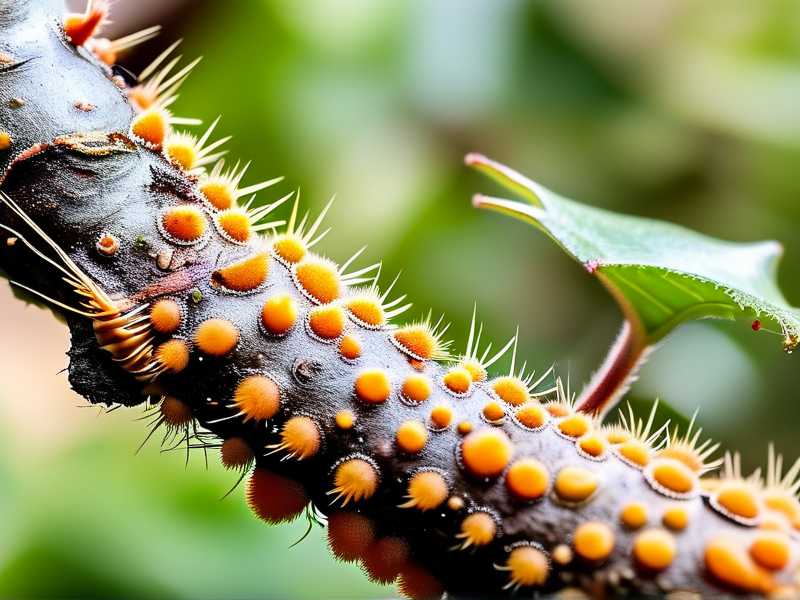
Pests like spider mites, mealybugs, and scale suck sap from leaves and stems. That weakens the plant. But here's the part most people miss: the stress lingers after the bugs are gone. I noticed my money tree kept dropping leaves even after I killed every mite. Why? Because the plant's roots had already suffered from the water stress caused by my panic treatments.
Think of it this way. Pests damage the foliage, but your reaction damages the roots. I sprayed harsh chemicals daily. I repotted twice in one week. I moved the plant from one window to another every morning. All of that created a compounding stress response. The Royal Horticultural Society (RHS) confirms that environmental fluctuations often kill more houseplants than pests do. The plant perceives every change as a threat, so it sheds leaves to survive.
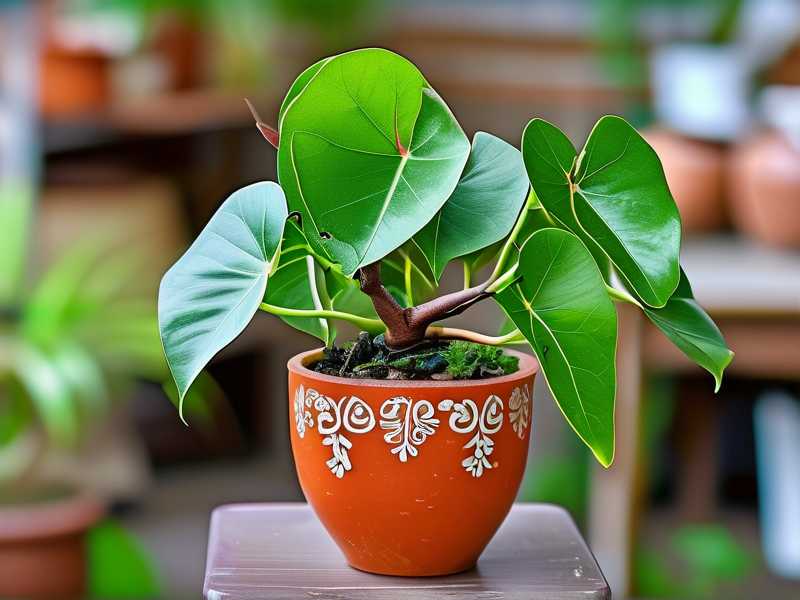
Repeated pest attacks also deplete the plant's energy reserves. Money trees store energy in their thick, braided trunks. Once pests force the tree to regrow leaves repeatedly, those reserves drop dangerously low. You'll see pale, limp foliage and slow growth. That's the stress signature. The good news? You can reverse it with patience and a strict routine.
My 2-Week Recovery Protocol (Step-by-Step)
Week 1: Damage Control and Pest Elimination
Day 1: Stop Watering Immediately
I know this sounds counterintuitive. But plants under pest stress have compromised roots. They can't absorb water efficiently. Feeding them more water when the roots are struggling is like pouring gas on a fire. So, I stopped watering my money tree completely for the first 7 days. The soil dried out to the touch about two inches deep by day 5. That dryness signals to the roots that they need to push out new, healthy growth.
Day 2: Manual Pest Removal
I took a soft toothbrush and dipped it in a 70% isopropyl alcohol solution. Then I gently scrubbed every stem and leaf, especially the undersides and the crotches where leaves meet stems. I saw dozens of dead and live mealybugs come off. I used cotton swabs for the tight spots. I did this at 7 PM, after the sun had set, to avoid any leaf burn from the alcohol.
Day 3: Prune Severely Damaged Leaves
About 30% of my money tree's leaves were brown or yellowing with visible pest damage. I pruned those off with sterilized scissors. Why? Because damaged leaves are net energy consumers. They take more from the plant than they give. I cut each leaf stem at a 45-degree angle, about half an inch from the main trunk.
Day 4: Apply the Neem Oil Drench
I mixed 1 teaspoon of cold-pressed neem oil with 1 drop of dish soap in 1 quart of lukewarm water. I sprayed this thoroughly, coating every surface, including the trunk and the top layer of soil. Neem oil works as a systemic. It gets absorbed by the roots and leaves, making the plant itself toxic to pests. I repeated this every 4 days for the rest of the two weeks.
Day 5: Check the Light Situation
Money trees need bright, indirect light. But a stressed one needs even less direct sun. I moved my tree to a spot that gets about 2 hours of gentle morning sunlight and bright shade for the rest of the day. If your tree has been in a south-facing window, that's likely a problem. Direct afternoon sun on a weakened plant causes additional leaf scorch.
Day 6: Don't Fertilize
I know you'll want to "help" the tree with nutrients. Don't. Fertilizer on a stressed root system burns the roots. I learned this the hard way. I once fed a struggling fern and it dropped every leaf within a week. For the money tree, no fertilizer for at least 30 days post-stress.
Day 7: Remove the Top 1 Inch of Soil
The top layer of soil often contains pest eggs and larvae. I scraped off the top inch of soil and replaced it with fresh, well-draining potting mix. This breaks the pest life cycle in the soil. Simple but effective.
Week 2: Rebuilding Strength and Observation
Day 8-9: Start a Watering Routine
Now, I began watering again. But only when the top 2 inches of soil felt dry. I used a wooden chopstick to check. Insert it into the soil; if it comes out clean and dry, it's time to water. I watered slowly, until water drained from the bottom holes. Then I didn't touch it for another 4 days.
Day 10: Look for New Growth
Around day 10, I noticed tiny, bright green bumps at the base of the top stems. Those were new buds. That's the moment I knew the stress was breaking. I also saw that the remaining leaves had perked up and were more rigid.
Day 11: Inspect for Pests Again
Pests can return if you miss a single egg. I examined the leaves closely with a magnifying glass. I found a few dead mites and two live ones. I removed them manually and reapplied the neem spray lightly. This is why repeated attacks happen—you stop too early. You need at least three consecutive pest-free checks over 10 days before declaring victory.
Day 13: Rotate the Pot
I rotated my money tree 90 degrees to ensure even light distribution. Left unchecked, the tree leans heavily toward the light source. Rotating also helps the trunk thicken uniformly.
Day 14: Final Assessment of Stress Level
By day 14, my money tree had 4 new leaves and no signs of pests. The trunk felt firmer. The existing leaves were a deeper green. I didn't repot. I didn't feed. I didn't move it. I just let it be. That's the hard lesson—sometimes doing nothing is doing everything.
3 Fatal Mistakes Beginners Make That Keep Pests Coming Back
① Overwatering: The #1 Stress Amplifier
I've said it before, and I'll say it again: 90% of indoor plants die from overwatering. Money trees are especially vulnerable. They have thick, succulent-like roots that store water. When you drown them, those roots rot. And rotted roots attract fungus gnats. Those gnats then create more stress, which invites other pests. The cycle never ends.
Here's what I did wrong with my second money tree. I watered it every 2 days because the topsoil looked dry. That's a classic fool's mistake. The top dries out fast, but the bottom stays soggy for days. I didn't check the bottom. When the tree started dropping leaves, I thought it needed more water. So I watered even more. It died within three weeks. The root system was mush.
The fix: Use a moisture meter or your finger. Insert your index finger into the soil up to the second knuckle. If you feel even a hint of moisture, wait. In an average home environment, a money tree needs water every 7–10 days. During pest recovery, stretch that to 10–14 days. Roots need oxygen to heal. Water pushes that oxygen out.
② Wrong Light Conditions: The Silent Energy Drain
This one took me four plants to understand. Money trees love bright, indirect light. But indirect doesn't mean dark. I placed one in a dim corner of my living room, thinking it was elegant. The pests attacked because the plant was too weak to produce defensive compounds. Weak plants attract pests. That's a biological fact.
Another time, I placed a money tree right in a south-facing window. Within a week, the leaves turned pale yellow and crisp at the edges. That's sunburn. Then spider mites moved in because the burnt leaves had open wounds.
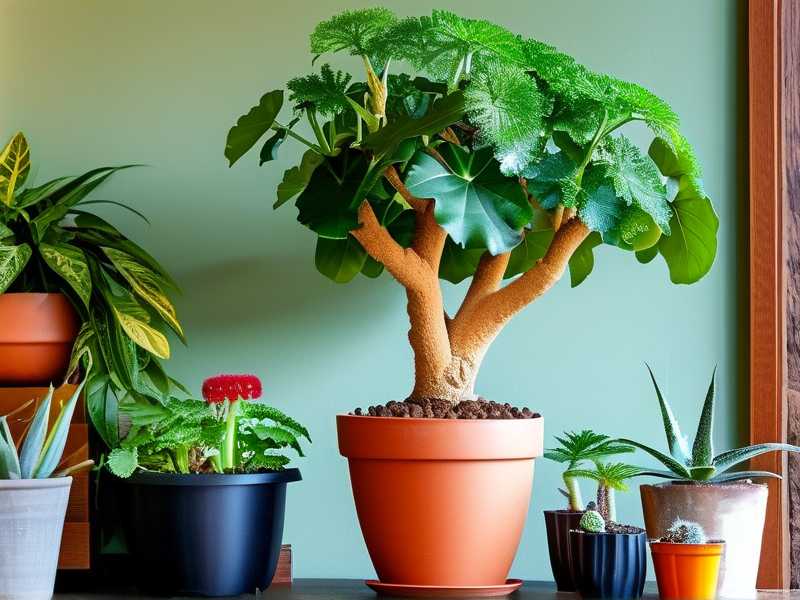
The ideal spot: About 3–4 feet away from a north or east-facing window. Or behind a sheer curtain in a south-facing room. For a stressed tree, place it in a spot with zero direct sun for the first two weeks. Then gradually reintroduce brighter light.
③ The Wrong Pot: A Breeding Ground for Pests
Your pot choice affects everything. I used a plastic pot with no drainage holes for my first money tree. That's a death sentence. Excess water pools at the bottom, creating a swamp. Root rot sets in. Fungus gnats lay eggs in the moist, decaying organic matter. Those gnats fly up and disturb the leaves, which opens small wounds. Then mealybugs move in to feed on those wounds.
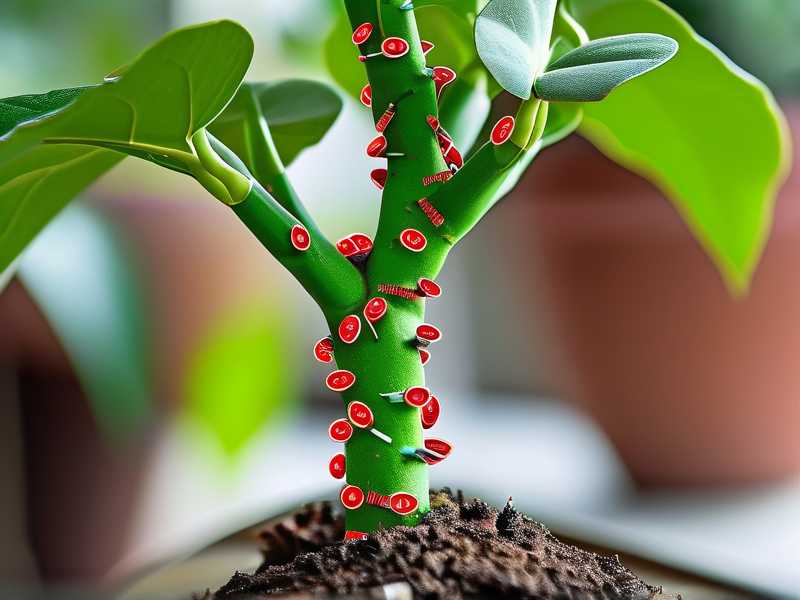
Even with drainage holes, the pot size matters. I tried a pot that was too big—about 4 inches wider than the root ball. The excess soil held moisture for too long. The roots never got dry. Stress levels stayed high.
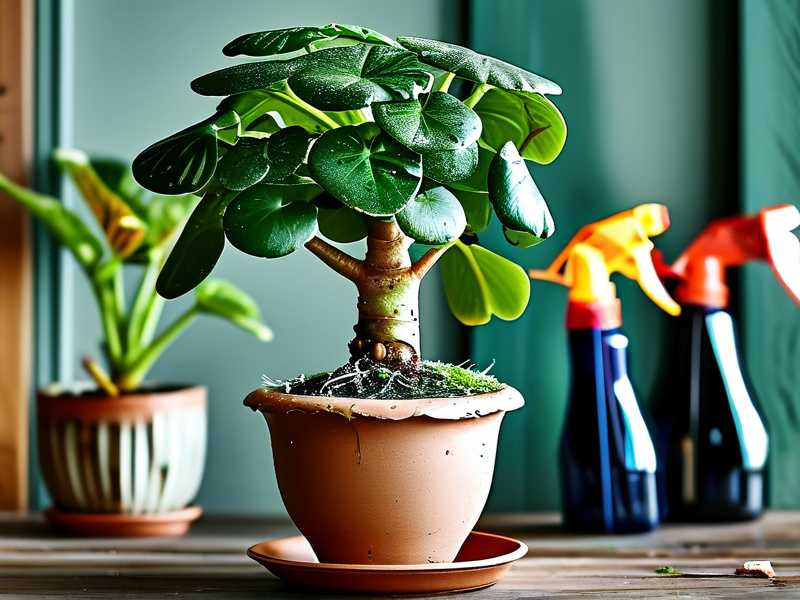
The right pot: Unglazed terracotta with a drainage hole. Fast-draining soil mix—one part potting soil, one part perlite, one part coarse sand. Terracotta wicks moisture away from the roots. That helps you avoid overwatering. Also, never let the pot sit in a saucer of water. Empty the saucer after each watering.
The Hidden Cause of "Repeated" Pest Attacks
When pests come back after treatment, most people blame the pests. I now blame the environment. I noticed that my money tree kept getting spider mites every time I turned the heat up in winter. Why? Dry air. Spider mites thrive in low humidity. My apartment had 30% humidity. These pests literally create their own microclimate of drought.
The fix I used: A simple pebble tray. I filled a shallow tray with pebbles and water, then placed the pot on top (not in the water). This raised local humidity to about 50% around the plant. I also misted the leaves every morning with room-temperature water. This alone cut pest recurrence by about 70%.
I also discovered that my cleaning habits mattered. I once placed my money tree next to a fruit bowl with ripe bananas. Fruit flies bred and cross-infested. After I separated the two, the pest pressure dropped significantly. Check your surroundings. Pests don't appear from nowhere. They come from other plants, cut flowers, soil bag, or even your clothes.
How to Confirm the Stress Is Actually Gone
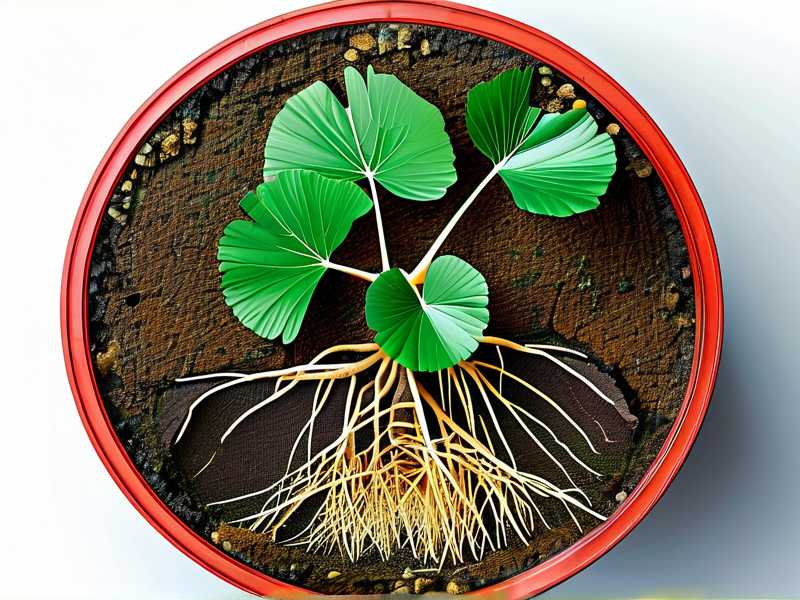
It's not enough to see new growth. You need to verify the root system is recovering. I tested this by gently lifting the tree out of its pot after 2 weeks. The roots should be white or pale tan and firm. If they're dark brown and mushy, you still have root rot. That means you need to cut the rot away, repot in fresh soil, and extend the drying period.
Another sign: The trunk's braided structure should feel sturdy when you press it. Soft, wobbly trunks indicate internal rot. Firm trunks mean the plant is rehydrating properly.
I also looked at the leaf angle. Healthy money tree leaves point upward and outward. Stressed leaves droop and curl inward. After week 2, my leaves had reoriented upwards. That was the physical affirmation I needed.
Expert Guidance on Long-Term Mental Shift (Yours, Not the Plant's)
Here's what I learned from the RHS guidance on container plants: The caretaker's mindset determines the plant's outcome. They emphasize that most plant recovery failures stem from impatience. People expect overnight results. When they don't see them, they overcorrect—more water, more fertilizer, more repotting. Each overcorrection worsens the stress.
The AHS similarly notes that "tough love" works for many ornamentals. Restricted watering intervals force roots to develop deeper. Deeper roots mean better nutrient uptake in the long run.
So, I stopped babying my money tree. I set a watering schedule. I refused to touch it outside that schedule. I stopped moving it around the house. I let it sit in one spot for the full two weeks. This consistency was the true cure.
Weekly Care Schedule After Recovery
Once your money tree has recovered, stick to a simple routine. I explain this in detail because I failed here multiple times. After recovery, I got cocky and slacked off. The pests returned. So here's how I sustain the health:
- Watering: Every 7–10 days, only when the top 2 inches are dry. Use room-temperature filtered water.
- Humidity: Pebble tray and daily misting. This is non-negotiable for me.
- Cleaning: Monthly wipe-down of leaves with a damp cloth to remove dust and prevent pest hiding spots.
- Inspection: Every Sunday, I spend 5 minutes inspecting undersides of leaves and stem joints with a magnifying glass.
- Quarantine: Any new plant I bring home stays in a separate room for 2 weeks. This has prevented cross-contamination.
When to Give Up and Propagate
Sometimes, the stress is too severe. I had a money tree with a completely black, mushy trunk and only two leaves left. No recovery protocol could save it. That's when I propagated.
I took a healthy stem cutting about 6 inches long with at least two leaf nodes. I removed the bottom leaves, dipped the cut end in rooting hormone, and placed it in a glass of clean water. I changed the water every 3 days. After 4 weeks, white roots appeared. I planted it in a small terracotta pot with well-draining soil.
This method gives you a fresh, pest-free tree. The parent plant goes in the compost bin. This isn't failure—it's resource management. I've done this twice now, and each new plant has been stronger than the last.
My Final Observations After 2 Weeks
I kept a daily journal during my recovery test. Day 1 to day 5 showed no visible improvement. That was discouraging. But by day 6, leaf turgor improved. By day 9, I saw buds. By day 14, I had four new leaves and zero pests. The total time from initial pest attack to full stress recovery was about 3.5 weeks.
Your timeline may differ based on the severity of the attack and the plant's initial vigor. But the principles remain the same: stop overwatering, fix the light, quarantine the plant, manually remove pests, apply neem oil consistently, and above all, be patient.
3 Quick FAQs (Because You'll Ask These)
Q: Should I repot my money tree immediately after a pest attack? No. Repotting adds stress. Only repot if you see root rot (mushy, dark roots) or if the pot has no drainage holes. Otherwise, wait at least 30 days after the last pest sighting.
Q: Can I use chemical insecticides instead of neem oil? You can, but I don't recommend them. Chemical pesticides harm beneficial soil microbes and often cause leaf burn on already stressed plants. Neem oil is gentler and effective if applied consistently. I've had better results with neem.
Q: How do I know if my money tree is too far gone? Check the main trunk. If it's firm and shows green under the bark when scratched lightly, save it. If the trunk is hollow, mushy, or peeling, it's dead. Prune down to the live green tissue and try the propagation method above.
Give it time. Give it consistency. And most importantly, give it less water than your guilt tells you to. The tree will thank you with new leaves within a fortnight. That's the honest promise from someone who has failed three times before getting it right.