admin
admin How to Care for a Money Tree with Multiple Trunks: A Plant Lover’s 2-Week Journey
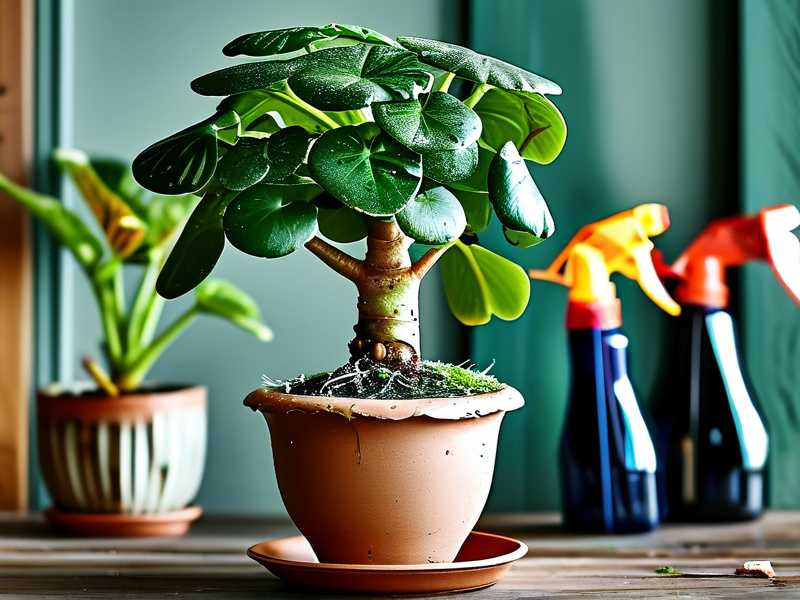
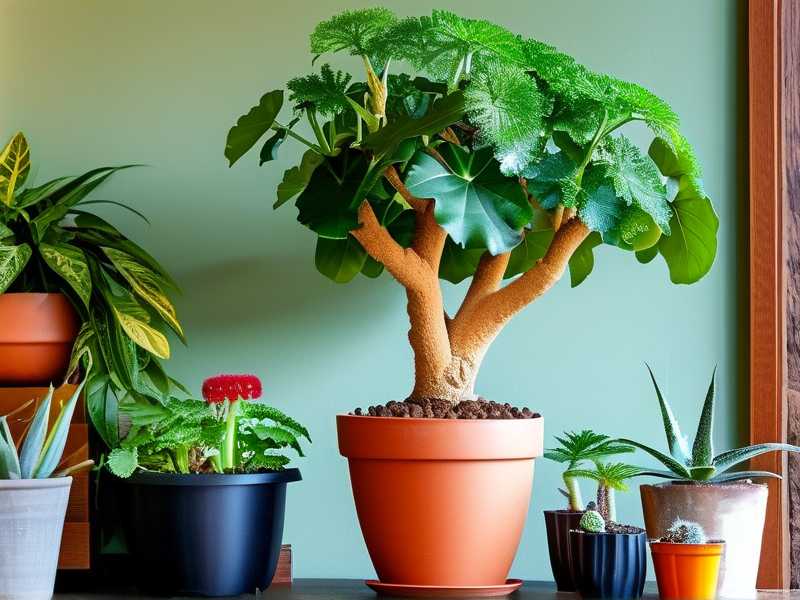
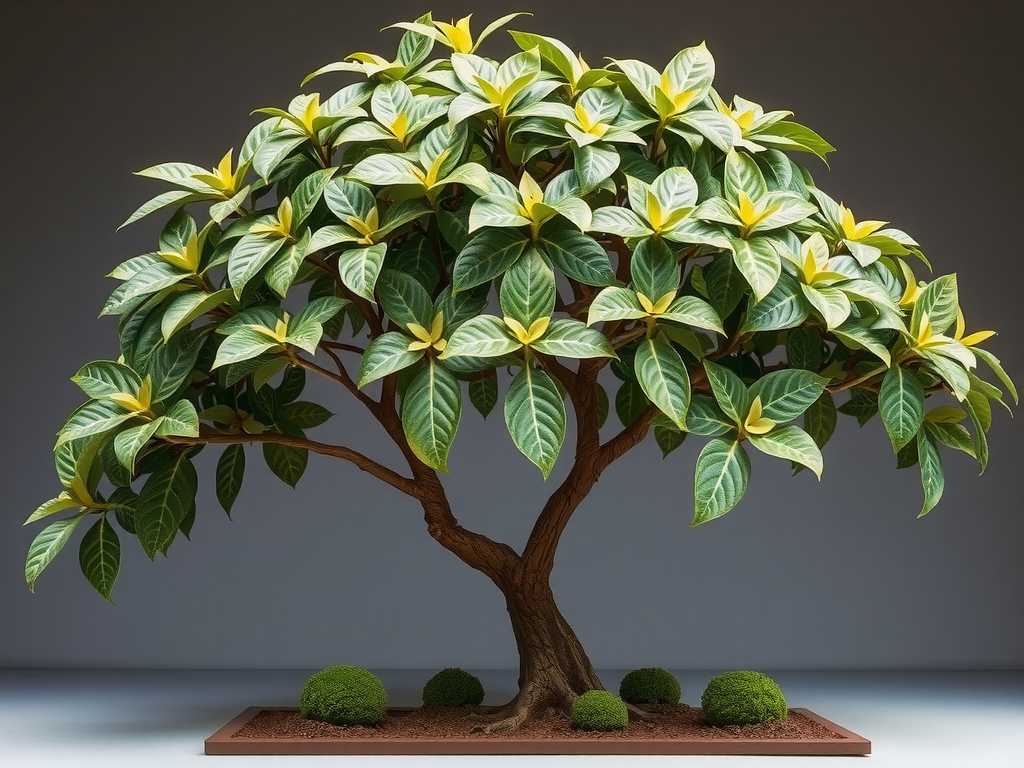
You’ve brought home a stunning money tree with multiple trunks, its braided or clustered stems symbolizing prosperity and good fortune. It looks magnificent in the corner of your room. But now, a quiet panic sets in. The leaves are starting to yellow at the tips. One trunk seems less robust than the others. You’re watering it the same as your single-stemmed plants, yet something feels off. You’re not alone in this worry. Caring for a multi-trunk money tree isn’t just about keeping a plant alive; it’s about nurturing a complex, miniature ecosystem where each trunk competes and collaborates for resources. I’ve been there, staring at my own prized specimen, wondering if I was doing more harm than good. Through trial, error, and a dedicated two-week observation period, I’ve cracked the code on how to care for a money tree with multiple trunks to ensure all its stems thrive together.
The key realization? A multi-trunk Pachira Aquatica isn’t a single plant in the traditional sense. It’s several plants sharing one pot, which dramatically changes its needs for water, light, and nutrients compared to a solitary trunk. Ignoring this fact is the fastest route to drooping leaves and root rot. This guide is born from my hands-on experience, the mistakes I made, and the solutions I found that brought my plant back to vibrant health.
Understanding Your Multi-Trunk Money Tree’s Unique Needs
Before we dive into the daily care routine, it’s crucial to understand what makes this plant special. Most money trees with multiple trunks are either braided together while young or grown as a cluster of cuttings. The American Horticultural Society (AHA) notes that braided plants can sometimes face issues with constricted growth as they mature, but with proper care, they can coexist beautifully. The intertwined root systems mean they share water and soil space intimately. This setup creates both a stunning visual and a specific set of challenges. The center of the braid or cluster can trap moisture and become a haven for pests, and the roots can become pot-bound more quickly. My first mistake was treating it like my simple, single-stemmed dracaena. I soon learned that caring for a braided money tree requires a more nuanced approach focused on even light distribution and meticulous watering.
The Core Care Regimen: A Step-by-Step Guide
Here is the exact regimen I followed over two weeks, adjusting based on my plant’s direct feedback.
1. Perfecting the Watering Technique (This is Where I Failed First)
My biggest error was overwatering. I assumed more trunks meant a bigger thirst. I was wrong.
- The Right Method: I adopted the “soak and dry” method. I placed the pot in a sink and watered thoroughly until water ran freely from the drainage holes, ensuring the entire root ball was moistened. This is critical for multiple trunk money tree care because water must reach all the roots, not just those on the perimeter.
- The Finger Test: I stopped watering on a schedule. Instead, I inserted my finger 2-3 inches into the soil near the base of the trunks. If it was dry, I watered. If damp, I waited.
- My 2-Week Observation: At the start, the soil was staying wet for over 10 days—a clear sign of previous overwatering and potential compacted soil. After repotting (see below) and correcting my technique, the drying cycle normalized to 7-8 days in my indoor environment. The slight yellowing on lower leaves ceased, and new, firm growth appeared at the top.
2. Providing Optimal Light and Rotation
Multiple trunks mean leaves can shade each other, leading to lopsided growth.
- The Sweet Spot: I placed my tree in a spot with bright, indirect light. A north or east-facing window was ideal. Direct afternoon sun, as advised by resources like the Royal Horticultural Society (RHS), can scorch the leaves, especially on the more exposed trunks.
- The Rotation Ritual: Every time I watered, I rotated the pot a quarter turn. This ensured every side of the clustered trunks received equal light, preventing one side from becoming sparse.
- The Result: After 14 days of consistent rotation, the plant’s posture improved. It no longer leaned noticeably toward the window, and the foliage density looked more uniform around all trunks.
3. Addressing Humidity and Cleanliness
The nooks between trunks can collect dust and create a microclimate.
- Misting vs. Wiping: I avoided misting the leaves directly, as water can sit in the crevices and promote fungal issues. Instead, I gently wiped each leaf with a damp cloth every weekend. This removed dust, allowed the leaves to breathe, and gave me a chance to inspect for pests.
- Humidity Tray: I used a pebble tray filled with water beneath the pot. As the water evaporates, it increases local humidity without wetting the plant’s stems—a common recommendation for healthy tropical foliage.
4. The Essential Repotting Project (My Mid-Week Crisis & Fix)
During my first-week inspection, I noticed slow growth and water pooling on the soil surface. I suspected root congestion.
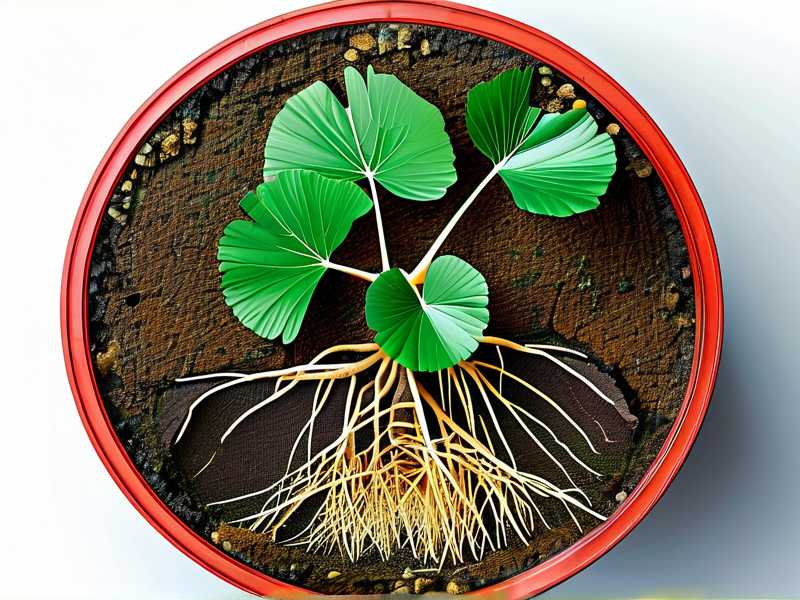
- The Discovery: I carefully removed the plant from its pot. The root ball was a tight, dense mass circling the bottom—classic root-bound conditions. For a multi-stem money tree, this competition is intense.
- The Action: I selected a new pot only 2 inches wider in diameter with excellent drainage. Using a fresh, well-draining potting mix (I used a blend of regular potting soil, perlite, and orchid bark), I gently loosened the outer roots and placed the plant in the new pot.
- The Immediate Aftermath: The plant looked a little shocked for 2-3 days. Some leaves drooped. I kept it in stable, shaded conditions and resisted the urge to overwater.
- The 2-Week Recovery: By the end of the observation period, the drooping stopped. The soil dried more evenly, and the overall plant seemed perkier. This single step was the most transformative for its long-term health.
Common Problems and How I Solved Them
- Yellowing Leaves: Initially, I saw this and thought “nutrient deficiency!” I almost fertilized, which would have worsened the overwatered roots. I learned yellow leaves often mean too much water, not too little food. I corrected my watering first, and the yellowing stopped.
- Soft Trunk Base: On one trunk, I noticed a slight softness near the soil line. Panic! I immediately isolated the plant, cut back watering drastically, and applied a sprinkle of cinnamon (a natural antifungal) to the area. I increased air circulation around the pot. The softness did not spread, and the trunk firmed up over the following week. Catching it early was key.
- Pest Patrol: During my weekly wipe-down, I found a few tell-tale signs of spider mites—fine webbing. I immediately treated all leaves, especially the trunk junctions, with a solution of neem oil and insecticidal soap. A follow-up treatment a week later eradicated them.
Frequently Asked Questions
Can I separate the trunks of my money tree? You can, but it’s a high-stress operation best done during repotting in spring. The roots are often heavily intertwined. For braided trees, cutting them apart can cause significant damage. I chose not to separate mine, focusing instead on giving the clustered roots more space in a larger pot, which solved my issues without the risk.
How often should I fertilize a multi-trunk money tree? Less than you think! During my active growing season (spring and summer), I now use a balanced, water-soluble fertilizer diluted to half strength every month. I did not fertilize at all during my two-week corrective period, as the fresh potting mix contained nutrients and the plant was under stress. Over-fertilizing can burn the roots, especially in a tight root system.

Why is one trunk thinner or growing slower than the others? This is common. In a cluster, trunks naturally compete. The thinner trunk might be getting less light or have a slightly weaker root system. My solution was to ensure even light through rotation and to make sure my watering technique thoroughly saturated the entire root ball, not just one side. Patience is important; it may never catch up completely, but it can remain healthy.
Caring for a money tree with multiple trunks is a rewarding practice in observation and patience. It teaches you to look beyond the leaves and understand the hidden world of roots and shared resources. By focusing on deep but infrequent watering, ensuring even light, maintaining cleanliness, and providing adequate pot space, you support the entire community of trunks in your care. The journey from uncertainty to confidence took me a focused two weeks, and the thriving, glossy green plant in my living room is now a testament to a little knowledge and a lot of attentive love.