admin
admin How to Fix a Leaning Money Tree: A Plant Lover's Step-by-Step Rescue Guide
I’ve been there. You walk into your living room, and your once-proud Money Tree (Pachira aquatica) is doing a dramatic, gravity-defying lean. It’s not the charming, artistic tilt you see in magazines; it’s a desperate, “I’m about to topple over” cry for help. As a long-time indoor gardener, I know this panic well. A leaning Money Tree isn’t just an eyesore; it’s a clear signal that something in its care routine is off-balance. The good news? It’s almost always fixable. After rescuing several of my own plants from this plight, I’ve developed a reliable, hands-on method. In this guide, I’ll walk you through exactly how to fix a leaning Money Tree, sharing my real-world steps, a two-week observation log, and the mistakes I made so you can avoid them.
Understanding Why Your Money Tree is Leaning

Before we start propping and repotting, it’s crucial to play plant detective. A lean is a symptom, not the disease itself. Based on my experience and consultations with resources from the Royal Horticultural Society (RHS), the main culprits are almost always related to light or physical stability.
The Primary Cause: Uneven Light Exposure Plants grow towards their light source. If your Money Tree sits in a spot where light comes strongly from one side—a window, for instance—it will literally bend over backwards to get more of it. This process, called phototropism, is the number one reason for a gradual, directional lean.
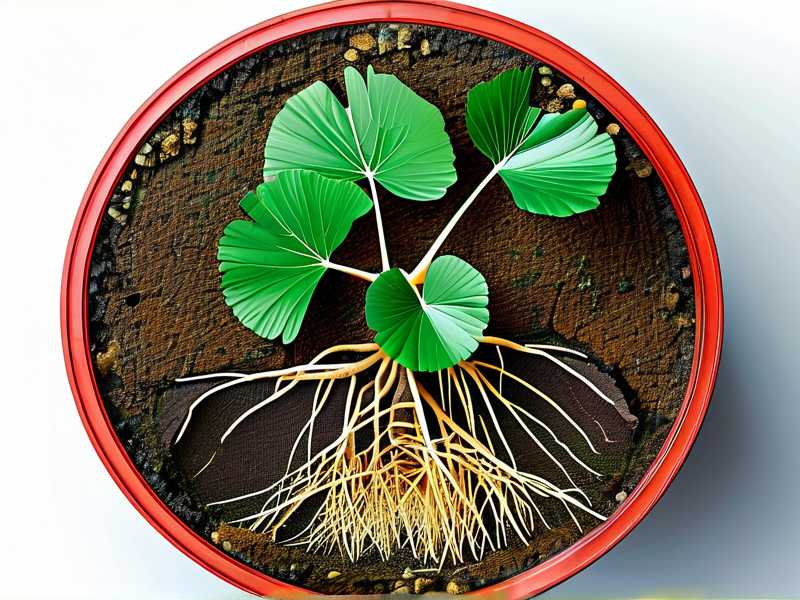
The Structural Culprits: Root and Soil Issues Sometimes, the problem is under the soil. Weak, rotting roots from overwatering can’t anchor the plant. Similarly, if the plant has become top-heavy as it’s grown, or if it was planted in a pot that’s too small or too shallow, it simply lacks a stable base. A sudden lean often points to this.
The Simple Oversight: Lack of Rotation This was my first big mistake. I found a perfect spot for my Money Tree and never moved it. Over months, it developed a pronounced, graceful but problematic curve toward the bay window. I hadn’t given it the even growth a braided trunk needs.
My Step-by-Step Process to Correct the Lean
I recently adopted a large, neglected Money Tree with a severe southward lean. Here is the exact process I followed, documented over two weeks.
Week 1: Assessment and Immediate Intervention
Day 1-2: Diagnosis and Strategic Repositioning First, I gently examined the plant. The soil was dry, and the lean was toward the brightest window. I ruled out immediate root rot. My first action was to carefully rotate the pot 180 degrees. This turns the “back” of the plant, which has been stretching, towards the light, encouraging it to correct itself over time. I made a small mark on the pot to track rotations.

Day 3: The Stake and Tie Support System Because the lean was pronounced, rotation alone wouldn’t be enough for quick support. I inserted a sturdy bamboo stake into the soil, placing it close to the trunk but careful to avoid major roots. Using soft, flexible plant ties (never wire or string that can cut into the bark), I loosely secured the trunk to the stake at two points. The key word is loosely—you want to guide, not strangle. The American Horticultural Society (AHS) emphasizes allowing for natural movement and growth; ties should be checked and adjusted regularly.
Day 4-7: Optimizing the Environment I ensured the plant received bright, indirect light from multiple directions by supplementing with a grow light on the opposite side of the window. I also checked its watering schedule, ensuring a thorough soak only when the top 2-3 inches of soil were dry. Proper health is key to recovery.
The First Pitfall and Fix: Over-Tightening By Day 5, I noticed a slight indentation on the trunk where my tie was. I had tightened it too much in my zeal to straighten it fast. I immediately loosened it and added a piece of soft foam between the tie and the trunk as a cushion. This is a critical lesson: Patience is required. Correcting a lean is a gradual process.
Week 2: Observation, Adjustment, and Long-Term Planning
Day 8-14: Monitoring Progress and Root Check After one week of consistent, even light and gentle support, I could already see a slight improvement. The plant wasn’t straining as hard toward the window. On Day 10, I decided to check the root system, as the pot seemed slightly small for its size. I gently tipped the plant out. The roots were healthy but very crowded—they were indeed circling the bottom, explaining some instability.
Day 11: The Repotting Solution For a long-term fix, repotting was necessary. I selected a new pot only 2 inches wider in diameter with excellent drainage holes. Using a fresh, well-draining potting mix (I used a blend of regular potting soil, perlite, and orchid bark), I repotted the Money Tree. During this process, I positioned the trunk as upright as possible in the center of the new pot, firming the soil around it to provide a solid, new anchor. I re-established the stake for continued support while its roots established in the new space.
The Second Pitfall and Fix: Overwatering After Repotting Anxious to help, I watered it heavily right after repotting. The plant looked sluggish for two days. I realized the fresh soil held moisture longer, and the disturbed roots were vulnerable. I placed it in a breezier area to help the soil dry appropriately and didn’t water again until the topsoil was dry. It perked up within 48 hours.
Final Observation and The Result By the end of the two-week period, the dramatic lean was significantly reduced. The combination of strategic rotation, gentle staking, and finally, repotting into a stable base, had worked. The new growth was emerging more upright. The plant was stable, secure, and on a clear path to recovery. I continued rotating it a quarter turn every week to ensure even growth.
Preventing Future Leans: Best Practices for a Healthy Money Tree
Fixing the problem is one thing; preventing its return is another. Here’s my ongoing care routine to maintain a straight, healthy plant.
Implement a Consistent Rotation Schedule. This is the simplest and most effective preventive measure. Rotate your Money Tree a quarter turn every time you water it. This guarantees all sides receive equal light and promotes symmetrical, upright growth.
Provide Strong, Indirect Light. Place your Money Tree in a spot with plenty of bright, filtered light. If a window is unavoidable, rotate more frequently. Consider a sheer curtain to diffuse direct sunlight that can cause one-sided growth spurts.
Water Deeply but Infrequently. Always check the soil moisture first. Water thoroughly until it runs from the drainage holes, then allow the top few inches to dry out completely. This promotes a strong, deep root system that anchors the plant.
Repot Before It Becomes Necessary. Every 2-3 years, or when you see roots circling the surface or poking from the drainage holes, size up your pot. A stable root mass in appropriately sized soil is the best foundation.
Use Support During Growth Spurts. Don’t be afraid to use a stake temporarily during active growth periods, especially for taller plants. It’s a proactive tool, not a sign of failure.
My Money Tree is leaning after repotting. What did I do wrong? This is common and usually due to the soil not being firmly settled around the roots, or the plant being positioned crookedly in the pot. Gently reposition the plant in the pot, add more soil to stabilize it, and use a stake for temporary support as it re-establishes. Ensure you’re not watering too much, as soggy soil won’t hold roots firmly.
Can I just cut the bent part of the trunk off? You can prune a Money Tree, but cutting a main braided trunk to fix a lean is a drastic, last-resort measure. The plant may not regrow from that point in a desirable way. It’s almost always better to patiently correct the lean through the methods described above. Pruning is better suited for managing top-heavy growth or removing unhealthy stems.
How long until my Money Tree is completely straight? Manage your expectations. A plant grows slowly. A significant lean may take several months to a year to fully correct. The goal after immediate intervention is to see new growth coming in upright and the existing lean slowly improving. Consistency in care is your greatest tool.
Seeing your Money Tree lean can be worrying, but it’s a problem with a very direct solution. Success lies in correctly diagnosing the cause—usually light or stability—and applying a patient, supportive fix. My two-week journey showed that even a serious lean starts to respond quickly to the right care. Regular rotation, proper potting, and attentive watering will keep your Money Tree standing tall, stable, and thriving for years to come, bringing that sought-after green prosperity to your space.