admin
admin How to Create a Mini Indoor Garden Centered Around Your Money Tree
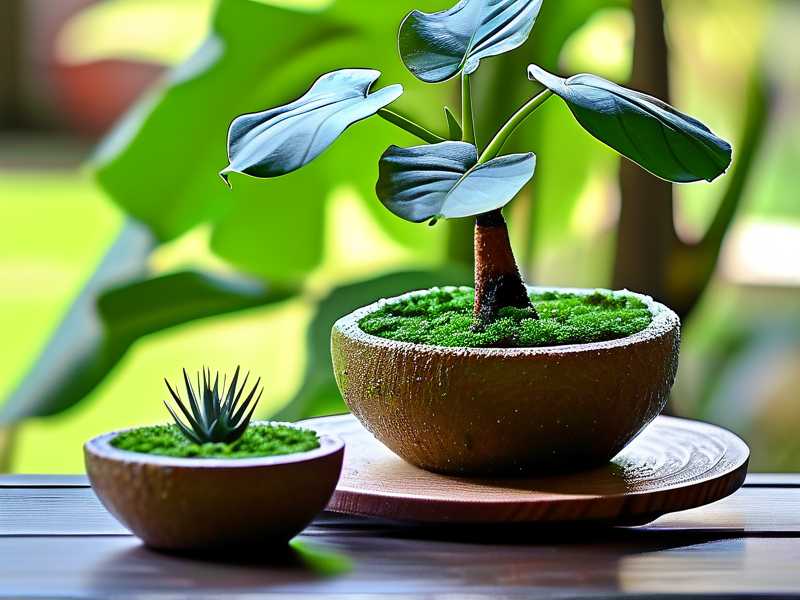
Does your money tree feel lonely on its stand, looking more like a solitary decoration than a thriving piece of nature? You’re not alone. Many plant lovers start with a single, promising money tree, only to feel their space lacks the lush, vibrant energy of a true indoor jungle. The good news is that your money tree can be the perfect anchor for a stunning, cohesive mini indoor garden. This guide will walk you through creating a beautiful, low-maintenance ecosystem that highlights your money tree and transforms any corner of your home into a serene green oasis.
Why Your Money Tree is the Perfect Centerpiece
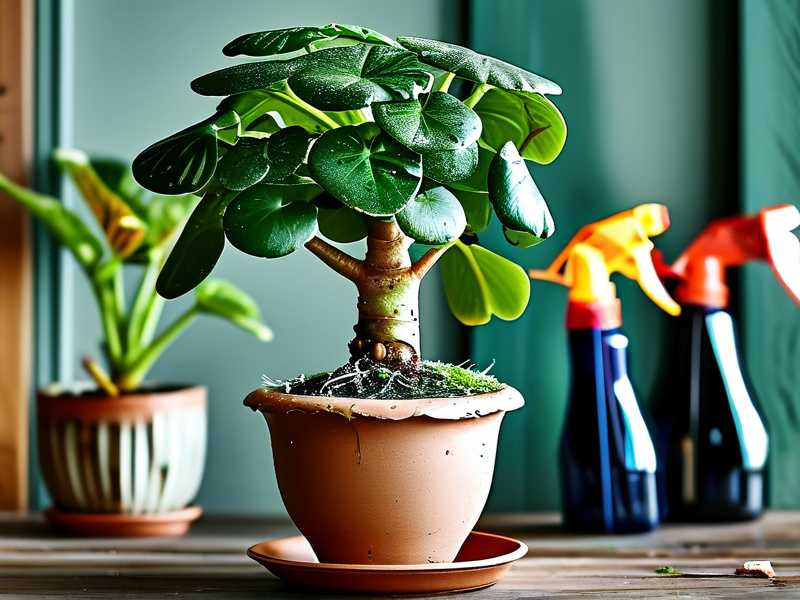
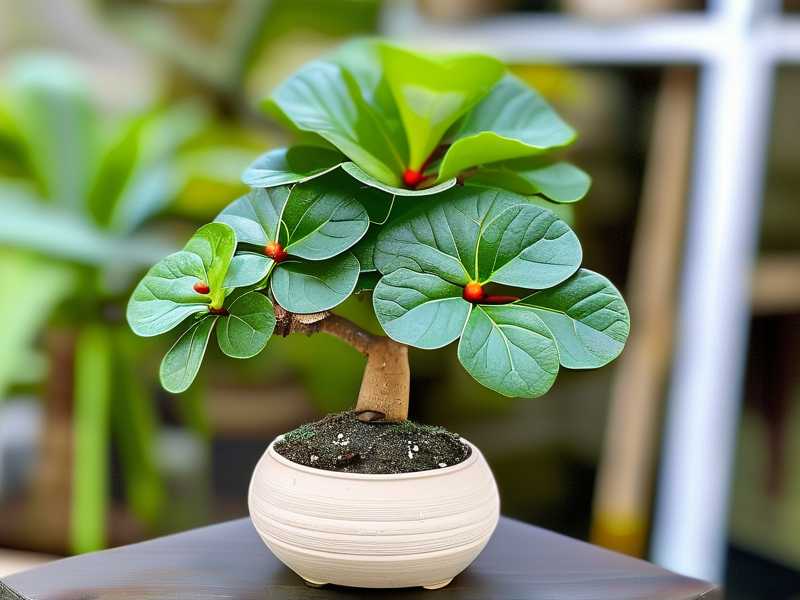
The money tree, scientifically known as Pachira aquatica, is more than just a symbol of good fortune. Its unique braided trunk and glossy, palmate leaves bring structure and visual interest to any plant arrangement. More importantly, it has specific but manageable care requirements that make it an ideal "anchor plant" for a themed garden. By understanding its needs—bright, indirect light, moderate watering, and good drainage—you can select companion plants that thrive under similar conditions, creating a harmonious and easy-to-care-for display.
Planning Your Mini Indoor Garden Layout
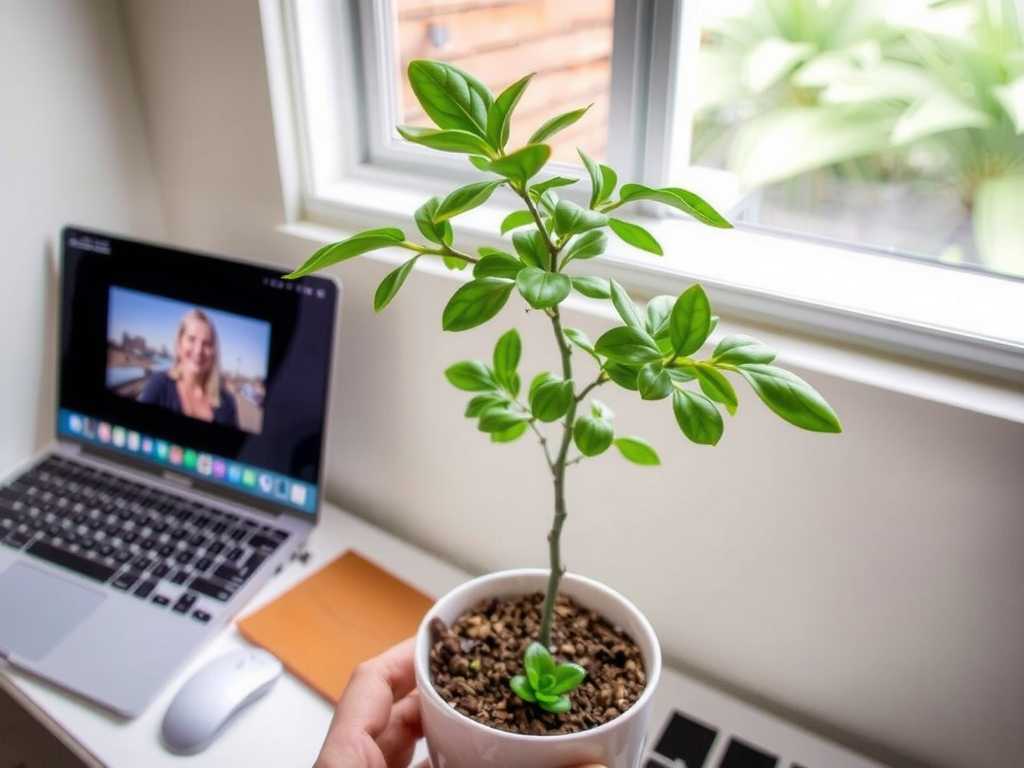
Before you buy a single new plant, take time to plan. Consider the space you have available. A sunny windowsill, a bright bathroom shelf, or a dedicated plant console table can all become the foundation for your garden.
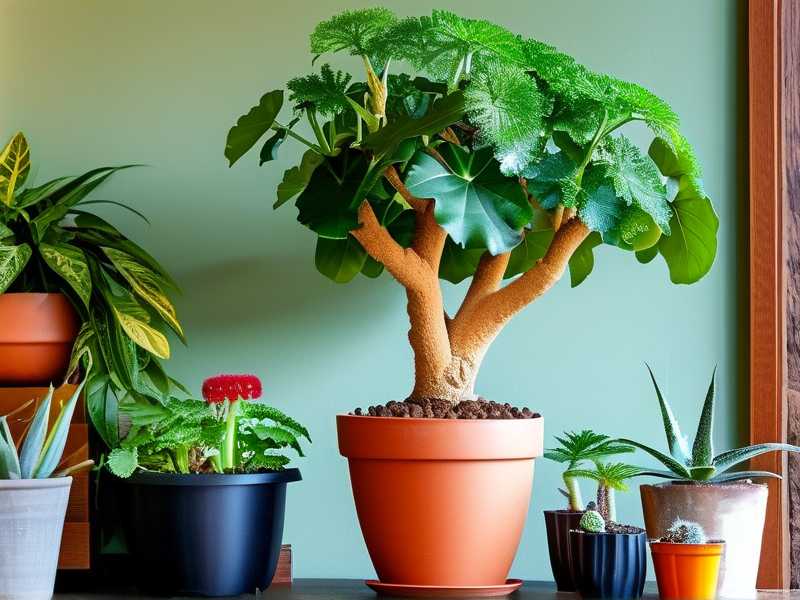
Start by assessing the light. Your money tree prefers bright, indirect sunlight. A spot near an east or north-facing window is often ideal. Once you’ve identified the perfect location for your centerpiece, you can think in layers: tall background plants, your money tree as the mid-height focal point, and trailing or smaller plants in the foreground. This approach adds depth and makes your mini garden look full and intentional.
Selecting the Perfect Companion Plants
The key to a successful mini garden is choosing plants with compatible needs. This ensures all your green friends grow happily together, reducing maintenance and preventing issues. Here are excellent companions for your money tree:
For Texture and Contrast:
- Snake Plant (Sansevieria): Its upright, architectural leaves provide a stunning contrast to the money tree’s rounded canopy. It’s incredibly drought-tolerant and thrives in similar light.
- ZZ Plant (Zamioculcas zamiifolia): With its glossy, dark green leaflets, the ZZ plant adds a modern touch and is famously low-maintenance.
For Softness and Trailing Interest:
- Pothos (Epipremnum aureum): Available in golden, marble, or neon varieties, pothos vines can gracefully spill over the edge of a pot or shelf, softening the arrangement.
- Heartleaf Philodendron: Another easy-going vining plant, its heart-shaped leaves add a charming, lush feel to the garden’s lower levels.
For a Pop of Color:
- Peperomia: Varieties like the Watermelon or Raindrop Peperomia offer beautiful leaf patterns and colors while enjoying the same moderate watering schedule.
- Chinese Evergreen (Aglaonema): These plants come in stunning shades of pink, red, and silver, tolerating lower light conditions if your space is not super bright.
Choosing the Right Container and Soil
You have two main options: a single, large shared container or a curated grouping of individual pots. A large, shallow pot or planter box allows you to plant everything together, creating an instant miniature landscape. Ensure it has excellent drainage holes. For a more flexible approach, group pots of varying sizes and heights together on a tray or stand. This lets you move plants individually if needed.
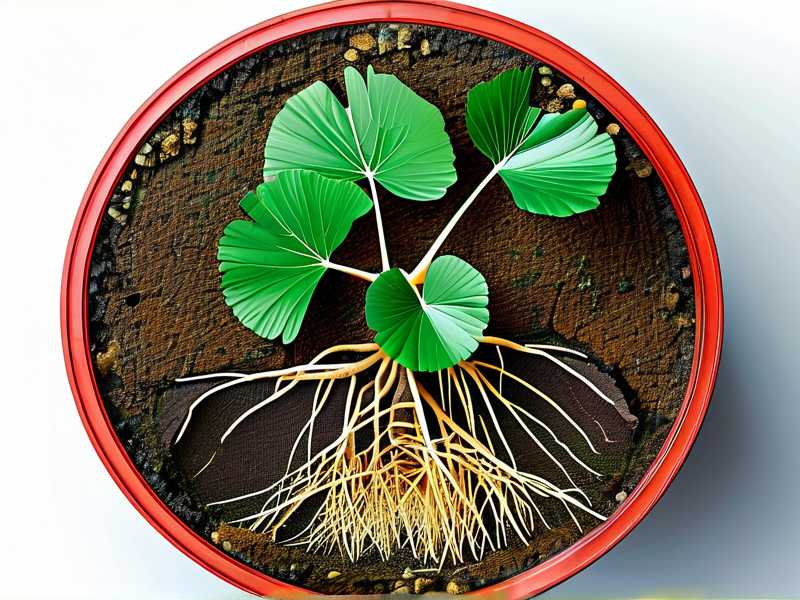
Soil is critical. A well-draining, peat-based potting mix is perfect for your money tree and most of its suggested companions. You can amend a standard indoor potting mix with perlite or orchid bark to increase aeration and prevent root rot, a common issue with overwatering. Horticulturist Dr. Linda Chalker-Scott emphasizes, "For container plants, drainage is non-negotiable. A soil mix that holds some moisture but drains excess water quickly is the foundation of healthy root systems."
A Step-by-Step Guide to Assembly
- Prepare Your Base: If using a shared container, place a layer of small stones or broken pottery over the drainage holes. Fill it about one-third full with your premium potting mix.
- Position Your Centerpiece: Gently remove your money tree from its nursery pot. Place it in the container, slightly off-center for a more dynamic look. The top of its root ball should sit about an inch below the rim.
- Add Companion Plants: Arrange your other plants around the money tree. Plant taller specimens behind it and trailing ones near the edges. Fill in gaps with soil, gently firming it around the roots.
- Initial Care: Water the assembly thoroughly until water runs out of the drainage holes. Allow it to drain completely before placing it on its saucer or decorative tray.
Essential Care for Your Thriving Mini Garden
Your new ecosystem simplifies care, as most plants share similar requirements.
Watering Wisdom: The golden rule is to check the soil. Insert your finger about an inch deep. If it feels dry, it’s time to water your mini indoor garden. Soak thoroughly, then let the soil dry out partially before watering again. This cycle is perfect for your money tree and its companions, preventing overwatering.
Light and Location: Maintain the bright, indirect light your money tree loves. Rotate your garden or the individual pots every few weeks to ensure even growth and prevent plants from leaning toward the light source.
Feeding and Maintenance: During the growing season (spring and summer), feed your plants monthly with a balanced, water-soluble fertilizer diluted to half strength. Wipe the leaves of your money tree and other broad-leaf plants occasionally with a damp cloth to keep them dust-free and efficient at photosynthesis.
Troubleshooting Common Issues
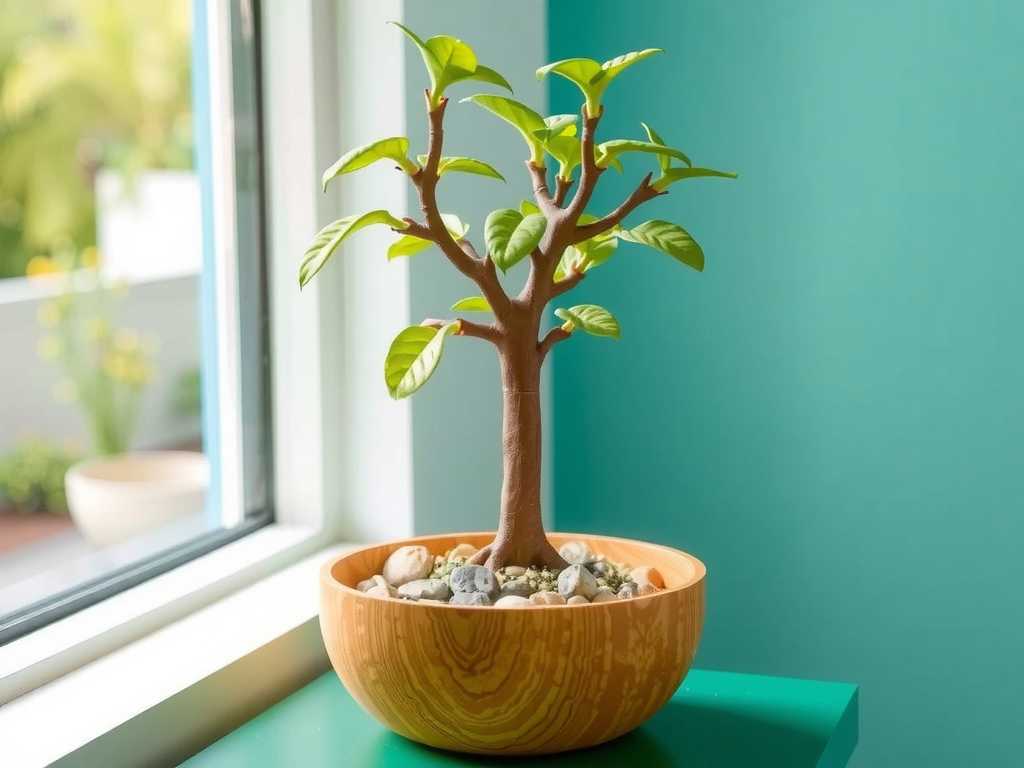
- Yellowing Leaves on Money Tree: This is often a sign of overwatering. Check your soil moisture and ensure your container drains properly. Let the soil dry out more between waterings.
- Leggy Growth or Small Leaves: This indicates insufficient light. Try moving your garden to a brighter location or supplementing with a grow light.
- Pests: Isolate any affected plant immediately. Treat common pests like spider mites or mealybugs with insecticidal soap or neem oil, applying to all plants in the group as a preventative measure.
How often should I water my entire money tree garden? There’s no fixed schedule. Always check the soil moisture first. Water only when the top inch of soil is dry to the touch. This might be every 1-2 weeks, depending on the season, humidity, and light in your home.
Can I use succulents with my money tree? It’s not generally recommended. Money trees prefer consistently moist (but not wet) soil, while most succulents need long periods of complete dryness. Their differing water needs make them incompatible companions in a shared pot.
My money tree is dropping leaves. Is my mini garden failing? Not necessarily. Some leaf drop is normal as the plant adjusts to a new environment or as older leaves are shed. Significant leaf loss usually points to a change in its conditions—check for drafts, sudden temperature shifts, or a change in your watering routine. Ensure it’s not sitting in a cold or hot airflow from vents.
Creating a mini indoor garden around your money tree is a rewarding project that amplifies the beauty of a single plant into a captivating display. By selecting compatible companions, using the right soil, and following a consistent care routine, you build a resilient and beautiful ecosystem. This curated green space not only enhances your home’s aesthetic but also creates a personal sanctuary of growth and tranquility. Start planning your garden today, and watch as your money tree flourishes at the heart of your own indoor oasis.