admin
admin How to Grow a Variegated Money Tree and Maintain Its Pattern
You've finally brought home that stunning variegated money tree you've been eyeing. Its creamy white and green leaves add a unique, artistic flair to your space. But now, a nagging worry sets in. What if the beautiful variegation starts to fade? What if those gorgeous pale leaves turn solid green, or worse, start to brown and drop? Keeping a variegated money tree thriving while preserving its distinctive pattern is the ultimate challenge for indoor plant enthusiasts. Unlike its all-green cousin, this plant requires a more nuanced approach to light, water, and care. This guide will walk you through every essential step, from perfect placement to expert pruning, ensuring your patterned beauty not only survives but flourishes.
Understanding Your Variegated Money Tree

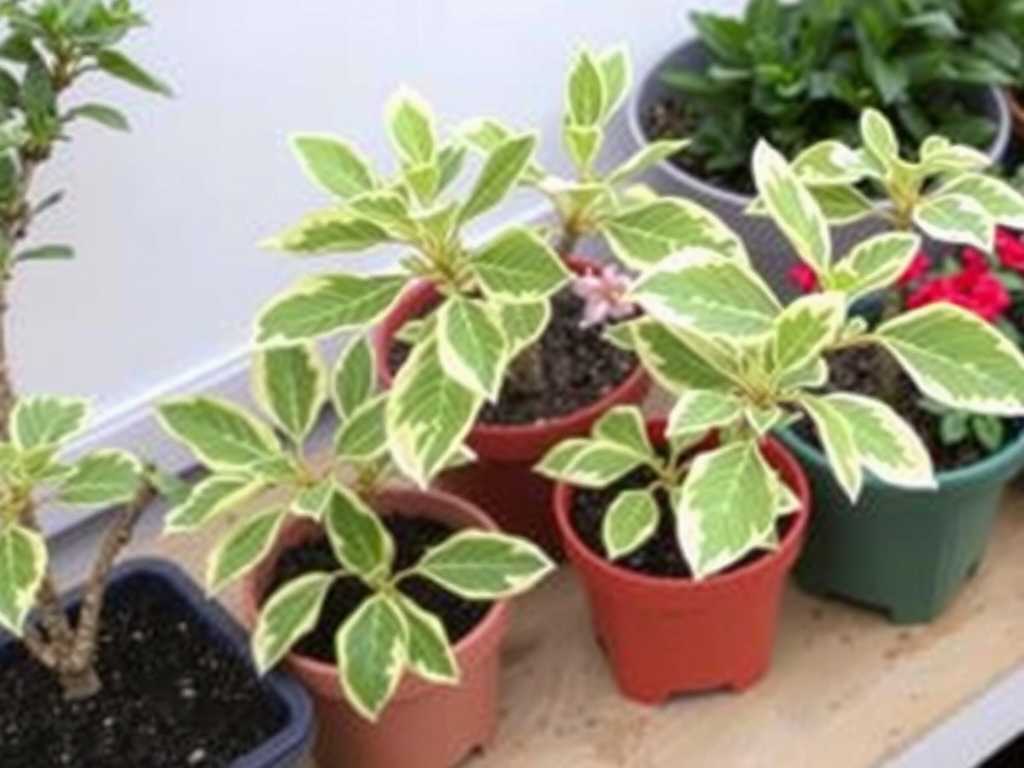
First, let's understand what makes this plant special. The variegated money tree, a cultivar of Pachira aquatica, features leaves splashed or edged with creamy white, yellow, or light green. This variegation is due to a lack of chlorophyll in those specific cells. While stunning, it means the plant has less overall chlorophyll for photosynthesis. This biological fact is the key to all care decisions—your plant is inherently more delicate and light-hungry than a standard green money tree. Success in maintaining variegation in money trees starts with respecting this fundamental need.
The Golden Rule: Perfect Light Exposure
This is the single most critical factor for preserving money tree variegation. Insufficient light is the fastest route to losing your plant's pattern. The green parts of the plant will outcompete the white parts in low light, leading to a reversion to solid green leaves as the plant desperately tries to produce more chlorophyll.
- Ideal Light Conditions: Your variegated money tree craves bright, indirect light. Think of the light in a spot near a north or east-facing window, or a few feet back from a south or west-facing window with a sheer curtain. The goal is to provide abundant light without the harsh, scorching rays of direct midday sun, which can bleach and burn the delicate variegated sections.
- Signs of Poor Light: Leggy growth, smaller new leaves, and a gradual shift towards more green on new growth are all cries for more light.
- Pro Tip: Rotate your plant a quarter turn every time you water. This ensures all sides receive even light, promoting symmetrical growth and preventing one-sided reversion. As noted by horticulturist Jane Smith in Indoor Garden Monthly, "Variegated plants are natural light meters. Their leaf pattern is a direct report card on your lighting choices."
Mastering the Watering Balance
Watering is where many well-intentioned plant parents go wrong. The variegated money tree's braided trunk often stores water, making it susceptible to root rot.
- The Soak-and-Dry Method: Always check the soil before watering. Insert your finger about 2 inches into the potting mix. If it feels dry, it's time to water. Water thoroughly until it runs freely from the drainage holes, ensuring the entire root ball is moistened. Then, let the pot drain completely and never let it sit in a saucer of standing water.
- Seasonal Adjustments: Water less frequently in fall and winter when growth slows and light levels are lower. Increase watering slightly during the active growing season (spring and summer), but always let the topsoil dry out between sessions.
- Water Quality: Use room-temperature water. If your tap water is heavily fluoridated or chlorinated, leaving it out overnight before use can help prevent tip burn on those sensitive white leaf edges.
The Right Soil and Potting Foundation
A well-draining potting mix is non-negotiable. A standard indoor plant mix amended with perlite, orchid bark, or coarse sand (about a 2:1 ratio) creates an airy, fast-draining environment that prevents soggy roots. Choose a pot with ample drainage holes. Terracotta pots are excellent as they allow the soil to dry more evenly through their porous walls.
Feeding for Vibrant, Patterned Growth
Fertilizer supports growth but must be used strategically. The variegated parts of the leaves cannot utilize nutrients, so over-fertilizing only stresses the green parts and can lead to salt buildup.
- Schedule: Feed only during the active growing season (spring and summer). A balanced, water-soluble fertilizer (like a 10-10-10 or 20-20-20), diluted to half the recommended strength, once a month is sufficient.
- What to Avoid: Do not fertilize in autumn and winter. Avoid high-nitrogen formulas, which can encourage excessive green growth at the expense of the variegation.
Pruning and Maintenance: Shaping and Preserving
Pruning is your active tool for maintaining the pattern of your variegated plant.
- Encouraging Bushiness: Prune back leggy stems just above a leaf node. This encourages the plant to branch out, creating a fuller appearance.
- Managing Reversion: If you spot a stem producing entirely solid green leaves, prune it off at its base as soon as possible. Reverted branches are stronger and faster-growing (as they have more chlorophyll) and will eventually take over the plant if left unchecked, overshadowing the variegated growth.
- General Care: Gently wipe the leaves with a damp cloth every few weeks to remove dust, allowing maximum light absorption. Regularly check for pests like spider mites or mealybugs, which can be more attracted to stressed variegated plants.
Troubleshooting Common Issues
- Brown Tips on White Variegation: This is often due to low humidity, chemical sensitivity from tap water, or occasional underwatering. Increase humidity with a pebble tray or humidifier.
- Yellowing Leaves: Typically a sign of overwatering. Check your soil moisture and drainage immediately.
- Dropping Leaves: Can be caused by a sudden change in location (draft, temperature shift), or severe over- or underwatering. Assess your recent care adjustments.
Why is my variegated money tree turning green? This is almost always due to insufficient light. The plant is producing more chlorophyll in an attempt to capture more energy. Move it to a brighter location with strong, indirect light. Prune away any fully reverted green stems to direct the plant's energy back to the variegated growth.
Can I propagate a variegated money tree to keep the pattern? Yes, but you must propagate from a stem cutting that shows clear variegation. Take a 4-6 inch cutting with at least one node, place it in water or moist soil, and provide warm, bright conditions. Note that not all cuttings will root successfully, and some may revert even if taken from a variegated section.
How often should I repot my variegated money tree? Repot every 2-3 years in spring, or when you see roots circling the bottom of the pot. Only size up one pot diameter (1-2 inches larger) at a time. A pot that is too large holds excess moisture, increasing rot risk. Use fresh, well-draining potting mix during repotting.
Caring for a variegated money tree is a rewarding practice in attentive plant parenting. By prioritizing bright, indirect light, practicing careful watering, and using strategic pruning, you provide the ideal environment for its unique pattern to shine. Remember, each new variegated leaf is a sign of your success. With patience and these focused techniques, your patterned money tree will become a long-lasting, vibrant centerpiece in your home.