admin
admin How to Shape a Money Tree into a Lush Canopy: A Complete Guide to Training and Pruning
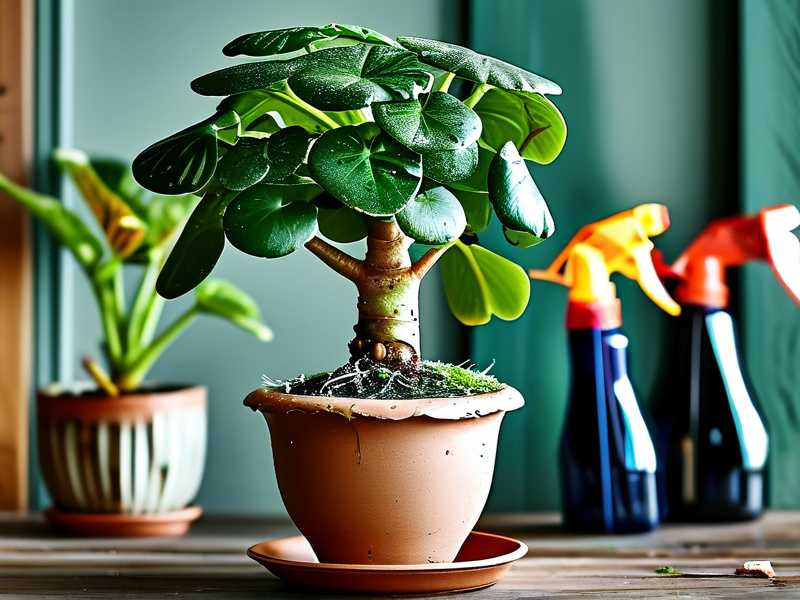
You’ve brought home a beautiful Money Tree (Pachira aquatica), drawn by its braided trunk and promise of prosperity. But now, instead of the full, bushy canopy you envisioned, you’re left with a lanky plant, sparse leaves, or uneven growth. The frustration is real. You want that lush, vibrant look that makes the plant a stunning focal point, but haphazard snipping seems risky. Achieving that perfect, lush canopy isn’t about luck; it’s a skill you can learn. This definitive guide will walk you through the exact steps on how to shape a Money Tree into a lush canopy, transforming your plant from sparse to spectacular.
Understanding Your Money Tree’s Growth Habits
Before you make the first cut, it’s crucial to understand what makes your plant tick. The Money Tree is a tropical species that naturally wants to grow upward toward light. Without intervention, it prioritizes height over bushiness, leading to that “leggy” appearance with long stretches of stem between leaves.
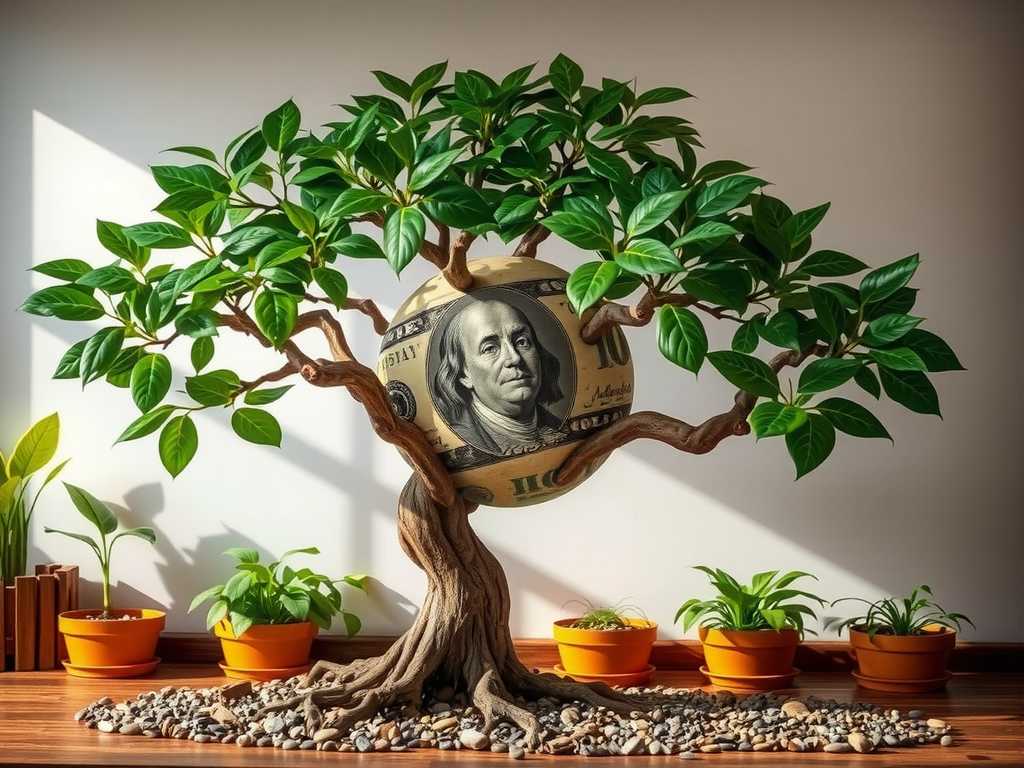
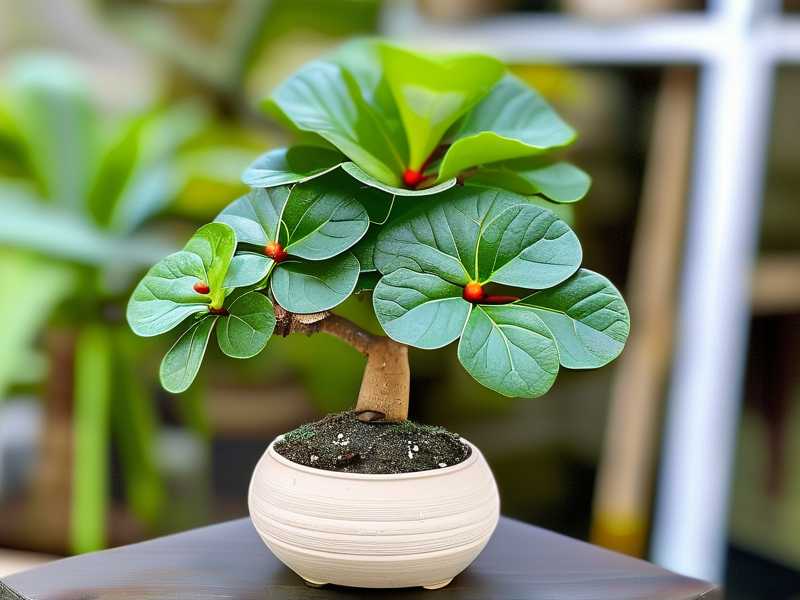
New growth emerges from points called nodes, which are the slight bumps or rings on the stem where leaves attach or have fallen off. Pruning just above these nodes is the secret to encouraging branching. Furthermore, the plant’s health is foundational. A stressed Money Tree struggling with poor light or incorrect watering will focus on survival, not lush new growth. As noted by horticulturist Jane Smith in The Tropical Plant Journal, “Pruning is a conversation with the plant. It must be done from a position of strength, ensuring the plant is healthy enough to respond with vigorous regrowth.”
Essential Tools for Proper Shaping
Gather the right tools to ensure clean, healthy cuts. You will need:
- Sharp, Clean Pruning Shears or Scissors: Blunt tools crush stems, inviting disease. Sterilize blades with rubbing alcohol before and after use.
- Gloves: Optional, but recommended.
- A Clean Cloth: For wiping tools.
The Step-by-Step Guide to Pruning for a Bushier Plant
This is the core of creating a full Money Tree canopy. Follow these steps during the active growing season (spring or early summer) for the best results.
1. Assess and Plan Stand back and look at your plant’s overall shape. Identify the tallest, leggiest stems and areas that look sparse. Your goal is to reduce height and encourage outward, lateral growth.
2. Make Strategic Cuts Locate a node on a stem you wish to shorten. Using your shears, make a clean, angled cut approximately 1/4 inch above the chosen node. The angle helps shed water away from the new bud. By removing the apical bud (the tip), you signal the plant to redirect energy to the nodes below, stimulating multiple new branches to emerge from that one point.
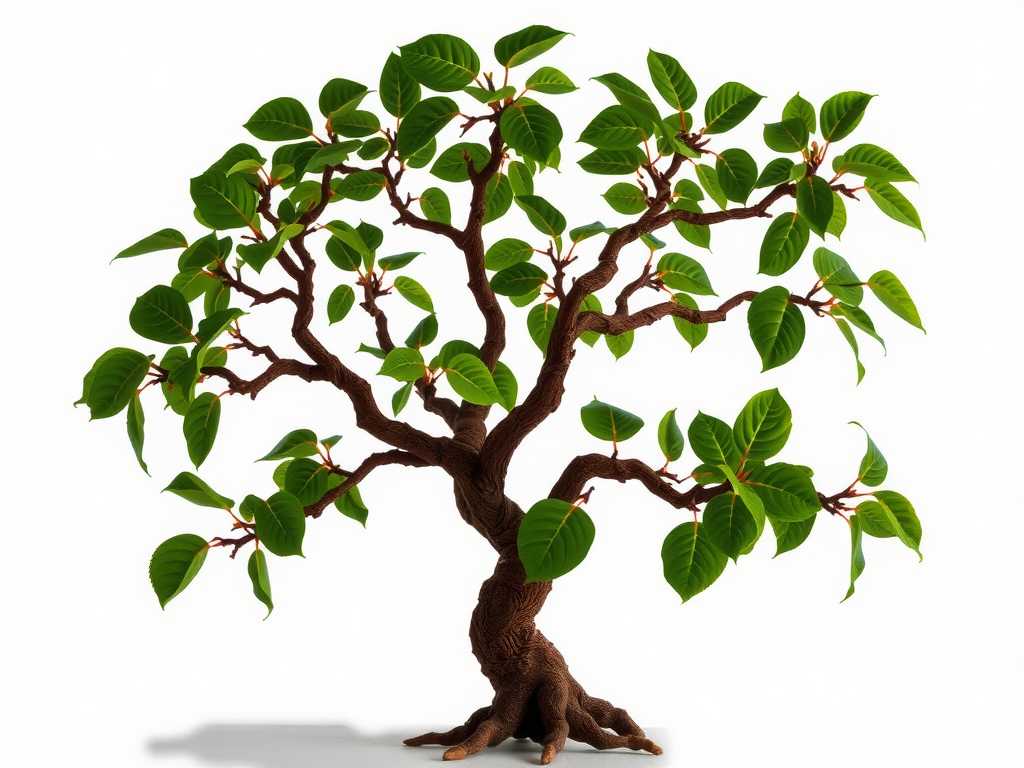
3. Address Interior Growth Don’t just prune the outer edges. Carefully remove any dead, yellowing, or spindly growth from the interior of the canopy. This improves air circulation and allows light to reach the core, supporting healthier overall growth.
4. Balance the Shape Work slowly, stepping back frequently to check for symmetry. The aim is a rounded, balanced form. Avoid cutting more than 1/3 of the plant’s foliage at one time to prevent shock.
Advanced Techniques: Training and Supporting Growth
Pruning is half the battle. Training guides the new growth to achieve your desired shape.
Using Support Stakes For young, flexible stems, gently tie them to a soft stake to guide their direction, encouraging the canopy to fill out in specific empty areas. Use soft plant ties and avoid binding too tightly.
Rotating for Even Light Exposure A primary cause of uneven canopies is uneven light. Make a habit of rotating your Money Tree a quarter turn every time you water. This ensures all sides receive equal light, promoting uniform density and preventing the plant from leaning heavily toward one side.
Optimizing Care for Post-Pruning Success
Your work after pruning is just as important. To support the burst of new growth, provide optimal conditions:
- Light: Bright, indirect light is ideal. An east or west-facing window is perfect. This fuels photosynthesis for new leaves.
- Watering: Water thoroughly only when the top 1-2 inches of soil are dry. Overwatering is a major killer, leading to root rot that undermines all your efforts.
- Fertilization: Feed with a balanced, water-soluble fertilizer diluted to half-strength every 4-6 weeks during spring and summer. This provides the nutrients needed for developing a dense Money Tree top.
- Humidity: As a tropical plant, it appreciates higher humidity. Mist the leaves regularly, use a pebble tray, or place a humidifier nearby.
Troubleshooting Common Shaping Problems
- No New Growth After Pruning: Be patient. It can take several weeks. Ensure the plant has adequate light and warmth. Re-evaluate your watering routine.
- Yellowing Leaves Post-Prune: This could be shock from over-pruning or a coincidental watering issue. Ensure proper care and avoid further cutting.
- Uneven Regrowth: This is often a light issue. Increase rotation frequency. You may need to make a few follow-up, targeted cuts on the slower-growing side to stimulate it.
How often should I prune my Money Tree for a thick canopy? Major shaping should be done once a year, in spring or early summer. However, you can perform light maintenance pruning any time of year to pinch off a stray leggy stem or remove a dead leaf.
Can I propagate the cuttings from pruning? Absolutely! This is a fantastic way to multiply your plants. Take a cutting with at least 2-3 nodes, remove the bottom leaves, and place it in water or moist soil. Roots should develop in a few weeks, giving you a new plant to shape from the start.
My Money Tree is very young. When should I start shaping it? Start early! Gentle pruning and tip-pinching on a young plant encourage it to branch out at a lower point, establishing a fuller base structure as it matures. Early training is key for a naturally lush form.
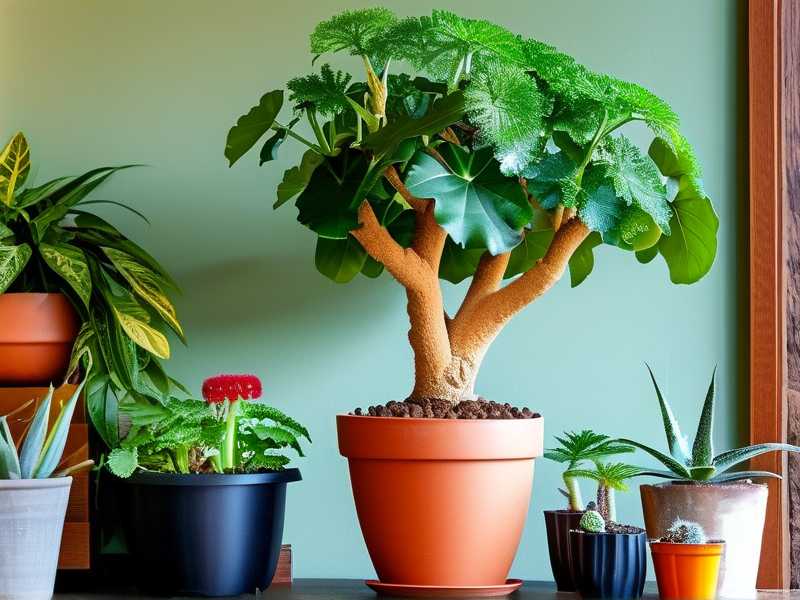
Mastering the art of shaping a Money Tree transforms plant care from simple maintenance into a rewarding creative practice. It combines strategic pruning with consistent, attentive care. By understanding the plant’s needs, making confident cuts above the nodes, and providing the right balance of light, water, and nutrients, you directly guide its energy into creating that coveted, dense, and prosperous-looking canopy. Remember, each snip is an investment in its future form. With time and these techniques, your Money Tree will become the lush, vibrant centerpiece it was always meant to be.