admin
admin How to Fix Leggy Growth on a Money Tree and Restore Its Lush Beauty
Is your once-full Money Tree (Pachira aquatica) starting to look more like a spindly, awkward palm? You’re not alone. Leggy growth, characterized by elongated stems with sparse, widely spaced leaves, is a common frustration for indoor plant enthusiasts. This stretched-out appearance signals that your plant is under stress, desperately searching for something it lacks. But don’t worry—a leggy Money Tree isn’t a lost cause. With the right corrective steps, you can encourage a denser, bushier, and healthier plant that lives up to its prosperous name.
Understanding the root causes of this issue is the first step toward a cure. By learning how to fix leggy growth on a Money Tree, you’re not just performing a cosmetic fix; you’re addressing its fundamental needs for light, care, and structure.
Why Is My Money Tree Getting Leggy? The Primary Culprits
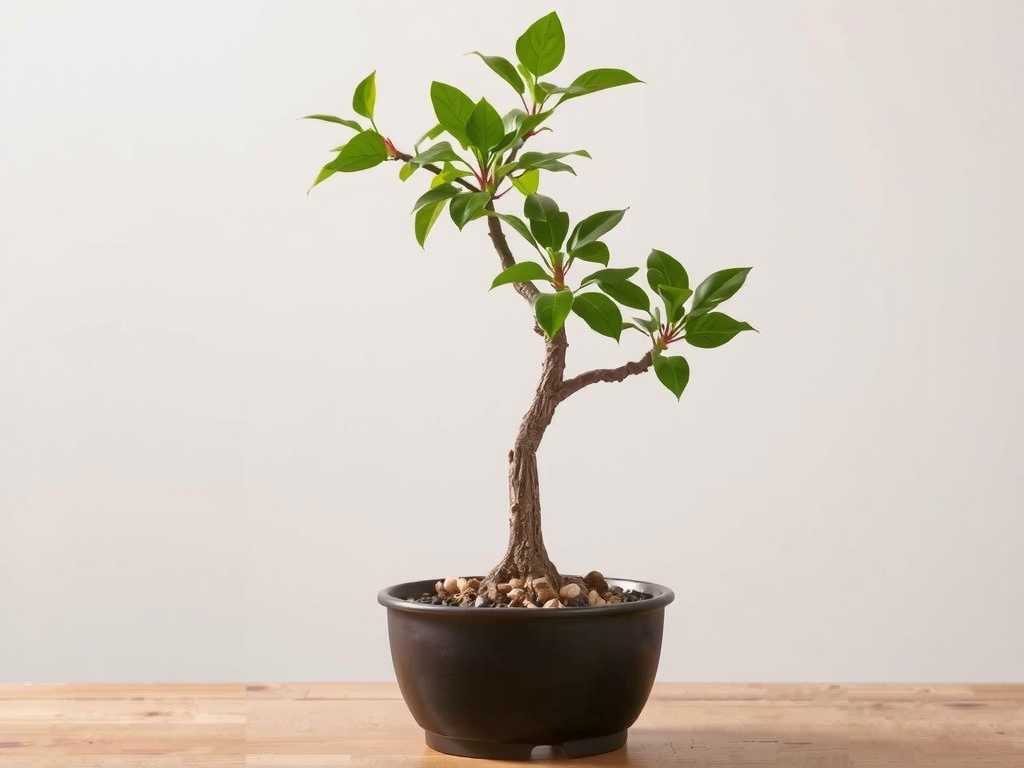
A Money Tree becomes leggy due to a condition called etiolation. In simple terms, this is the plant’s survival mechanism when it isn’t receiving enough of the right kind of light. The stems elongate rapidly, stretching toward any available light source in an attempt to maximize photosynthesis. While insufficient light is the leading cause, other factors can contribute to or exacerbate the problem.
- Insufficient Light: This is the #1 reason. Money Trees prefer bright, indirect light. A spot too far from a window, or in a room with only weak, filtered light, will trigger a growth spurt in the stems, not the leaves.
- Inconsistent Watering: Chronic overwatering can lead to root rot, weakening the plant and causing sparse growth. Underwatering stresses the plant, which can also result in poor, stunted, or uneven leaf development.
- Lack of Pruning: Money Trees in their natural habitat are regularly browsed by animals, which encourages branching. Indoors, without any pruning, they tend to grow a single leader stem upwards, becoming tall and top-heavy instead of full.
- Inadequate Nutrients: While not heavy feeders, a complete lack of fertilizer, especially during the growing season, can result in weak, slow growth that appears sparse.
Your Action Plan: How to Correct and Prevent Leggy Growth
Fixing a leggy Money Tree requires a multi-pronged approach: correcting the environment, strategically pruning, and optimizing care.
Step 1: Optimize Light Exposure
Your immediate action should be to reassess your plant’s location. Move your Money Tree to a spot where it can receive plenty of bright, indirect sunlight for most of the day. An east-facing window is often ideal. A south or west-facing window is excellent, but ensure the plant is shielded by a sheer curtain to prevent harsh direct rays from scorching the leaves.
If your home lacks natural bright light, don’t despair. Horticultural lighting expert Dr. Leslie F. Halleck notes, “For tropical foliage plants like the Money Tree, full-spectrum LED grow lights are a highly effective solution for supplementing natural light and preventing etiolation.” Consider using a grow light placed 12-18 inches above the plant for 6-8 hours a day to provide the necessary light energy for compact growth.
Step 2: The Art of Strategic Pruning
Pruning is the most direct and effective method to fix a leggy Money Tree and force a bushier shape. It might feel drastic, but it’s exactly what the plant needs. Always use clean, sharp pruning shears or scissors.
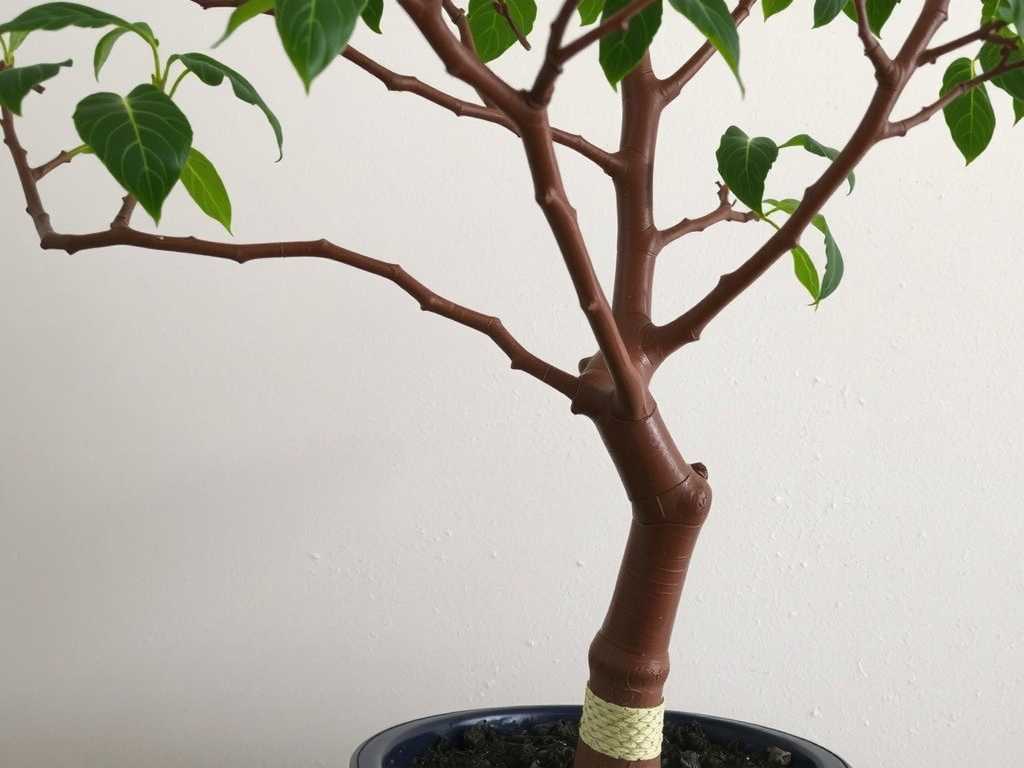
- Identify Nodes: Look for the small, brown, ring-like bumps on the stems where leaves have fallen or could grow. New growth will emerge from just above these nodes.
- Make Your Cuts: Decide how much height you want to reduce. To encourage branching, make your cut about 1/4 inch above a leaf node. You can prune the main trunk(s) to control height and any overly long, bare stems.
- Propagate the Cuttings: Don’t throw those healthy tips away! You can root them in water or soil to create new, compact plants. This is a rewarding way to multiply your greenery.
Step 3: Refine Your Watering and Feeding Routine
With improved light and a fresh prune, support your Money Tree’s recovery with consistent care.
- Water Deeply, But Infrequently: Allow the top 1-2 inches of soil to dry out completely between waterings. Then, water thoroughly until it runs out of the drainage holes. This cycle encourages strong root growth.
- Fertilize for Strength: During the active growing season (spring and summer), feed your plant monthly with a balanced, water-soluble fertilizer diluted to half-strength. This provides the nutrients needed to support all the new, dense growth you’re encouraging.
Step 4: Ongoing Maintenance for a Dense Canopy
- Rotate Regularly: Give the pot a quarter-turn every time you water. This ensures all sides of the plant receive equal light, preventing it from leaning and becoming lopsided.
- Wipe the Leaves: Gently dust the leaves every few weeks. A clean leaf surface can absorb more light efficiently, boosting the plant’s overall energy production.
- Monitor and Repeat: As new growth appears, you may lightly pinch off the very tips of new stems (pinching) to encourage even more branching. This creates a cascading effect of fullness.
Can I save the cuttings from my pruned Money Tree? Absolutely. Stem cuttings with a few leaf nodes are perfect for propagation. Place them in a glass of fresh water, ensuring at least one node is submerged. Change the water weekly, and in a few weeks, you should see roots developing. Once the roots are a few inches long, you can pot the cutting in well-draining soil.
Will moving my Money Tree to direct sunlight fix the legginess? No, this is a common mistake. Sudden exposure to intense direct sun can shock the plant, causing severe leaf burn and scorch. The goal is bright, indirect light. If using a sunny window, diffuse the light with a curtain. The new growth will be compact, but the existing elongated stems will not shorten.
How often should I prune my Money Tree to keep it bushy? The major corrective pruning is typically a once-a-year event, best done in late spring or early summer at the start of the vigorous growing season. However, light pinching of new stem tips can be done periodically throughout the growing season to maintain shape and encourage branching. Always observe how your plant responds.
A leggy Money Tree is a call for help, signaling a need for more light and attentive shaping. The process of restoring it is straightforward: provide consistent, bright indirect light, perform confident strategic pruning to promote branching, and maintain a stable care routine. With patience and these targeted actions, your Money Tree will reward you with a lush, compact, and vibrant form that truly embodies its symbol of fortune and vitality. Remember, the key to a perpetually full plant is not just a one-time fix, but integrating these practices into your ongoing plant care habits.