admin
admin How to Protect a Money Tree from Pet Damage: A Plant Lover’s 2-Week Rescue Mission
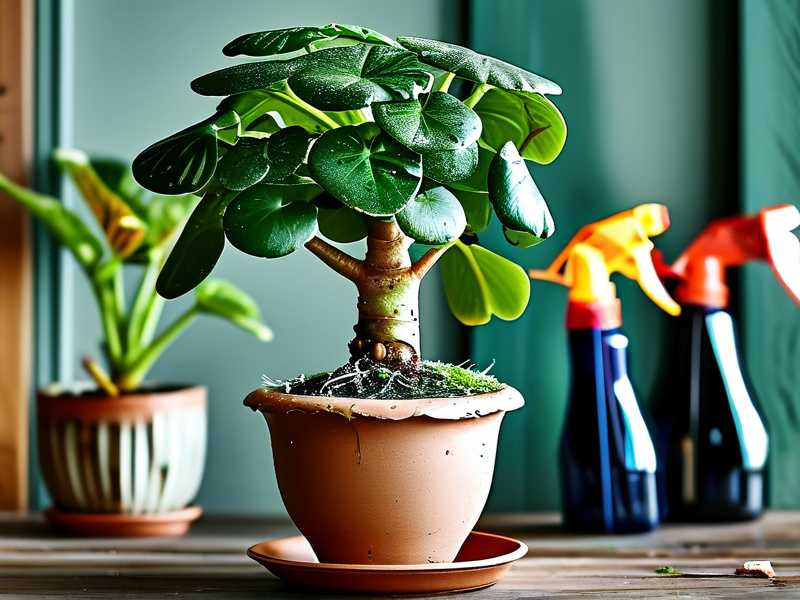
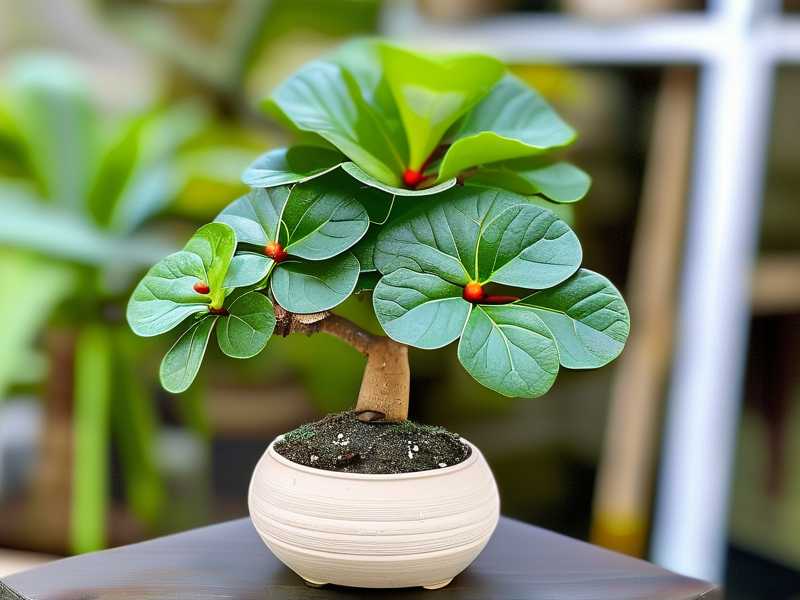
I love my money tree. I also love my curious cat and energetic puppy. For the longest time, these two loves felt like they were at war. I’d find bite marks on the glossy leaves, soil scattered across the floor, and a general sense of botanical anxiety hanging in the air. If you’re reading this, you likely know the exact feeling—the panic of finding your prized Pachira aquatica turned into a pet’s chew toy. It’s more than just a plant; it’s a symbol of prosperity and calm in your home, and seeing it damaged is genuinely distressing. My journey to protect a money tree from pet damage wasn’t instant. It was a deliberate, two-week experiment filled with trial, error, and eventual success. Here’s exactly what I did, what I learned, and how you can create a peaceful, safe space for both your greenery and your furry family members.
Understanding Why Pets Target Your Money Tree
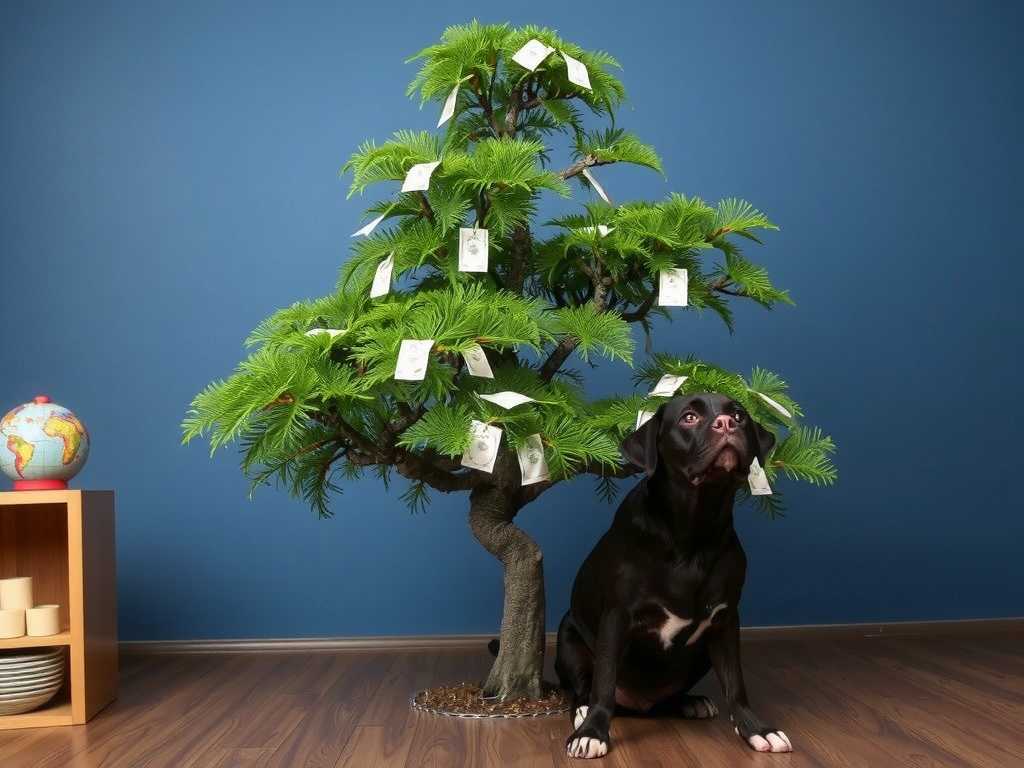
Before jumping to solutions, I had to understand the “why.” This wasn’t just mischief; there were reasons. According to insights from the American Humane Society (AHS), pets may chew plants out of boredom, curiosity, nutritional deficiency, or simply because the moving leaves trigger their prey drive. For cats, the plant might be an attractive alternative to grass for aiding digestion. My dog, on the other hand, seemed fascinated by the texture of the leaves and the diggable soil. The money tree pet safety mission had to address these root causes, not just the symptoms.
My Step-by-Step Protection Plan: A 2-Week Diary
I committed to a multi-pronged strategy over two weeks, observing daily and adjusting as needed.
Week 1: The Foundation of Safety and Deterrence
The first week was about creating immediate physical and sensory barriers.
-
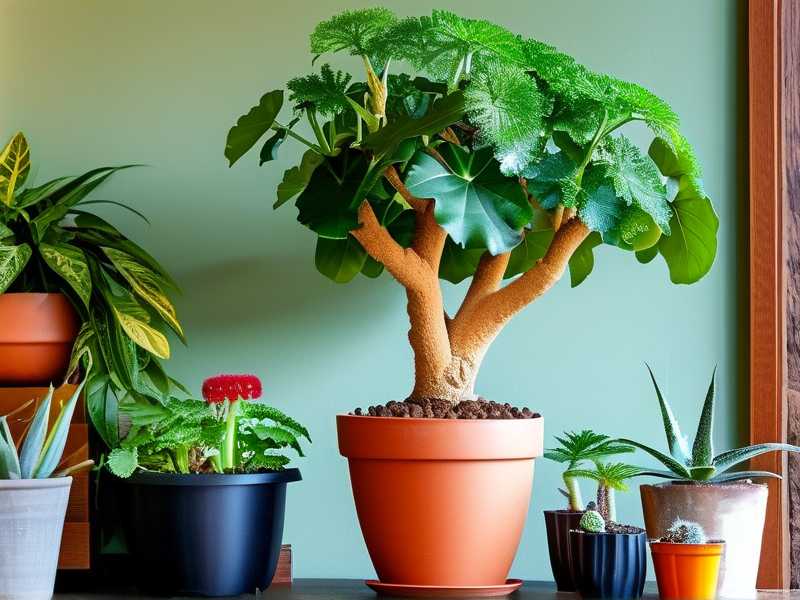
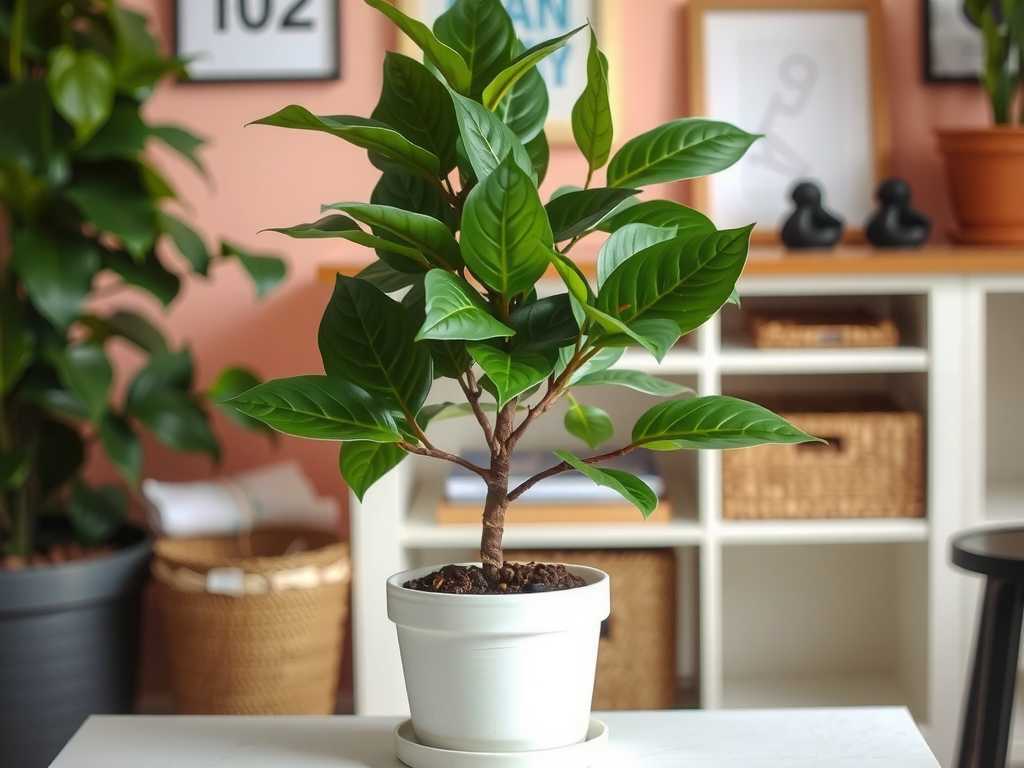
Step 1: The Great Relocation & Elevation. The most effective step was also the simplest: I moved the plant. I found a tall, sturdy plant stand in a bright, indirect light corner that was less accessible. For my cat, this created a significant jump she wasn’t interested in making. For the puppy, it was completely out of reach. This single act of strategic placement is the cornerstone of how to keep pets away from money tree plants.
-
Step 2: Introducing Natural Deterrents. I knew I needed a pet-safe repellent. I created a simple spray using diluted lemon juice and water (a 1:3 ratio) and lightly misted the leaves and the rim of the pot. Citrus scents are a known feline deterrent. I also placed citrus peels on the soil surface. For the soil, I covered it with a layer of large, smooth river rocks. This made digging impossible and unappealing for my dog.
-
Step 3: Providing Pet Alternatives. Following AHS guidance on enriching pet environments, I introduced dedicated “pet greens.” I planted a small pot of cat grass (wheatgrass) for my feline, which she took to immediately. For my puppy, I ensured he had plenty of appropriate chew toys and increased our playtime to burn off excess energy that was previously directed at the plant.
-
The First Week’s “Catch”: The lemon spray worked, but I overdid it. After two days, I noticed slight browning on a few leaf tips—a sign of potential chemical burn from the acidity, even when diluted. I immediately stopped spraying the leaves directly. My fix was to only spray the pot’s exterior and the surrounding area, and to rely more on the physical rocks and citrus peels on the soil. This taught me that even natural solutions need moderation.
Week 2: Reinforcement and Habit-Breaking
The second week focused on reinforcing good behavior and making the money tree a non-option.
- Step 4: Consistent Training and Redirection. Every time my pets even looked at the money tree stand, I used a firm “no” or “leave it” command. The key was immediate redirection. I’d guide my dog to his chew toy or engage my cat with a feather wand. Consistency was crucial. I also used positive reinforcement, offering a small treat when they obeyed or chose their own grass/ toys over the plant.
- Step 5: Creating a Physical Barrier (When Needed). For times I couldn’t supervise directly, I added a lightweight, decorative wire cloche over the smaller money tree in my study. It allowed light in but created a clear physical block. It was a last-resort barrier that gave me peace of mind.
- Step 6: Monitoring Plant Health. I checked the money tree daily for new damage and overall health. With the stressors reduced, it actually seemed to perk up. New, small leaves began to unfurl at the top—a sure sign it was happy.
The 2-Week Verdict: What Actually Worked
After 14 days of diligent observation and adjustment, the results were clear:
- Elevation on a stand was the #1 most effective tactic. It solved 80% of the problem instantly.
- River rocks on the soil were a 100% success for stopping digging. They were functional and looked nice.
- Pet-specific alternatives (cat grass) were essential. My cat completely lost interest in the money tree once her own grass was available.
- The citrus spray had mixed results. It was useful as a perimeter deterrent but risky on the foliage itself. I discontinued its use on the plant.
- Training required patience but paid off. By the end of the second week, the pets’ interest had diminished significantly. The money tree was no longer an exciting part of their environment.
Expert Insights: Why This Matters Beyond the Bites
It’s not just about aesthetics. The Pet Safe Houseplants initiative, often referenced by horticultural societies, emphasizes that prevention is key for animal welfare. While the money tree is considered non-toxic to cats and dogs (as per the ASPCA), ingestion of any plant material can cause mild stomach upset or become a choking hazard. More importantly, protecting the plant protects your pet from potential pesticides, fertilizers, or mold in the soil. My approach aligned with creating a safe pet-friendly home environment for all living things.
Addressing Your Top Concerns
- Is a money tree actually safe if my pet eats a leaf? The ASPCA lists the money tree as non-toxic to cats and dogs. However, “non-toxic” doesn’t mean it’s a food source. Eating leaves can still cause mild vomiting or diarrhea due to the irritation of eating fibrous plant matter. If you suspect your pet has eaten a large amount, contact your veterinarian.
- What if my pet is obsessed and nothing seems to work? For persistently curious pets, consider a stronger physical barrier like a stylish plant cabinet with mesh doors or a room that’s designated as pet-free. Increasing daily mental and physical stimulation for your pet is also critical—a tired pet is a well-behaved pet.
- Can I use commercial repellent sprays? Always, always check the label. Ensure any commercial product is explicitly safe for both plants and pets. I prefer the control of natural DIY solutions like citrus peels or vinegar sprays used around (not on) the plant, as they carry no risk of hidden chemicals.
Creating a home where your money tree and pets can thrive together is absolutely achievable. It requires understanding, a bit of strategy, and consistent effort. By elevating your plant, covering the soil, providing appealing alternatives for your pets, and using gentle, consistent training, you can end the battle. My two-week journey transformed a point of stress into a harmonious part of my home. Your money tree can flourish, and your pets can play safely—everyone wins.