admin
admin How to Keep Cats and Dogs Away from a Money Tree: A Plant Lover’s Battle-Tested Guide
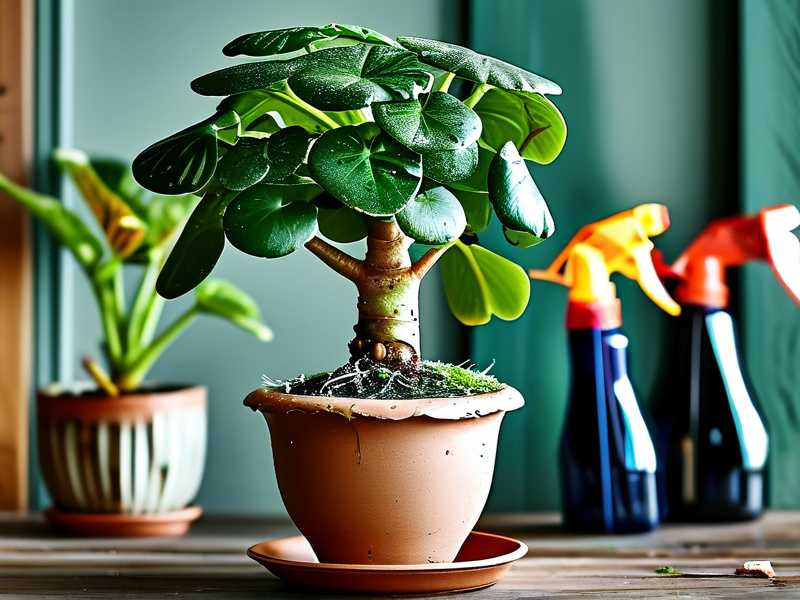
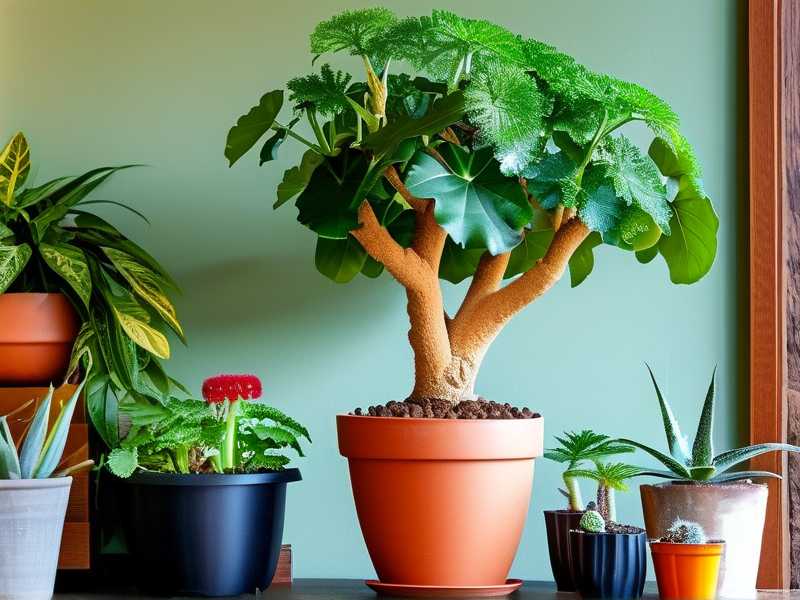
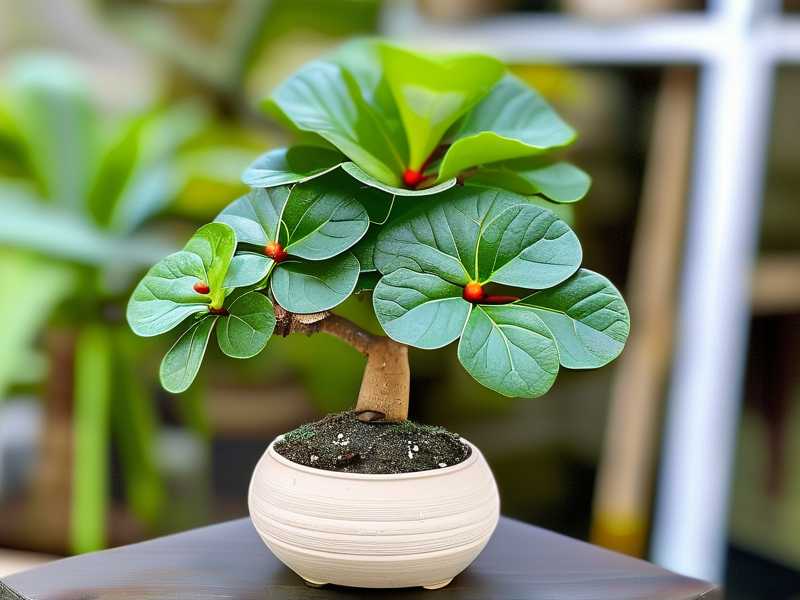
If you’re a fellow plant enthusiast sharing your home with curious pets, you know the unique struggle. You bring home a beautiful, lush Money Tree, believing it’s the perfect, low-maintenance addition to your indoor jungle, only to find it under siege. For me, it was a constant cycle of anxiety: chewed leaves, dug-up soil, and the dreaded sight of a toppled pot. My mission to keep cats and dogs away from a Money Tree became a personal project born of necessity. After two weeks of diligent testing, failures, and eventual successes, I’ve compiled everything I learned into this hands-on guide. It’s not just theory; it’s the real, messy process of creating a peaceful coexistence between your beloved pets and your prized Pachira aquatica.
Understanding Why Pets Target Your Money Tree
Before diving into solutions, it’s crucial to understand the "why." This isn’t random mischief; it’s driven by instinct. Cats are drawn to the dangling, leaf-like stems for playful batting or chewing. The loose, peaty soil in the pot can seem like the world’s most convenient litter box. Dogs might be curious about the texture of the leaves or, in some cases, be attracted to the organic matter in the soil. According to the American Humane Society, pets often explore with their mouths, and a novel object like a new plant naturally piques their interest. Recognizing these motivations is the first step in choosing an effective deterrent strategy.
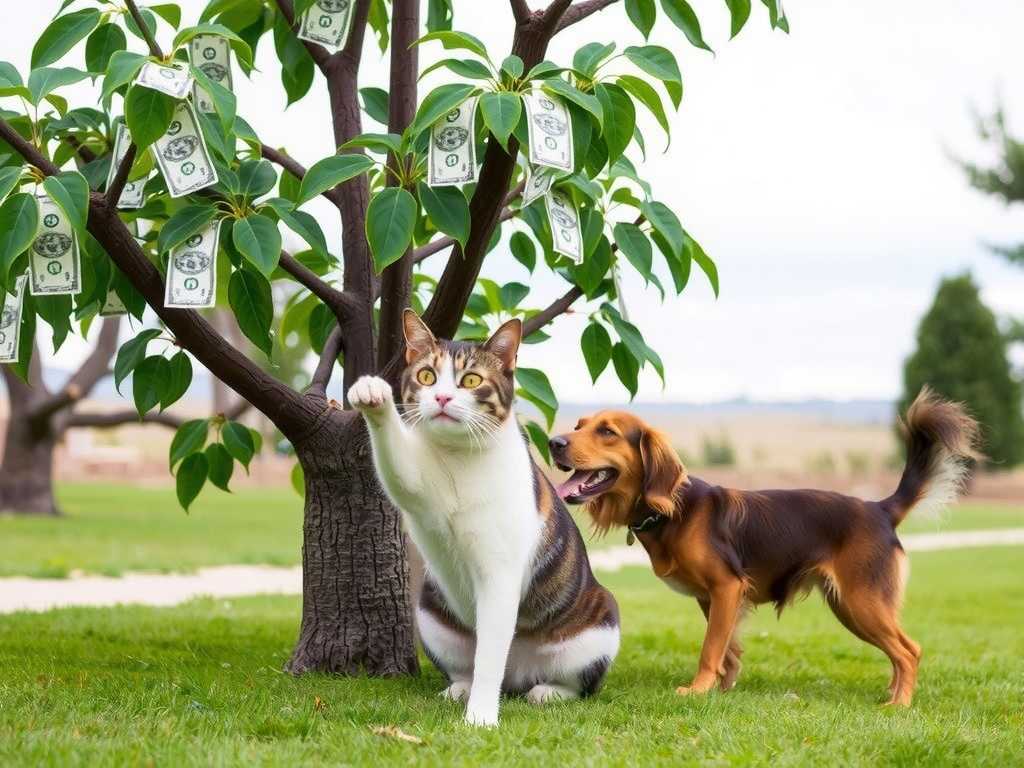
My Two-Week Protection Plan: What Worked and What Didn’t
I decided to approach this systematically, testing different methods over a 14-day period. My test subjects: my mischievous tabby cat, Leo, and my generally well-behaved but nosey terrier mix, Milo. The goal was to find a sustainable, pet-safe, and plant-friendly solution.
Week 1: The Trial and Error Phase My initial approach was scattered. I tried a few popular internet hacks without a clear plan, which led to mixed results.
- The Citrus Spray Failure: I read that cats dislike citrus. I made a dilute spray of lemon juice and water and misted the leaves. While Leo initially avoided the plant, the effect wore off in a few hours. Worse, I noticed slight leaf discoloration after two days. I immediately stopped, realizing that acidic sprays could harm the Money Tree’s foliage. This was my first major pitfall: a solution that temporarily deterred a pet but risked the plant’s health was no solution at all.
- Physical Barrier Success (Partial): Next, I placed large, river rocks on top of the soil. This was a game-changer for the litter box issue. Both pets were completely deterred from digging. It was a simple, non-invasive fix. However, it did nothing to stop Leo from swatting at the leaves from the side.
- The Unpleasant Texture Win: For the lower leaves, I applied a pet-safe, bitter apple spray to a few select stems. Milo took one sniff and never went near it again. Leo was more stubborn and required a second application after 24 hours. This method proved highly effective for taste-based curiosity. The key was applying it sparingly and precisely to avoid coating the entire plant.
Week 2: Implementing a Combined, Long-Term Strategy Learning from Week 1, I developed a multi-layered defense system that addressed all angles of attack.
- Strategic Placement and Diversion: I moved the Money Tree to a tall, sturdy plant stand, placing it out of easy leaping range for Leo. I then created a more attractive alternative nearby: a dedicated cat grass planter for Leo and a new chew toy for Milo during the times they were most active. The RHS (Royal Horticultural Society) emphasizes the importance of environmental enrichment for pets to redirect natural behaviors. This wasn’t just about blocking access; it was about providing a better option.
- The Ultimate Sensory Deterrent: For the area around the plant, I created a scent barrier. I soaked several cotton balls in a mixture of diluted white vinegar and a few drops of citronella oil (both pet-safe in this form) and placed them in a small, decorative tray beneath the plant stand. The smell was faint to me but noticeable to them. This created an invisible “no-go” zone. I refreshed the cotton balls every three days.
- Consistent Reinforcement: Every time I saw either pet showing interest in the tree, I used a firm, calm “no” and redirected them to their grass or toy. Consistency was critical.
By the end of the two weeks, the change was remarkable. The soil was undisturbed, the leaves were intact, and both pets largely ignored the Money Tree. The combined approach of physical barriers (rocks, height), sensory deterrents (bitter spray for leaves, scent barrier for the area), and positive diversion created a lasting solution.
Pet-Safe Products and Natural Deterrents I Now Trust
Through my experience and cross-referencing with AHSA guidelines, I now rely on a shortlist of safe, effective tools:
- Bitter Apple Sprays: Look for non-toxic, plant-safe formulas. Always test on a small leaf first.
- Textural Barriers: River rocks, pine cones, or even a layer of decorative chunky mulch over the soil.
- Essential Oils as Area Deterrents: Citronella, rosemary, or lemongrass oils are often disliked by cats and dogs. Never apply directly to the plant or pet. Use them on cotton balls or in diffusers placed well away from the plant’s immediate foliage.
- Motion-Activated Deterrents: For persistent cases, a can of compressed air with a motion sensor (like PetSafe SSScat) can startle without harm. I used this briefly in the first week to break Leo’s initial habit.
Creating a Pet-Friendly Plant Environment
The broader lesson was to design my space thoughtfully. How to protect your Money Tree from pets is part of a larger question: how to make your home safe and engaging for all inhabitants. I now:

- Research every plant for toxicity before purchase (fortunately, Money Trees are non-toxic but can cause mild stomach upset).
- Place highly tempting plants in hanging baskets or behind closed doors in a sunroom.
- Ensure my pets have their own designated greens and activities.
Is the Money Tree poisonous to cats or dogs? No, the Money Tree (Pachira aquatica) is generally considered non-toxic to both cats and dogs by the ASPCA. However, ingestion of any plant material can cause mild gastrointestinal discomfort, such as vomiting or diarrhea, in some pets. It’s always best to discourage chewing.
What is the most effective homemade repellent for Money Trees? A dual-layer approach works best. For the soil, use physical barriers like rocks. For a scent barrier around the plant, cotton balls soaked in a mix of water and a few drops of citronella or rosemary oil can be effective. Avoid spraying homemade mixtures directly onto the leaves to prevent damage.
My dog keeps digging up the soil. How do I stop this? Covering the soil surface is the most reliable fix. Medium to large river rocks are excellent. Alternatively, a sheet of chicken wire cut to fit the pot’s interior just beneath the soil surface or a layer of prickly pine cones can deter even the most determined digger without harming your pet or your plant.
Finding harmony in a home with pets and plants is entirely possible. It requires observation, patience, and a willingness to adapt. My two-week journey taught me that no single method is a magic bullet. Success lies in a compassionate, multi-sensory strategy that respects the instincts of your pets while safeguarding the health of your Money Tree. By using pet-safe deterrents, providing appealing alternatives, and being consistently gentle in your redirection, you can enjoy a thriving indoor garden and happy, healthy pets. The peace of mind, seeing your Money Tree flourish untouched, is well worth the effort.