admin
admin How to Care for a Money Tree Near Air Conditioning Vents: A Plant Lover’s Survival Guide
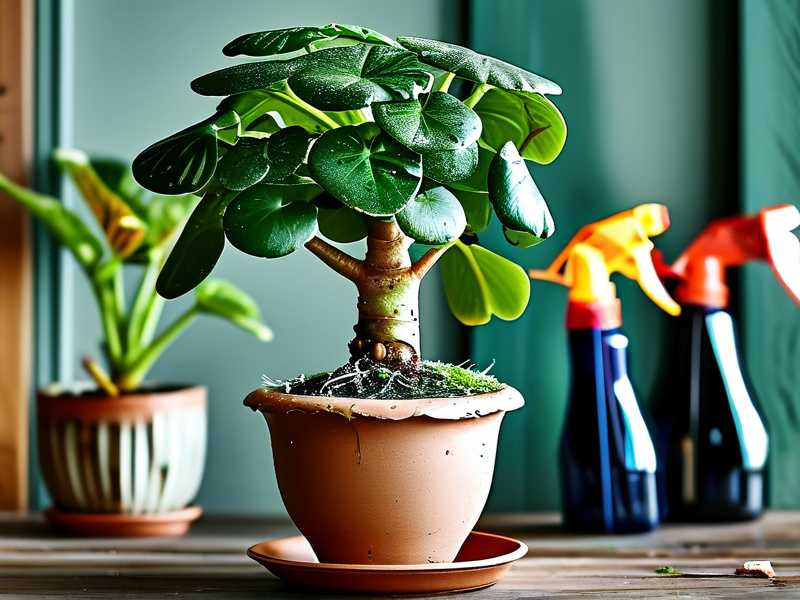
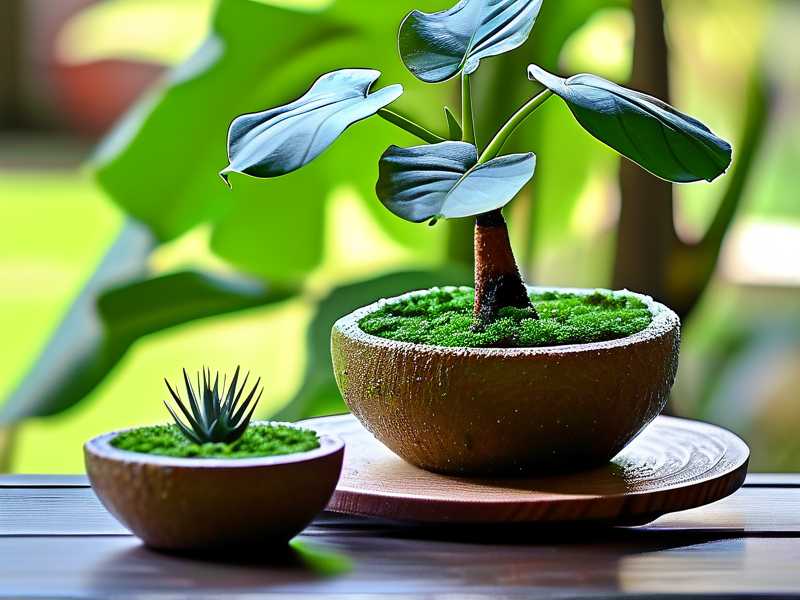
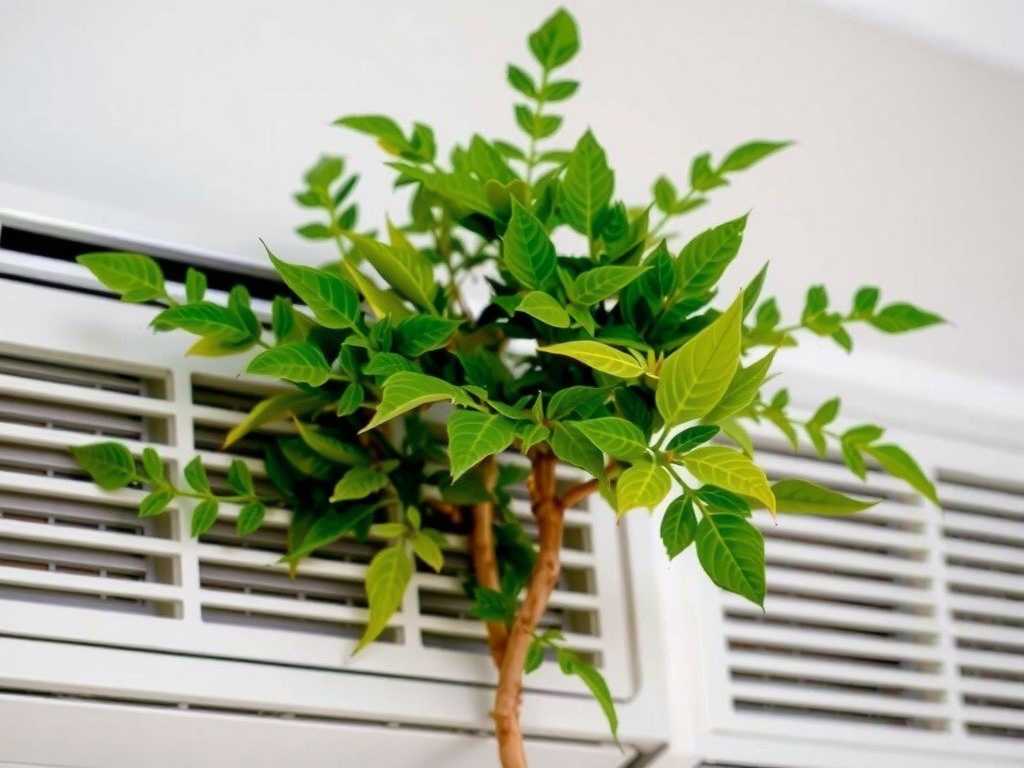
I love my Money Tree. Its braided trunk and lush, green leaves brought a sense of calm and prosperity to my living room. That is, until summer arrived and I made a classic plant parent mistake. I placed it right below an air conditioning vent, thinking the indirect light was perfect. Within days, I watched in horror as its vibrant leaves began to turn brown at the tips, then yellow, and a few even dropped with a sad, final tap on the floor. The money tree near air conditioning vents was not thriving; it was in distress. If you’re facing the same struggle, watching your cherished plant suffer from the very thing keeping you cool, you’re not alone. This guide is born from my own two-week rescue mission, filled with trial, error, and eventual success.
My journey wasn't just about moving a plant. It was about understanding the unique microclimate an AC vent creates. The Royal Horticultural Society (RHS) notes that most houseplants, including Money Trees (Pachira aquatica), originate from tropical environments with consistent humidity and temperature. Air conditioning directly contradicts this by creating a zone of dry, cold air drafts that sap moisture from leaves and soil at an alarming rate. My goal became clear: I needed to replicate a slice of the tropics in the path of an arctic breeze.

Understanding the Enemy: AC Vents vs. Tropical Plants
Before you can fix a problem, you need to diagnose it. An air conditioning vent isn't just blowing cool air; it's creating a harsh environment with three main attackers:
- Low Humidity: This is the silent killer. The American Horticultural Society (AHS) emphasizes that humidity is crucial for foliar health. AC units remove moisture from the air, often dropping relative humidity to desert-like levels below 30%. Money Trees prefer levels above 50%.
- Temperature Fluctuations: The constant blast of cold air chills the leaves and soil. Then, when the AC cycles off, the temperature can spike. This rollercoaster stresses the plant, hindering its ability to absorb water and nutrients.
- Direct Airflow: The persistent draft forces the plant to transpire (lose water) faster than its roots can absorb it, leading to dehydration and leaf scorch.
My Money Tree was showing all the classic symptoms: crispy brown leaf edges, general yellowing, and leaf drop. I knew I had to act fast.
My 2-Week Rescue Plan: Step-by-Step Recovery
I committed to a 14-day plan, observing and adjusting every other day. Here’s exactly what I did.
Days 1-3: The Immediate Intervention
My first step was non-negotiable: I moved the plant away from the vent. I found a spot about 8 feet away, still in bright, indirect light, but completely out of the direct draft path. This was the single most impactful change.
Next, I assessed the damage. I gently pruned the completely brown and crispy leaves with sterile scissors, making clean cuts to avoid tearing. This wasn't just for aesthetics; it allowed the plant to redirect energy to healthy growth.
I then checked the soil. To my surprise, the top was dry, but just an inch down, it was still damp. This is a common trap! The AC was drying the surface so quickly I almost overwatered. I held off and instead, I gave the leaves a gentle wipe with a damp cloth to remove dust and improve photosynthesis.
Days 4-7: Stabilizing the Environment
With the plant out of the direct line of fire, I focused on humidity. I bought a simple, inexpensive hygrometer. The reading near my plant was 35%—too low.
I created a humidity tray. I took a shallow tray, filled it with pebbles, and added water until it sat just below the top of the stones. I placed my Money Tree pot on top. As the water evaporates, it creates a perfect little humid microclimate around the foliage. I refill it every few days.
I also began misting my money tree plant lightly in the morning, ensuring the leaves would dry before nightfall to prevent fungal issues. While misting alone isn't a complete solution, the AHS acknowledges it as a helpful supplemental boost when combined with other methods.
Days 8-14: Monitoring and Refining Care
This was the observation phase. I established a new watering routine. Instead of watering on a schedule, I now use the finger test. I insert my finger about 2 inches into the soil. I water thoroughly only when it feels dry at that depth. This prevents both drought and root rot.
I also rotated the pot a quarter turn each time I watered to ensure even growth, as the plant was now leaning slightly toward the light source in its new location.
By the end of the second week, the results were clear. The leaf drop had completely stopped. The remaining leaves looked perkier and darker green. Most encouragingly, I spotted a tiny, bright green bud of new growth at the top of one stem. My Money Tree was recovering.
The Pitfalls I Encountered (And How You Can Avoid Them)
My journey wasn't perfectly smooth. Here are the mistakes I made so you can skip them.
- The Overwatering Panic: Seeing dry, crispy leaves, my first instinct was to drown the plant in water. This is dangerous. Stressed roots in cool, wet soil are a recipe for rot. Always check the soil moisture first.
- Misjudging Light: In my zeal to move it from the vent, I initially placed it in a slightly too-dark corner. Growth slowed. I learned that a money tree in AC room still needs its bright, indirect light. I found a happy medium.
- Neglecting the Roots: During this process, I considered repotting. I'm glad I didn't. Repotting adds additional stress. It's better to let the plant stabilize in its current pot before considering a change, unless root rot is suspected.
Long-Term Care for a Thriving Money Tree in an AC-Cooled Home
Keeping your Money Tree happy long-term near air conditioning is about consistent, mindful care.
Perfect Placement is Key: The ideal spot is where the plant receives plenty of filtered light but feels no direct breeze. Use your hand to feel for drafts. Sometimes, a few feet to the left or right makes all the difference.
Master the Watering Technique: Your watering frequency will likely decrease in the cooler, AC-driven air compared to a hotter room. The soak-and-drain method is best. Water slowly until it runs freely from the drainage holes, ensuring the entire root ball is hydrated. Then, let it drain completely. Never let it sit in a saucer of water.
Become a Humidity Hero: The pebble tray is my go-to. For a more hands-off approach, consider grouping plants together to create a shared humid zone, or use a small room humidifier. My hygrometer now reads a comfortable 55% near my plant cluster.
Seasonal Adjustments: Remember, your AC runs more in summer. Be extra vigilant about humidity and checking soil moisture during these months. In winter, if you use heating, the air can be even drier, so maintain your humidity strategies.
How often should I water my Money Tree if it's near an AC vent? Forget the calendar. The only reliable method is the finger test. Check the soil weekly, but only water when the top 1-2 inches are dry. Near an AC vent, this might mean watering every 10-14 days instead of every 7.
Can I use a humidifier for my indoor plants near the air conditioning? Absolutely. A humidifier is one of the most effective ways to combat AC-induced dry air. It provides consistent, controllable humidity that benefits both your plants and your own comfort. Place it nearby, but not so close that it mists the foliage directly.
The leaves are still turning yellow after I moved it. What now? Don't panic. Older leaves may still yellow and fall as the plant redirects energy. Ensure you are not overwatering—soggy soil is a common cause of yellowing. If new growth is healthy and the yellowing stops spreading, your plant is likely just adjusting. If it continues, reassess light and check for drafts you may have missed.
Caring for a Money Tree near an air conditioning vent is a lesson in balance. It requires us to be observant, to respond to our plant's signals rather than a rigid schedule, and to creatively bridge the gap between our modern comfort and its tropical origins. By focusing on stable placement, intelligent watering, and boosted humidity, you can transform a challenging spot into a thriving one. The reward—a resilient, glossy-green Money Tree growing confidently in your home—is well worth the extra attention.