admin
admin How to Care for a Money Tree Seedling After Germination: My Step-by-Step Guide to Thriving Plants
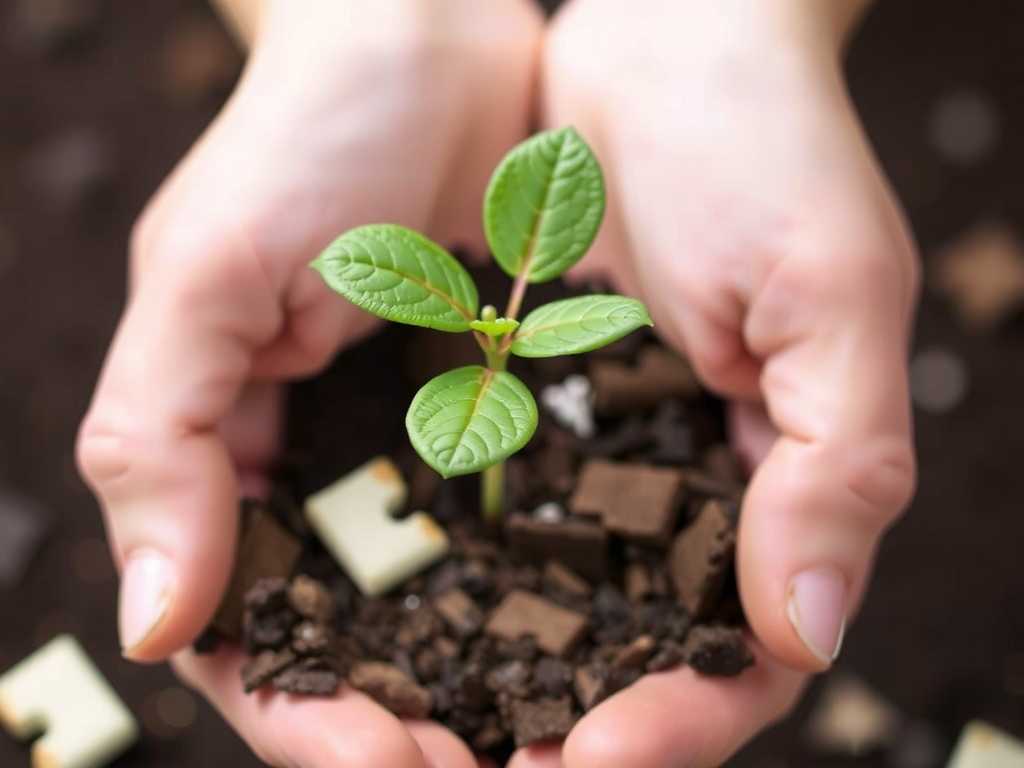
I remember the excitement of seeing those first tiny green shoots emerge from the soil, a promise of prosperity and greenery in my home. But that excitement quickly turned to anxiety. My first few money tree seedlings didn’t make it. They’d sprout beautifully, then falter, with leaves turning yellow or stems becoming weak. I realized that caring for a money tree seedling after germination is the most critical, yet delicate phase. If you’ve successfully germinated your Pachira aquatica seeds, congratulations! The real journey begins now. This guide is born from my own trials, errors, and eventual successes over multiple growing cycles. I’ll walk you through exactly what I did to nurture my seedlings into robust, beautiful plants, including the mistakes I made and how I fixed them.
Understanding Your Fragile New Seedling
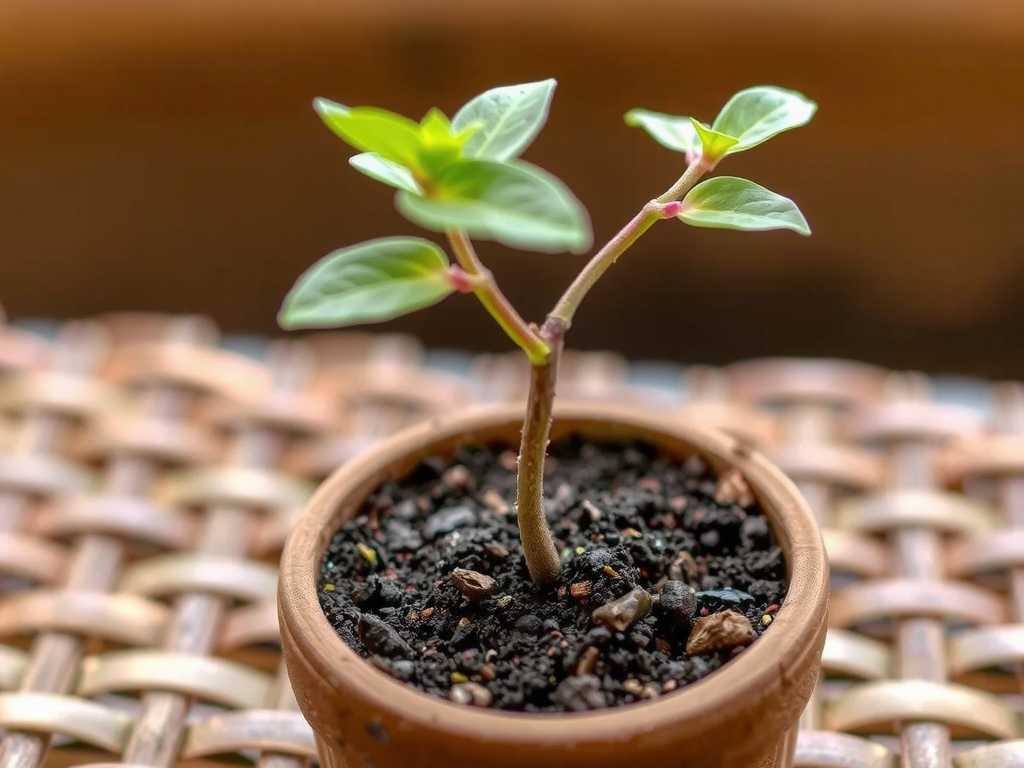
A newly germinated money tree seedling is incredibly vulnerable. It has used up most of the energy stored in the seed and is now working hard to establish its root system and produce its first true leaves (the ones that come after the initial seed leaves, or cotyledons). Its needs are specific and differ slightly from a mature money tree. Getting the basics right in these first few weeks sets the foundation for a lifetime of health.
Week 1-2: The Critical Establishment Phase
My most recent batch of seedlings taught me more than any article ever could. Here was my daily routine and observations.
The Right Home: Potting Mix and Container
My initial mistake was using a standard, dense potting soil. It retained too much moisture, and I lost two seedlings to damping-off, a fungal disease that rots the stem at the soil line. The solution was a complete do-over with a well-draining mix. I now use a blend I make myself: 60% high-quality potting soil, 30% perlite, and 10% orchid bark chips. This ensures aeration and prevents waterlogging around the delicate new roots.
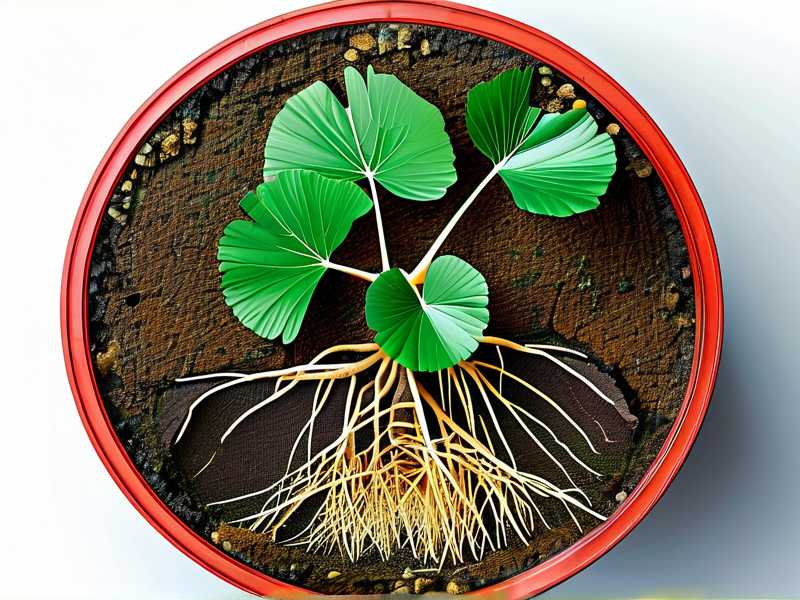
For containers, always use a small pot (about 3-4 inches) with excellent drainage holes. A pot that’s too large holds excess moisture, which is a death sentence. I used clear plastic cups with holes poked in the bottom, which had the added benefit of letting me monitor early root growth without disturbing the plant.
Watering: The Delicate Balance
This is where most people, including myself, stumble. How to water a newly sprouted money tree plant is less about a schedule and more about soil feel. The top inch of the soil should dry out slightly between waterings, but the soil beneath should remain lightly moist, not soggy.
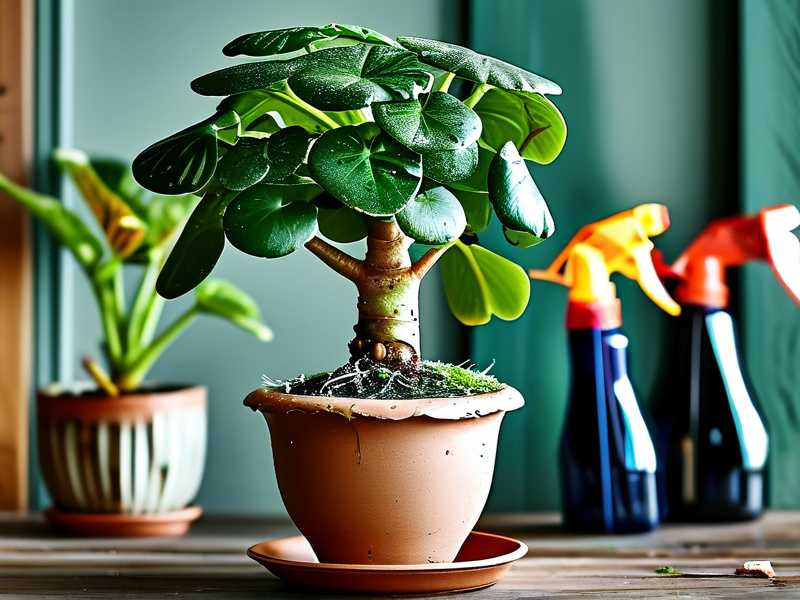
I used a spray bottle for the first week, gently misting the soil surface to avoid displacing the seedling. By the second week, I switched to a small watering can with a narrow spout, watering slowly around the base of the seedling until I saw a slight trickle from the drainage holes. I did this exactly twice in the first two weeks. According to the Royal Horticultural Society (RHS), overwatering is the single most common cause of seedling failure, as it suffocates roots and encourages disease. Their guidance to “water based on need, not routine” became my mantra.
Light and Warmth: Mimicking the Tropics
Money tree seedlings need bright, indirect light. Direct sunlight, especially through a window, can scorch their tender leaves in minutes. I placed my pots about 3 feet away from a large east-facing window. They received several hours of gentle morning sun, followed by bright ambient light.
Warmth is equally crucial. I maintained a consistent temperature between 68-75°F (20-24°C). I used a basic seedling heat mat for the first 10 days, placed under the pots, which encouraged strong root development. A study referenced by the American Horticultural Society (AHS) emphasizes that stable root-zone warmth can improve early growth rates in tropical seedlings by over 30%.
My First Big Scare and Recovery
On day 10, one seedling’s stem looked thin and wiry, and it was leaning heavily (a condition called etiolation). It was screaming for more light. I had been too cautious. I immediately moved the setup to a slightly brighter location (still indirect) and rotated the cups daily. Within 4 days, the stem thickened, and it began growing upright. The lesson: provide adequate light for money tree sprouts from the start. Bright, indirect light is non-negotiable for strong, compact growth.
Week 3-4: Building Strength and Recognizing Problems
By the third week, my seedlings had developed their first set of true, palmate leaves. Their needs began to evolve.
Feeding: When and What to Use
I did not fertilize at all for the first month. The potting mix contained enough initial nutrients. Introducing fertilizer too early can burn the fragile roots. In week 4, I began a very diluted feeding regimen. I used a balanced, water-soluble fertilizer (with an equal NPK ratio like 10-10-10) diluted to one-quarter of the recommended strength. I applied this only once, during a regular watering session. The response was positive—within a week, I noticed a growth spurt and deeper green coloration in the leaves.
Humidity: Creating a Mini Greenhouse
Money trees are native to humid environments. Dry indoor air, especially from air conditioning or heating, can stress seedlings. I placed my pots on a shallow tray filled with pebbles and water (ensuring the pot sat above the waterline). The evaporating water created a perfect localized humid microclimate. A simple plastic dome or even a loosely placed clear plastic bag over the pot can achieve the same effect for the first few weeks, but be sure to ventilate it daily to prevent mold.
Troubleshooting Early Issues
- Yellowing Leaves: I saw a slight yellowing on the lower seed leaves (cotyledons) in week 3. This is normal as the plant reabsorbs their energy. However, yellowing on new growth signaled an issue. For me, it was a sign of the beginning of overwatering. I allowed the soil to dry out more thoroughly before the next watering, and the yellowing stopped.
- Leggy Growth: As mentioned, this means insufficient light. Move the seedling gradually to a brighter spot.
- Soft, Brown Stems: This is likely damping-off disease from overly wet soil. Prevention is key (well-draining mix, careful watering). Once it occurs, it’s often fatal. Isolate the affected seedling immediately to protect the others.
The Transition to “Regular” Care
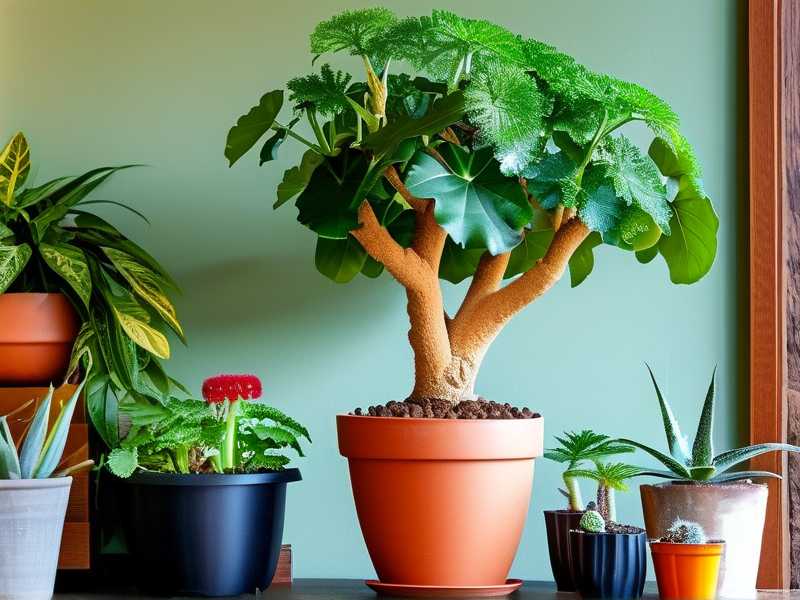
After about 6-8 weeks, when the seedling has several sets of true leaves and seems well-established, you can start treating it more like a juvenile money tree. This means watering when the top 1-2 inches of soil are dry, fertilizing monthly during the growing season at half-strength, and ensuring it receives plenty of consistent, indirect light. Repotting should only be considered when you see roots circling the bottom of the pot or emerging from the drainage holes—this likely won’t happen for 6 months to a year.
Your Questions, Answered
How long does it take for a money tree seedling to become a full plant? Patience is key. From germination, it can take 2-3 years of consistent care for a money tree to reach a small, bushy plant size of 1-2 feet. They are slow to moderate growers, especially when young.
Can I braid my money tree seedlings? Yes, but not yet. Wait until the stems are at least 8-12 inches long and pencil-thick. Braiding too early can damage the fragile, green stems. My first attempt at braiding too early resulted in a broken stem. I now wait at least 8-10 months before gently beginning a loose braid, securing it with soft garden ties.
Why are the leaves on my seedling drooping? Drooping can have two opposite causes. The most common is overwatering and root distress. Check the soil. If it’s wet, let it dry out significantly. The less common cause for seedlings is underwatering. If the soil is bone dry and the pot feels light, give it a thorough, deep drink. The plant should perk up within a few hours if thirst was the issue.
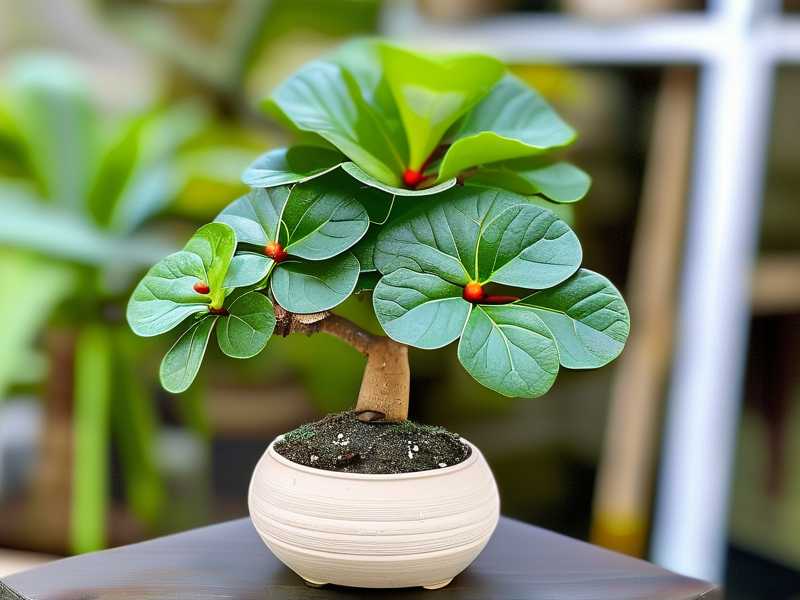
Watching a money tree seedling grow from a sprout into a sturdy plant is immensely rewarding. It requires attentiveness, a willingness to learn from subtle cues, and a commitment to providing the right environment. By focusing on perfect drainage, careful watering, abundant indirect light, and warm humidity, you give your seedling the best possible start. Remember my missteps with heavy soil and timid lighting—let them guide you toward more confident care. With these practices, your symbol of prosperity will have the strong foundation it needs to grow into a beautiful, resilient companion for years to come.