admin
admin How to Adjust Watering Frequency for Money Trees in Summer: A Plant Lover's 2-Week Experiment
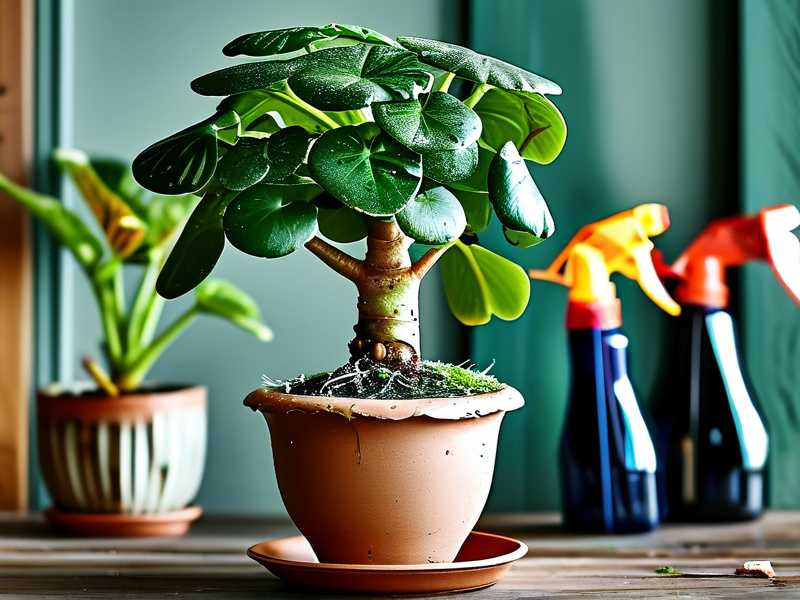
My money tree almost didn't make it to this summer. Last year, I followed my usual watering routine, and the result was yellowing leaves and a sad, soggy stem. I realized that how to adjust watering frequency for money trees in summer isn't just a minor tweak—it's a crucial survival skill for this popular houseplant. The increased light, heat, and humidity create a completely different environment for your Pachira aquatica. Through trial, error, and a dedicated two-week observation period, I've cracked the code. Let me walk you through my real-world process, the mistakes I made, and the simple system that now keeps my money tree thriving all season long.
Understanding the Summer Shift: Why Your Money Tree is Thirstier (But Not Always)
Summer isn't just about more water; it's about smarter watering. The core factors that change are light intensity, temperature, and air circulation. Your plant's metabolism speeds up in brighter, warmer conditions, leading to faster soil drying. However, this is where the first pitfall lies. "More heat equals more water" is an oversimplification. According to the Royal Horticultural Society (RHS), the key is to water according to the plant's needs and the soil's moisture level, not just the calendar or temperature alone. A plant in a bright, air-conditioned room has different needs than one in a humid, stagnant corner.
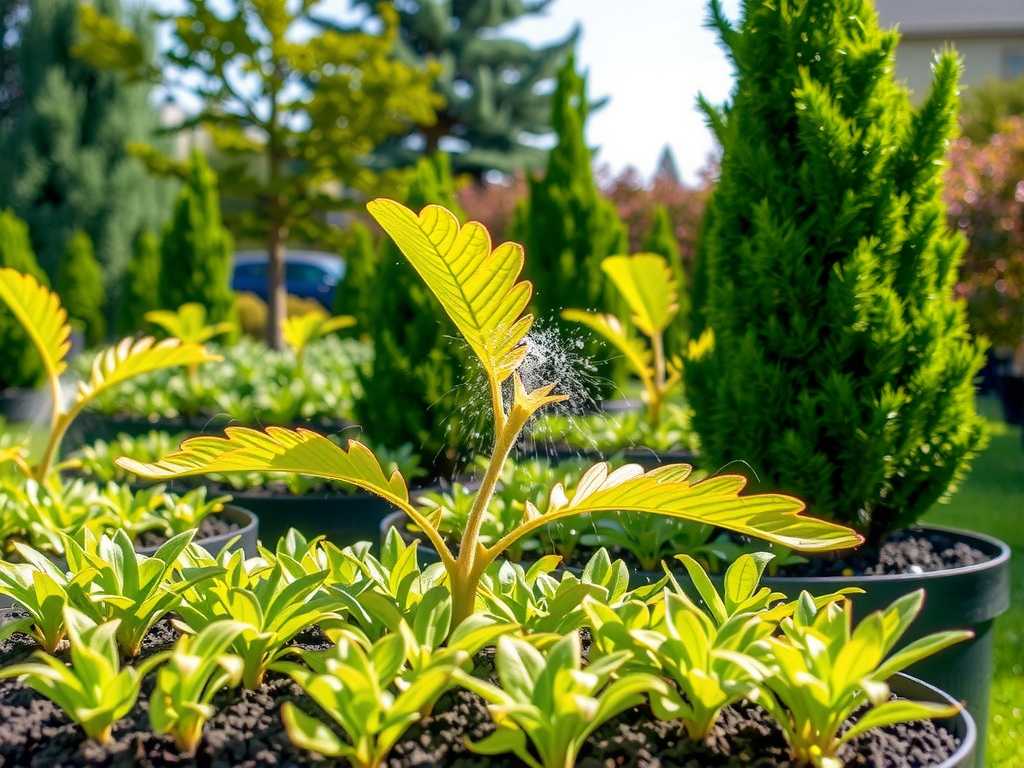
My initial mistake was assuming a uniform schedule. I watered all my money trees every 7 days. The one by the sunny east window started drooping by day 5, while the one in the bright indirect light still had soaked soil on day 7. This inconsistency is the primary pain point for most owners.
My 2-Week Hands-On Experiment: From Guesswork to Precision
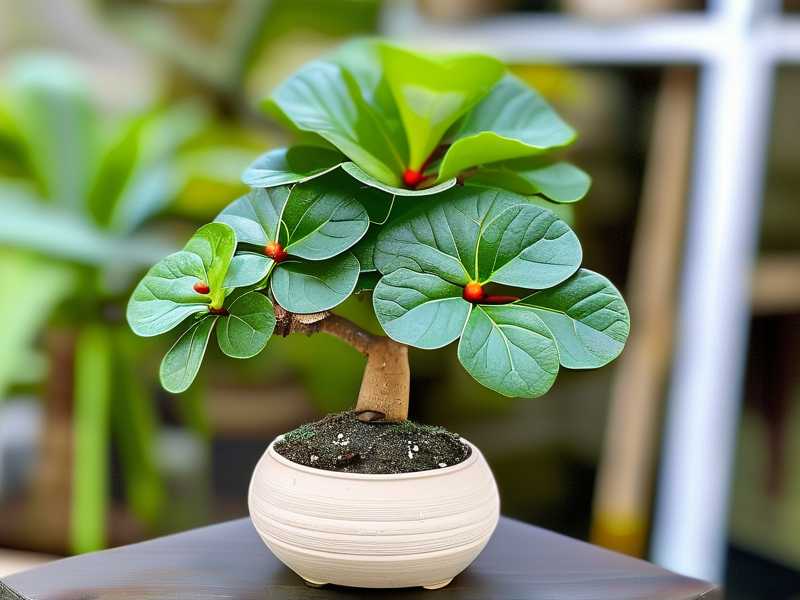
I decided to reset my approach for two weeks. I chose my most mature money tree, placed in a spot with bright, filtered light, as my test subject.
Week 1: Establishing a True Baseline I stopped watering on my old schedule. Instead, I committed to the "finger test." Every morning, I inserted my index finger into the soil up to the second knuckle (about 2 inches deep).
- Days 1-3: The top 2 inches of soil remained moist. No action taken.
- Day 4: The top inch felt dry, but at the 2-inch depth, it was still slightly cool and damp. I waited.
- Day 5: The soil at my fingertip was definitively dry. This was my signal. I took the plant to the sink and watered it slowly and thoroughly until water ran freely from the drainage holes. I let it drain completely before returning it to its saucer.
- Observation: Within 3 hours, the plant's posture seemed slightly more upright. The leaves looked perkier.
Week 2: Refining and Observing Effects I continued the daily finger test. This time, the soil dried out more quickly.
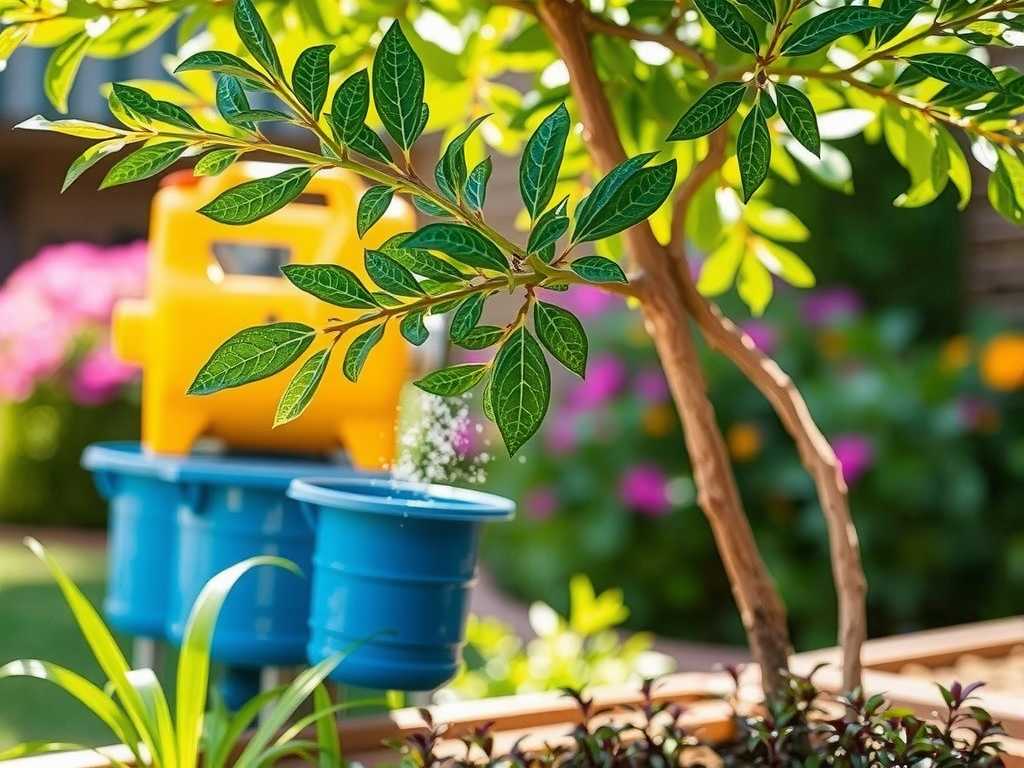
- Day 1-3 Post-Watering: Moist.
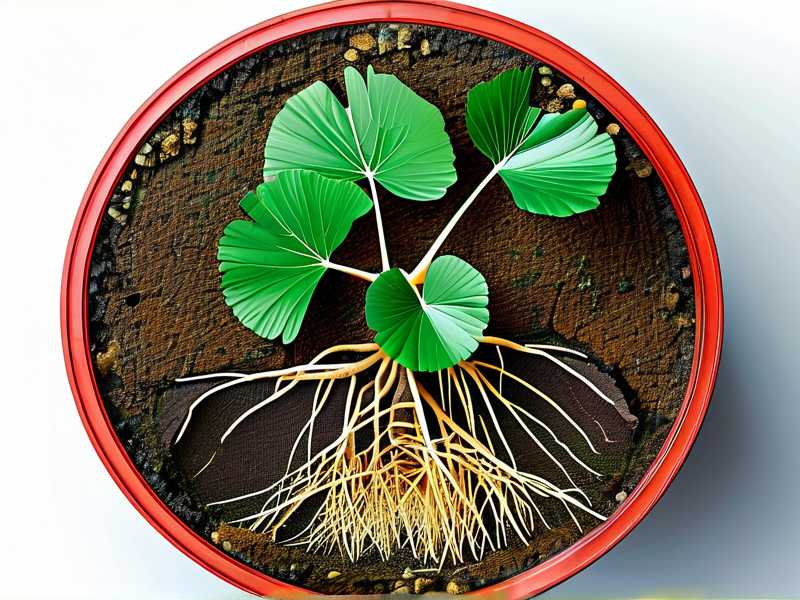
- Day 4: The 2-inch depth was dry. I watered thoroughly again. This established a 4-day summer watering rhythm for this specific plant in its specific conditions. The visible effects were consistent: no drooping, firm stems, and a noticeable bright green color in the new growth that emerged at the end of the week two. The American Horticultural Society (AHA) emphasizes that thorough watering that moistens the entire root ball, followed by a period of drying, encourages stronger, deeper root growth—exactly what I was witnessing.
The Golden Rule: How to Check Soil Moisture Accurately
Forget fancy gadgets if you're starting out. Your finger is the best tool. Here’s my precise method:
- Go Deep: Don't just skim the surface. Push past the top layer of decorative moss or dry soil to the second knuckle.
- Feel for Temperature and Texture: Is it cool to the touch? Can you feel any moisture or does it feel like dry dust? Coolness often indicates remaining moisture.
- Lift the Pot: This is a fantastic secondary check. A pot with dry soil is significantly lighter than a watered one. Get a sense of its weight right after watering and again when it's dry.
I also tested a wooden chopstick. Insert it like a toothpick into a cake; if it comes out clean, it's time to water. This confirmed my finger-test findings.
Critical Pitfalls I Encountered (And How to Fix Them)
Pitfall 1: The "Surface Deception." The top soil was bone dry, but the core was wet. I almost overwatered based on this. Solution: Always check the depth. If in doubt, wait one more day.
Pitfall 2: Poor Drainage. My decorative pot had no drainage hole. This is a death sentence. Solution: I now always use a nursery pot with holes, placed inside a cache pot. After watering, I empty the excess water from the outer pot after 30 minutes.
Pitfall 3: Ignoring Humidity. A very humid week slowed soil drying dramatically. My 4-day schedule would have been too much. Solution: I adjusted by skipping the watering on day 4 and checking again on day 5. The plant was fine. Tools like a simple hygrometer can help you correlate ambient humidity with watering needs.
Tailoring Watering to Your Specific Environment
Your home is unique. Here’s how to adapt:
- High Light & Air Conditioning: This combo dries soil fastest. You may need to water more frequently, like my 4-day cycle. Monitor closely.
- High Humidity & Low Airflow: This slows evaporation. Extend the time between waterings. The finger test is your guardian here.
- Signs of Overwatering vs. Underwatering: Overwatering causes yellowing leaves that feel soft and mushy, and the stem may become soft. Underwatering leads to crispy, brown leaf tips and general droopiness that doesn't improve shortly after watering.
Advanced Summer Care Synergy
Watering doesn't exist in a vacuum. For optimal summer money tree care, pair your adjusted watering with these practices:
- Light: Protect from harsh, direct afternoon sun which can scorch leaves and dry soil excessively.
- Feeding: A diluted, balanced liquid fertilizer once a month during summer supports the growth spurred by your proper watering. I apply it only when the soil is already moist to prevent root burn.
- Cleaning: Gently wipe leaves with a damp cloth. Dust blocks sunlight, reducing the plant's efficiency and confusing your watering cues.
How often should I water my money tree in hot weather? There is no single answer. In hot weather, you should check your money tree's soil moisture every 3-4 days, but only water when the top 2 inches of soil are dry. The frequency could be every 5 days or every 10 days, depending on your home's specific conditions.
Can I use ice cubes to water my money tree in summer? I do not recommend it. The RHS advises against using ice water for tropical plants, as the extreme cold can shock the roots, potentially damaging them and hindering water uptake. Room-temperature water is always best.
My money tree is dropping leaves after I changed my watering routine. What's wrong? Some leaf drop can be a normal response to change. Ensure you're not swinging from one extreme to another. Consistency in checking is more important than consistency in days. If you've corrected overwatering, give it time to recover. If the new leaves look healthy, the plant is likely adjusting.
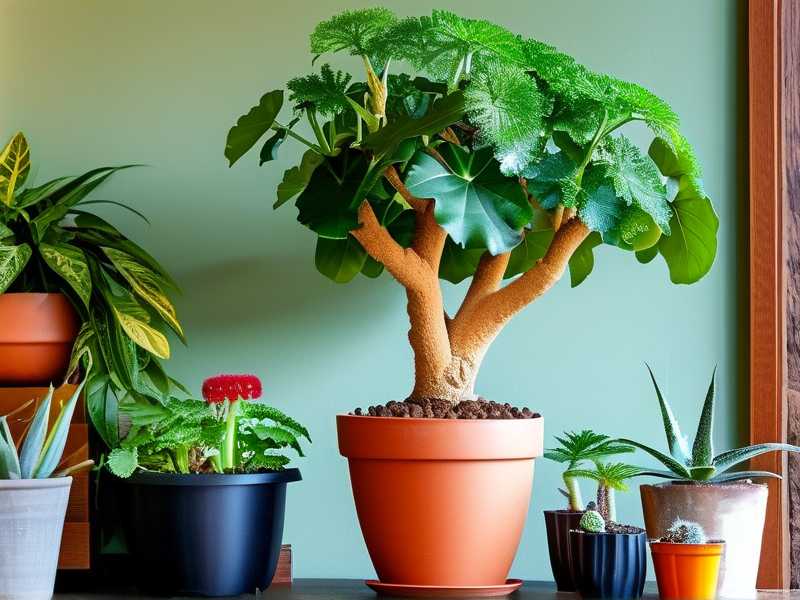
Mastering summer watering is about becoming an observer. Ditch the rigid schedule and engage with your plant. For two weeks, make the daily finger test a ritual. You'll learn its language—the weight of the pot, the look of the leaves, the feel of the soil. This simple shift from scheduled care to responsive care transformed my money tree from a struggling specimen into a vibrant, growing centerpiece. It’s not just about keeping it alive; it’s about helping it thrive through the season.