admin
admin How to Adjust Watering Frequency for Money Trees in Winter: A Plant Lover's 2-Week Experiment
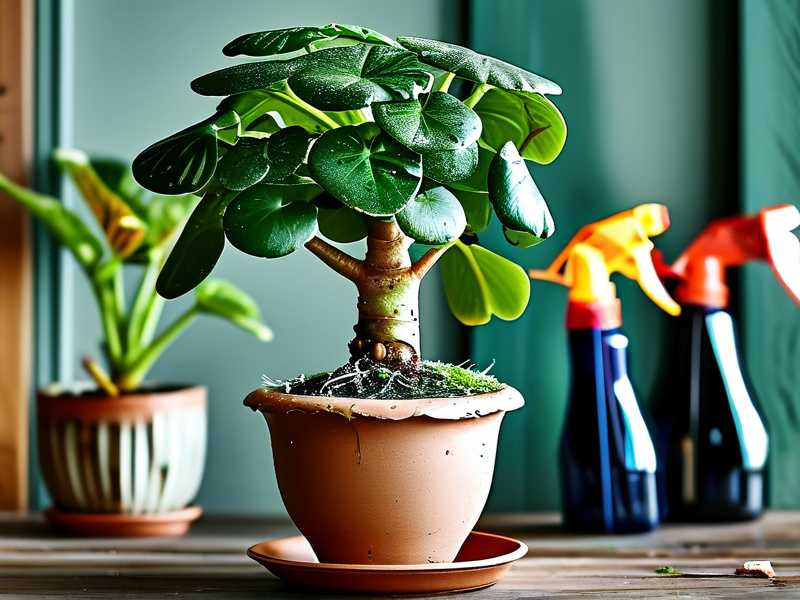
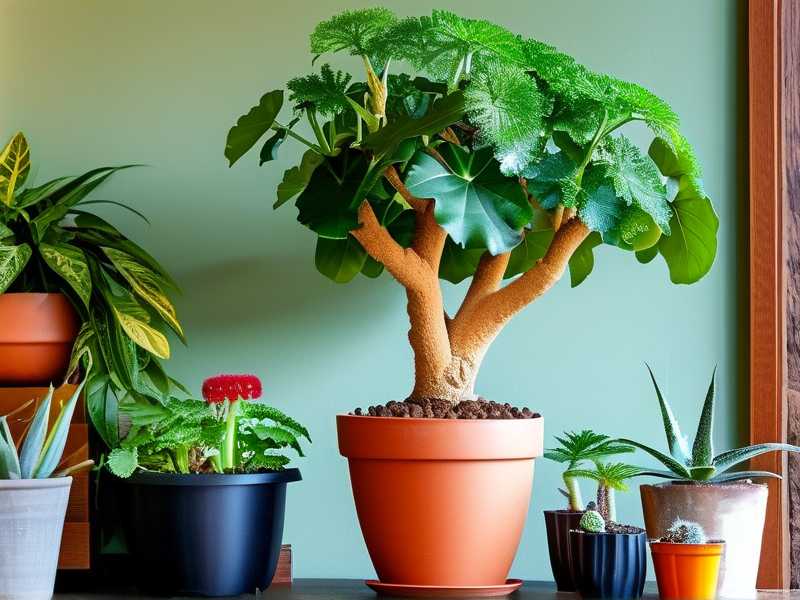
I’ve killed my fair share of plants, and I bet you have too. There’s a special kind of heartbreak that comes from watching a beloved Money Tree (Pachira aquatica) turn from a symbol of prosperity into a drooping, yellowing mess. And more often than not, especially in the winter months, the culprit is our watering can. We love them a little too much. If you’re staring at your Money Tree, wondering why it’s suddenly unhappy despite your consistent care, you’ve come to the right place. The key to its winter survival lies in mastering one crucial skill: how to adjust watering frequency for Money Trees in winter. Over the next few weeks, I turned my own home into a lab, tested methods, made mistakes, and found a system that works. Let me walk you through exactly what I did, what I learned, and how you can save your plant from the perils of overwatering this season.
Understanding the Winter Slowdown: Why Your Money Tree is Different Now
Before we change our habits, we need to understand the "why." Money Trees, like most tropical plants, enter a state of dormancy or significantly reduced growth during winter. Shorter days mean less light for photosynthesis, cooler temperatures (even indoors) slow metabolic processes, and indoor heating creates dry air but doesn't necessarily warm the soil's core. The Royal Horticultural Society (RHS) clearly states that "overwatering is the most common cause of plant death in winter," as roots sit in cold, wet soil, becoming susceptible to rot in conditions where they cannot absorb moisture efficiently.
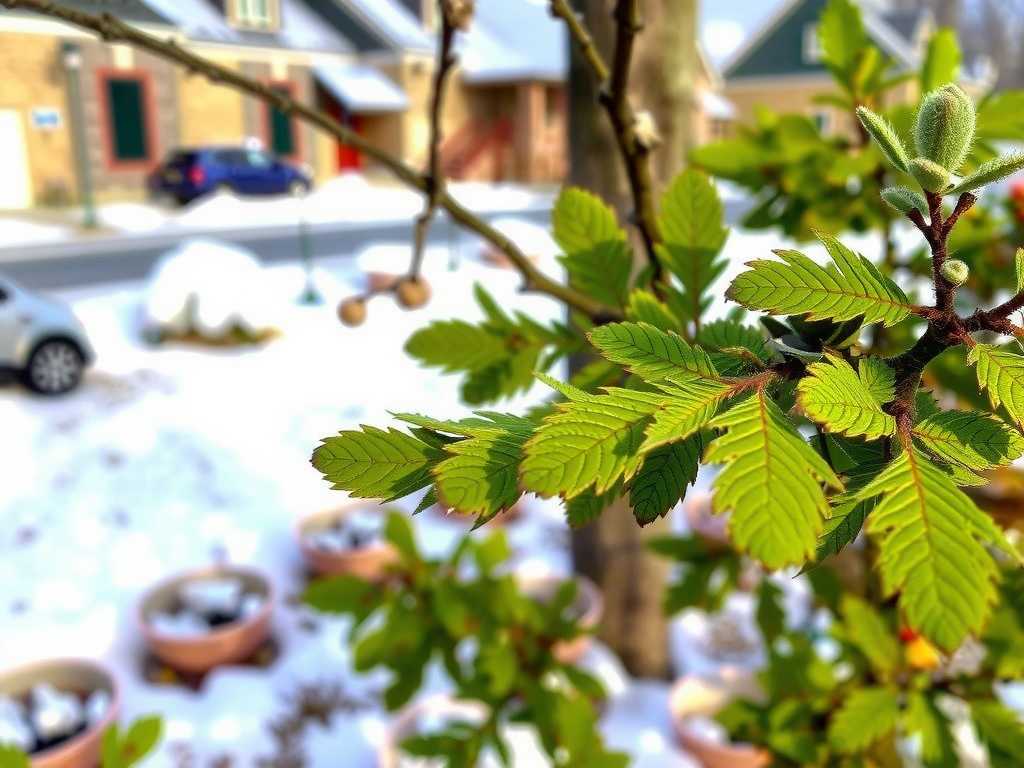
My own realization came when I noticed my Money Tree’s soil was still damp a full two weeks after watering. The plant wasn't growing, and a few older leaves had developed unsightly brown spots. It wasn't thirsty; it was drowning. This is the core challenge of watering a Money Tree in cold weather. The plant's water needs plummet, but our watering schedules often remain stuck in summer mode.
My 2-Week Winter Watering Protocol: A Step-by-Step Diary
I decided to reset my approach with a single, healthy Money Tree in a room with bright, indirect light. My goal was to find a reliable method to determine the perfect watering time, moving away from a calendar-based schedule to a plant-led one.
Week 1: The Assessment and Dry-Down Phase
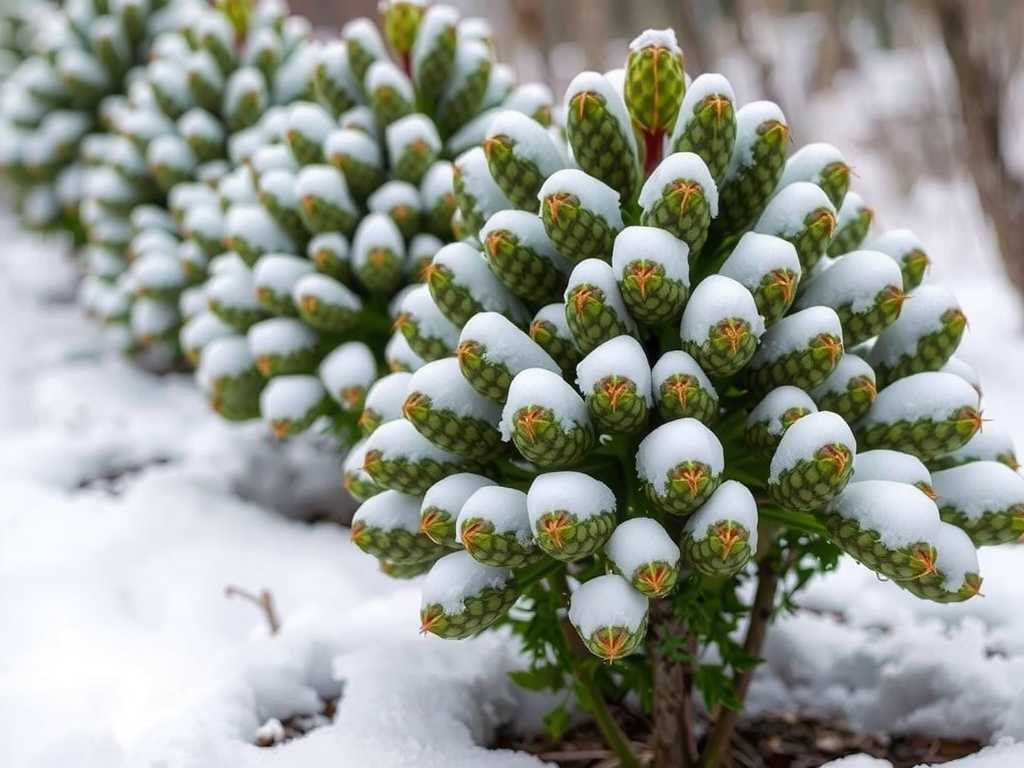
- Day 1: I committed to not watering on impulse. Instead, I performed the first and most critical test: the finger test. I inserted my index finger into the soil up to the second knuckle (about 2 inches deep). The soil felt cool and slightly moist. Conclusion: Do not water.
- Day 3: Checked again. The top inch was dry, but deeper down, there was still moisture. I also lifted the pot. It had a noticeable heft to it, confirming moisture was still present below the surface. The American Horticultural Society (AHS) emphasizes the "lift the pot" method as a reliable indicator—a pot with wet soil is significantly heavier than a dry one.
- Day 5: The surface was bone dry. At 2 inches deep, the soil was just barely cool with no real dampness clinging to my finger. The pot felt lighter. This was my signal. I prepared for watering.
- The Watering Event: I took the plant to the sink. My goal was thorough, deep hydration. I watered slowly, allowing the water to soak in, until it began to flow freely from the drainage holes. I let it drain completely for 20 minutes before returning it to its decorative cover pot. This ensures no water is trapped at the bottom, a major cause of root rot.
Week 2: Observation and Adjustment
- Day 1-3 Post-Watering: I monitored the plant daily. No immediate changes, which is good. The leaves remained firm and green.
- Day 5 Post-Watering: I performed the finger test again. The top layer was drying nicely. The pot was still heavy.
- Day 7 Post-Watering (End of Week 2): The top 1.5 inches were dry. The plant showed no signs of distress—no wilting, no yellowing. I estimated it would be ready for another check in 3-4 days. The entire cycle from one thorough watering to the next "ready-to-water" signal took approximately 10-12 days. This was a dramatic shift from my summer routine of every 7 days.
The Pitfalls I Encountered (And How I Fixed Them)
My experiment wasn't flawless. I tested on a second, smaller Money Tree and ran into problems.
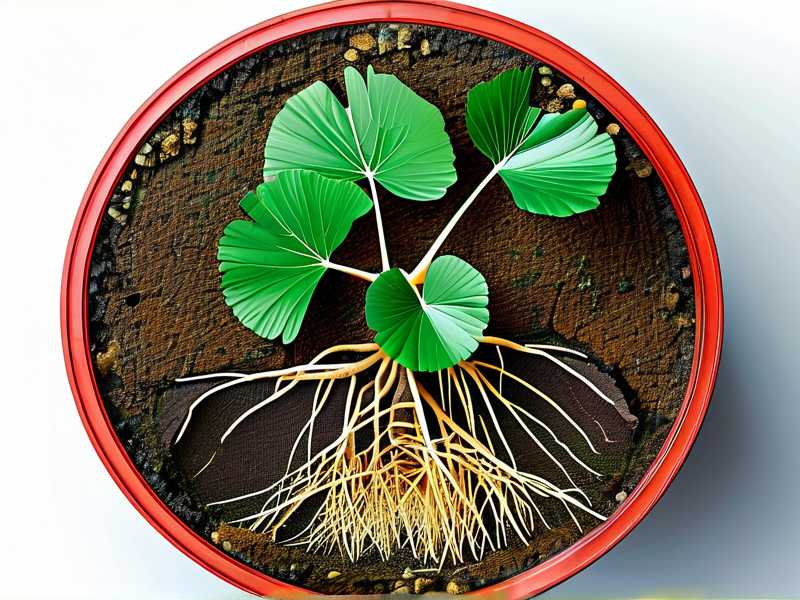
Pitfall 1: The "Top Soil Deception." I assumed that because the surface looked dry and dusty after 5 days, the whole pot was dry. I watered it. A few days later, the lower leaves yellowed rapidly. When I investigated, I found the root ball in the center was still a soggy, dense mass. The water had simply run down the sides of the pot without hydrating the core, yet the surface looked dry, tricking me into adding more water on top of already-wet roots.
- The Solution: I stopped relying on sight alone. Now, I use a wooden chopstick or a moisture meter. Insert it deep into the soil near the root zone, leave it for a minute, and pull it out. If it comes out with soil sticking to it or shows a "moist" reading on the meter, I wait. This is the most reliable method for maintaining a Money Tree in low light winter conditions, where soil evaporation is uneven.
Pitfall 2: Ignoring the Microclimate. My two plants were in different rooms. One was near a frequently used radiator (dry, warm air), and the other was in a cooler, more humid bathroom. The plant near the radiator needed water more frequently (every 9 days) than the one in the bathroom (every 14 days).
- The Solution: I learned to treat each plant as an individual. Factors like pot size (small pots dry faster), soil mix (chunky, well-draining mix vs. dense peat), and proximity to heat sources drastically alter winter care for Pachira aquatica. There is no universal "once every 10 days" rule. The rule is: check, don't assume.
Creating Your Personalized Winter Watering Schedule
Based on my experience, here is a fail-safe action plan you can follow:
- Break Up with the Calendar: Mark "Check Plant" on your calendar, not "Water Plant."
- Perform the Dual Test: Always use two methods. First, the finger test for the top layer. Second, the chopstick or lift-the-pot test for the deeper soil moisture. Only water when both indicate dryness.
- Water Deeply and Properly: When it's time, water thoroughly until it runs from the drainage holes. Ensure complete drainage. Use room-temperature water to avoid shocking the roots.
- Observe and Log: For the first month, note down when you water and the plant's condition. This will help you establish a rough baseline for your specific home environment.
- Prioritize Humidity: Since watering is less frequent, boost ambient humidity. Group plants together, use a pebble tray, or run a humidifier. This addresses leaf dryness without risking wet soil.
Will my Money Tree die if I miss a winter watering? It is far more resilient to underwatering in winter than to overwatering. A slightly thirsty Money Tree will wilt, giving you a clear signal. An overwatered one will show yellow leaves and soft stems, often when root rot has already set in. When in doubt, err on the side of dryness.
What if my home is very warm and bright all winter? If you provide summer-like conditions (long hours of strong grow lights, warm temperatures), your plant may not go fully dormant. In this case, monitor it closely using the soil moisture tests. Its needs will be higher than in a typical dim winter setting, but likely still less than in actual summer.
Should I fertilize when I water in winter? Absolutely not. During the slow-growth period, fertilizing can lead to salt buildup in the soil and burn the roots. Resume fertilizing in early spring when you see signs of new growth.
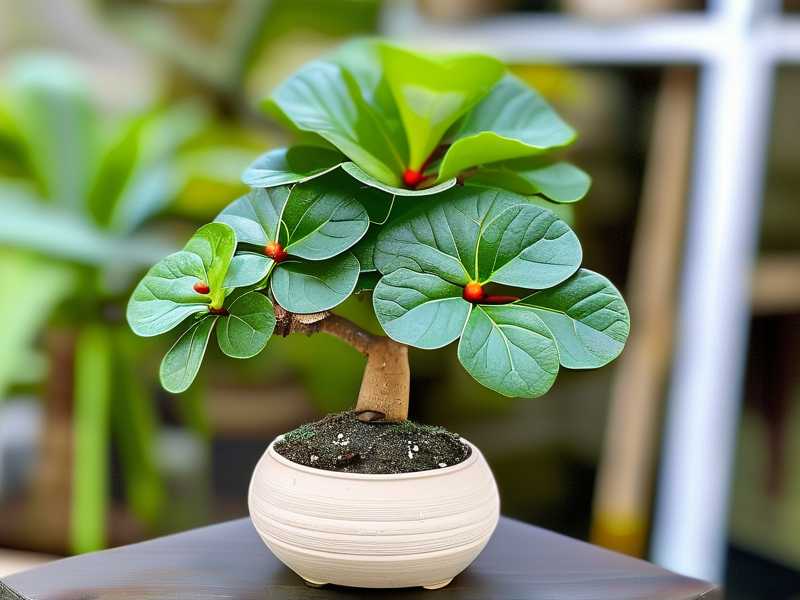
Mastering the winter watering rhythm for your Money Tree is less about rigid rules and more about becoming a keen observer. It requires shifting from a caregiver who acts on a schedule to one who responds to signals. By trusting the simple tests—your finger, a chopstick, the weight of the pot—you build a direct conversation with your plant. The reward is a Money Tree that doesn't just survive the winter, but enters spring healthy, robust, and ready to flourish. That thriving green presence is the true prosperity it promises.