admin
admin How to Care for a Money Tree in a Hanging Basket: A Plant Lover’s 2-Week Journey
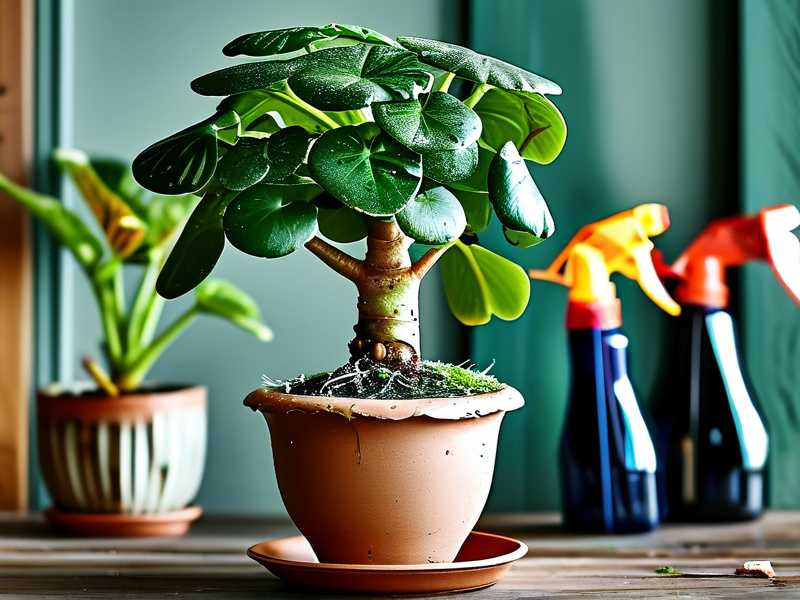
I’ve always loved the idea of bringing greenery to new heights in my home. When I decided to place my beloved Money Tree, or Pachira aquatica, into a hanging basket, I thought it would be a simple, stylish switch. I was wrong. Within days, I faced a cascade of problems: leaves turning yellow, soil that stayed soggy for too long, and a general look of unhappiness from a plant I knew to be typically resilient. If you’re struggling with a drooping or declining Money Tree in a hanging basket, you’re not alone. The unique environment of a suspended planter introduces a whole new set of care rules. Through trial, error, and careful observation over two weeks, I cracked the code. Here’s my honest, step-by-step guide to not just keeping your hanging Money Tree alive, but helping it thrive.
Why Hanging Basket Care Is Different
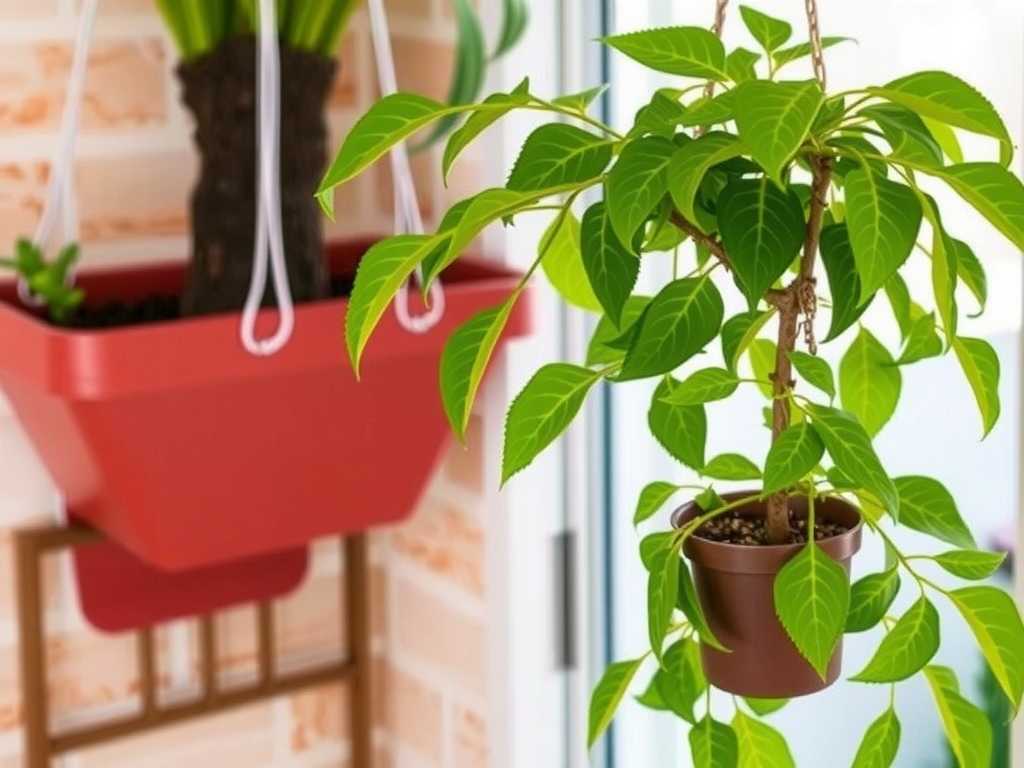
Placing a plant off the ground fundamentally changes its world. Air circulation increases dramatically, which can dry out the soil faster. However, improper watering can also lead to disastrous waterlogging, as drainage becomes even more critical. Light exposure is different, and the weight and stability of the pot are constant factors. Understanding this microclimate is the first step to success.
My Rescue Mission: A Two-Week Protocol
My plant was showing early signs of stress—slight leaf yellowing and a heavy, damp pot. I committed to a revised care routine and observed it closely for 14 days.
Week 1: The Foundation Reset
Choosing and Preparing the Right Basket My first mistake was using a basket without a proper liner and a single, small drainage hole. I switched to a coco liner inside a wire basket and, crucially, used a plastic nursery pot with excellent drainage holes inside the liner. This created a “pot-within-a-basket” system, allowing me to lift the inner pot to check weight and drainage, a game-changer for root health.
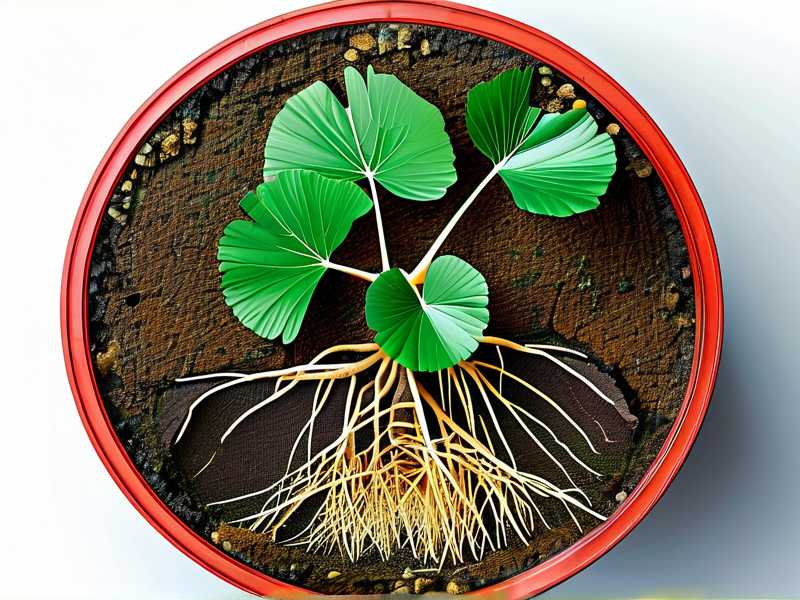
The Perfect Soil Mix for Drainage Standard potting soil holds too much moisture for a hanging Pachira aquatica. I repotted using a well-draining mix recommended by the American Horticultural Society (AHS), which emphasizes aeration for container roots. My recipe: two parts peat-free potting mix, one part perlite, and a handful of orchid bark. This mix promised to retain just enough moisture while letting excess water flow through freely, preventing the root rot I feared.
Mastering the Watering Technique This was my biggest hurdle. The old “stick your finger in the soil” method was inconsistent. I adopted the “lift and learn” method. After a thorough watering until it drained freely, I lifted the basket to feel its weight. I then waited. Each day, I lifted it again. By day 5, it felt significantly lighter. I watered deeply again on day 6. This cycle taught me that my hanging Money Tree needed water less frequently than my floor-bound one, likely due to the air flow. The goal is to let the top 2-3 inches of soil dry out completely, a rule supported by best practices for indoor tree care.
Week 2: Observation and Adjustment
Finding the Sweet Spot for Light I had initially hung it in a bright, south-facing window. The leaves seemed a bit washed out. I moved it to a spot with bright, but indirect, light about 4 feet from the same window. Within 3 days, I noticed new, small buds forming at the stem nodes. Money Trees prefer this kind of filtered light; direct sun can scorch the leaves, especially in a suspended, exposed position.
The Humidity Factor Hanging plants often deal with drier air, especially near ceilings. While Money Trees are adaptable, I placed a small humidity tray on a shelf below it and made a point of gently misting the surrounding air (not the leaves directly) every other morning. I didn’t see dramatic changes, but the existing leaves stopped developing any crispy edges.
A Note on Feeding I held off on fertilizer during this reset period. Stressed plants should not be fed. My plan is to begin a diluted, balanced liquid fertilizer next month, during its active growing season.
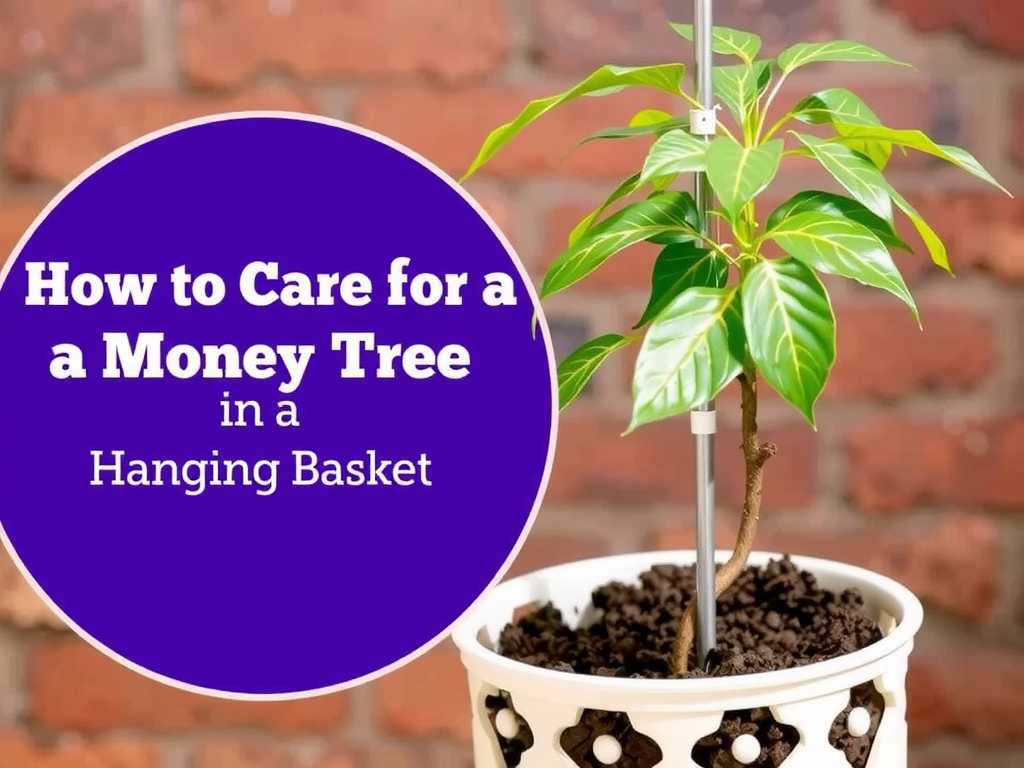
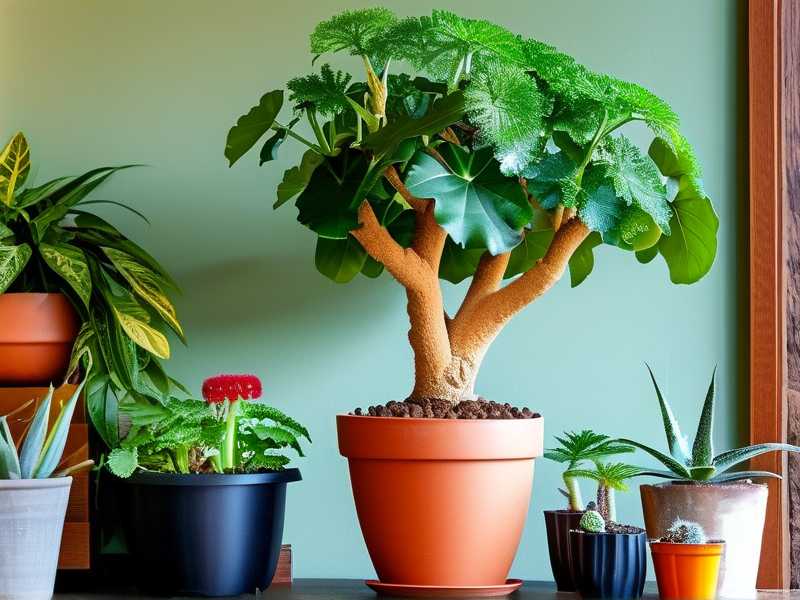
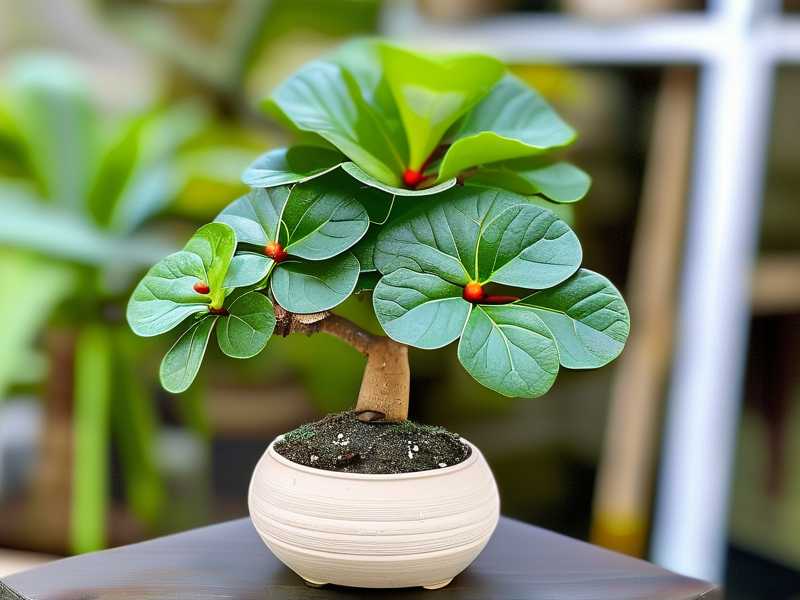
The Results After 14 Days By the end of the second week, the transformation was clear. The yellowing on the older leaves had halted. The soil was drying on a predictable, 5-6 day schedule. Most excitingly, those new growth buds from day 4 had developed into proper, bright green shoots. The plant looked stable, perky, and was clearly adapting to its new aerial home. The care for a hanging Money Tree became intuitive once I understood its specific needs.
Common Pitfalls and How I Solved Them
- The Soggy Bottom: My initial basket trapped water. The inner pot system solved this entirely. Always ensure water can escape.
- Inconsistent Watering: The “lift test” eliminated guesswork. A moisture meter is another excellent tool for maintaining a healthy hanging Money Tree.
- Neglecting Rotation: The side facing the light grew denser. I now rotate the basket a quarter turn each time I water for even growth.
- Wrong Hanging Hardware: I used a simple hook initially. After researching, I installed a ceiling hook rated for twice the basket’s weight when wet, ensuring safety.
Sustaining Long-Term Health
Your work isn’t done after the reset. Prune any dead or excessive growth in spring to maintain shape. Wipe the leaves monthly with a damp cloth to maximize photosynthesis. Repot every 2-3 years, or when roots circle the bottom of the inner pot. Listen to your plant—it will tell you what it needs.
Frequently Asked Questions
How often should I water my hanging Money Tree? There’s no universal schedule. It depends on your home’s light, temperature, and humidity. Always use the weight or finger test. For me, it’s every 5-7 days, but in winter, it might stretch to 10-14 days.
Can I use a self-watering pot for my hanging Money Tree? I would advise against it. Money Trees are highly susceptible to root rot from constant moisture. They prefer a cycle of thorough watering followed by a period of drought. Self-watering systems often keep the soil too consistently damp.
Why are the leaves on my Money Tree turning brown and crispy? This is usually a sign of low humidity or underwatering. While they don’t need tropical humidity, very dry air (common in heated homes) can cause this. Try grouping it with other plants, using a humidity tray, or occasional light misting of the surrounding air, ensuring the plant has good airflow to prevent fungal issues.
Caring for a Money Tree in a hanging basket is a rewarding practice that blends horticulture with interior design. It requires a shift in perspective—from ground-based to aerial care. By focusing on impeccable drainage, disciplined watering, and the right light, you can create a stunning, healthy display. My two-week journey turned a struggling plant into a centerpiece, proving that with a little tailored attention, your hanging Money Tree can become the most vibrant spot in your room.