admin
admin How to Fix Phosphorus Deficiency in Your Money Tree: A Step-by-Step Recovery Guide
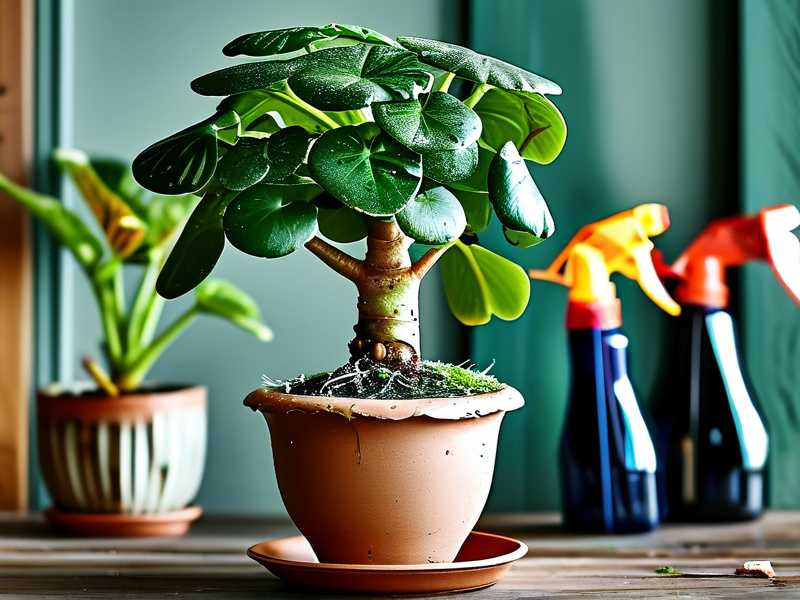
I remember the day I noticed my beloved Money Tree, a vibrant centerpiece in my living room for years, starting to look… off. Its normally lush, green leaves were developing strange, dark purple or bronze tints, especially along the veins and edges. New growth seemed stunted, and a few older leaves had taken on a dull, almost bluish-green hue before yellowing and dropping. I was worried. This wasn't the typical overwatering drama I was used to; this felt different. After some frantic research and comparing symptoms, I pinpointed the likely culprit: phosphorus deficiency. If your Money Tree is showing similar signs, don't panic. I spent the next two weeks methodically nursing mine back to health, and I'm here to guide you through the exact process.
Understanding Phosphorus: The Energy Currency of Your Plant
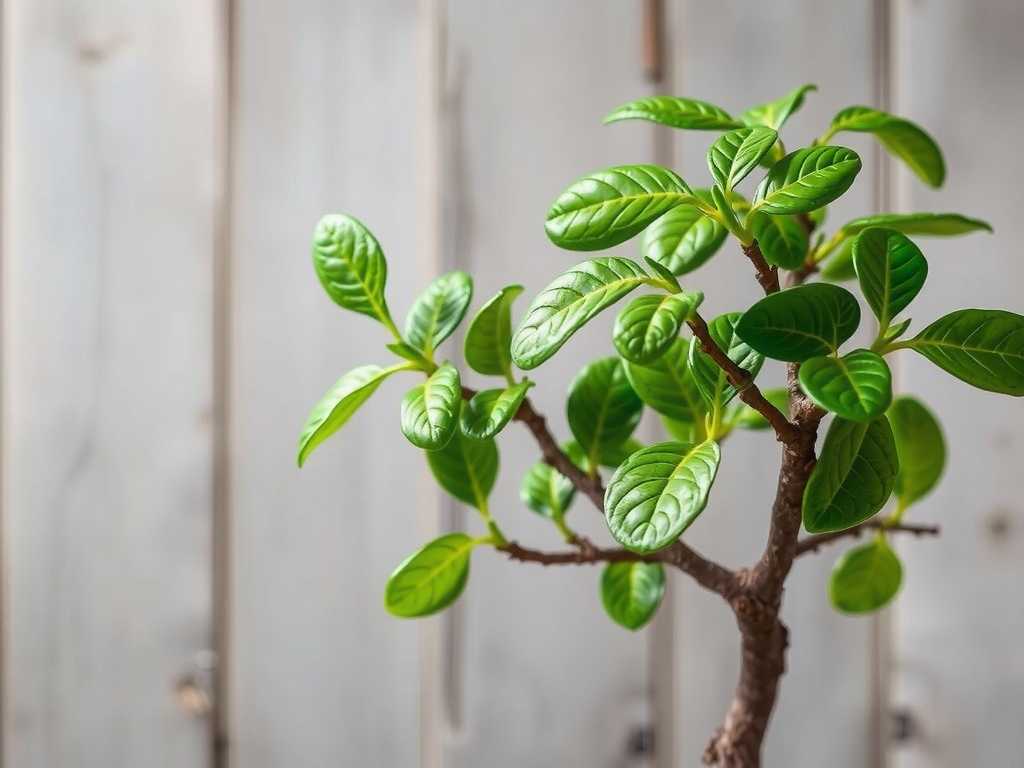
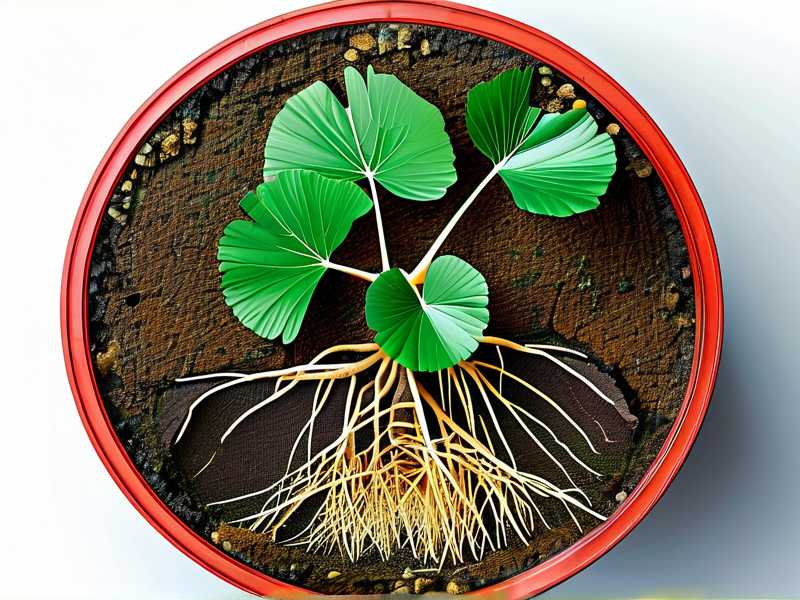
Before we dive into the fix, let's understand why phosphorus deficiency in Money Trees is such a big deal. Phosphorus is a primary macronutrient crucial for energy transfer, photosynthesis, and root development. Think of it as the plant's battery pack. Without it, key processes slow down. The American Horticultural Society (AHS) notes that phosphorus is particularly vital for developing strong root systems and promoting flowering and fruiting—though for our Money Trees, we're more focused on robust stems and glorious foliage.
The symptoms are telltale: darkening or purpling of leaves (starting with the older, lower leaves), stunted growth, and leaves that might feel unusually stiff or brittle. My plant's purple-tinged foliage was the classic sign. It's often confused with cold stress, but since my home was consistently warm, nutrient deficiency became the prime suspect.
My Two-Week Recovery Plan: A Daily Log
I decided to tackle this how to fix phosphorus deficiency problem systematically, documenting the process to see what truly worked.
Week 1: Diagnosis and Initial Treatment
Days 1-2: Confirmation and Soil Flush My first step was to rule out other issues. I checked the roots (no rot, thankfully) and reviewed my watering habits. Convinced it was a nutrient lockout—possibly from a buildup of salts in the soil or a pH imbalance preventing phosphorus uptake—I started with a thorough soil flush. I took the plant to the sink and ran lukewarm water through the soil for several minutes, allowing it to drain freely. This helps leach out excess salts that can block nutrient absorption. I let it drain completely overnight.
Day 3: The Right Fertilizer Application This is where precision matters. Not all fertilizers are created equal. I needed a formula higher in phosphorus (the middle number in the N-P-K ratio). I chose a balanced, water-soluble fertilizer but also incorporated a gentle, phosphorus-rich supplement like bone meal, which is organic and releases slowly. According to the Royal Horticultural Society (RHS), organic matter like bone meal can help correct deficiencies while improving soil structure. I carefully mixed a half-strength dose of the liquid fertilizer and lightly worked a small amount of bone meal into the topsoil, then watered it in gently. The key here is to avoid shocking the plant with a heavy dose.
Days 4-7: Observation and Environment Optimization Phosphorus uptake is highly dependent on soil temperature and pH. Money Trees prefer slightly acidic to neutral soil. I used a simple pH test kit and found my soil was slightly too alkaline, which can lock out phosphorus. To gently correct this, I started using filtered water (tap water can be alkaline) and considered a future repot with a peat-based mix. I placed the plant in a spot with consistent, bright indirect light (its usual favorite) and ensured room temperatures stayed above 65°F (18°C). I saw no immediate change, which was expected. Recovery isn't overnight.
The Pitfall I Encountered and How I Solved It Around Day 5, I noticed a couple of leaves yellowing rapidly. I feared I'd overdone it or was wrong about the diagnosis. After revisiting my steps, I realized my mistake: in my zeal to flush the soil, I had possibly over-saturated it, stressing the roots and compounding the problem. The plant was dealing with both a nutrient issue and slight root stress. I immediately stopped all watering and let the soil dry out more than usual before the next watering. This taught me a critical lesson: when fixing a phosphorus deficiency in Pachira aquatica (the scientific name for Money Tree), you must proceed gently. One stressor at a time.
Week 2: Signs of Turnaround and Adjustment
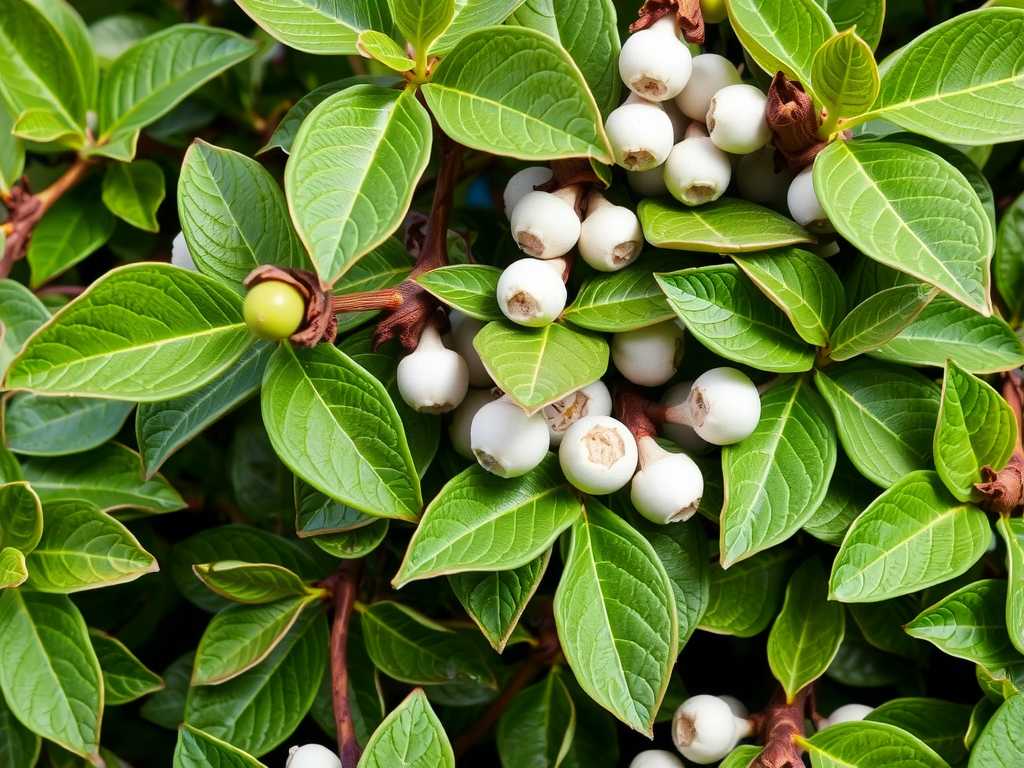
Days 8-10: The First Glimmers of Hope After the soil had properly dried and I resumed a careful watering schedule, I inspected the plant closely. The existing purpling on the older leaves hadn't vanished (it often doesn't), but it had stopped spreading. More importantly, the very tip of a new shoot, which had been dormant, showed a hint of fresh, green growth. This was the most encouraging sign! The plant was using the newly available phosphorus to fuel new development.
Days 11-14: Consolidating Recovery I continued with optimal care: bright light, no drafts, and careful watering only when the top few inches of soil were dry. I did not apply more fertilizer; one application was enough for now. Over-fertilization is a far more common and dangerous problem than under-fertilization. The new growth became more pronounced, and its color was a healthy, vibrant green. No further leaf drop occurred. The plant appeared stable and was visibly on the mend.
Long-Term Prevention: Keeping Your Money Tree Thriving
Fixing the problem is only half the battle. Preventing its return is key.
- Fertilize Wisely: I now use a balanced, diluted liquid fertilizer only during the active growing season (spring and summer), and never in winter. Once or twice a season, I might use a formula slightly higher in phosphorus to support root health.
- Water with Care: I stick to the "soak and dry" method and use filtered or rainwater when possible to maintain a favorable soil pH.
- Repot Periodically: Every 2-3 years, I repot with fresh, well-draining potting mix. This replenishes nutrients and prevents salt and mineral buildup that causes lockout.
- Monitor Light and Temperature: Consistent, warm conditions ensure the plant can metabolize nutrients effectively.
Frequently Asked Questions
Can a Money Tree recover from severe phosphorus deficiency? Yes, absolutely. While severely affected older leaves may not revert to green, the plant will stop declining and direct energy into new, healthy growth. Patience is essential; recovery takes several weeks to become fully evident.
What is the fastest way to add phosphorus to my Money Tree? A water-soluble fertilizer with a higher middle number (P) in the N-P-K ratio, applied at half-strength to avoid root burn, is the quickest method for immediate availability. However, for a slower, sustained release, incorporating a small amount of bone meal into the soil is an excellent organic option.
How often should I fertilize my Money Tree to prevent deficiencies? Less is more. During the active growing seasons of spring and summer, fertilizing once a month with a balanced, diluted fertilizer is sufficient. Refrain from fertilizing entirely in autumn and winter when the plant's growth naturally slows. Regular repotting with fresh soil is often the best prevention, as it naturally replenishes essential nutrients.
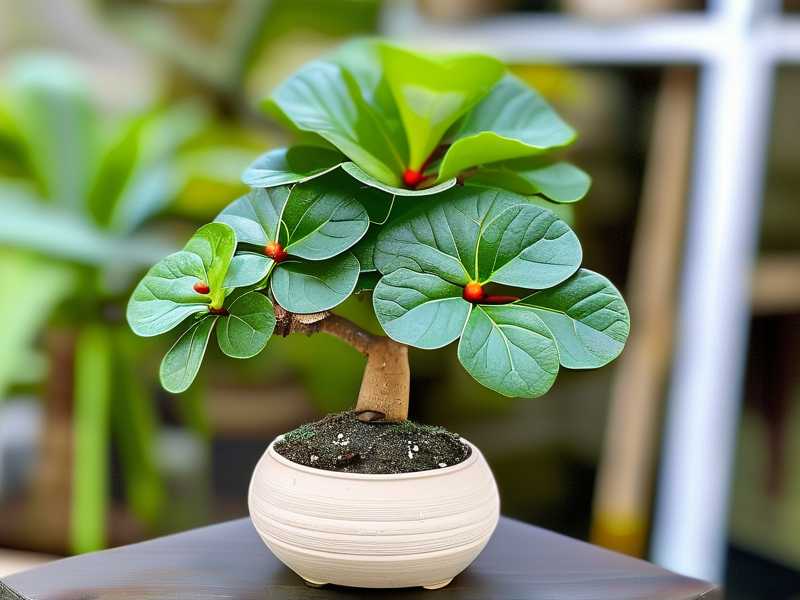
Watching my Money Tree push out that first new, perfectly green leaf after two weeks of careful intervention was incredibly rewarding. The journey taught me that plant care is often about subtle adjustments and keen observation, not drastic measures. By understanding the signs of phosphorus deficiency, acting methodically with a gentle flush and targeted nutrition, and then committing to consistent, preventive care, you can restore your plant's vitality. Your Money Tree is resilient. With the right knowledge and a little patience, you can guide it back to its full, glorious health.