admin
admin How to Care for a Money Tree on a Shelf: A Plant Lover’s Real-World Guide
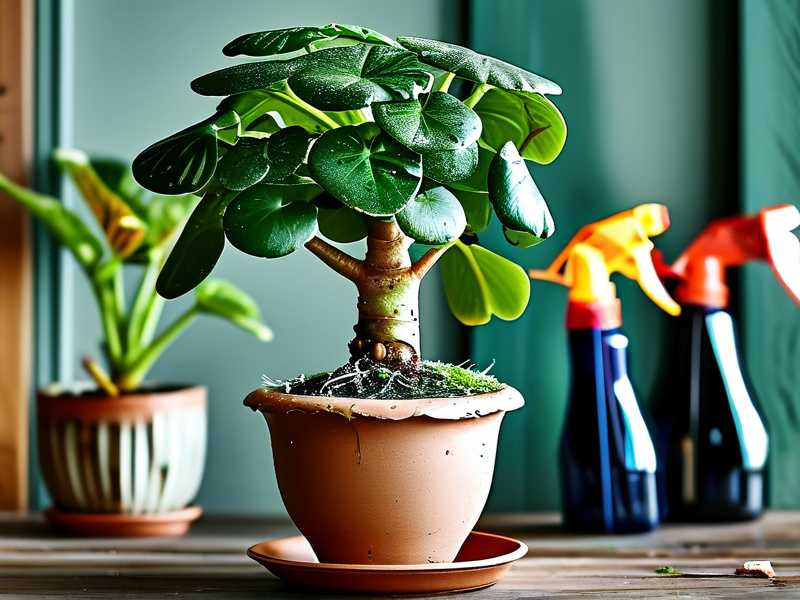
You’ve brought home that beautiful, braided Money Tree, placed it proudly on your shelf, and for a while, it felt like the perfect, low-maintenance touch of green. But then, maybe the leaves started to yellow. Perhaps they began to droop, or worse, fall off entirely. I’ve been there. The frustration of wanting a thriving indoor jungle but watching a prized plant struggle is real, especially when it’s perched in a spot we love for decor but that might not love the plant back. As a hands-on plant enthusiast, I learned that caring for a Money Tree on a shelf isn’t just about occasional watering; it’s about understanding the unique micro-environment you’re creating. This guide is born from my own two-week experiment, meticulous observations, and the lessons learned from mistakes I made along the way.
Understanding Your Shelf’s Environment
Before you even water your plant, the first step is to become a detective of your space. A shelf isn’t just a shelf; it’s a specific set of conditions.
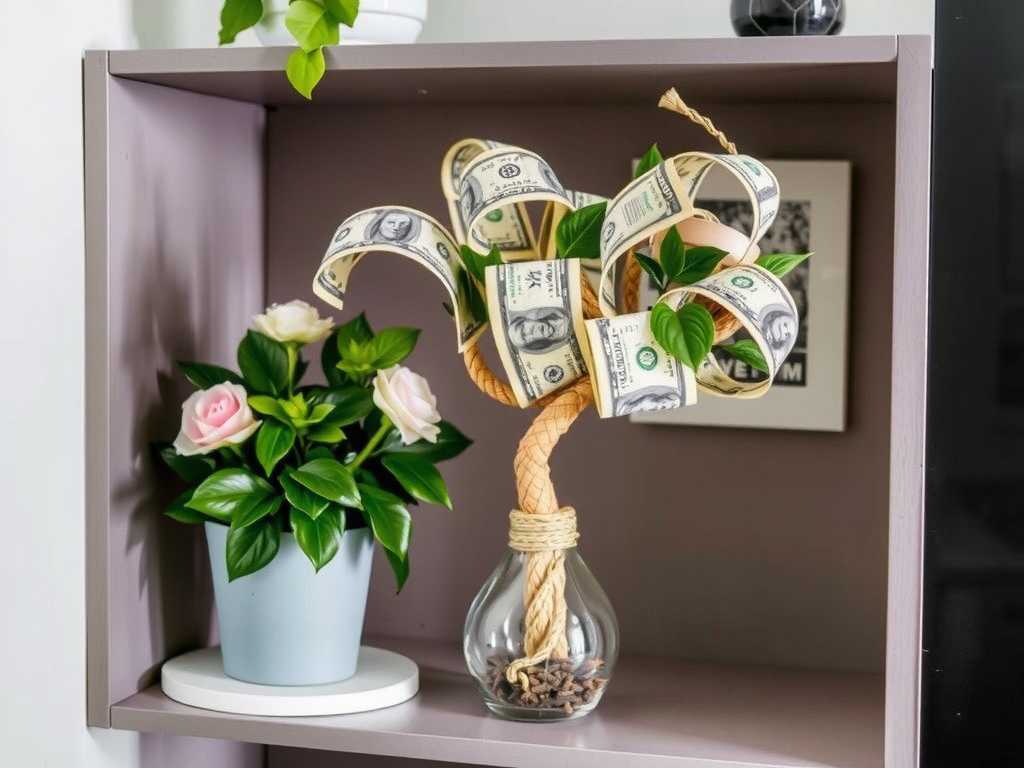
Light: The Silent Game-Changer Most shelves, especially those against walls, receive indirect light. This is generally good for Money Trees (Pachira aquatica), which prefer bright, filtered light. However, “indirect” can range from a dim corner to a sun-drenched spot a few feet from a window. I used a simple light meter app on my phone to track the intensity over several days. My target shelf, which I thought was bright, actually received only “low” to “medium” indirect light for about 4 hours a day. The Royal Horticultural Society (RHS) emphasizes that insufficient light is a primary cause of leggy growth and leaf drop in houseplants. This was my first clue that placement might need tweaking.
Airflow and Humidity Shelves can be dead zones for air circulation. Stagnant air encourages pests like spider mites and fungal issues. Furthermore, heating or air conditioning vents often blow directly onto shelves, creating drafts that Money Trees despise. I monitored humidity with a hygrometer. Near my shelf, humidity hovered around 35%, which is quite dry, especially in winter. The American Horticultural Society (AHS) notes that many tropical plants, including Money Trees, thrive in humidity levels of 50% or higher. Dry air can lead to crispy leaf tips.
My 2-Week Care Protocol and Observation Diary
I committed to a structured care routine for my shelf-bound Money Tree, documenting everything. Here’s what I did and what happened.
Week 1: Assessment and Initial Adjustments
- Day 1: I gave the plant a thorough inspection. The soil was bone dry. I performed the “soak and drain” method: placing the pot in a sink, watering thoroughly until water ran freely from the drainage holes, and letting it drain completely before returning it to its decorative cache pot on the shelf. Key step: I never let water sit in the cache pot. Root rot is the fastest killer.
- Day 3: I noticed the leaves facing the room seemed slightly perkier, but the inner leaves were still dull. I gently rotated the pot 90 degrees to ensure even light exposure.
- Day 5: To address the low humidity, I placed a small, shallow tray filled with water and pebbles on the shelf next to the pot. As the water evaporates, it locally increases humidity. I avoided misting, as it often leads to leaf spot diseases without providing lasting humidity.
- Day 7: No dramatic changes, but no further leaf drop. The soil was still lightly moist an inch below the surface.
The Pitfall I Hit and How I Fixed It On Day 10, I saw a few yellow leaves at the base. Alarm bells rang! I immediately checked the soil—it was still damp. I had fallen into the classic trap of “loving it to death” with water. My schedule was too rigid. The plant on the shelf, in lower light and with less air movement, was evaporating water much slower than my other plants. I carefully removed the yellow leaves and held off on watering. I learned the golden rule: Water based on soil moisture, not the calendar. I now use my finger to check the top 2-3 inches of soil; only when it’s completely dry do I water.
Week 2: Refinement and Positive Signs
- Day 12: After letting the soil dry out properly, the plant’s posture improved. The stems felt firmer.
- Day 14: New, tiny growth buds became visible at the stem tips! This was the ultimate sign of recovery and approval from the plant. The pebble tray was working, and the leaf tips showed no new browning.
The Essential Care Checklist for a Shelf Money Tree
Based on my experience, here is your actionable blueprint.
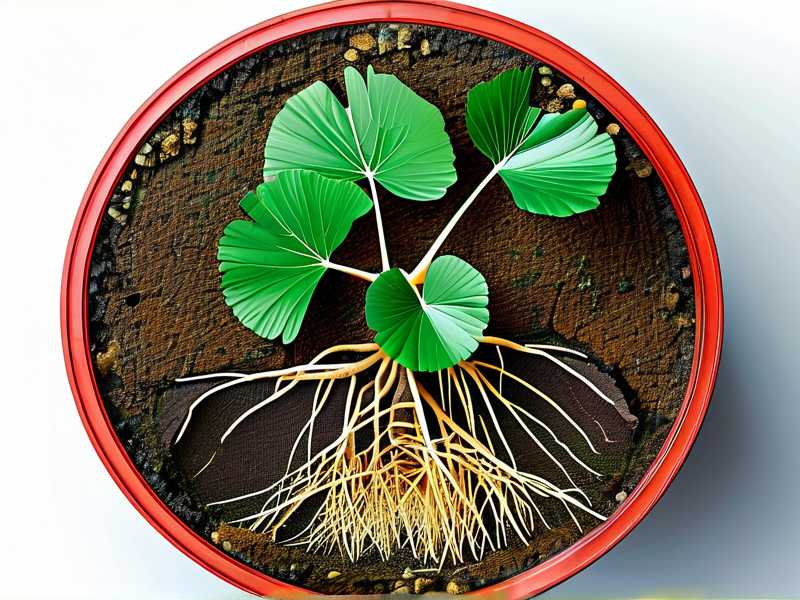
1. Perfecting the Watering Technique Forget schedules. Your watering can is not a clock. The needs of a Money Tree plant placed on a shelf change with seasons, light, and indoor climate. Always use the finger test. When you do water, do it thoroughly. This encourages deep root growth. Ensure your pot has drainage holes, and never let the plant sit in standing water.
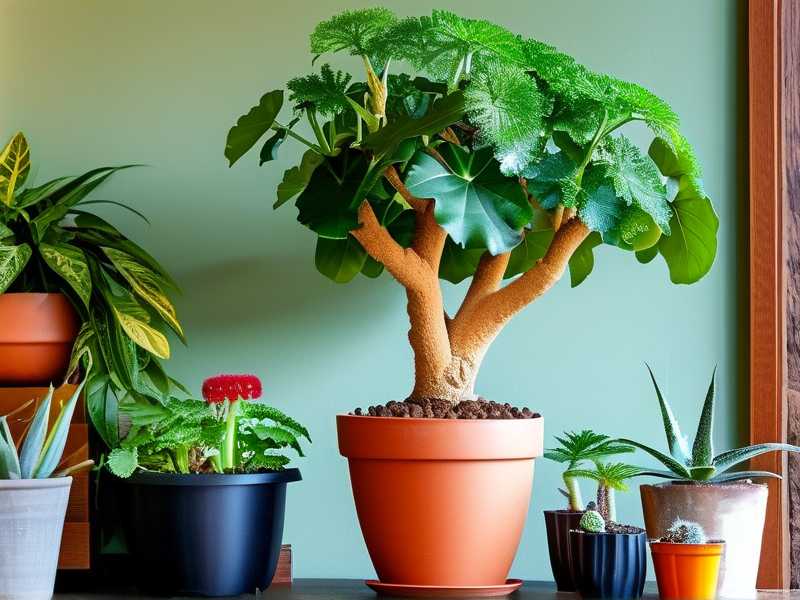
2. Choosing the Right Light and Placement A north or east-facing shelf is often ideal. If your shelf is near a south or west window, ensure a sheer curtain filters the intense rays. If light is consistently low (like mine was), consider supplementing with a small, low-wattage grow light placed discreetly above the shelf. Rotate your plant a quarter turn every time you water to promote symmetrical growth.
3. Soil and Fertilization: The Foundation Use a well-draining, peat-based potting mix. You can add perlite or orchid bark for extra aeration. During the active growing season (spring and summer), feed your Money Tree with a balanced, water-soluble fertilizer diluted to half-strength, once a month. Do not fertilize in fall and winter when growth slows. An RHS report on container gardening stresses that over-fertilization in low-light conditions can lead to salt buildup and root damage.
4. Humidity and Temperature Control Aim for consistent temperatures between 65-80°F (18-27°C). Avoid cold drafts and direct heat blasts. For humidity, the pebble tray method is simple and effective. Alternatively, grouping several plants together can create a beneficial microclimate. A small room humidifier is the most reliable solution for very dry homes.
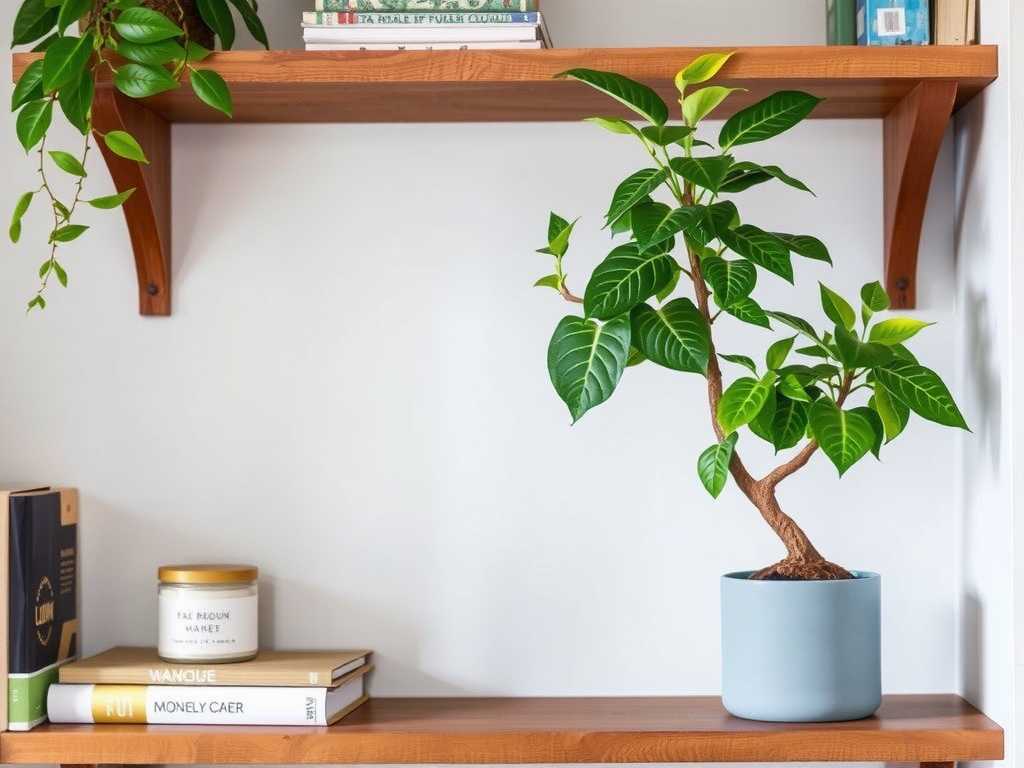
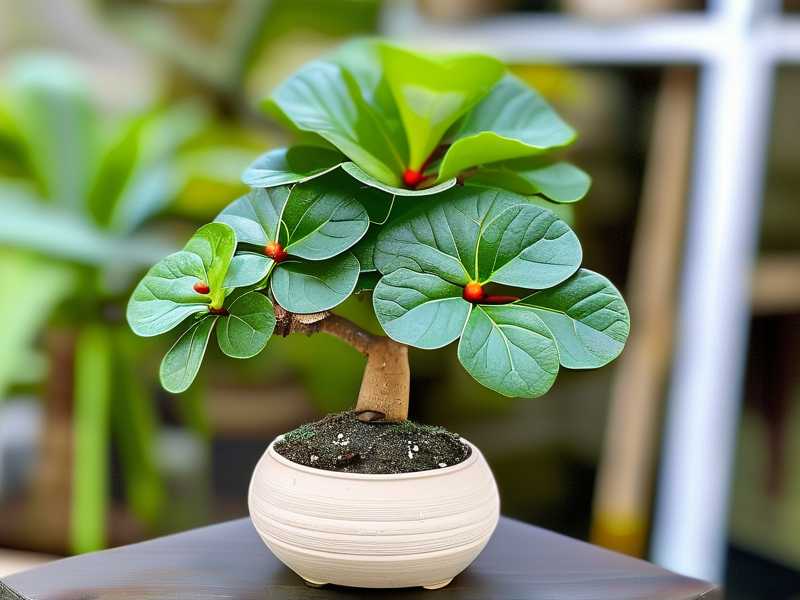
5. Pruning and Maintenance for Health and Shape Regularly prune any yellow or dead leaves with clean, sharp scissors. To encourage a bushier Money Tree for shelf decor, you can lightly trim the topmost growth. This directs energy to lower buds. Keep the leaves dust-free by wiping them gently with a damp cloth; dust blocks precious light.
Troubleshooting Common Problems
- Yellow Leaves: Usually overwatering (if widespread) or natural shedding of old leaves (if occasional and at the base). Check your soil moisture first.
- Brown, Crispy Tips: Low humidity or inconsistent watering. Check your local humidity and review your watering consistency.
- Drooping Leaves: Can be caused by both under-watering (dry soil, crispy leaves) or overwatering (wet soil, mushy stems). Diagnose by feeling the soil.
- Leaf Drop: A dramatic response to stress from draft, sudden temperature change, or severe over/under-watering. Re-stabilize its environment.
How often should I really water my Money Tree on a shelf? There is no single answer. It depends entirely on your home’s light, temperature, and humidity. The only reliable method is to check the soil weekly. Insert your finger into the soil up to the second knuckle. If it feels dry at that depth, it’s time for a thorough watering. In my lower-light shelf setup, this often meant watering only every 10-14 days.
Can a Money Tree survive on a shelf with no natural light? No, it cannot survive long-term. While it is tolerant of lower light, it requires some source of bright, indirect light to perform photosynthesis and stay healthy. If your shelf is in a windowless room or a very dark corner, you must provide an artificial grow light to keep it alive.
Why are the leaves on my Money Tree turning pale and losing variegation? This is a classic sign of insufficient light. The plant is producing more chlorophyll in an attempt to capture more energy, causing the leaves to turn a uniform, lighter green. To maintain the health and color of your indoor Money Tree, move it to a brighter location (with indirect light) or introduce a supplemental light source.
Caring for a Money Tree on a shelf is a rewarding practice in mindful plant parenting. It teaches you to observe rather than assume, to respond to your plant’s signals rather than a rigid calendar. By mastering the balance of light, water, and humidity specific to that elevated spot, you transform a potential decor challenge into a showcase of thriving, resilient greenery. The sight of those new, vibrant green leaves unfurling against all odds is the best reward any plant lover can ask for.