admin
admin How to Rotate a Money Tree for Even Growth: My 2-Week Journey to a Perfectly Balanced Plant
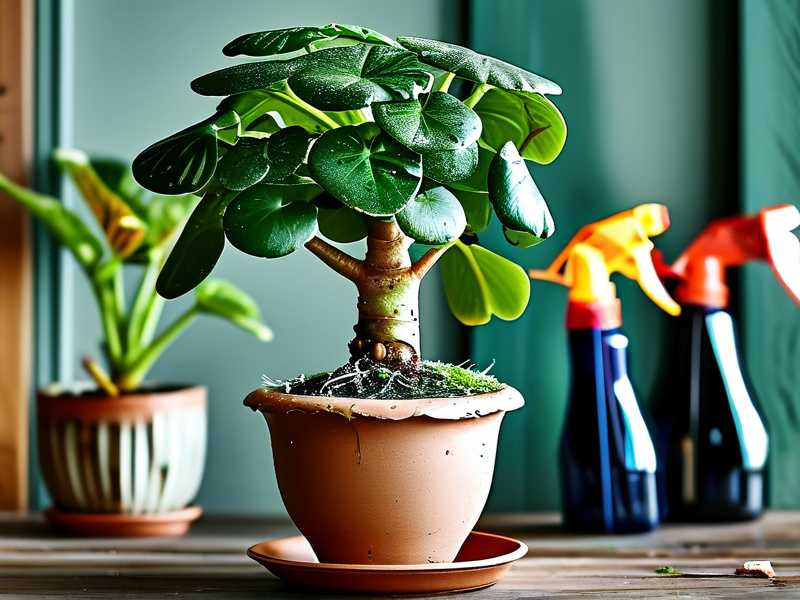
I love my Money Tree, but for the longest time, it had a secret. It looked lush and full from one side—the side facing my sunny window. But when I peeked behind its braided trunk, the story was different. Sparse growth, smaller leaves, and a noticeable lean told the truth: my plant was reaching desperately for light, growing unevenly. If you’ve ever wondered why your Money Tree seems lopsided or why new growth is only coming from one direction, you’re not alone. The single most effective solution is a simple, consistent practice: rotation. I decided to commit to a strict rotation routine for two weeks to see just how dramatic the difference could be. Here’s exactly what I did, what I learned, and how you can achieve beautifully even growth for your own plant.
Understanding Why Your Money Tree Leans and Grows Unevenly
Plants are not passive decor; they are dynamic organisms responding to their environment. This behavior is called phototropism—growth toward a light source. Your Money Tree’s leaves are essentially solar panels. They will naturally orient themselves to capture the maximum amount of light. In a home with a single primary light source, like a window, the side facing the light works overtime. The stems elongate, leaves grow larger, and the entire plant can develop a pronounced, sometimes permanent, lean away from the darker side of the room.

The Royal Horticultural Society (RHS) emphasizes that “regular turning of houseplants ensures even growth and prevents plants from becoming one-sided.” This isn’t just about aesthetics. An uneven plant can become structurally weak, and the shaded sections, deprived of sufficient light, may eventually drop leaves or become susceptible to health issues. Rotation is the simple act of countering this natural tendency to promote a sturdy, symmetrical, and healthier plant.
My Step-by-Step Rotation Protocol for Perfect Symmetry
I moved my Money Tree to a spot where it received plenty of bright, indirect light from a south-east facing window. This became my baseline. I then implemented a disciplined, two-step rotation system.
Step 1: Establishing the Rotation Rhythm and Angle I marked a discreet dot on the rim of the pot with a marker. This was my starting point, facing the window. Every time I watered my plant—which for my home’s conditions was about once a week—I would also give the pot a quarter turn. That’s roughly 90 degrees, clockwise. This routine ensured I wouldn’t forget. A weekly quarter-turn is a widely recommended frequency that aligns with most indoor plant care schedules. It’s gentle enough not to shock the plant but consistent enough to signal all sides to participate in growth.
Step 2: Observing and Documenting the Response I kept a simple log on my phone. Each watering day, I took a photo from the same fixed spot (the “sparse side”) and made a note of any changes. For the first few days after the initial turn, I noticed very little. This was expected. The American Horticultural Society (AHS) notes that “plant response to changed light conditions is not instantaneous but a gradual reallocation of resources.” The existing leaves were slowly reorienting themselves.
By the end of the first week, after just one quarter-turn, the difference was subtle but visible. The leaves on the previously shaded side seemed to have “perked up” slightly, their angle adjusting by a few degrees toward the new light direction. The plant no longer looked like it was straining in one direction; it began to look more balanced, even in its posture.
The 2-Week Observation: Visible Changes and a Critical Mistake
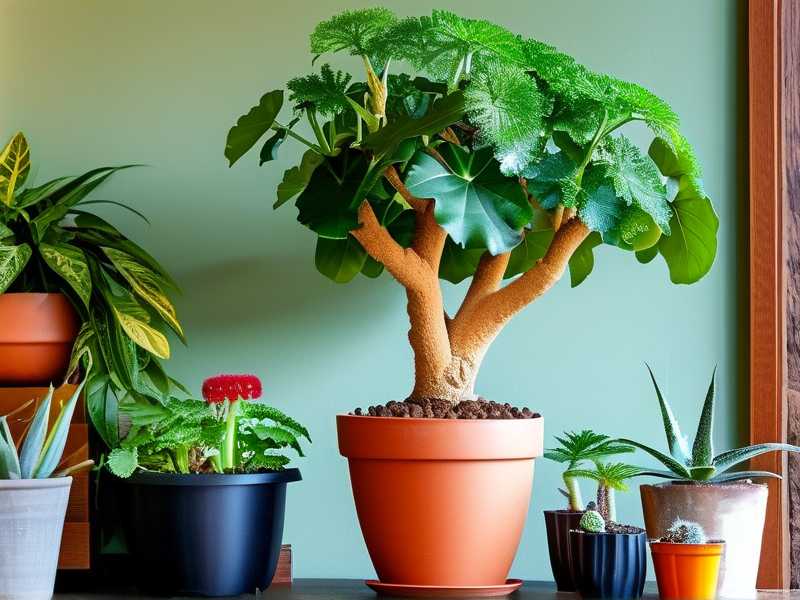
The real transformation started in the second week. After the second rotation (a total of 180 degrees from the start), the newest, small leaf buds on the shaded side showed clear activity. They were visibly larger and beginning to unfurl. The older leaves on that side had fully reoriented. My Money Tree was starting to look like a round, full shrub rather than a flat, one-sided display.
Here’s where I hit my first snag. Midway through the second week, I noticed a few older leaves near the base of the previously “sunny side” developed slight yellow edges. I panicked. Was rotation causing stress? After some research and cross-referencing AHS resources on plant stress, I diagnosed the issue: it wasn’t the rotation itself. In my enthusiasm, I had also moved the plant slightly closer to the window during a particularly bright spell. The leaves that had been acclimated to strong indirect light were now, after being rotated, receiving a more direct blast of sun than they could handle. The yellowing was a mild sun scorch.
The Fix: I immediately moved the plant back to its original, slightly shadier spot. I trimmed off the two most affected leaves and maintained my rotation schedule. The plant stabilized within days, and no other leaves were affected. The lesson was clear: rotation changes the light exposure for each side. Ensure your light source remains consistently indirect and bright to avoid shocking any part of the plant as it turns into the “hot seat.”
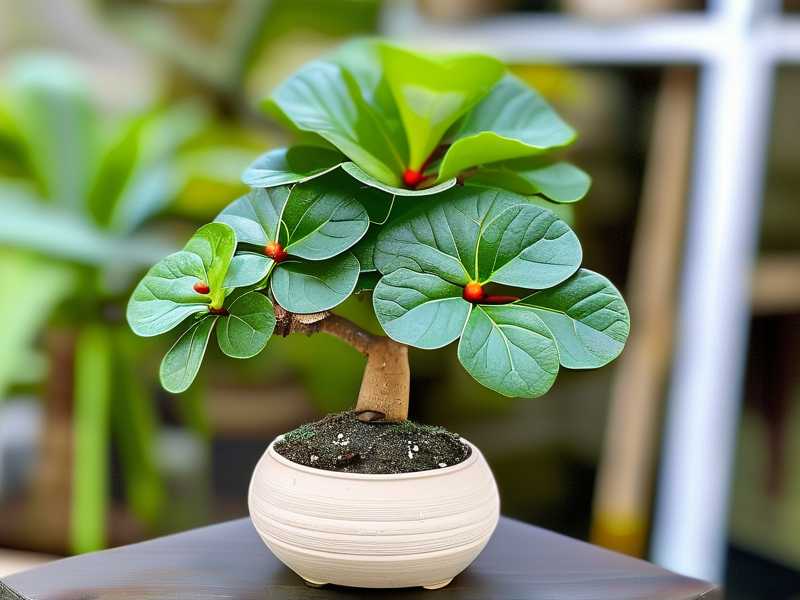
By the end of the two-week experiment, the results were undeniable. The canopy was visibly more uniform. The lean was corrected. Most excitingly, new growth was emerging from multiple points around the plant, not just the former front. The practice had successfully signaled to the plant that resources should be invested everywhere.
Advanced Tips for Sustaining Balanced Growth
Once you master the basic turn, a few extra considerations will elevate your plant’s health.
Syncing Rotation with Seasonal Care: Your Money Tree rotation schedule should be flexible. During the vigorous growing season (spring and summer), stick to your weekly turn. In fall and winter, when light is weaker and growth slows, you can reduce this to a half-turn every two weeks or only when you water. This prevents the plant from wasting energy constantly reorienting when it’s semi-dormant.
The Holistic Approach: Light, Water, and Nutrition: Rotation is one part of the puzzle. For truly balanced Money Tree growth, pair it with proper care. I use a balanced, water-soluble fertilizer diluted to half-strength every month during the growing season. I also make sure to water thoroughly only when the top 2-3 inches of soil are dry, checking the moisture at different sides of the pot. Even watering prevents root issues that could undermine the benefits of your rotation efforts.
When to Consider a Grow Light: If your room has very low light from only one direction, rotation alone may not be enough. In such cases, supplementing with a gentle, full-spectrum grow light placed above the plant can provide the even, ambient light needed to make your rotation efforts most effective.
How often should I rotate my Money Tree? A quarter-turn once a week is the ideal rhythm for most homes. Sync it with your watering day to make it a foolproof habit. In lower-light winter months, you can slow this to every other week.
Can I rotate my Money Tree too much? Yes, excessive rotation (daily or every other day) can confuse the plant and cause stress, leading to leaf drop. Plants need time to adjust. Stick to a slow, steady schedule. Weekly is perfect; avoid constant fiddling.
My Money Tree is already very lopsided. Can rotation fix it? Absolutely, but be patient. Start your rotation routine immediately. You may also want to gently stake the main stem to support it as the other side catches up. Over several months of consistent turning, new growth will fill in the sparse areas, and the plant’s weight will gradually redistribute, reducing the lean. For severe cases, consider pruning the longest stems back by a third in the spring to encourage bushier growth all around.
Rotation is more than a trick; it’s a conversation with your plant. By consistently presenting all sides to the light, you’re telling your Money Tree that every branch is valued, that it can grow with confidence in all directions. Those two weeks taught me that the smallest, most consistent actions—the simple turn of a pot—can yield the most balanced and beautiful results. Your lush, symmetrical, and happy Money Tree is just a regular quarter-turn away.