admin
admin How to Avoid Fungal Growth in Money Tree Soil: A Plant Lover's 2-Week Rescue Guide
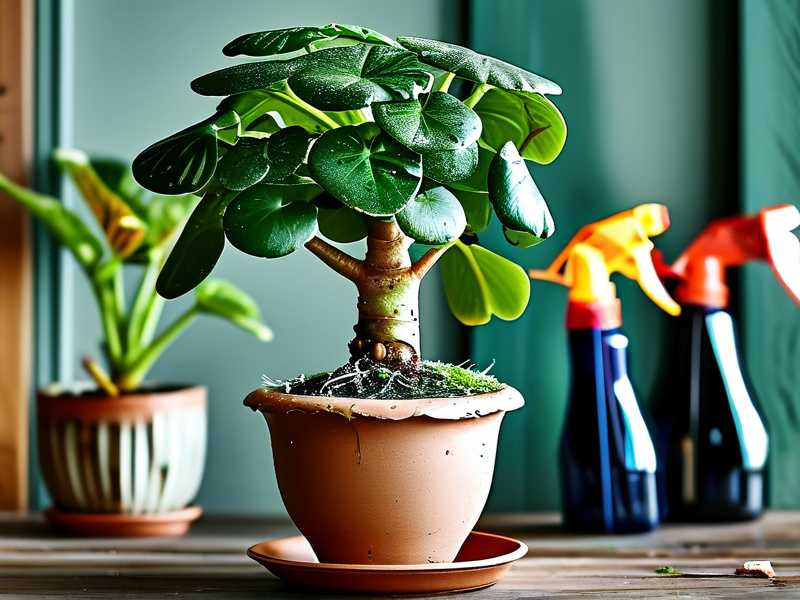
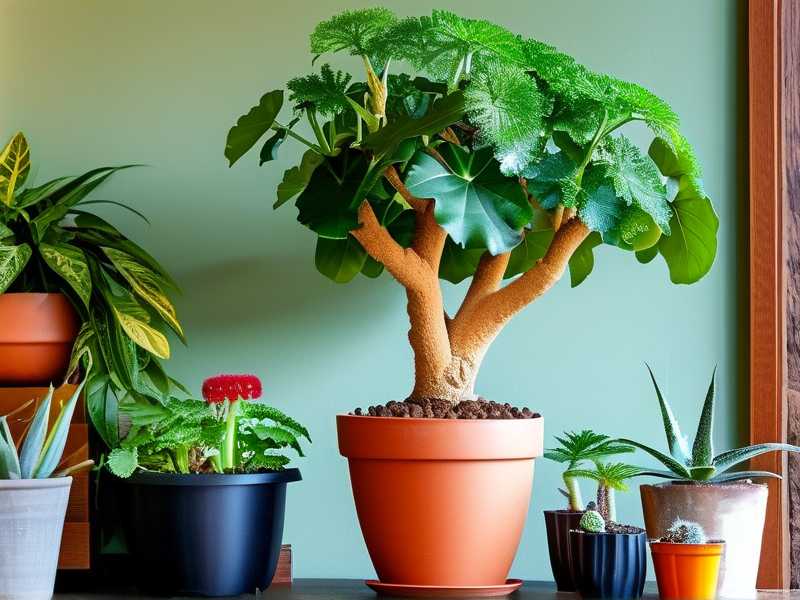
There's nothing more disheartening for a plant parent than spotting that first patch of white, fuzzy mold on the soil of your beloved Money Tree. You’ve chosen it for its luck-bringing reputation and lush, braided trunk, only to find an unwelcome, potentially harmful guest taking up residence. I know this panic intimately. For years, I struggled with recurring fungal issues in my Pachira aquatica, mistaking over-care for love. It wasn't until I methodically tackled the problem head-on, documenting every step and misstep over a critical two-week period, that I finally cracked the code to a healthy, mold-free root environment. This guide is that journey—a practical, step-by-step playbook born from experience, designed to help you prevent fungal growth in Money Tree soil effectively and for good.
Understanding Your Enemy: Why Fungus Finds Money Tree Soil So Cozy
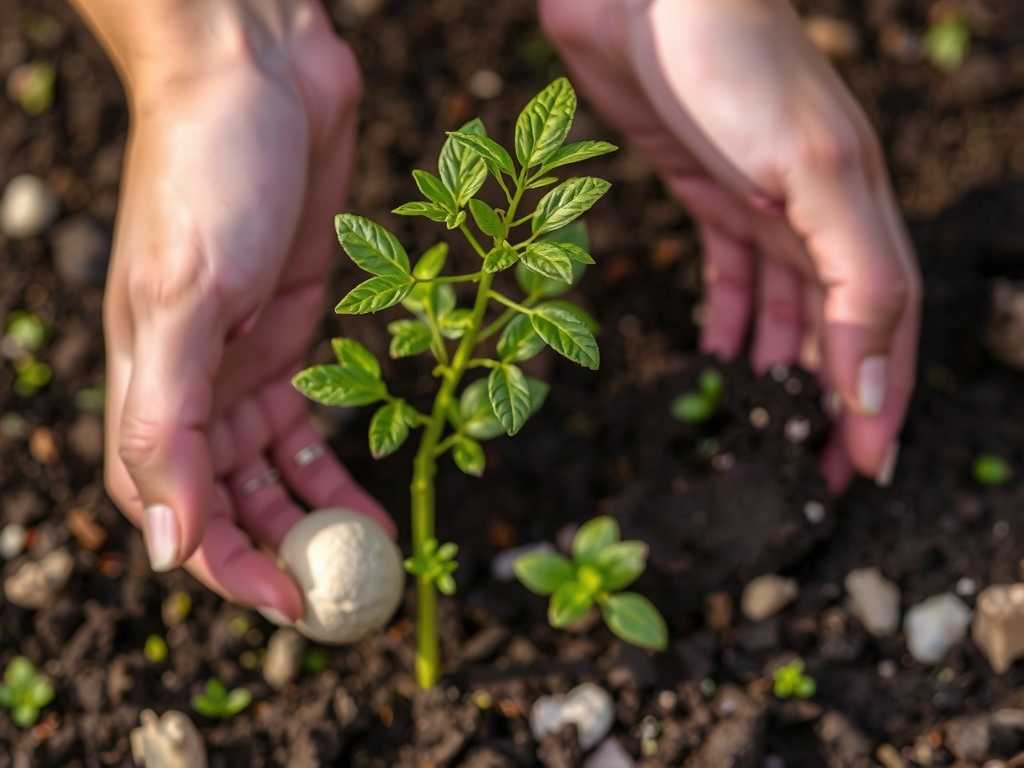
Before we dive into the solutions, it’s crucial to understand what we’re up against. Fungal spores are everywhere, but they only thrive when conditions are perfect. For mold, the perfect home is consistently moist, poorly aerated, and organic-rich soil—conditions often unintentionally created by well-meaning plant owners. The Royal Horticultural Society (RHS) notes that most houseplant soil fungi are saprophytic, meaning they feed on decaying organic matter in damp conditions. While not always directly attacking the plant, a dense fungal mat can create a barrier, impede soil aeration, and signal a serious overwatering issue that can lead to root rot.
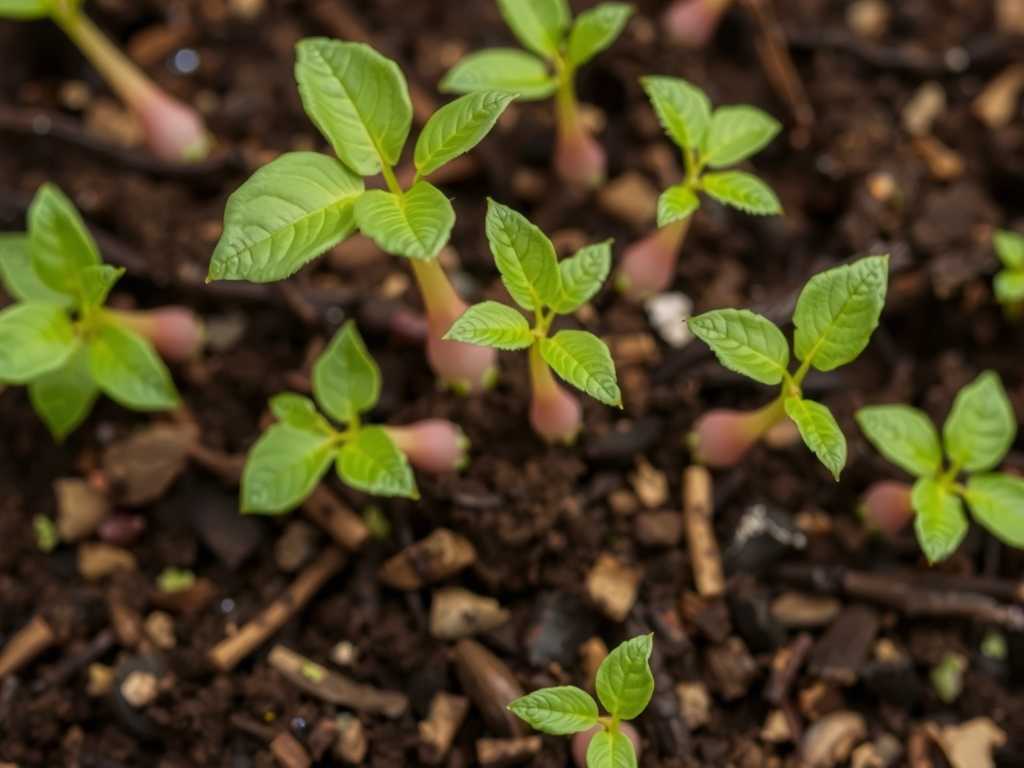
The key triggers are:
- Excess Moisture: The number one cause. Money Trees store water in their trunks and prefer their soil to dry out significantly between waterings.
- Poor Drainage: Using pots without holes or the wrong soil mix turns the pot into a swamp.
- Low Light & Cool Temperatures: These slow down the plant's water consumption, leaving soil wet for longer.
- Organic Debris: Leaves decaying on the soil surface provide a food source for fungi.
My 2-Week, Step-by-Step Action Plan to Eradicate and Prevent Soil Fungus
When I saw the fluffy white mold return on my Money Tree for the third time, I decided to start a complete reset. Here’s exactly what I did, what I observed, and the critical lessons I learned.
Week 1: The Immediate Rescue Operation
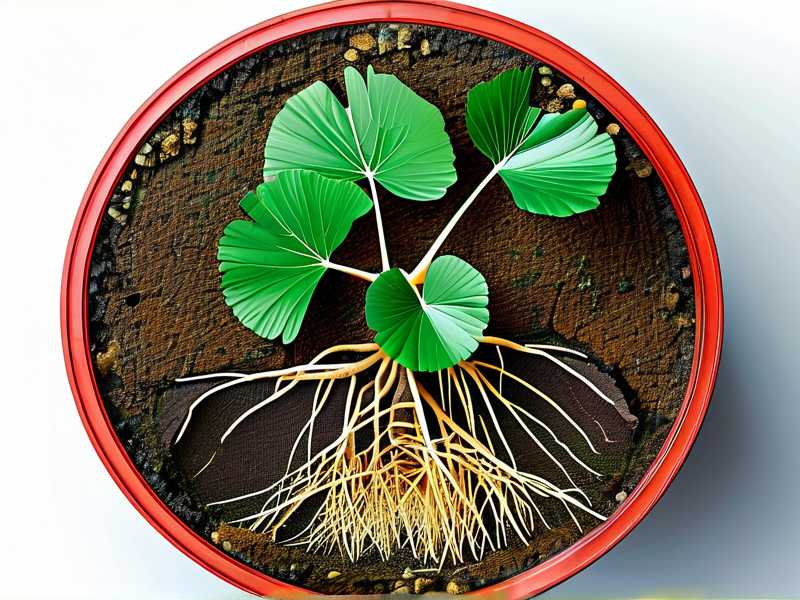
Day 1-2: Assessment and Isolation First, I isolated my Money Tree from other plants to prevent any potential spore spread. I then performed a thorough inspection. The mold was primarily on the surface, but the soil beneath felt cool and damp despite watering over a week prior—a clear red flag. I gently removed the plant from its pot to check the roots. Thankfully, they were firm and light tan, not mushy or dark (which would indicate advanced root rot). This confirmed the issue was still primarily at the soil surface level.
Day 3: The Soil Surface Scrape and Aeration Using a small spoon, I carefully scraped off the top half-inch of affected soil, disposing of it in a sealed bag. I then gently used a chopstick to aerate the deeper soil, poking holes down to the bottom of the pot to improve oxygen flow to the roots. This simple step, often overlooked, is a powerful tool recommended by experts to break up compacted soil.
Day 4: Applying a Natural Fungicide I opted for a natural antifungal solution. I prepared a dilute solution of neem oil (following bottle instructions) and lightly misted the newly exposed soil surface. Some sources suggest a sprinkle of cinnamon powder, which has natural antifungal properties. I applied a thin layer. Important Lesson Learned: Less is more. I initially made the neem solution too strong and worried about phytotoxicity. I corrected this by lightly misting with plain water to dilute it further.
Day 5-7: The Critical Dry-Out Period This was the hardest part—doing nothing. I placed the plant in a spot with bright, indirect light (near an east-facing window) and increased air circulation by running a ceiling fan on low. I resisted all urge to water. The goal was to let the soil dry out completely to at least 2-3 inches deep.
Week 2: Observing, Adjusting, and Building Defenses
Day 8-10: Monitoring and the First Watering Test By Day 8, the soil was properly dry. I performed the "finger test," inserting my finger up to the second knuckle—it was completely dry. This was my cue to water, but I did so radically differently. Instead of top-watering, which can re-wet the surface and encourage mold, I used the bottom-watering technique. I placed the pot in a saucer of water for about 20 minutes, allowing the soil to soak up moisture from the bottom. Once the top surface felt slightly moist, I removed it and let all excess drain away. The surface remained largely dry, depriving fungal spores of their ideal germination zone.
Day 11-14: Environmental Optimization and Long-Term Strategy With the immediate crisis over, I focused on prevention. I moved the plant to a consistently brighter location (avoiding direct harsh sun). I also checked the room’s humidity with a hygrometer; it was at 65%. While Money Trees enjoy humidity, combined with wet soil, it's a problem. I didn’t lower room humidity but committed to my new, stricter watering regimen based on soil dryness, not a schedule.
The Game-Changer: When a Full Repot is Necessary My surface-level fix worked because I caught the problem early. However, during my research phase, I spoke with a horticulturist whose advice aligns with the American Horticultural Society's (AHS) guidance on root health: if fungus is pervasive or you suspect root issues, a full repot is the safest cure. Here’s how to do it right:
- Choose the Right Soil: I now use a well-draining, chunky mix. My recipe is 2 parts regular potting soil, 1 part perlite, and 1 part orchid bark. This creates air pockets and prevents waterlogging.
- Select the Correct Pot: Always use a pot with drainage holes. Terracotta is excellent as it’s porous and helps wick away moisture.
- The Repotting Process: Gently remove all old soil from the roots. Inspect and trim any rotten roots with sterile shears. Place the plant in the new pot with fresh mix, water it in lightly, and then return to the bright, indirect light to recover.
Maintaining a Fungus-Free Future: Your Ongoing Care Checklist
- Watering Wisdom: Water only when the top 2-3 inches of soil are bone dry. Bottom-watering is your best friend for controlling mold in Pachira aquatica soil.
- Light & Air: Provide bright, indirect light and ensure good air flow around the plant.
- Cleanliness: Regularly remove fallen leaves or debris from the soil surface.
- Seasonal Adjustments: Water much less frequently in fall and winter when plant growth slows.
Addressing Your Top Concerns
Is the white mold on my Money Tree soil dangerous to me or my pet? Generally, the common white saprophytic mold is not highly toxic but can cause respiratory irritation in sensitive individuals or pets if spores are inhaled in large quantities. It’s primarily a danger to your plant’s health as a symptom of overwatering. Always address it promptly.
Can I just scrape off the mold and keep watering as usual? This is the most common mistake I made for years. Scraping is a good first step, but if you don’t correct the underlying condition—persistently wet soil—the mold will almost certainly return. You must adjust your watering habits and environment to achieve a long-term solution for healthy Money Tree root care.
My Money Tree is losing leaves after I treated the mold. Is this normal? Some leaf drop can be a stress response to the change in conditions, especially if you repotted or allowed the soil to become extremely dry. Focus on providing stable, bright light and proper care going forward. New growth is the sign you’re on the right track. If leaf loss continues, re-check the roots for rot you may have missed.
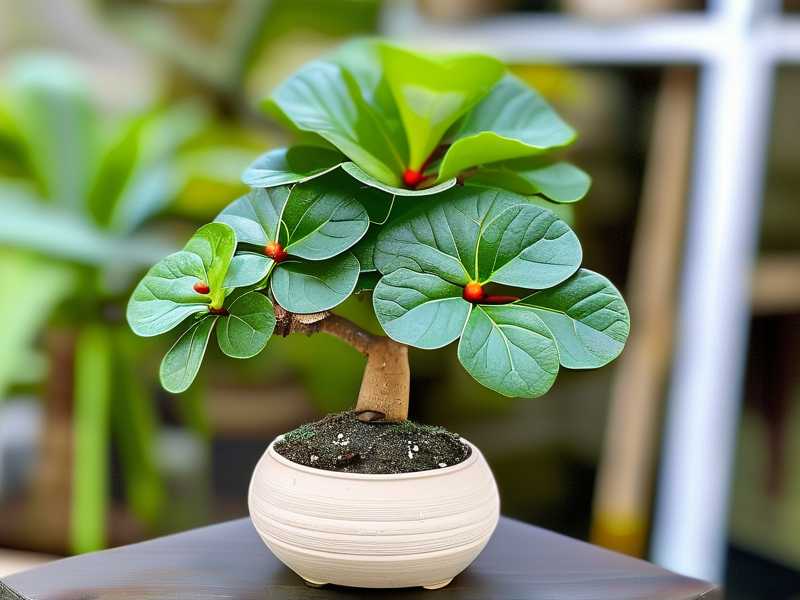
Winning the battle against fungal growth is about shifting from a reactive to a proactive care mindset. It’s understanding that your Money Tree’s need for water is less than its need for air at the roots. By prioritizing fast-draining soil, mastering the "soak and dry" watering method, and providing ample light, you create an environment where your plant thrives, and fungi simply cannot. My two-week experiment transformed not just the health of my plant, but my entire approach to plant care. The true luck of the Money Tree lies in the resilient, vibrant growth you’ll see once its roots are happy, healthy, and breathing easy.