admin
admin How to Care for a Money Tree with Curling Leaves: A Plant Lover’s Rescue Guide
You’ve lovingly placed your Money Tree (Pachira aquatica) in a bright corner, watered it on schedule, and hoped for lush, palm-like leaves. But instead, you’re met with a disheartening sight: leaves curling inward, some turning yellow or crispy at the edges. That vibrant symbol of good fortune now looks stressed and unhappy. I know this feeling all too well. As a long-time indoor plant enthusiast, I’ve faced this exact problem. My own once-thriving Money Tree suddenly developed severe leaf curl, prompting a deep dive into diagnosis and recovery. Over a focused two-week period, I documented every step, every mistake, and every small victory. This guide is born from that hands-on experience, designed to help you not only fix the curling leaves but also understand your plant’s language for long-term health.
Understanding Why Your Money Tree Leaves Are Curling
Before you can treat the problem, you need to play plant detective. Leaf curling is a symptom, not the disease itself. It’s the plant’s dramatic way of reducing surface area to conserve moisture or protect itself. Through my trial and error, I pinpointed several common culprits, often working in combination.
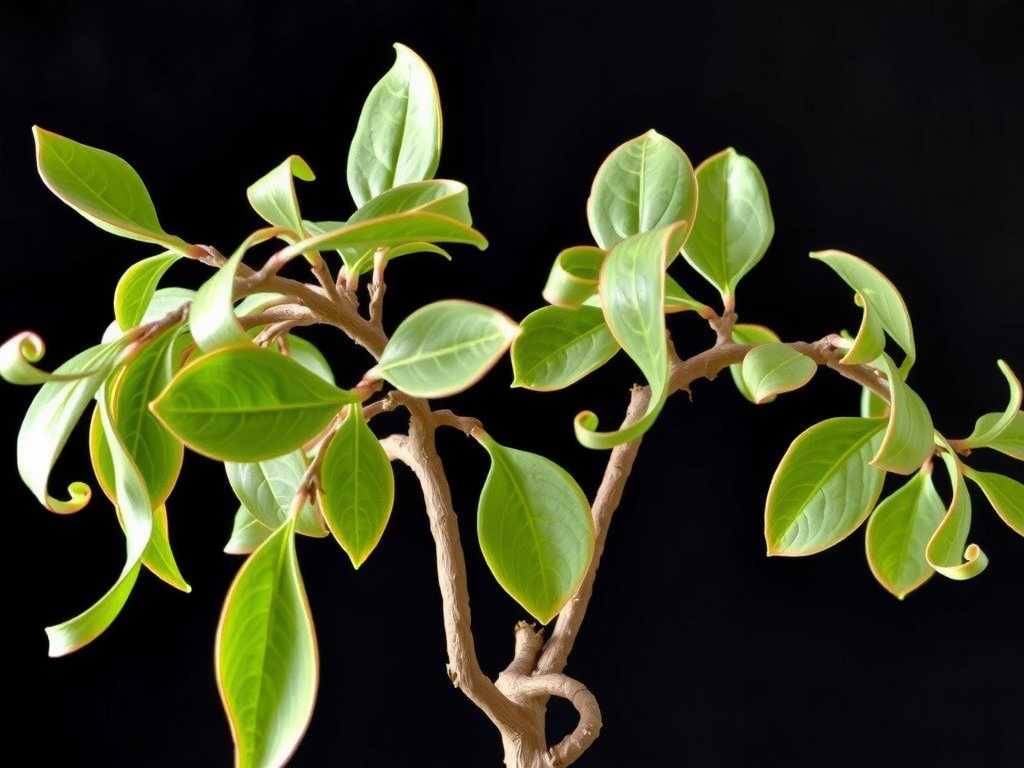
The Usual Suspects: Water, Light, and Humidity The most frequent cause of Money Tree leaves curling is inconsistent moisture. Both overwatering and underwatering can trigger this response. In my case, I initially assumed I was underwatering and made the problem worse. The soil felt dry on top, but the root ball was still soggy beneath—a classic sign of poor drainage and over-love. Conversely, prolonged dryness causes leaves to curl and cup to hold onto every drop of water.
Light is another factor. While Money Trees tolerate lower light, they thrive in bright, indirect sunlight. Too much direct sun can scorch leaves, causing them to curl and brown. Too little light weakens the plant, making it more susceptible to other stressors.
Low humidity is a silent offender, especially in air-conditioned or heated homes. Money Trees prefer moderate humidity. Dry air pulls moisture from the leaves faster than the roots can replace it, leading to curling and browning tips. I used a simple hygrometer and was surprised to find my living room humidity at a mere 30%—far too low for a tropical plant.
My 2-Week Rescue Plan for a Money Tree with Curling Leaves
Armed with knowledge, I committed to a 14-day rescue mission. Here was my step-by-step process, including the pitfalls I encountered.
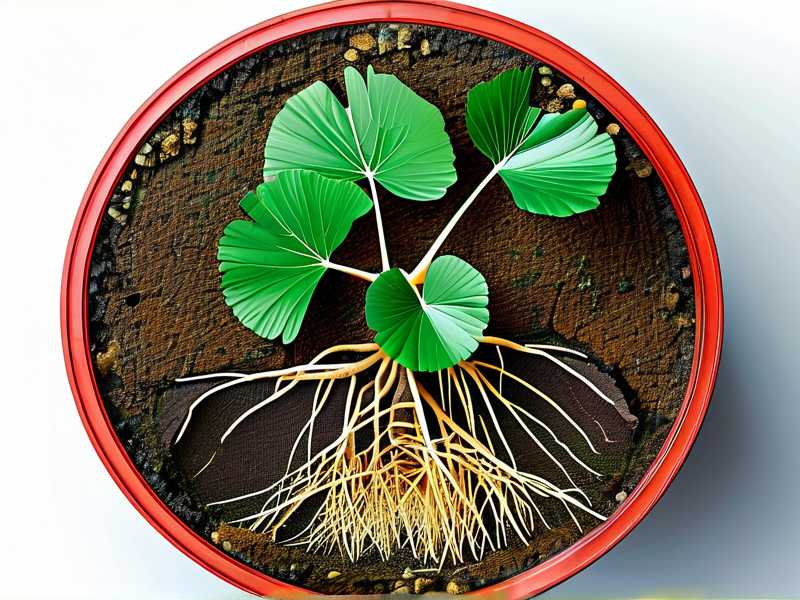
Days 1-3: Diagnosis and Immediate Intervention First, I gently removed the plant from its pot to inspect the roots—a crucial step many guides gloss over. What I found was a mix of healthy, firm white roots and some soft, brown, mushy ones: root rot from overwatering. This was my “aha!” moment and the key to my how to fix curling Money Tree leaves plan.
- Root Triage: I carefully rinsed the root ball and sterilized pruning shears with rubbing alcohol. I then pruned away all the soft, rotten roots. It felt drastic, but as the Royal Horticultural Society (RHS) advises, removing diseased tissue is essential to prevent spread and encourage new healthy growth.
- Fresh Start with Soil: I repotted the plant into a clean pot only slightly larger than the remaining root system, ensuring it had ample drainage holes. I used a well-aerated, fast-draining potting mix, amending a standard mix with extra perlite and orchid bark. This was a game-changer for preventing future waterlogging.
- Strategic Pruning: I pruned the most severely curled and yellowed leaves. This redirected the plant’s energy to recovery and new growth. I felt nervous doing this, but it immediately made the plant look better and reduced stress on the compromised root system.
Days 4-10: The Recovery Environment With the repot done, the focus shifted to providing ideal conditions. I placed the Money Tree in a spot with bright, filtered light from an east-facing window—no direct afternoon sun.
I resisted the urge to water immediately after repotting to let any disturbed roots heal. After three days, I performed the true proper care for a Money Tree with leaf curl: a thorough, deep watering. I placed the pot in a sink, watered until it flowed freely from the drainage holes, and let it drain completely before returning it to its saucer. I vowed to water only when the top 2-3 inches of soil were dry to the touch, a method supported by the American Horticultural Society’s (AHA) guidelines on mindful watering.
To tackle the low humidity, I employed a multi-pronged approach. I grouped it with other plants to create a microclimate and placed a shallow pebble tray filled with water beneath the pot. The most effective step was using a small humidifier nearby for a few hours each morning.
Days 11-14: Observation and Adjustment By the second week, the decline had stopped. No new leaves were curling. The existing curled leaves didn’t fully uncurl (they rarely do), but they stopped getting worse and felt less brittle. The true sign of success appeared at the base: a tiny, bright green bud signaling new growth. This was the confirmation that the plant was redirecting its energy positively.
The Pitfall I Overcame: My biggest mistake was in week one. After repotting, I placed the plant back in its original, slightly too-dark spot, thinking it needed “gentle” light. After four days with no improvement, I realized I was coddling it. Moving it to the brighter east-facing window provided the energy it desperately needed for recovery. It taught me that a recovering plant still needs its core requirements met.
Long-Term Care to Prevent Future Leaf Curl
Fixing the curl is half the battle; preventing its return is where lasting success lies. Based on my experience and expert resources, here is a sustainable care routine.
Mastering the Watering Schedule Forget a calendar. Your Money Tree’s watering needs change with seasons, light, and temperature. The “finger test” is your most reliable tool. Stick your finger into the soil up to the second knuckle. If it’s dry, water deeply. If it’s moist, wait. In winter, you may only need to water every 3-4 weeks. I also found using a long-spout watering can invaluable for directing water to the soil, not the leaves or braided trunk, which can promote rot.
Optimizing Light and Humidity Aim for that goldilocks zone of bright, indirect light. A north or east-facing window is often perfect. If leaves start to stretch or new growth is small, it needs more light. If you see bleached, scorched spots, it needs less direct exposure.
For humidity, consistency is key. The pebble tray is a simple, maintenance-free solution. Misting provides a very temporary boost and isn’t as effective as grouping plants or using a humidifier, which I now consider essential for my tropical collection during dry months.
Feeding and Seasonal Considerations During the active growing season (spring and summer), feed your Money Tree with a balanced, water-soluble fertilizer diluted to half-strength every month. Stop fertilizing in fall and winter when growth slows. Over-fertilization can cause salt buildup in the soil, leading to—you guessed it—leaf burn and curl. I flush the soil with plain water every few months to prevent this buildup.
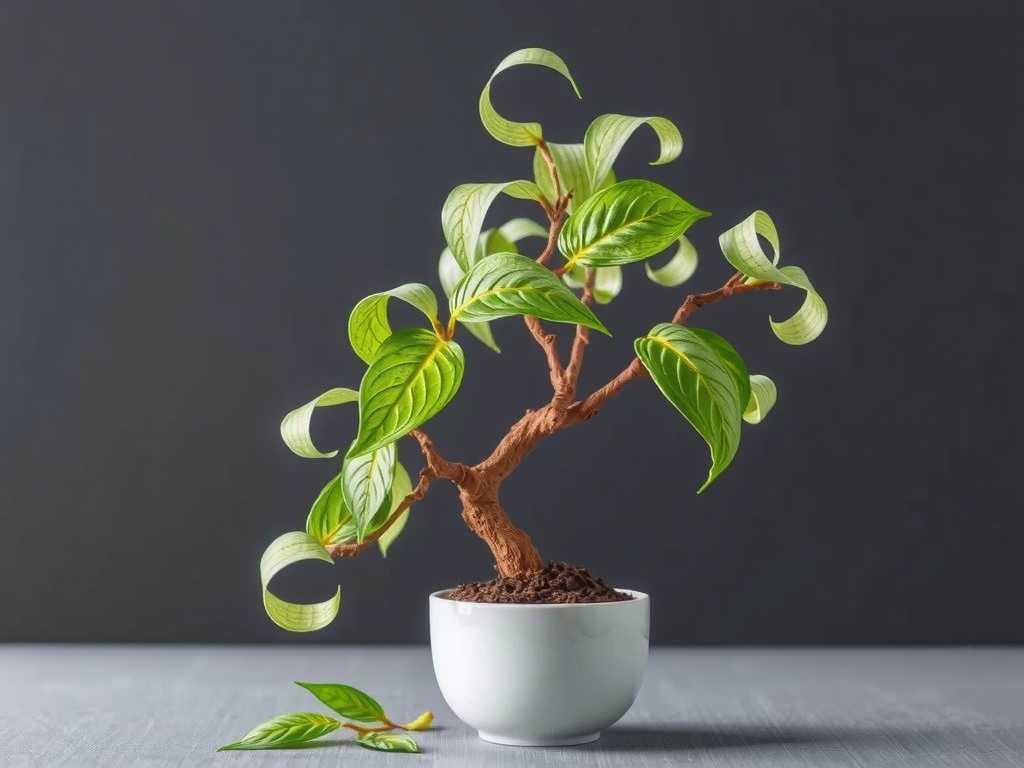
Why are the leaves on my Money Tree still curling after I fixed the watering? Recovery takes time. Existing, severely curled leaves may never fully flatten out. Focus on the new growth. If new leaves are emerging curled, reassess your environment—consistent low humidity or a hidden draft from a vent or window could be the ongoing stressor. It took a full 4-6 weeks for my plant to produce completely normal, flat leaves.
Can I just cut off all the curled leaves? It’s tempting, but don’t. Prune only the most damaged (yellow or brown) leaves. Leaves that are curled but still green are still contributing to photosynthesis. Removing too many at once shocks the plant. Let it shed them naturally or wait until you have ample new growth before removing a few old ones at a time.
Is leaf curl always a sign of a problem? Slight, uniform curling can sometimes occur with new leaves as they unfurl and harden off. This is normal. The problematic curl is often accompanied by discoloration (yellowing, browning), crispiness, and affects multiple leaves at once. It’s the combination of symptoms that tells the full story.
Caring for a Money Tree with curling leaves is a journey of observation and adjustment. It taught me to look beyond the symptom and understand the root cause—literally, in my case. By creating a stable environment with the right balance of light, water, and humidity, you transform from a worried plant owner into a confident caretaker. The resilience of these plants is remarkable. With patience and attentive care, your Money Tree will reward you with a renewed canopy of flat, healthy, vibrant leaves, restoring its rightful place as a beacon of prosperity and greenery in your home.