admin
admin How to Fix Crispy Leaves on a Money Tree: A Plant Lover's 2-Week Rescue Guide
There's a special kind of panic that sets in when you notice the first crispy, brown edge on your Money Tree (Pachira aquatica). One day it's a symbol of lush prosperity, and the next, it seems to be sending a distress signal you can't quite decipher. I've been there, staring at those once-glossy, palmate leaves now turning dry and brittle, feeling like I've failed my green companion. If your Money Tree is developing crispy leaves, you're not alone—it's the most common cry for help from this otherwise resilient plant. Over the next sections, I'll walk you through exactly what I did to diagnose and nurse my own Money Tree back to health over a critical two-week period, sharing the mistakes I made and the solutions that finally worked.
Understanding Why Your Money Tree Leaves Turn Crispy
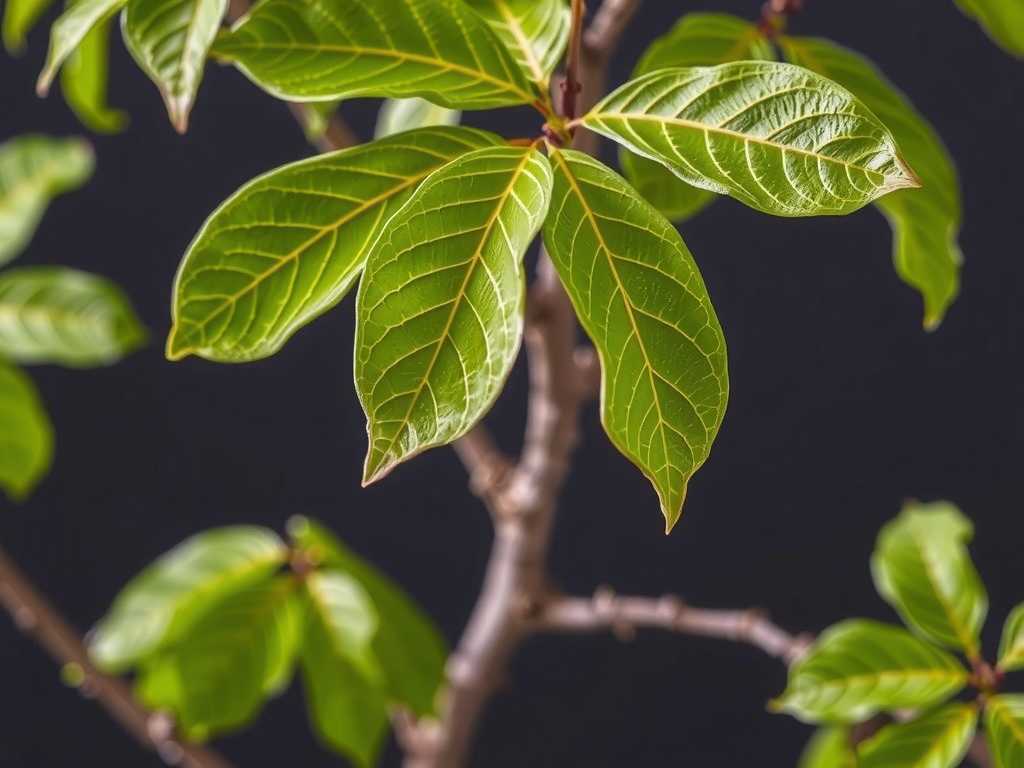
Before you can fix the problem, you need to play plant detective. Crispy leaves are almost always a sign of moisture stress, but that stress can come from opposite ends of the spectrum. Through my trial and error, and backed by principles from the Royal Horticultural Society (RHS) on plant stress responses, I learned to look for these key clues.
The Usual Suspects: Underwatering, Low Humidity, and Salt Buildup
The most frequent culprit for crispy Money Tree leaves is simply a lack of water. But it's not just about the quantity of water you give; it's about how the plant receives and retains it. Money Trees store water in their thick, braided trunks, so they can tolerate some dryness. However, consistently dry soil will cause the leaves to sacrifice their edges first to conserve resources for the core.
Low humidity is a silent partner in this crime. Native to Central and South American wetlands, Money Trees thrive in moist air. Our heated and air-conditioned homes often have humidity levels below 30%, while these plants prefer 50% or higher. The dry air literally sucks moisture from the leaf tissue, starting at the thin edges and tips.
A less obvious issue I discovered is fertilizer salt buildup. Over time, minerals from tap water and fertilizer accumulate in the soil, creating a toxic environment that "burns" the roots, preventing them from absorbing water efficiently. This leads to drought-like symptoms even when you're watering regularly.
My Personal Diagnostic Journey
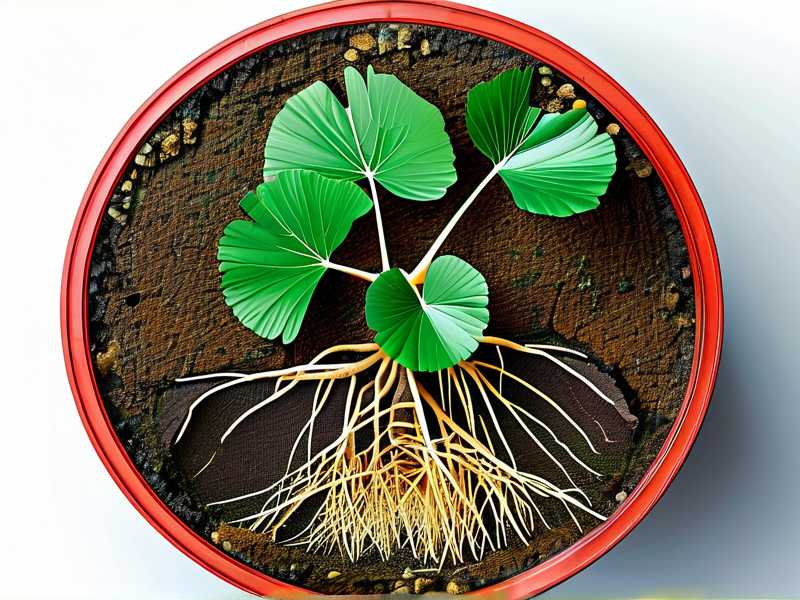
My own Money Tree, which I've named "Fortune," started showing widespread crispiness on its older, lower leaves. My first assumption was underwatering, so I increased my watering frequency. Big mistake. After a week, the crispiness was spreading, and I noticed the soil was staying soggy. I gently lifted the root ball from its pot and found the real issue: a combination of compacted, moisture-retentive soil and early signs of root rot from my overzealous watering. The roots were brown and mushy in spots, unable to drink, which manifested as crispy leaves above. I had treated a humidity/root issue with more water, making everything worse.
The Step-by-Step 2-Week Recovery Plan
Here is the exact action plan I implemented after my misdiagnosis. This process requires patience and consistent observation.
Week 1: The Rescue Operation
Day 1-2: Assessment and Repotting First, I stopped all watering. I gathered fresh, well-draining potting mix (a cactus/succulent blend mixed with some standard potting soil works perfectly), a clean pot with excellent drainage holes that was only slightly larger than the root ball, and sterilized pruning shears. I carefully removed Fortune from its old pot and gently washed away the old, soggy soil from the roots under lukewarm water. As advised by the American Horticultural Society (AHA) for dealing with root rot, I pruned away all soft, brown, and mushy roots, leaving only firm, white or tan healthy roots. I then trimmed off the most severely crispy leaves (those more than 50% damaged) to help the plant focus its energy on recovery. I placed a layer of new soil in the pot, positioned the plant at the same depth it was before, and filled in around the roots, tapping the pot to settle the mix without compacting it. I gave it one thorough, deep watering until it drained freely from the bottom, then placed it in a spot with bright, indirect light—away from any heating vents or cold drafts.
Day 3-7: The Humidity Boost and Observation Knowing humidity was key, I employed a two-pronged approach. I placed Fortune on a wide pebble tray filled with water (ensuring the pot sat above the waterline) and began using a small humidifier for a few hours each morning. I resisted the urge to water again. My daily check involved feeling the top 2 inches of soil (it remained moist) and observing the leaves. No new crispiness appeared, which was my first positive sign.
Week 2: Stabilization and New Growth
Day 8-14: Establishing a New Watering Rhythm By the start of the second week, the topsoil was dry. I performed the "chopstick test"—inserting a wooden chopstick into the soil; it came out mostly clean with just a few damp particles near the bottom. This was my cue. I watered thoroughly again, allowing complete drainage. I continued the humidity regimen. The most exciting moment came around Day 12: I spotted a tiny, bright green bud forming at the tip of one of the stems. The plant was putting energy into new growth, a sure sign it was recovering. The remaining leaves held firm, and their green color looked more vibrant.
Preventing Future Crispy Leaves: Long-Term Care Adjustments
Fixing the problem is only half the battle. Preventing recurrence is about mastering a consistent routine.
Mastering the Watering Technique I abandoned a calendar-based schedule. Now, I water only when the top 1-2 inches of soil are completely dry. I use the "soak and drain" method: I take the plant to the sink, water slowly and evenly until water runs out the bottom, let it drain completely, and then return it to its decorative pot. This prevents the dreaded "wet feet" that cause root rot.
Creating a Humid Microclimate The pebble tray and occasional humidifier use are now permanent parts of my routine, especially in winter. I also group Fortune with other humidity-loving plants like my Peace Lily, which creates a beneficial microclimate as they collectively transpire.
The Right Light and Fertilizer Balance I found a spot about 6 feet from a south-east facing window, which provides plenty of bright, filtered light without the harsh, leaf-scorching direct afternoon sun. For fertilizer, I now use a balanced, water-soluble formula diluted to half-strength, and only during the active growing season (spring and summer). I "flush" the soil every 3-4 months by running slow, steady water through the pot for several minutes to wash away any accumulating salts.
Can a Money Tree recover from crispy leaves? Yes, absolutely. While the crispy portions of the leaves will never turn green again, the plant can fully recover and produce healthy new growth. Prune away the severely damaged leaves to improve aesthetics and redirect the plant's energy.
Should I mist my Money Tree to increase humidity? Misting provides only a temporary, fleeting increase in humidity and can promote fungal diseases on the leaves if done excessively. For a lasting effect, a pebble tray or a room humidifier is a far more effective and reliable solution.
How often should I really water my Money Tree? There is no universal weekly answer. The frequency depends on pot size, soil type, light levels, and household humidity. Always let the soil's dryness be your guide. Check it weekly with your finger or a chopstick, and water only when the top layer is dry.
Watching Fortune push out that first new bud after two weeks of careful intervention was immensely rewarding. The journey from crispy despair to vibrant recovery taught me that fixing a Money Tree's leaves isn't about a single magic trick; it's about understanding and replicating its preferred conditions. It requires careful diagnosis, a willingness to correct course (like I did after overwatering), and a commitment to consistent, mindful care. By addressing the root cause—whether it's thirst, arid air, or suffocated roots—you can restore your Money Tree to its lush, prosperous glory. Your plant is resilient; it just needs you to listen.