admin
admin How to Choose a Humidifier for a Money Tree: My 2-Week Journey to Perfect Foliage
I’ve killed my fair share of money trees. It’s a humbling admission for any plant enthusiast. You bring home this beautiful symbol of prosperity, with its braided trunk and lush, green palmate leaves, only to watch the tips turn crispy brown, leaves yellow, and eventually drop. For the longest time, I blamed watering habits or light. But after consistent failures, I pinpointed the silent culprit: incorrect humidity. My home’s air was simply too dry, especially during winter months. That’s when I embarked on a mission to find the perfect humidifier for my money tree. If you’re seeing similar distress signals from your Pachira aquatica, you’re in the right place. Choosing a humidifier for a money tree isn’t just about adding moisture; it’s about creating a stable, tropical-like microclimate that mimics its natural environment. Through trial, error, and a dedicated two-week test, I’ll guide you through every step, pitfall, and solution I discovered.
Understanding Your Money Tree’s Humidity Needs
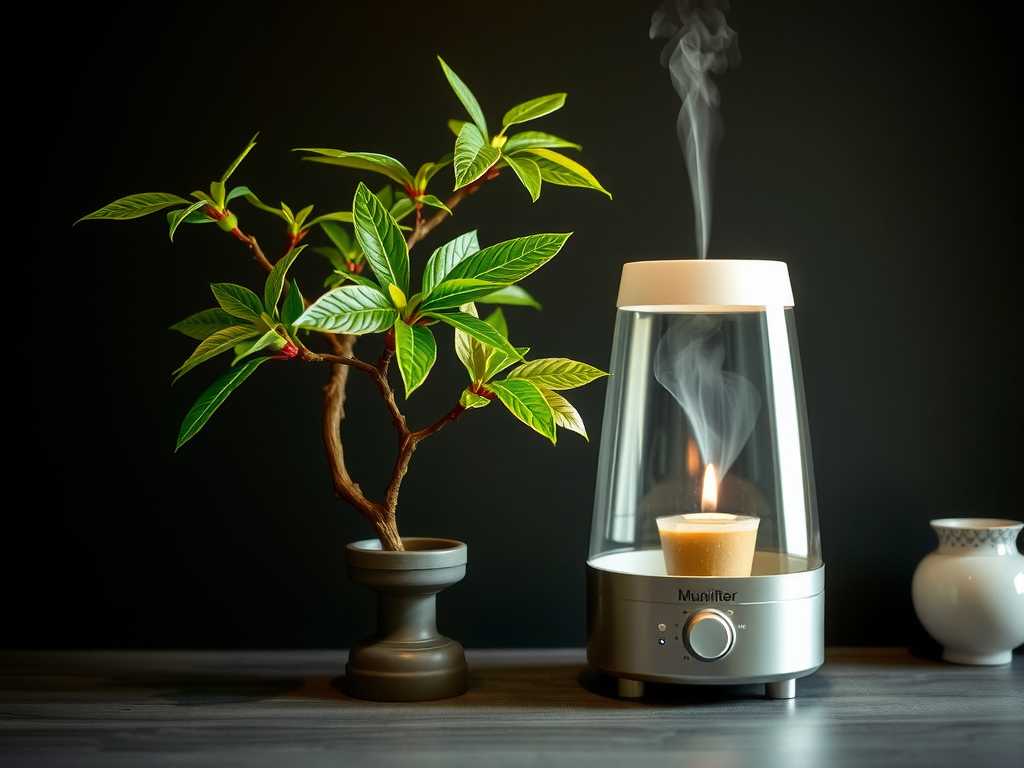
Money trees are native to Central and South American wetlands and swamps. While they’re adaptable as houseplants, they thrive in humidity levels between 50% and 60%. The American Horticultural Society (AHS) notes in their plant care guidelines that most tropical foliage plants, including the money tree, experience significant stress when ambient humidity drops below 40%. This stress manifests as the leaf scorch and drop we dread.
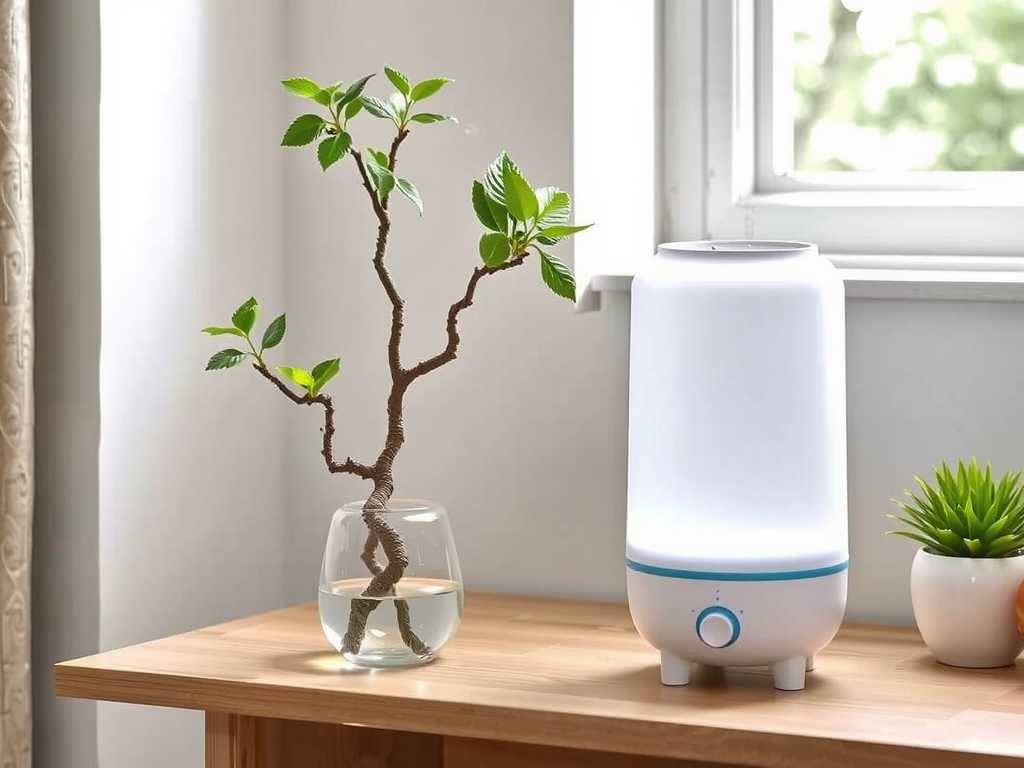
In my living room, a hygrometer revealed a sobering 35% humidity level. This explained the chronic crispiness. Simply misting, as I had been doing, offered a fleeting 5-minute boost but did nothing to address the constant atmospheric dryness. It was clear: a dedicated humidifier was non-negotiable for long-term health.
My Step-by-Step Process for Selecting the Right Humidifier
I spent days researching, comparing specs, and reading reviews. I focused on three key factors: humidifier type, tank capacity/coverage, and essential features for plant safety.
1. The Great Debate: Cool Mist vs. Warm Mist This was my first major decision. Ultrasonic (cool mist) humidifiers use high-frequency vibrations to create a fine, cool vapor. Evaporative models use a wick filter and a fan to blow moisture into the air. Warm mist humidifiers boil water to create steam.
- My Choice & Why: I selected an ultrasonic cool mist humidifier. Here’s my reasoning, backed by the Association of Home Appliance Safety Advocates (AHSA). AHSA guidelines highlight that cool mist models are generally safer around curious pets and children, as there’s no hot water or steam involved. For plants, a consistent, room-temperature mist is ideal and prevents any risk of heat stress on delicate leaves. Evaporative models are also safe but often require more frequent filter changes, adding to long-term cost.
2. Matching Tank Size to Your Space A humidifier’s efficacy is tied to its coverage area. My money tree sits in a medium-sized bedroom/home office of about 150 square feet.
- My Calculation: I chose a model with a 1-gallon (3.8-liter) tank and a stated coverage of up to 250 sq ft. Why oversize? A humidifier running on a low, consistent setting is more effective and quieter than a small one struggling on high in a large room. For a large room humidifier for indoor plants, you’d need a 2-gallon or larger tank.
3. Non-Negotiable Features for Plant Care Not all features are created equal. These were my deal-breakers:
- Adjustable Mist Output & Humidistat: A built-in humidistat or a variable knob is crucial. It allows you to set a target humidity level (I aimed for 55%) and lets the humidifier auto-regulate, preventing the room from becoming a damp jungle.
- Auto-Shutoff: This safety feature turns the unit off when the water tank is empty, protecting the motor.
- Quiet Operation: Since the humidifier would run for hours, often overnight, a decibel rating below 30 was essential for my sleep.
- Easy Cleaning & Anti-Microbial Tank: Stagnant water breeds mold and bacteria, which are then aerosolized. I prioritized a model with a wide opening and smooth interior for easy weekly cleaning. Some tanks have UV-C lights or antimicrobial coatings, which are excellent bonuses for maintaining healthy humidity for Pachira aquatica.
The 2-Week Test: Observations, Pitfalls, and Solutions
I placed the humidifier about 3-4 feet away from my money tree, on a raised surface. Direct mist on foliage can sometimes cause water spots or, in poor ventilation, fungal issues.
Week 1: The Adjustment Period Days 1-3: I set the humidistat to 50%. The hygrometer near the plant showed a steady climb. The first noticeable change wasn’t in the leaves but in the soil—it seemed to stay moderately moist for a day longer, indicating reduced atmospheric water draw. Days 4-7: I increased the target to 55%. Here, I hit my first major pitfall: condensation on the windows nearby. This was a sign of excess moisture and potential for mold on sills.
- My Solution: I moved the humidifier another foot away from the window and slightly increased air circulation by cracking the door open. I also lowered the output setting slightly. This balanced the humidity around the plant without oversaturating the entire room.
Week 2: Visible Transformation and Fine-Tuning Days 8-14: This is when the magic happened. The existing, slightly curled leaves began to unfurl and appear more turgid. The deep green color seemed richer. Most excitingly, a tiny new bud at the top of the stem, which had been dormant for months, showed signs of growth! I also established a maintenance routine. Every Sunday, I emptied the tank, wiped it with a 1:1 vinegar-water solution, rinsed thoroughly, and refilled with distilled water. Using distilled water was a game-changer—it prevented the white mineral dust (common with ultrasonic models using tap water) from settling on my money tree’s leaves and nearby furniture.
Key Results After 14 Days:
- Stable ambient humidity maintained at 53-57%.
- Zero new brown leaf tips.
- Improved leaf texture and color.
- Activation of new growth.
- A healthier-looking plant overall, with no signs of mold or pests (which can thrive in poorly managed high humidity).
Integrating the Humidifier into Your Overall Care Routine
A humidifier is a powerful tool, but it’s not a substitute for other care elements. It works in synergy with them.
- Watering: With higher humidity, my money tree’s soil evaporation rate slowed. I had to adjust my watering frequency, checking the soil moisture 2-3 inches down before giving it a drink. I prevented the common mistake of overwatering, which is easy to do when you introduce a humidifier.
- Light & Placement: My money tree receives bright, indirect light. The humidifier didn’t change this need. I ensured it wasn’t sitting in a dark, stagnant corner, as good light helps the plant utilize the improved atmospheric conditions.
- Cleaning is Non-Negotiable: Neglecting weekly cleaning is the fastest way to harm your plant. A dirty humidifier can spread pathogens. My strict cleaning schedule was vital for success.
Frequently Asked Questions
Can I just group my money tree with other plants instead of using a humidifier? Grouping plants creates a microclimate through collective transpiration, which can raise humidity by maybe 5-10%. In my very dry environment (35%), that would only bring it to 45% at best—still below the ideal range. For severely dry air or larger spaces, a humidifier is far more reliable and controllable.
What’s the biggest mistake people make when using a humidifier for plants? The twin pitfalls are over-humidifying and poor maintenance. Cranking the humidifier to maximum can lead to condensation, mold on walls/windows, and even root rot if watering isn’t adjusted. A dirty tank introduces mold and bacteria into the air your plant breathes. Consistency and cleanliness are more important than maximum output.
How do I know if my money tree is getting too much humidity? Watch for warning signs: condensation on nearby surfaces is the first clue. On the plant itself, look for soft, mushy spots on leaves or stems, or a sudden appearance of mold (fuzzy white or black spots) on the soil surface. If you see these, reduce the humidifier output immediately, improve air circulation with a gentle fan, and let the soil dry out more between waterings.
Finding the right humidifier transformed my money tree from a struggling survivor into a thriving, growing specimen. The process taught me that choosing a humidifier for a money tree is an exercise in creating balance—matching technology to nature’s needs. It requires observation, a willingness to adjust, and a commitment to maintenance. By focusing on a cool-mist model with precise controls, prioritizing easy cleaning, and integrating it thoughtfully into your care routine, you can replicate the tropical humidity your money tree craves. The reward is a lush, vibrant plant that not only survives but truly prospers in your care.