admin
admin How to Save a Money Tree with Mushy Stems: A Plant Lover's Rescue Diary
I’ll be honest—the moment I felt that telltale softness at the base of my beloved Money Tree, my heart sank. That firm, sturdy trunk, a symbol of resilience and good fortune, had turned alarmingly mushy. If you're here, you likely know that panic. A Money Tree with mushy stems signals a crisis, often root rot from overwatering, and it demands immediate, informed action. I’ve been through this exact struggle, and over a meticulous two-week rescue mission, I learned what truly works. This isn't just theory; it's a step-by-step account of my hands-on experience, complete with the mistakes I made and how I corrected them to nurse my plant back to health.
Understanding the Enemy: Why Stems Turn Mushy
Before you act, you must understand. The primary culprit behind mushy Money Tree stems is almost always overwatering leading to root rot. The roots, suffocating in soggy soil, begin to decay and die. This rot then travels upward, affecting the stem and robbing it of its structural integrity. It’s a systemic issue. Other factors like fungal infections (often secondary to the wet conditions) or physical damage can compound the problem, but excess moisture is usually the root cause—pun intended.
My Two-Week Rescue Protocol: A Day-by-Day Journey
Armed with research from sources like the Royal Horticultural Society (RHS), which emphasizes the critical need for well-draining soil and careful watering for succulents and tropicals, I began. The American Horticultural Society’s (AHA) guidelines on diagnosing plant stress were my compass for observation.
Phase 1: The Emergency Intervention (Days 1-3)
The first steps are the most critical and require a bit of courage.
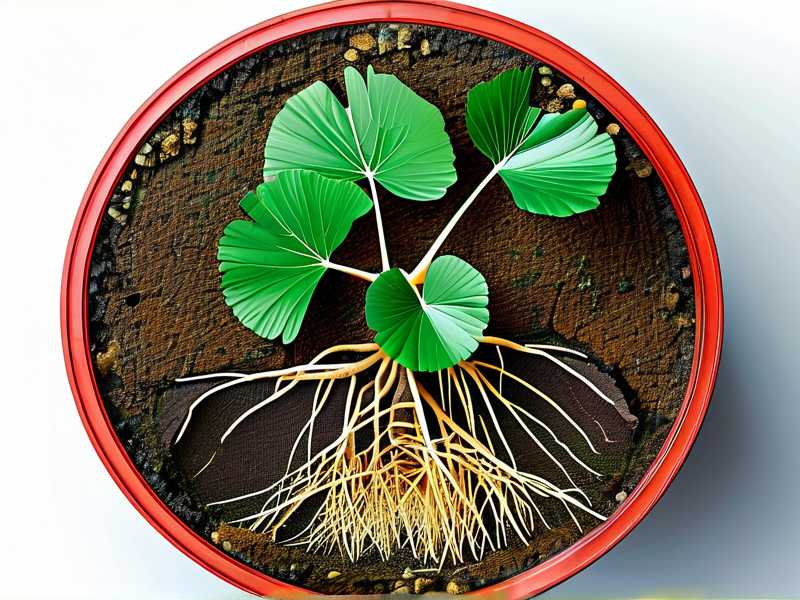
- Unpot and Inspect: Gently remove your Money Tree from its pot. Shake off the old soil and carefully rinse the roots under lukewarm water. This lets you see the true extent of the damage.
- The Surgical Trim: This is where I made my first mistake. Initially, I was too timid. You must be ruthless with sterilized pruning shears or a sharp knife. Cut away every single soft, brown, or black root. They are dead and will not recover. Keep only the firm, white or tan, healthy roots. If the mush has climbed the stem, you must also cut the stem back to firm, green tissue. It’s better to have a shorter, healthy plant than a tall, dying one.
- Fungicide Treatment: After the trim, I dipped the remaining root system and the cut stem end in a copper-based fungicide solution. This step, often recommended by professionals, helps prevent fungal spores from taking hold in the fresh wounds. Let it air dry for an hour.
- The Fresh Start: Repot into a clean pot with drainage holes that is only slightly larger than the remaining root ball. My second mistake was reusing the old, contaminated pot without sterilizing it. Use a fresh, fast-draining potting mix. I created a blend of two parts regular potting soil, one part perlite, and one part orchid bark for exceptional drainage. The RHS notes that such aeration is key for preventing waterlogged roots.
Phase 2: The Critical Recovery & Observation (Days 4-14)
Post-surgery, the plant is in shock. Your job is to provide optimal conditions for recovery.
- Watering Discipline: Do not water immediately! I waited a full 7 days after repotting to allow the roots to callus and heal. When I did water, I gave it a thorough soak until water ran from the drainage holes, then allowed it to drain completely. I then waited until the top 2-3 inches of soil were bone-dry before even considering watering again. A moisture meter became my best friend, eliminating guesswork.
- The Ideal Environment: I placed the plant in a location with bright, indirect light. Direct sun was too stressful. I ensured the room was warm (between 65-75°F) and increased humidity slightly by placing the pot on a pebble tray, as Money Trees appreciate moderate humidity for leaf health.
- The Waiting Game: For the first week, I saw no growth. In fact, some lower leaves yellowed and dropped—a normal stress response. The key was that the mushy stem condition halted. The remaining stem felt firm. By day 10, I noticed the tiniest, brightest green bud forming near the top cut. That was the victory sign I was waiting for.
Common Pitfalls I Encountered and How I Fixed Them
- Pitfall 1: Overwatering During Recovery. My anxiety almost killed the plant. I misted the soil "just a little" on day 3, thinking it needed moisture. This was a terrible idea and likely caused a minor secondary rot spot. Fix: I had to re-trim a small section and recommit to the "dry-out" protocol. Trust the process.
- Pitfall 2: Wrong Soil. My initial store-bought "all-purpose" soil retained too much moisture. Fix: Creating my own chunky, airy mix was the game-changer for long-term Money Tree care.
- Pitfall 3: Insufficient Light. I initially kept it in a low-light room to "rest." This slowed recovery to a crawl. Fix: Moving it to a bright, indirect light spot provided the energy it needed to push new growth.
How to Prevent Mushy Stems in the Future
Prevention is forever easier than rescue. Establish a consistent care routine:
- Water Only When Dry: Always check the soil moisture 2 inches down.
- Prioritize Drainage: Never use a pot without a hole. Ensure the soil mix is porous.
- Seasonal Adjustments: Water far less in winter when plant growth slows.
- Regular Check-ups: During routine watering, gently feel the base of the stems for early signs of softness.
My Money Tree lost several stems, but the main trunk is now firm and sprouting new leaves. Is it out of danger? Yes, this is a strong indicator of success. The plant has redirected its energy to healthy tissue. Continue your careful watering and light regimen, and it should continue to recover and eventually bush out.
Can I propagate the healthy top parts I had to cut off? Absolutely. This is a silver lining. Ensure the cutting has no mush, let the cut end callus over for a day or two, and then place it in water or moist potting mix to root. You might get a whole new plant from the rescue.
How do I know if it's underwatering instead of overwatering? The symptoms are very different. An underwatered Money Tree will have dry, crispy leaves that may brown at the tips, and the soil will pull away from the pot's edges. The stems will be hard and woody, not soft and mushy. When in doubt, check the soil and the stem's texture—they tell the true story.
Watching a Money Tree decline is stressful, but it’s often a salvageable situation. The journey from a mushy-stemmed crisis to a firm, budding recovery taught me more about plant physiology than any book could. Success hinges on swift, decisive action—the surgical removal of rot, a fresh start in well-draining soil, and the patience to let the plant heal on its terms. By learning to read your plant's signs and respecting its need for balance, especially with water, you can not only save it but also foster a stronger, more resilient Money Tree for years to come.