admin
admin How to Care for a Money Tree in a Tropical Environment: A Plant Lover's Real-World Guide
You've brought home that beautiful Money Tree, with its braided trunk and lush green canopy, dreaming of the prosperity and vibrant energy it promises. But if you live in the tropics, you might be staring at it now, worried. The leaves are looking a bit pale, the soil seems to stay soggy forever, and is that a yellow leaf? I've been there. The common advice for Money Tree care often assumes a temperate climate, leaving tropical plant parents guessing. The intense humidity, relentless sun, and different pest pressures here create a unique set of challenges. After years of trial and error—and a particularly enlightening two-week experiment—I’ve cracked the code on keeping a Money Tree not just alive, but spectacularly thriving, in a tropical environment.
Understanding Your Tropical Money Tree's Native Needs
First, let's clear a misconception. While we associate the Money Tree plant (Pachira aquatica) with tropical lushness, its natural habitat isn't the sun-baked beach. It's an understory tree from Central and South American wetlands. This means it's adapted to bright, filtered light and periods of high moisture, but also to well-draining conditions where its roots aren't constantly waterlogged. In our tropical homes, we're essentially recreating that humid, bright, but sheltered jungle floor environment. The Royal Horticultural Society (RHS) notes that as a tropical foliage plant, Pachira aquatica prefers consistent warmth and high humidity but is sensitive to "wet feet," a paradox that becomes the central puzzle of caring for a Money Tree in humidity.
The Two-Week Tropical Care Experiment: What I Did and What Happened
I decided to take a newly acquired, slightly stressed Money Tree and apply a strict, tailored regimen for two weeks, documenting every change. My goal was to address the core tropical pitfalls: light burn, overwatering, and humidity management.
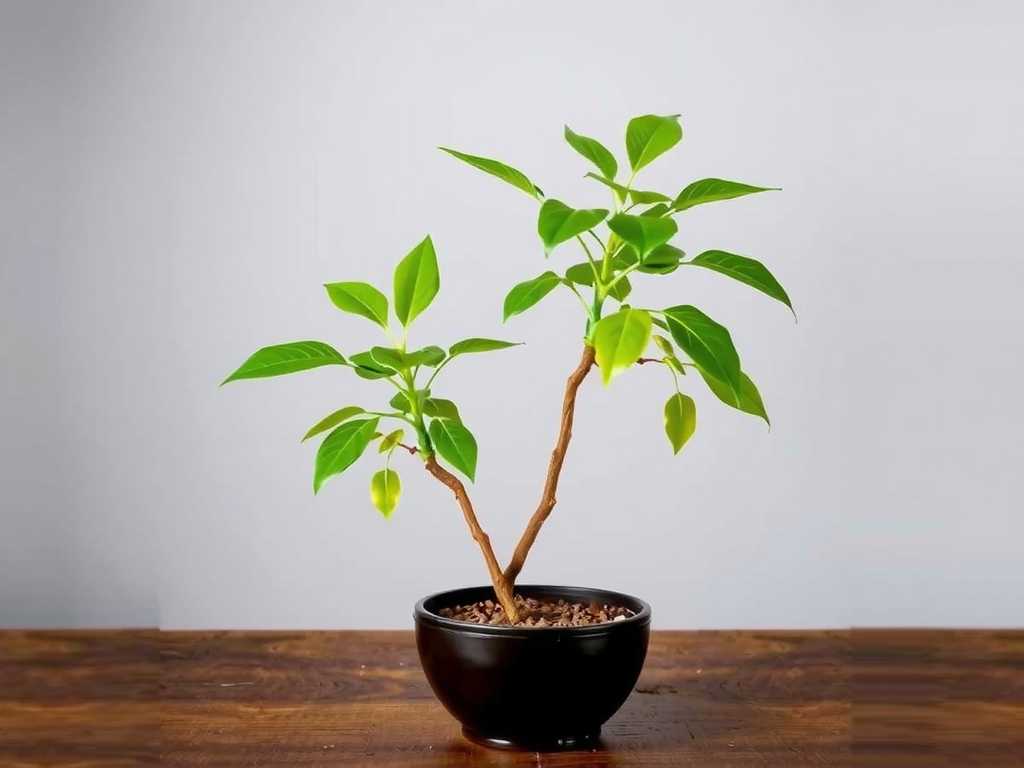
Week 1: The Reset Phase I started by assessing its location. It was on a bright patio getting about 2 hours of direct afternoon sun—a recipe for scorched leaves in the tropics. I moved it indoors to a spot 6 feet from a large, east-facing window. This provided abundant bright, indirect light all morning without the harsh intensity. Next, I checked the soil. It was in a dense, moisture-retentive mix, still wet a week after its last watering. I resisted the urge to water. Instead, I placed the pot on a pebble tray filled with water to locally boost humidity as the soil dried. I also gave its leaves a gentle wipe with a damp cloth to remove dust and help with photosynthesis.
By day 4, I noticed the soil surface was finally dry to the touch. Using the "finger test," I inserted my finger two inches deep—it was slightly moist. I waited another two days. This patience is crucial. The American Horticultural Society (AHA) emphasizes that overwatering is the leading cause of houseplant death, as it suffocates roots. In a tropical climate, where ambient humidity slows soil evaporation, the watering frequency must drop dramatically compared to standard guides.
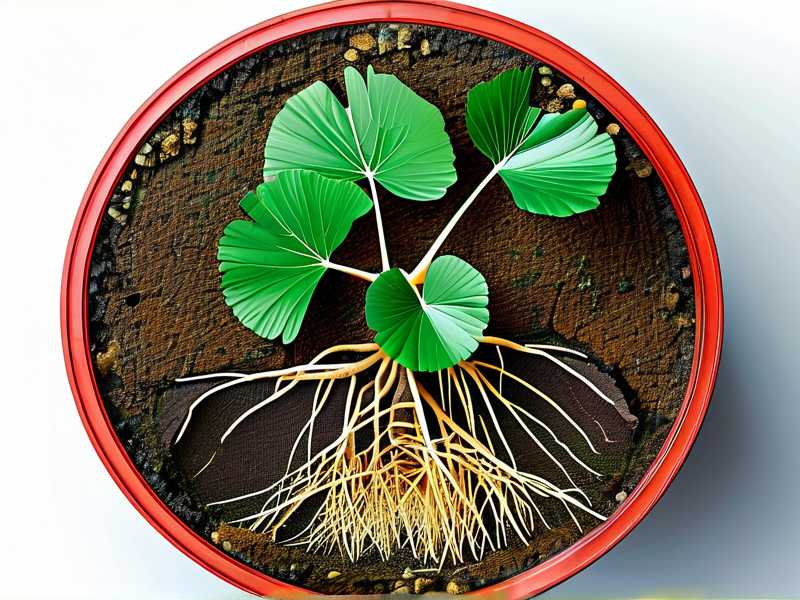
Week 2: Observation and Adjustment On day 8, the soil was dry two inches down. This was my cue. I took the plant to the sink and watered it thoroughly until water ran freely from the drainage holes, ensuring the entire root ball was hydrated. I let it drain completely before returning it to its pebble tray. I also began a very light feeding with a balanced, water-soluble fertilizer diluted to half-strength, as growth is year-round here.
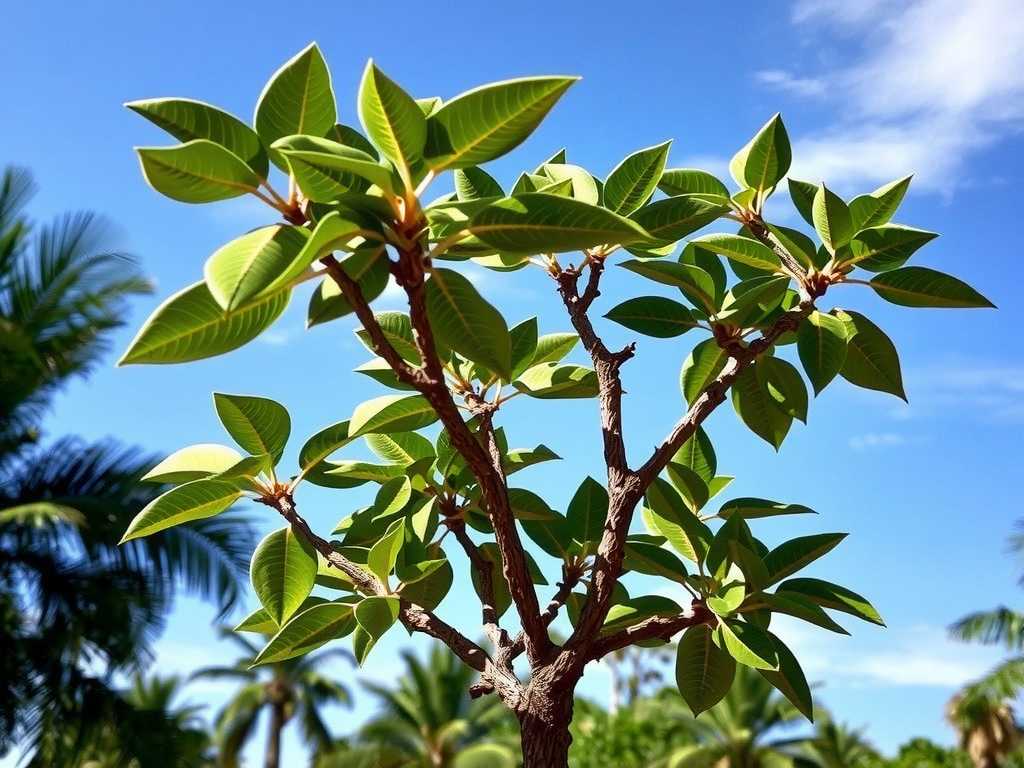
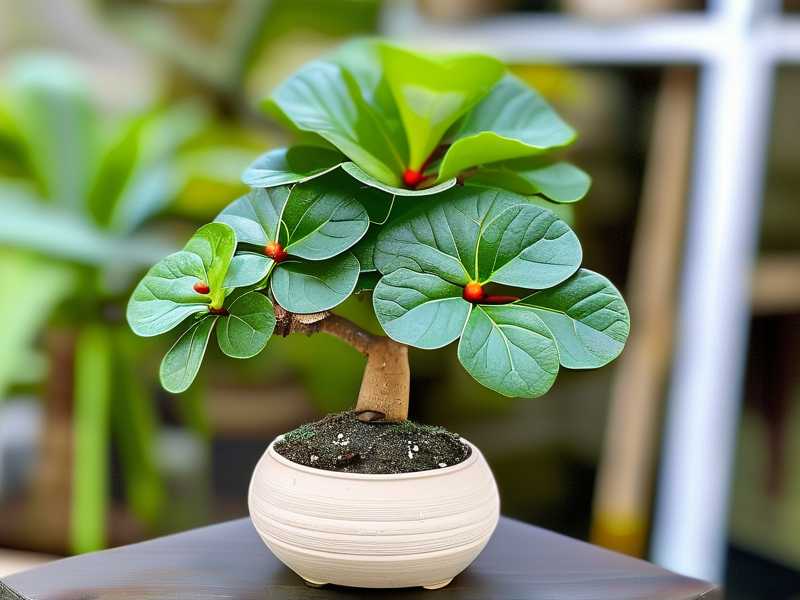
The results were striking. By the end of the two weeks, the plant's posture improved. The previously slightly drooping stems were perky. Two new, glossy green leaves had unfurled from the crown, and the existing leaves looked darker and more robust. The single yellow leaf I had observed at the start dried up and fell off—a sign the plant was shedding old growth to focus energy on new, healthy adaptation. The experiment confirmed that the right light and disciplined watering were 90% of the battle.
The Core Pillars of Tropical Money Tree Success
1. Mastering Light and Location: Avoiding the Scorch
In the tropics, the sun is intensely powerful. Direct sunlight, especially through glass, will quickly burn the leaves of your Money Tree, causing brown, crispy patches. Your goal is to replicate dappled jungle light.
- Ideal Spot: A bright room with north or east-facing exposure is perfect. A few feet back from a south or west window with a sheer curtain also works well.
- My Mistake & Fix: I once placed a Money Tree in a sunny bathroom thinking the humidity would be great. The leaves scorched within a week. I moved it to a luminous corner of the same bathroom away from the window, and it recovered, loving the steamy air without the sunburn.
2. The Watering Paradox: Less is More in High Humidity
This is the most critical adjustment. Your watering schedule for Pachira aquatica cannot be calendar-based.
- The Reliable Method: Always use the finger test. Water only when the top 2-3 inches of soil are completely dry. In my tropical home, this often means watering every 10-14 days, even in summer, compared to the weekly schedule often recommended online.
- Technique: Water deeply and slowly until it drains from the bottom, then let it drain completely. Never let the pot sit in a saucer of standing water.
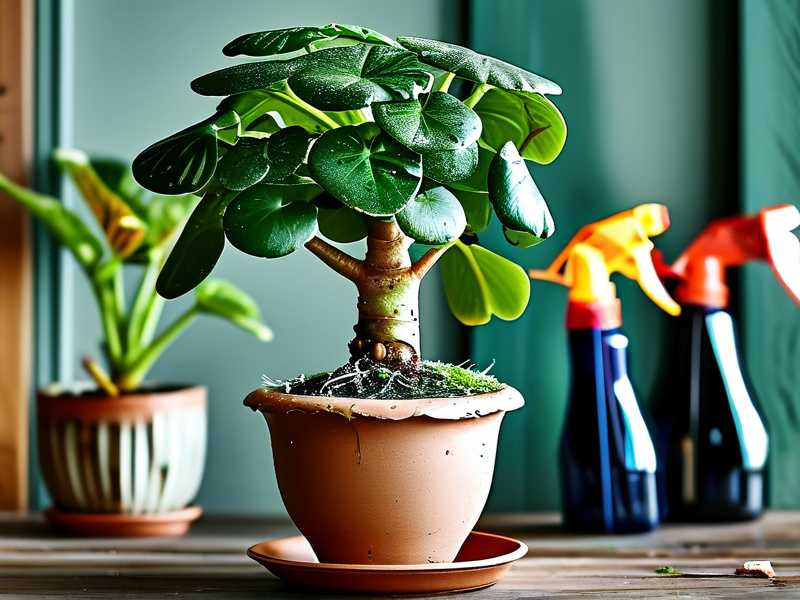
- Pot Choice: Always use a pot with excellent drainage holes. Terracotta pots are excellent for the tropics as they are porous and help wick away excess moisture from the soil.
3. Leveraging Humidity While Preventing Disease
Tropical ambient humidity is a bonus, but it must be managed correctly to prevent fungal issues like leaf spot or powdery mildew.
- Pebble Trays: A simple, effective solution. The evaporating water increases humidity right around the foliage without wetting the soil.
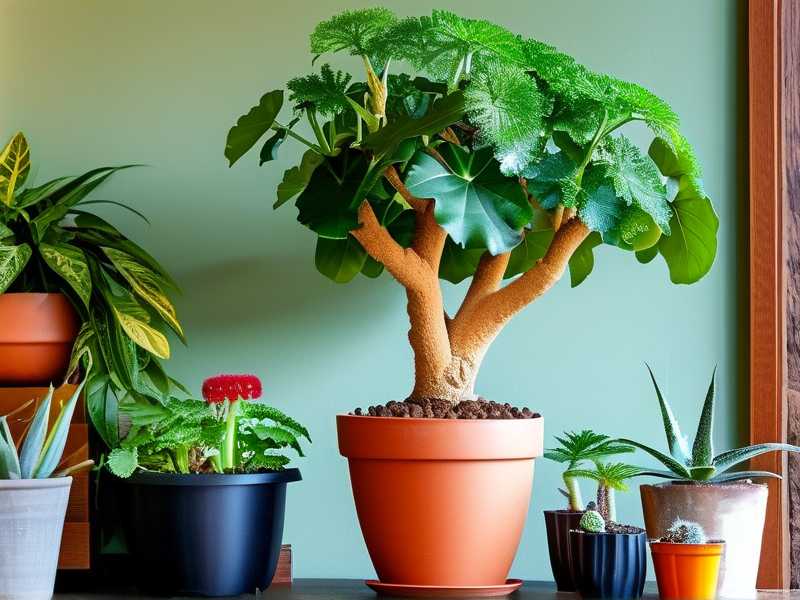
- Grouping Plants: Cluster your Money Tree with other humidity-loving plants. They create their own beneficial microclimate through transpiration.
- Airflow is Key: High humidity plus stagnant air invites disease. Ensure there is gentle air circulation—a ceiling fan on low or a nearby oscillating fan works wonders. Avoid misting the leaves directly as a primary humidity source; it often provides only a brief boost and can promote fungal growth if the leaves stay wet for hours.
4. Soil and Feeding: Building a Resilient Foundation
The right soil mix is your insurance policy against overwatering.
- My Recommended Mix: I use a high-quality potting mix and amend it heavily. My formula is 2 parts potting mix, 1 part perlite, and 1 part orchid bark (or coarse horticultural charcoal). This creates a chunky, airy, and fast-draining medium that mimics the well-draining forest floor.
- Fertilizing Strategy: During the active growing season (which is long and less defined in the tropics), I feed monthly with a balanced liquid fertilizer (like a 10-10-10 or 20-20-20), diluted to half the recommended strength. I stop feeding during the cooler, drier months (if any) when growth slows.
Troubleshooting Common Tropical Money Tree Problems
- Yellowing Leaves: This is almost always a sign of overwatering in a tropical setting. Check your soil moisture immediately and extend the drying-out period.
- Brown, Crispy Leaf Tips: This can be due to low humidity (less common in the tropics) or, more likely, a buildup of salts and minerals from tap water or fertilizer. I use filtered or rainwater when possible, and I flush the soil every few months by running plenty of water through the pot to leach out excess salts.
- Pests: While less frequent, scale or mealybugs can appear. I spot-treat them immediately with a cotton swab dipped in isopropyl alcohol. The high humidity can sometimes deter spider mites, which prefer dry air.
How often should I water my Money Tree in a tropical climate? Forget the weekly schedule. The only reliable method is to check the soil. Water thoroughly only when the top 2-3 inches are completely dry. In a typical humid tropical setting, this may be every 10 to 14 days, but it can vary based on your specific indoor conditions, pot size, and soil mix.
Can my Money Tree go outside in the tropics? Yes, but with strict conditions. It must be in a completely shaded or dappled-light spot, such as under a covered patio or a dense tree canopy. Never expose it to direct tropical rain for prolonged periods, as this will waterlog the soil. Ensure the pot has superb drainage and be vigilant for pests.
Why are the new leaves on my Money Tree small or pale? This usually indicates insufficient light. While direct sun is bad, too little light will stunt growth. Move your plant to a brighter location with strong, indirect light. It can also signal a need for a gentle feeding, as the plant may be lacking nutrients to support robust growth in its perpetual growing season.
Caring for a Money Tree in the tropics is a rewarding exercise in understanding the subtle balance of nature. It teaches you that more humidity doesn't mean more water, and that bright light is not the same as direct sun. By focusing on providing brilliant indirect light, exercising restraint with the watering can, ensuring fantastic drainage, and managing humidity with good airflow, you create an environment where your Money Tree plant doesn't just survive—it becomes a lush, thriving symbol of resilience and growth. The key is to work with your unique tropical conditions, not against them, and to always let the plant's soil be your guide.