admin
admin How to Care for a Money Tree in a Desert Climate: A Plant Lover’s Survival Guide
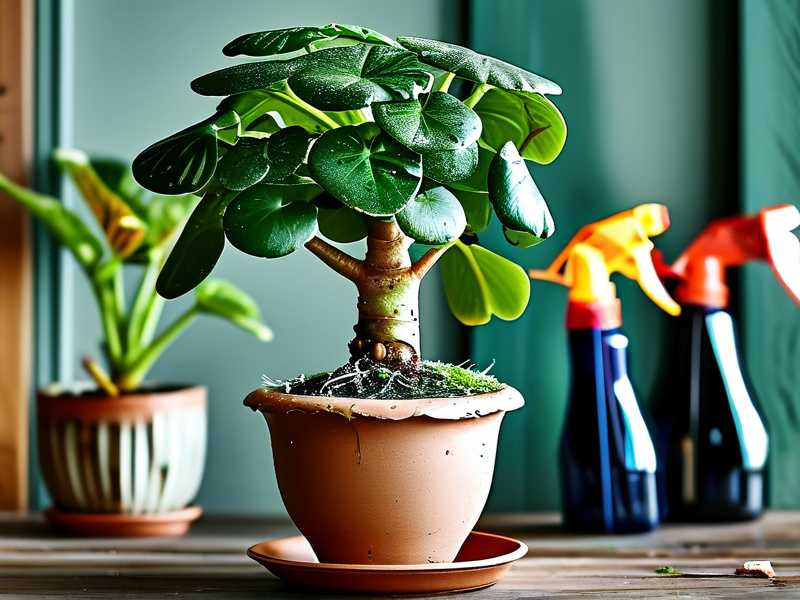
I love my houseplants, but when I moved to the arid Southwest, my thriving Money Tree (Pachira aquatica) began to protest. Its lush green leaves started to crisp at the edges, and its usual perky posture turned droopy. I realized that the standard care advice simply didn’t cut it here. If you’re struggling to keep your Money Tree alive in a desert climate, you’re not alone. The combination of intense sun, bone-dry air, and hard water creates a unique set of challenges that can baffle even experienced plant parents. Through trial, error, and two weeks of meticulous observation and adjustment, I cracked the code. Here is my hands-on, step-by-step guide to not just keeping your Money Tree alive, but helping it thrive in a dry environment.
Understanding Your Money Tree’s Native Needs vs. Desert Reality
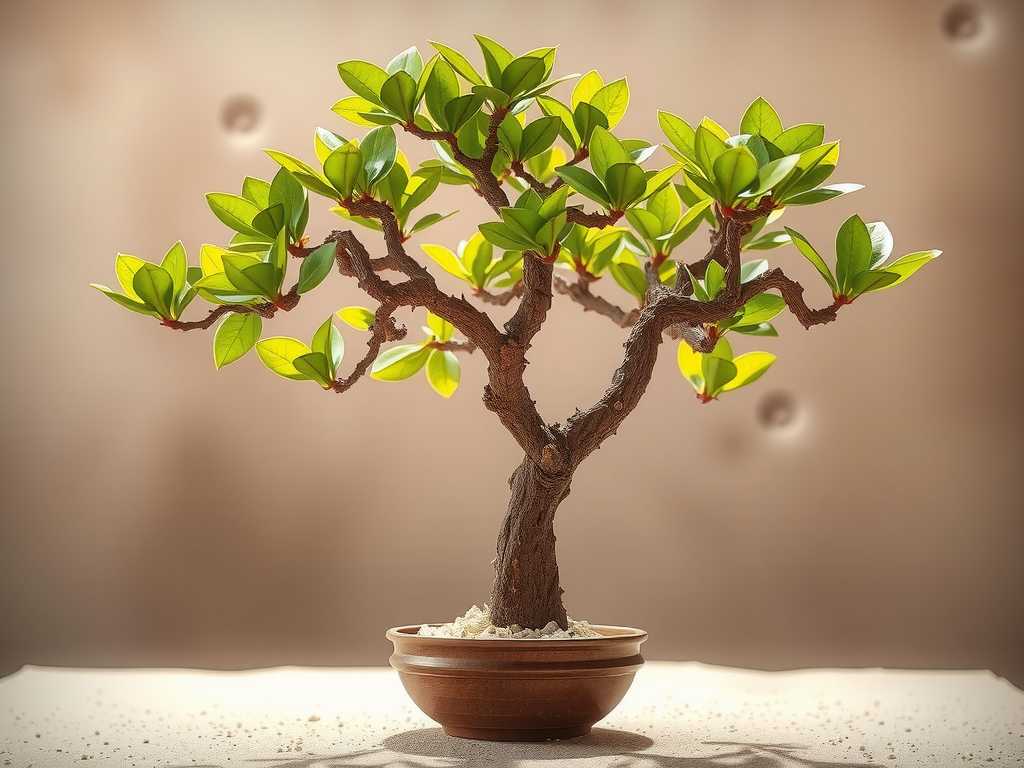
The first step in how to care for a Money Tree in a desert climate is acknowledging the mismatch. In its natural habitat, this plant enjoys bright, filtered light under a forest canopy, consistent warmth, and high humidity. Our homes in desert regions are the opposite: often flooded with harsh direct sunlight and plagued by humidity levels that can plummet below 20%. This disconnect is the root of most problems.
My Two-Week Rescue Mission: A Step-by-Step Log
My plant, which I’ll call “Cash,” was showing clear signs of distress: brown leaf tips, slight leaf curl, and a general lack of new growth. I committed to a 14-day corrective plan.
Week 1: The Foundation – Light and Placement
The most common mistake is assuming more light is better. In the desert, unfiltered south or west-facing windows can scorch leaves in hours.
- My Action: I moved Cash from a west-facing windowsill to a spot about 5 feet back from a south-facing window, where it received several hours of bright, indirect light. I used a simple light meter app to confirm it was in the ideal 1,000-2,000 foot-candle range for bright indirect light.
- The Mistake I Made: On day 3, I thought a little morning sun would be okay and moved it closer. By afternoon, I noticed the beginnings of a pale, bleached spot on one leaf. I moved it back immediately.
- The Fix & 2-Week Observation: Keeping it in the consistent, bright indirect spot was key. After 14 days, the existing damage hadn’t spread, and I spotted a tiny, shiny new bud forming at a stem tip—a sure sign of improved comfort.
Week 2: Mastering the Moisture Triad – Watering, Humidity, and Soil
This is the heart of Money Tree care in arid conditions. Dry air sucks moisture from leaves faster than the roots can absorb it, leading to dehydration even if the soil is wet.
- 1. Humidity is Non-Negotiable:
- My Action: I grouped Cash with two other humidity-loving plants. I also placed it on a large pebble tray filled with water (ensuring the pot sat above the water line). Most effectively, I ran a small humidifier for 4-5 hours each morning, aiming to boost the immediate area’s humidity to 40-50%.
- Expert Backing: The Royal Horticultural Society (RHS) notes that increasing humidity around foliage plants can significantly reduce moisture stress and leaf tip browning, a common issue in centrally heated or dry-air homes.
- 2. Watering Deeply but Infrequently:
- My Action: I abandoned my weekly watering schedule. Instead, I used the finger test—inserting my finger 2-3 inches into the soil. I only watered when it felt completely dry at that depth. When I did water, I did so thoroughly, allowing lukewarm water (to avoid root shock) to run freely from the drainage holes, ensuring the entire root ball was hydrated.
- The Mistake I Made: Our tap water is very hard. I noticed white crust building on the soil surface. The American Horticultural Society (AHS) warns that salts in hard water can accumulate, damaging roots and hindering water uptake.
- The Fix: I started using filtered or distilled water for watering. Once during this period, I performed a “leaching”—watering excessively to flush out accumulated salts, letting the water run through the pot for several minutes.
- 3. Soil and Potting Check:
- My Action: I checked Cash’s pot. It had a drainage hole, which is critical. I gently aerated the top layer of soil with a chopstick to prevent compaction, which can create deceptive dry pockets in an otherwise moist pot.
- 2-Week Observation: The combination of increased humidity and correct watering was transformative. The slight leaf curl relaxed. The new bud grew noticeably. Most importantly, the rate of new brown tips forming on older leaves slowed to almost zero.
Ongoing Care for Long-Term Health in a Dry Climate
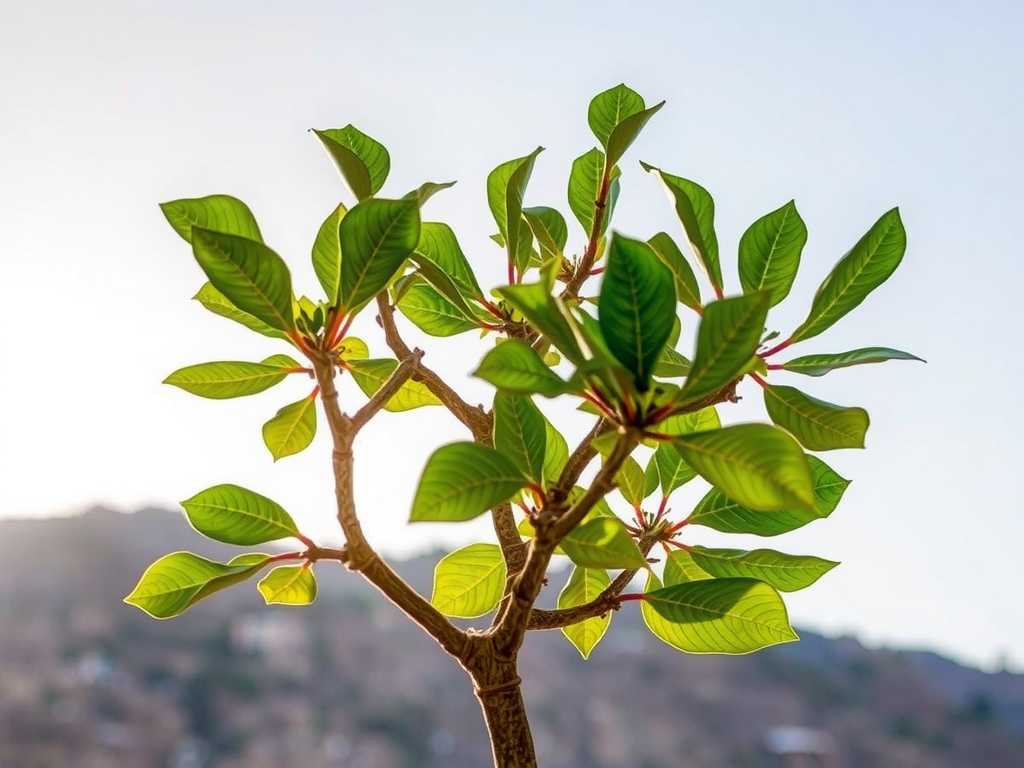
Beyond the initial rescue, consistent care tailored to the desert is vital.
Fertilizing with Caution In a stressful environment, over-fertilizing can burn roots. I use a balanced, liquid houseplant fertilizer diluted to half the recommended strength, and only during the active growing season (spring and summer). In fall and winter, I stop entirely.
Temperature and Airflow Money Trees dislike drafts, both hot and cold. Keep them away from air conditioning vents, heating ducts, and frequently opened doors. Consistent room temperatures between 65-80°F (18-27°C) are ideal.
Pruning and Cleaning I regularly wipe the leaves with a damp cloth. In dry, dusty climates, a layer of dust can further block light and clog pores. Pruning any severely damaged or yellowed leaves helps the plant direct energy to healthy growth.
What are the signs of underwatering vs. overwatering in a dry climate? This is tricky because both can cause browning. Underwatering typically causes crispy, brown edges that spread, and the soil will be dust-dry. Overwatering in any climate leads to soft, mushy brown spots, often starting in the middle of the leaf or at the base, and the soil will stay soggy. In the desert, underwatering is more common, but overwatering can still happen if you water on a schedule instead of checking the soil.
Can I mist my Money Tree instead of using a humidifier? Misting provides a temporary humidity boost, but it’s often insufficient for the extreme dryness of a desert climate. It can also promote fungal issues if water sits on the leaves too long. A pebble tray or, better yet, a humidifier provides a more consistent and effective solution for maintaining proper moisture levels around your plant.
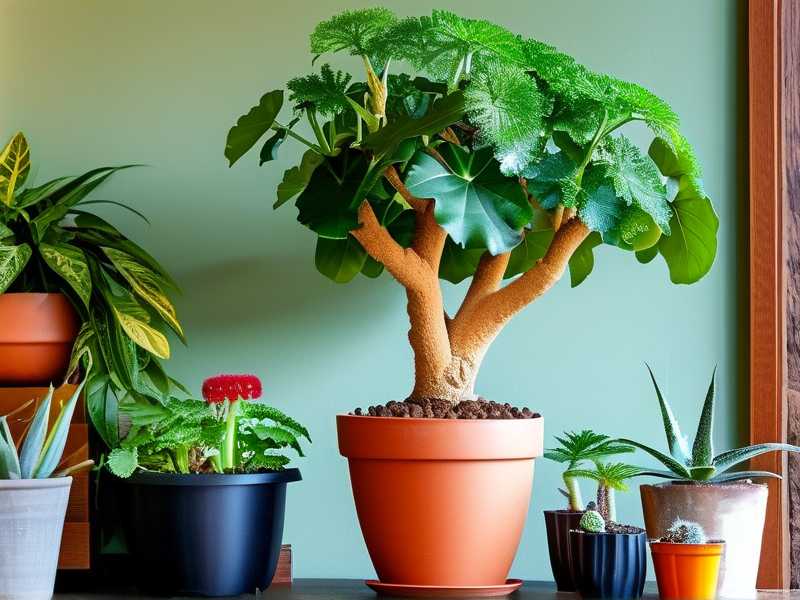
Should I repot my Money Tree into a terracotta pot in the desert? Terracotta is porous and wicks moisture away from the soil, which can be beneficial in humid climates to prevent overwatering. However, in an already arid environment, it may cause the soil to dry out too quickly, increasing watering frequency and stress. I prefer glazed ceramic or plastic pots with excellent drainage, as they help retain moisture slightly longer, giving you a more forgiving watering window.
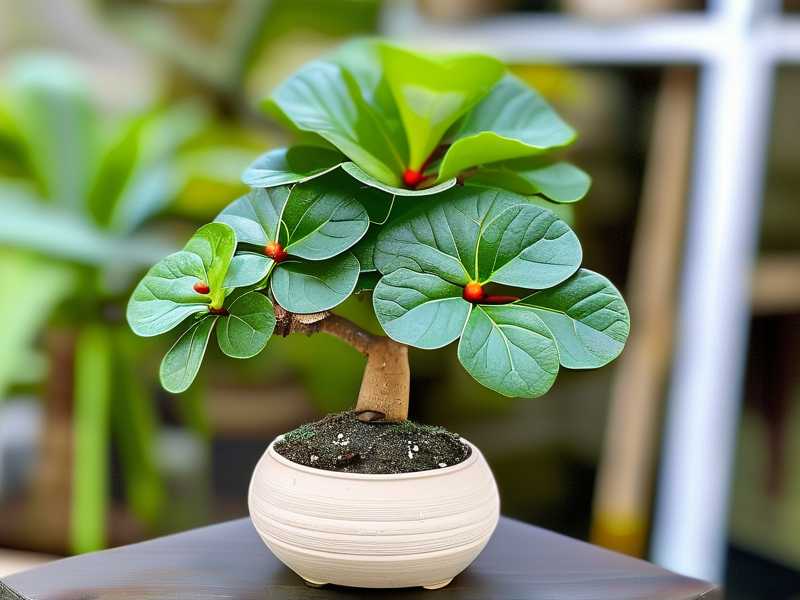
Caring for a Money Tree in the desert is about becoming a translator between its tropical needs and your local environment. It’s not about fighting the dry air, but strategically compensating for it. By prioritizing humidity management, mastering a “soak-and-dry” watering routine with the right water, and providing protective, indirect light, you can create a microclimate where your Money Tree doesn’t just survive—it prospers. The reward is a resilient, beautiful plant that brings a vibrant, lush feeling to even the driest of homes.