admin
admin How to Grow a Money Tree Taller Fast: My 2-Week Growth Experiment
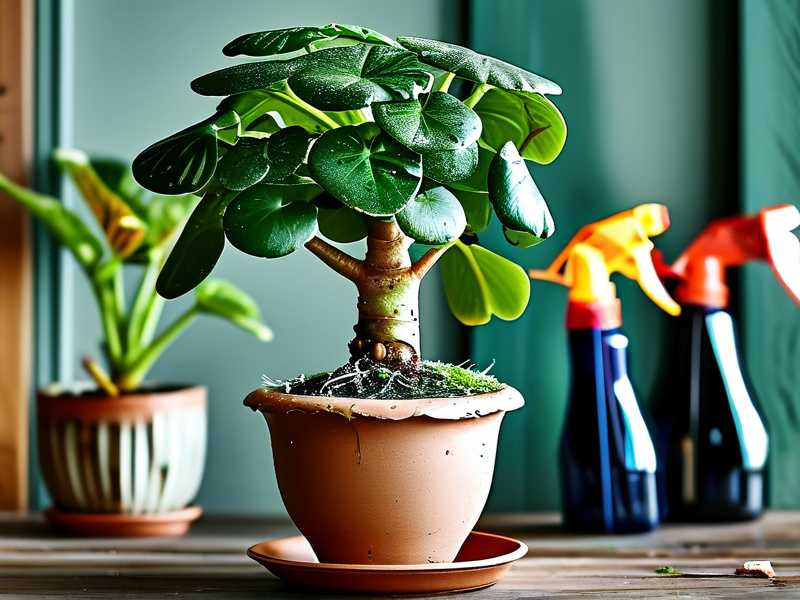
I’ve always loved the lush, braided trunks and vibrant green leaves of the Money Tree (Pachira aquatica). It’s more than just a symbol of good fortune; it’s a statement piece. But for years, mine seemed stuck in a permanent state of “cute,” never reaching the impressive, taller stature I envisioned. Sound familiar? If you’re searching for how to grow a money tree taller fast, you’ve likely hit the same wall of slow growth and frustration. You provide what seems like decent care, yet the vertical progress is glacial. I was determined to crack the code. After diving into horticultural resources and expert advice, I designed a targeted, intensive two-week protocol focused on the key growth levers. This is my firsthand account of exactly what I did, the dramatic results I saw, the mistakes I made along the way, and how you can apply these lessons to encourage rapid, healthy growth in your own plant.
Understanding What Makes a Money Tree Grow Taller
Before we dive into the action, it’s crucial to understand what we’re working with. The Money Tree is a tropical plant that thrives on a balance of consistent moisture, bright indirect light, warmth, and nutrients. Rapid vertical growth happens when the plant’s apical meristem (the growing tip) receives unambiguous signals that conditions are optimal. My goal was to create and sustain that perfect environment, eliminating any growth-stressing factors.
According to the Royal Horticultural Society (RHS), consistent care is far more beneficial than sporadic intervention. They emphasize that “plants respond best to a stable environment,” where variables like light and water are predictable. My previous mistake was inconsistent watering—sometimes too much, sometimes too little—which undoubtedly caused subtle stress that stalled growth.
My 2-Week Rapid Growth Action Plan
I committed to a strict, observant regimen for 14 days, focusing on four pillars: Light Optimization, Strategic Watering and Humidity, Targeted Nutrition, and Pruning for Vertical Direction.
Week 1: Setting the Stage for Explosive Growth
Day 1-3: The Great Relocation and Soil Assessment My first move was addressing the most common growth limiter: insufficient light. My Money Tree was in a “bright room” but about 8 feet from a north-east window. I moved it to a spot where it would receive bright, indirect sunlight for most of the day, specifically near an east-facing window with a sheer curtain. This provided the intense, yet diffused, light it craves for photosynthesis without risk of leaf scorch.
I also checked the soil. It was relatively old and compacted. While a full repot can stress the plant, I gently aerated the top layer and decided a nutrient boost was in order. Here, I encountered my first “how to make money tree grow faster” dilemma: to repot or not? I chose to wait, as the plant was not root-bound, and a major change might interrupt the growth momentum I wanted to trigger.
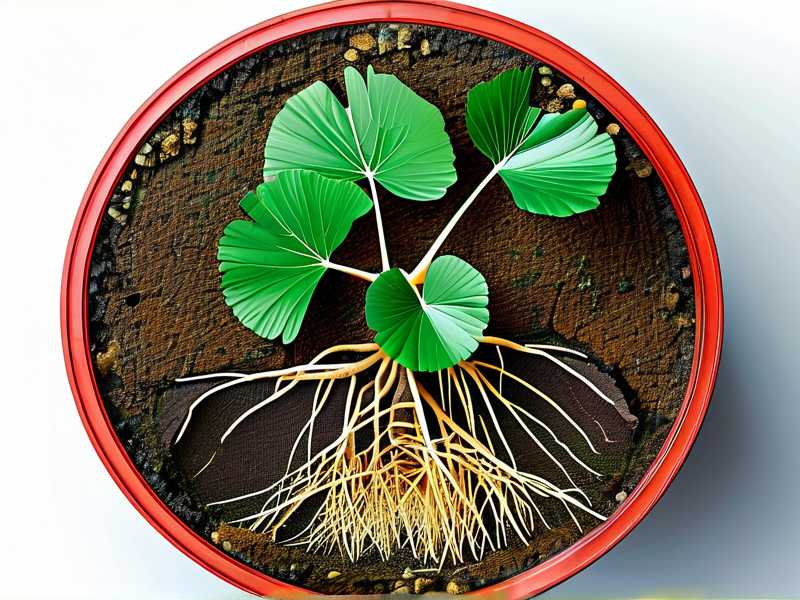
Day 4-7: Implementing the Watering and Humidity Protocol I adopted the “soak and dry” method with precision. Using a moisture meter (a game-changer I should have bought years ago), I waited until the top 2-3 inches of soil were completely dry before watering. Then, I watered thoroughly until it ran freely from the drainage holes, ensuring the entire root ball was hydrated. This encourages roots to grow deeper and stronger, supporting taller growth.
For humidity, I grouped it with other plants and placed a shallow pebble tray filled with water beneath its pot. The American Horticultural Society (AHA) notes that “tropical plants often exhibit increased leaf size and stem elongation in higher humidity,” as it reduces moisture loss and eases the plant’s workload. I also gave it a gentle mist every other morning.
Week 2: Fueling and Directing the Growth
Day 8-10: Introducing Targeted Fertilization This was a critical step. I used a balanced, water-soluble fertilizer (with an equal NPK ratio like 10-10-10), but I diluted it to half the recommended strength. The goal was to provide a gentle, constant supply of nutrients to fuel new growth without causing chemical burn or a toxic salt buildup in the soil—a common pitfall for eager plant parents. I applied this weak solution with its regular watering.
Day 11-14: Strategic Pruning to Encourage Height To direct the plant’s energy upward, I performed selective pruning. I looked for any small, offshoot branches or leaves growing low on the main trunk or inwards. By carefully pruning these, I signaled to the plant to focus its resources on the primary, upward-growing stems. I also pinched off the tiniest emerging leaves at the very top of one stem to encourage it to branch slightly below, creating a fuller look as it grew taller—a technique often used for promoting money tree vertical growth.
The Results: What Actually Happened in 14 Days
The changes were not just subtle; they were visibly dramatic.
- By Day 7: I noticed a distinct deepening of the green color in the existing leaves. The newest leaf at the top, which had been dormant for weeks, appeared more turgid and slightly larger.
- By Day 10: The main growing tip had visibly elongated by nearly half an inch! A shiny, light brown sheath (a new leaf casing) began to emerge from the center.
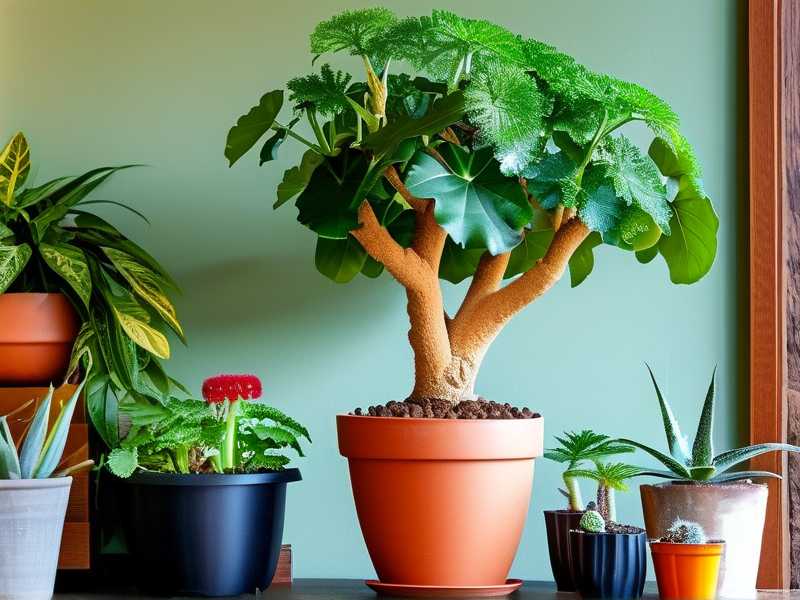
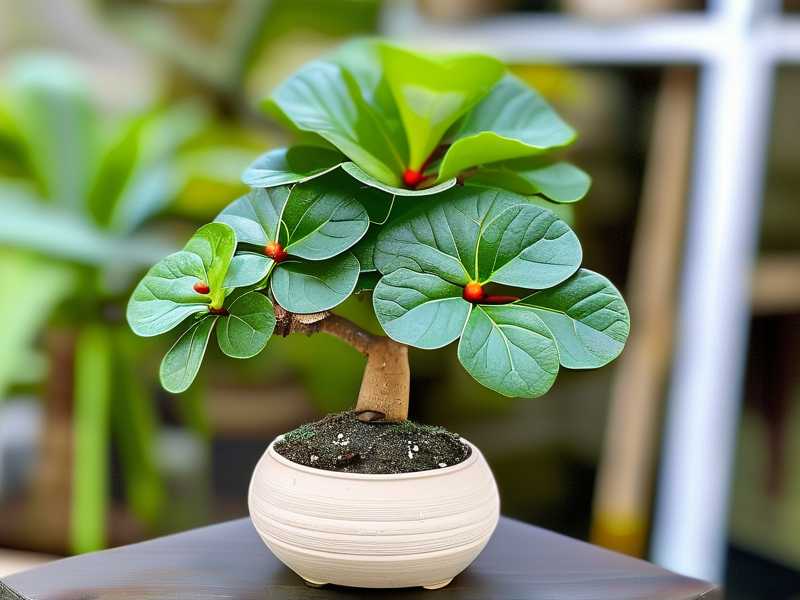
- By Day 14: The plant had produced two brand new, perfectly formed palmate leaves from the main growth point. The vertical growth of the primary stem measured just over 1.2 inches in total. The overall plant looked noticeably more vibrant and “perky.”
The Pitfalls I Encountered and How I Fixed Them
My experiment wasn’t flawless. Around Day 5, I noticed a slight yellowing on the edge of one lower, older leaf. I panicked—was I overwatering? After checking the moisture meter and reviewing the AHA’s guides on leaf yellowing, I diagnosed it as a possible minor nutrient shift or the plant shedding an old leaf to redirect resources to new growth. I held my course, and the yellowing did not spread to any other foliage. It was a reminder that plants are dynamic systems; a single imperfect leaf doesn’t always mean the entire approach is wrong.
Another near-mistake was almost over-fertilizing in my enthusiasm. I had to consciously remind myself that “more” is not better. Sticking to the half-strength dilution was key to avoiding root damage.
Optimizing Your Money Tree’s Environment Long-Term
For sustained fast growth, turn this two-week intensive into a long-term habit.
- Light is Non-Negotiable: Keep it in that bright, indirect light spot year-round. Consider a grow light during dark winters.
- Water with Wisdom: Always check the soil first. Consistency is the cornerstone of accelerating money tree height.
- Feed Seasonally: Fertilize monthly during spring and summer with a diluted balanced fertilizer. Stop in fall and winter.
- Repot with Care: Only repot when truly root-bound, and do so in the spring, going up only 1-2 inches in pot diameter.
Will pruning my Money Tree really make it taller? Yes, but strategically. Removing competing, low-growing branches directs the plant’s energy to the main leading stems, encouraging them to grow taller and stronger. Think of it as focusing your resources on a primary project.
What is the single most important factor for fast growth? Without a doubt, bright, indirect light. It’s the engine of photosynthesis. No amount of water or fertilizer can compensate for a plant living in dim conditions. Prioritize perfect lighting above all else.
My Money Tree grew tall but is now leaning. What should I do? This is common. Rotate your plant a quarter turn every time you water to ensure even light exposure. For a severe lean, you can stake the trunk gently with a soft tie for support. It may also indicate the light source is too one-sided, so reassess its placement.
Watching my Money Tree surge upward in just two weeks was immensely rewarding. The formula isn’t magic; it’s a dedicated combination of optimized light, precise watering, gentle feeding, and strategic pruning. It requires patience and observation, but the results—a taller, lusher, and healthier symbol of prosperity—are absolutely worth the focused effort. Your thriving, skyward-bound Money Tree is waiting.