admin
admin How to Keep a Money Tree Short and Compact: A Grower’s Practical Guide
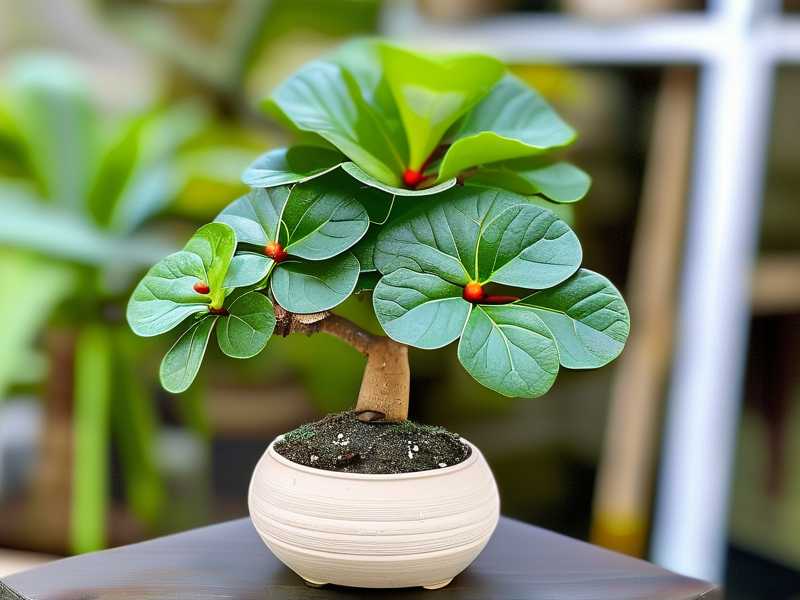
I love my Money Tree (Pachira aquatica). Its braided trunk and lush green leaves bring a sense of calm and prosperity to my living space. But like many indoor plant enthusiasts, I faced a common dilemma: my beloved tree started to resemble a lanky, awkward teenager rather than the full, compact symbol of abundance I desired. Its stems stretched toward the light, leaves became sparse, and it lost that desirable, bushy shape. If you’re struggling with a Money Tree that’s growing too tall or too leggy, you’re not alone. The good news is that with some informed care and strategic pruning, you can absolutely keep a Money Tree short and compact. Over a dedicated two-week period, I transformed my own plant, and I’m here to share every step, observation, and lesson learned.
Understanding Why Your Money Tree Gets Leggy
Before reaching for the shears, it’s crucial to understand the "why." A Money Tree typically becomes tall and sparse due to insufficient light. In a low-light environment, the plant stretches its stems to reach for more photons, a process called etiolation. This results in longer internodes (the spaces between leaves) and weaker growth. Other factors like infrequent pruning or improper fertilization can also contribute to a less-than-ideal form. According to the Royal Horticultural Society (RHS), regular pruning is essential for maintaining the shape and health of many houseplants, encouraging bushier growth from lower buds.
My Toolkit for Success
Gathering the right tools is half the battle. Here’s what I used:
- Sharp, Clean Pruning Shears: Blunt tools can crush stems, inviting disease. I disinfected mine with rubbing alcohol.
- A Bright, Indirect Light Spot: I identified a new location near an east-facing window.
- Balanced Liquid Fertilizer: A half-strength, water-soluble formula.
- Patience and a Notebook: To track daily changes over two weeks.
The Step-by-Step Process to Maintain a Compact Shape
This isn’t a one-time fix but a cycle of care. Here’s the exact process I followed.
Step 1: The Strategic Pruning Cut
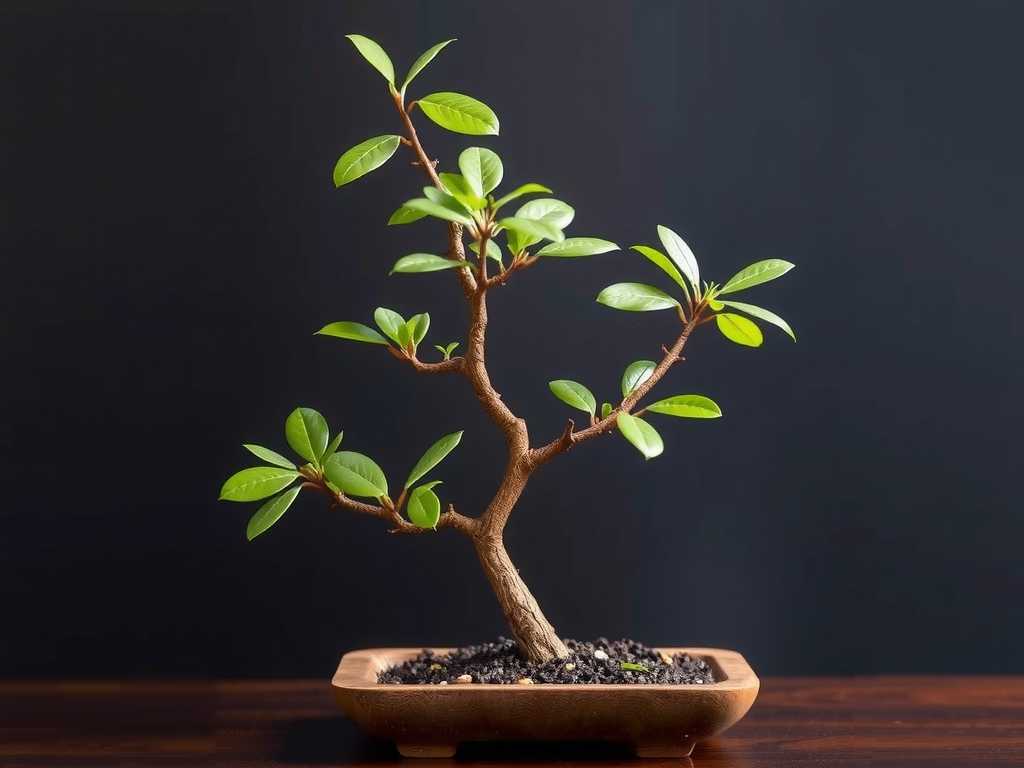
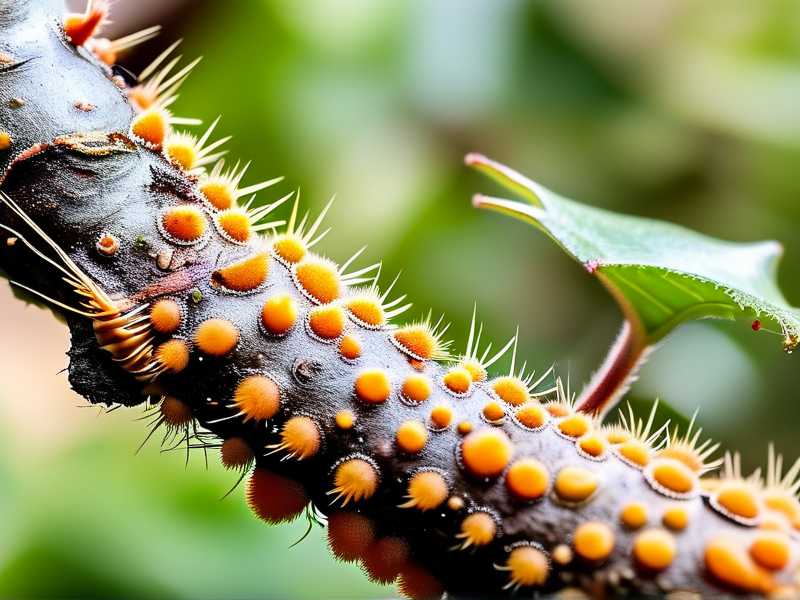
Pruning is the most effective tool to control Money Tree height and promote bushiness. The key is knowing where to cut. I looked for nodes—the small, bumpy rings on the stem where leaves attach or have fallen off. New growth will emerge just below these points. I identified the stems that had grown disproportionately long and made my cuts about 1/4 inch above a node. For a more drastic height reduction, I cut a taller stem further down, above a healthy node. The goal wasn’t to denude the plant but to strategically encourage branching. I removed no more than 20-30% of the foliage at once to avoid shocking the plant.
- The Mistake I Made: In my eagerness, I initially made a cut too close to a node on one stem, which seemed to delay bud formation. On another, I cut too far above, leaving an unsightly "stub" that later dried out.
- The Solution: I recalibrated, aiming for that sweet spot—just enough stem above the node to not injure it, but not so much that it dies back. The clean, angled cuts healed beautifully.
Step 2: Optimizing Light for Dense Growth
Immediately after pruning, I moved my Money Tree to a spot with bright, indirect light. Direct afternoon sun can scorch the leaves, but the gentle morning light from an east window is perfect. This ensured the plant had the energy to produce those new, compact branches I wanted. The American Horticultural Society (AHS) emphasizes that proper light is the fundamental driver of photosynthesis and healthy, balanced growth—it’s non-negotiable.
Step 3: Supporting Recovery and New Growth
With the pruning done and light optimized, I focused on supportive care. I held off on fertilizing for the first week post-prune. Then, I applied a half-dose of balanced fertilizer with my regular watering. I was careful not to overwater, as the plant’s reduced foliage meant it was transpiring less. The soil’s top inch needed to feel dry before I watered again.
My 2-Week Observation Diary
- Days 1-3: The plant looked a bit "shorn" but healthy. No signs of stress or wilting at the cut sites, which had calloused over.
- Days 4-7: The waiting game! I scrutinized the nodes daily. By day 7, I spotted tiny, reddish bumps on several of the nodes just below my cuts. Success was brewing.
- Days 8-10: The bumps swelled into visible buds. The most exciting development was on a stem where I’d made a lower cut—two buds appeared, not just one.
- Days 11-14: Green tips emerged! Multiple new shoots began to unfurl, significantly lower on the stems than the previous growth. The plant’s silhouette was already looking fuller and more balanced. The compact Money Tree shape was actively being rebuilt.
Advanced Tips for Long-Term Control
Beyond the basic prune, a couple of extra tactics ensure lasting results.
- Pinching for Ultimate Bushiness: Once my new shoots grew 2-3 sets of leaves, I used my fingers to pinch off the very tip (the apical meristem). This simple act, called pinching, signals the plant to branch out again at that point, creating an even denser canopy.
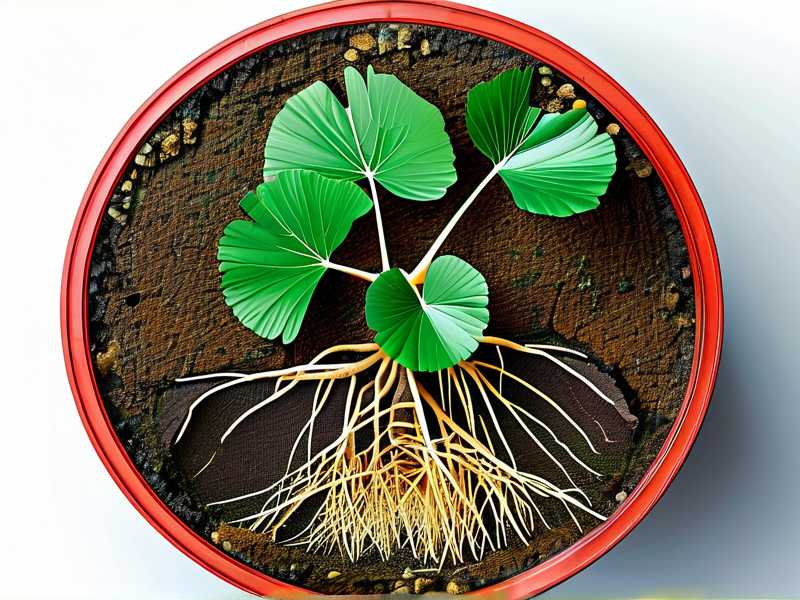
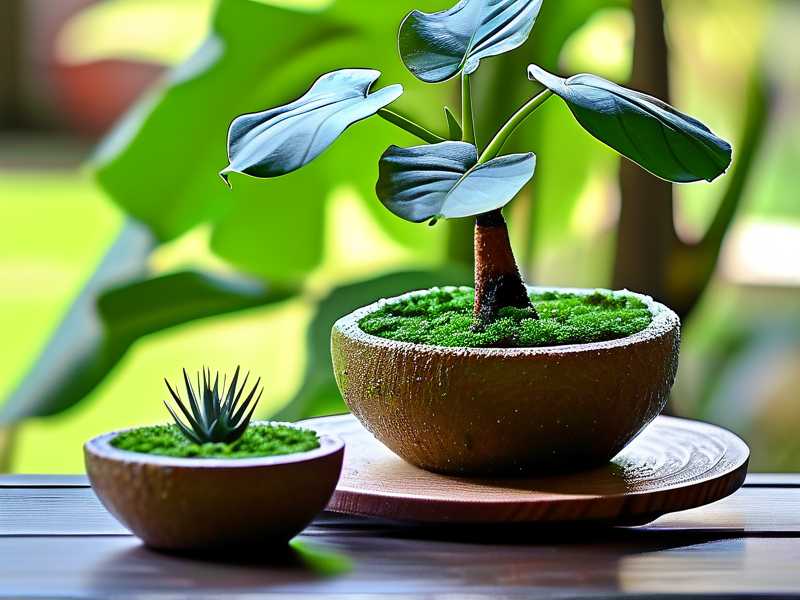
- Root Pruning as a Last Resort: If your plant is severely pot-bound and top-heavy, growth can stall. After my successful top-pruning experiment, I carefully root-pruned a smaller offset plant. I gently removed it from its pot, trimmed away the outer third of the root mass, and repotted it in fresh soil. This can help manage the size of a Money Tree by limiting its overall growth capacity, but it’s a more advanced technique best done in spring.
Common Questions Answered
How often should I prune my Money Tree to keep it small? There’s no rigid calendar. Prune as needed to maintain shape, typically once or twice during the active growing season (spring and summer). I do a visual assessment every few months and make minor pinching or trimming cuts to guide growth.
Will cutting the top of my Money Tree kill it? Not if done correctly. In fact, it saves the plant’s energy. The key is to prune above a node with clean tools. The plant will redirect its energy to those lower nodes, creating a bushier form. My plant is living proof that strategic pruning revitalizes, not harms.
Can I propagate the cuttings I’ve pruned? Absolutely! This is a fantastic bonus. I placed several healthy stem cuttings in water, ensuring a few nodes were submerged. Within a few weeks, roots developed, and I potted them up. Now I have new, small Money Trees to enjoy or share—a truly prosperous outcome!
Maintaining a short, bushy Money Tree is deeply rewarding. It requires understanding its needs, having the courage to make strategic cuts, and providing consistent care. By combining proactive pruning with optimal light and mindful watering, you’re not just controlling size; you’re actively collaborating with your plant to build a healthier, more beautiful structure. The journey from a leggy specimen to a compact, lush centerpiece is entirely within your reach—just as it was in my own home.