admin
admin How to Care for a Money Tree in a Terrarium: A Plant Lover’s Complete Guide
I’ve always been fascinated by the idea of creating miniature, self-sustaining worlds. As a long-time plant enthusiast, the challenge of combining the popular, luck-bringing Money Tree (Pachira aquatica) with the delicate ecosystem of a terrarium was too intriguing to ignore. However, I quickly discovered that most generic care guides don’t address the specific, often frustrating, challenges of terrarium life. The main pain point? Everyone loves the aesthetic, but few realize that standard “low-light, occasional watering” advice can lead to a rotting, moldy disaster in a closed glass container. If you’ve ever wondered why your terrarium Money Tree turns yellow or drops leaves despite your care, you’re not alone. I embarked on a hands-on experiment, documenting every step and observing the results over two weeks, to create this definitive, experience-based guide.
Understanding the Core Challenge: A Tree vs. A Jar
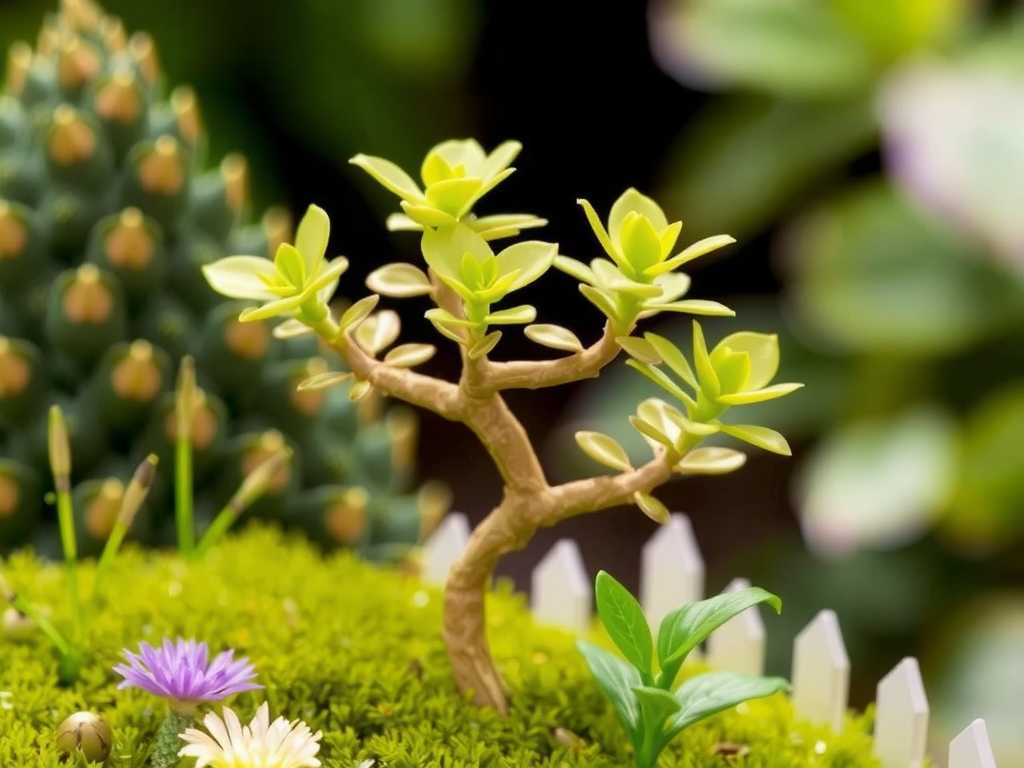
The fundamental issue is that Money Trees, while adaptable, are not typical terrarium plants. They are small trees that naturally grow in moist but well-drained conditions. A sealed terrarium creates a hyper-humid, stagnant environment that can suffocate roots and invite disease. My goal was to replicate their preferred conditions within a controlled glass environment, which meant making critical choices from the very start.
My Step-by-Step Terrarium Build and Care Protocol
Here is the exact process I followed, including the rationale behind each choice, which aligns with best practices from horticultural societies like the Royal Horticultural Society (RHS), which emphasizes the importance of mimicking a plant's natural habitat as closely as possible.
Selecting and Preparing the Right Money Tree
My first step was plant selection. I visited a local nursery and chose a young, healthy Pachira aquatica with bright green, perky leaves and a firm trunk. I avoided any plant with brown spots or soft stems. Crucially, I selected a specimen that was small but not a newly rooted cutting—it needed established roots to handle the transition.
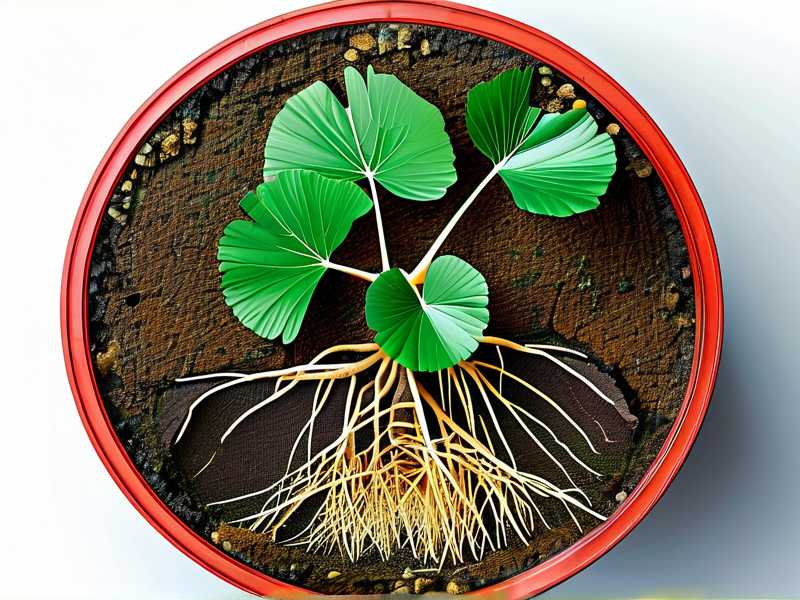
- The Critical First Step (My First Mistake): Initially, I gently loosened the root ball and placed it directly into my terrarium substrate. Within three days, the lower leaves began to yellow. I realized my error: nursery soil is too moisture-retentive for a terrarium. The fix: I carefully removed the plant, gently washed all the original soil from the roots under lukewarm water. This is vital to prevent soil-borne pathogens and to allow the roots to integrate with the new, airier medium. According to the American Horticultural Society (AHS), bare-rooting when transitioning to a dramatically different medium can reduce transplant shock by allowing immediate contact with the new environment.
Building a Foundation for Success: The Terrarium Layers
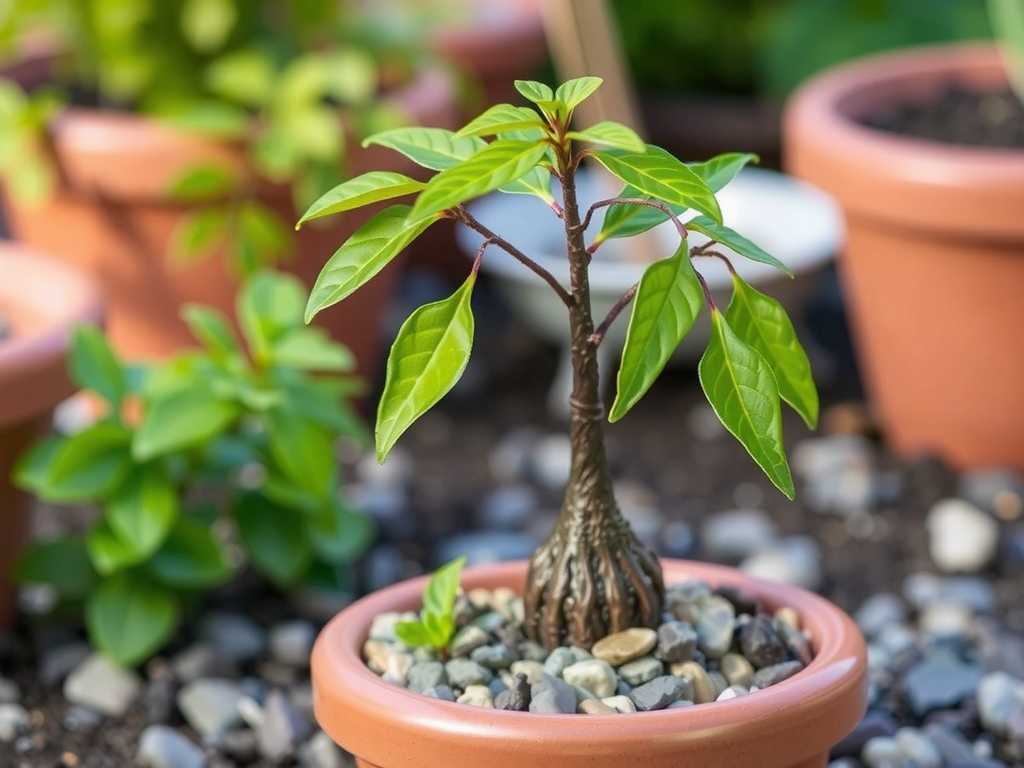
A proper layered foundation is non-negotiable. For my medium-sized, open-top glass container, I built up from the bottom:
- Drainage Layer (1.5 inches): I used medium-sized aquarium gravel. This layer is your insurance policy against root rot, collecting any excess water away from the roots.
- Separation Layer: A thin sheet of horticultural charcoal followed by a layer of sphagnum moss. The charcoal filters water and inhibits fungal growth, while the moss prevents the soil from sifting down.
- The Growing Medium (The Most Important Part): I did not use potting soil. Instead, I created a custom, ultra-well-draining mix: 2 parts orchid bark (for aeration), 1 part coarse horticultural sand (for drainage), and 1 part coconut coir (for slight moisture retention without sogginess). This mix was the single biggest factor in my later success.
Planting and Initial Setup
I made a small well in the substrate and placed the bare-rooted Money Tree inside, fanning the roots out gently. I backfilled, ensuring the root flare (where the trunk widens) was just above the substrate line—burying it invites stem rot. I then added a few accent stones and a piece of driftwood for aesthetics and to create microclimates. For the first 48 hours, I left the terrarium open to let the plant and medium acclimate.
The Two-Week Observation Period: Triumphs and Troubles
This is where the real learning happened. I placed the terrarium in a spot with bright, indirect light—a north-facing windowsill was perfect. Direct sun through glass would have cooked the plant.
- Week 1: The Adjustment Phase. I lightly misted the substrate (not the leaves) on day 3. The Money Tree showed slight wilting on day 2, a sign of transplant shock, but perked up by day 5. Humidity inside the open terrarium stayed around 60-70%, measured by a small hygrometer I placed inside.
- The Mold Scare (My Second Big Mistake): By day 7, I noticed a few white, fuzzy patches on the driftwood and substrate surface. Panic! This is a common terrarium issue caused by excess moisture and organic matter. The fix: I immediately removed the mold patches with a spoon. I increased air circulation by pointing a small fan across the room (not directly at it) and, crucially, I stopped misting entirely. I only watered the base of the plant with a dropper, adding a mere 2 tablespoons of water directly to the roots. The mold receded within 48 hours.
- Week 2: Signs of Success. With the mold controlled and a strict "less is more" watering approach, the plant began to thrive. By day 14, I observed not just survival, but new growth—a small, shiny green bud was emerging from the top. The leaves remained firm and green. The terrarium had found its balance.
Ongoing Care: Lessons from the Front Lines
My two-week experiment established a sustainable routine:
- Watering: I water only when the coconut coir in the substrate feels completely dry to the touch, which is about every 10-14 days. I use a long-spouted watering can or dropper to apply water directly to the root zone, avoiding the leaves and trunk. The "set schedule" is a myth; always check first.
- Pruning and Maintenance: To maintain the miniature scale, I will periodically pinch off new growth tips. I also wipe the interior glass with a microfiber cloth to maximize light penetration. Any dead or yellowing leaves are removed promptly with sterilized tweezers to prevent decay.
- Feeding: Terrarium plants need very little fertilizer. I plan to use a diluted, balanced liquid fertilizer at 1/4 strength, only once at the beginning of the growing season (spring). Over-fertilization in a closed system can lead to toxic salt buildup.
Common Questions from Fellow Enthusiasts
Can a Money Tree really thrive long-term in a terrarium? Yes, but with critical caveats. It requires an open or very large terrarium, an exceptionally well-draining substrate (not soil), and meticulous, minimal watering. It is not a "set it and forget it" plant like some moss terrariums.
Why are the leaves on my terrarium Money Tree turning yellow and falling off? This is almost always a sign of overwatering and/or poor drainage. The roots are suffocating. Stop watering immediately, remove any decorative covers that trap moisture, and ensure the terrarium has adequate air flow. In severe cases, you may need to repot the plant into a drier, better-draining mix as I did.
Do I need to use a closed terrarium for higher humidity? No, and I recommend against it for Money Trees. Their need for air circulation and fear of "wet feet" outweigh their appreciation for humidity. An open terrarium, a vessel with a large opening, or a cloche that is regularly removed provides the humidity benefit without the rot risk.
Success with a Money Tree in a terrarium is a rewarding exercise in precision gardening. It defies the common one-size-fits-all plant care advice, demanding instead that you become an observer and a curator of a tiny ecosystem. The key takeaways are unglamorous but essential: prioritize ruthless drainage over aesthetics in your substrate, water with a hesitant hand, and always choose air circulation over a sealed environment. When you get it right, the result is a captivating, living sculpture—a testament to the luck and resilience of this wonderful plant, thriving in its own miniature world.