admin
admin How to Care for a Money Tree with Variegated Leaves: A Plant Lover’s 2-Week Journey
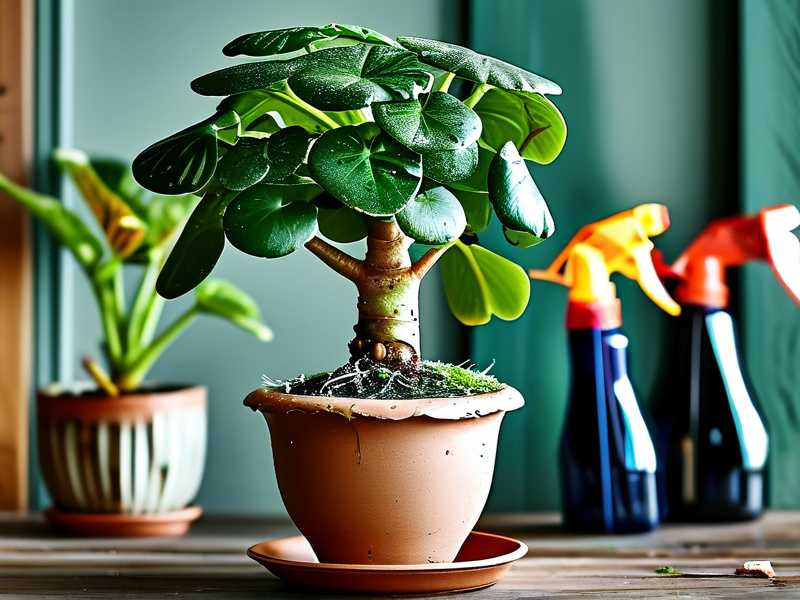
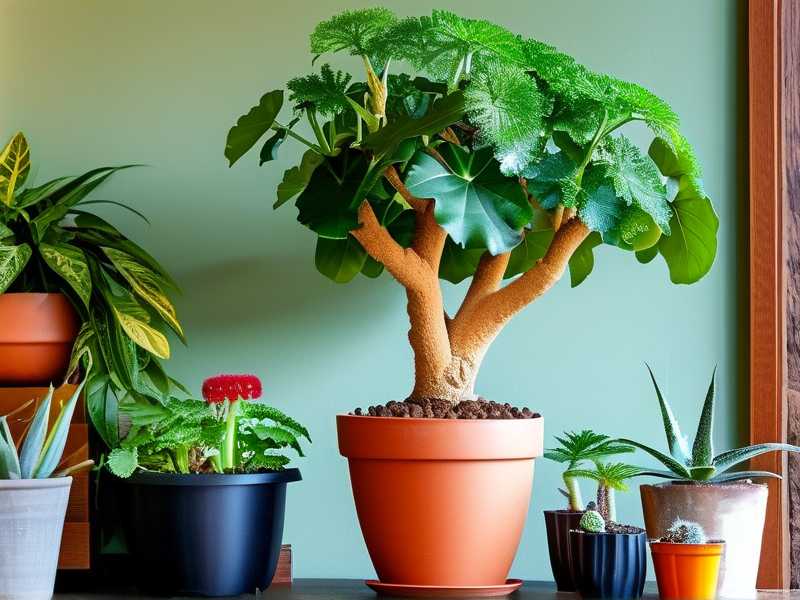
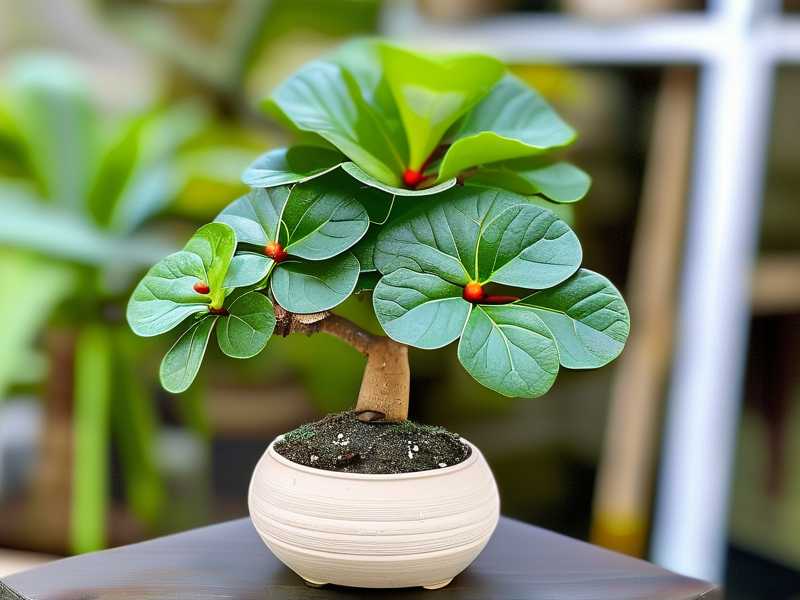
You finally brought home that stunning money tree with variegated leaves you’ve been eyeing. Its creamy white and green patches look like a living painting. But now, a quiet panic sets in. The leaves are starting to look a little less vibrant, maybe a brown spot appears, and you’re worried. Is it getting too much sun? Not enough water? How do you keep those beautiful patterns from fading? I’ve been there. As a fellow plant enthusiast, I’ve learned that caring for a variegated money tree (Pachira aquatica) requires a slightly different touch than its all-green cousin. The very feature that makes it gorgeous—the lack of chlorophyll in its white sections—also makes it more sensitive. After a recent scare with my own plant, I decided to document a complete, two-week care regimen to crack the code. This guide is the result of my hands-on experience, mistakes and all, to help you confidently nurture your striped or splotchy beauty.
Understanding Your Variegated Money Tree’s Unique Needs
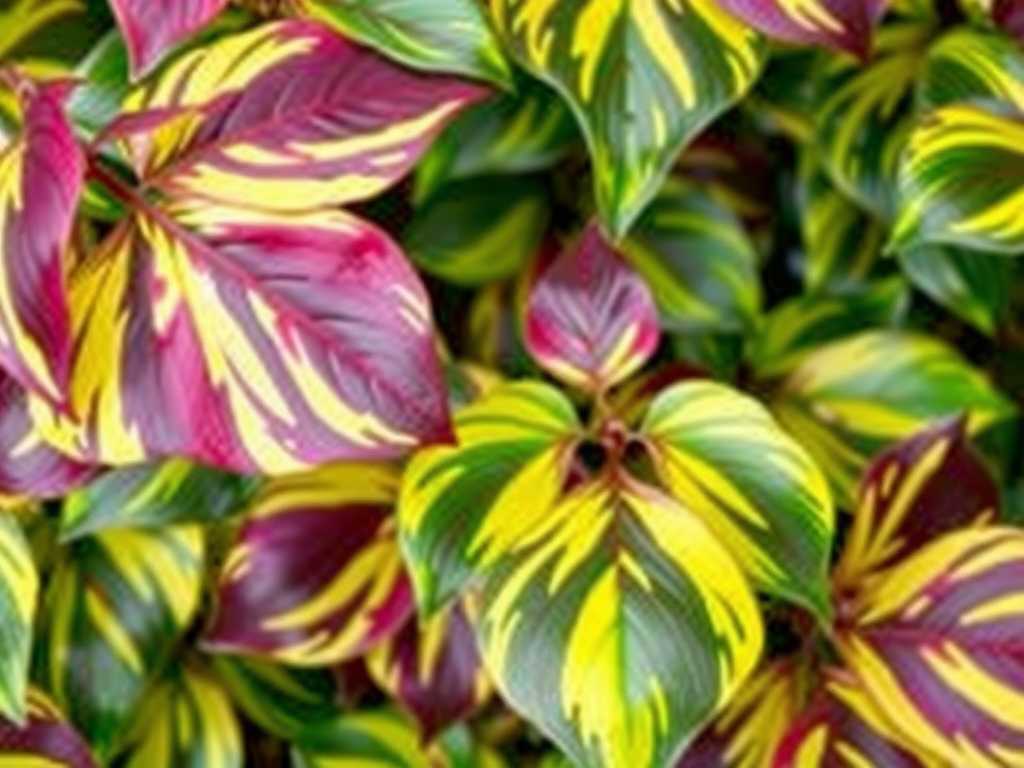
First, let’s talk about what variegation means. Those stunning white or yellow streaks are areas with little to no chlorophyll. Chlorophyll is the pigment plants use to convert sunlight into energy through photosynthesis. According to the Royal Horticultural Society (RHS), variegated plants often grow more slowly because they have less “engine” power. The green parts are doing all the heavy lifting. This simple biological fact dictates almost every aspect of care: light, water, and even fertilizer.
My plant, which I’ve nicknamed “Marbles,” had been thriving in a bright corner for months. But when winter shifted to stronger spring sun, I noticed the first problem. The white sections on the top leaves developed dry, crispy brown patches. This wasn’t an overwatering issue; it was sunburn. The delicate variegated parts have no defense against intense direct rays. The American Horticultural Society (AHS) notes that many variegated plants prefer bright, indirect light to protect their sensitive foliage while still feeding their green parts. My mistake was not adjusting its position with the changing seasons.
The 2-Week Rescue & Optimization Plan
I committed to a 14-day observation and adjustment period to get Marbles back to peak health. Here was my day-by-day approach.
Week 1: Diagnosis and Environmental Reset
Day 1-2: The Relocation and Assessment I started by moving Marbles about five feet back from the south-facing window, placing it where it would receive plenty of light but no direct beams on its leaves. I gently wiped the dust off each leaf with a damp cloth—dust can further reduce light absorption, forcing the plant to work harder. I then did a thorough check: soil moisture, leaf firmness, and stem health. I noted three leaves with significant cosmetic damage from the sunburn.
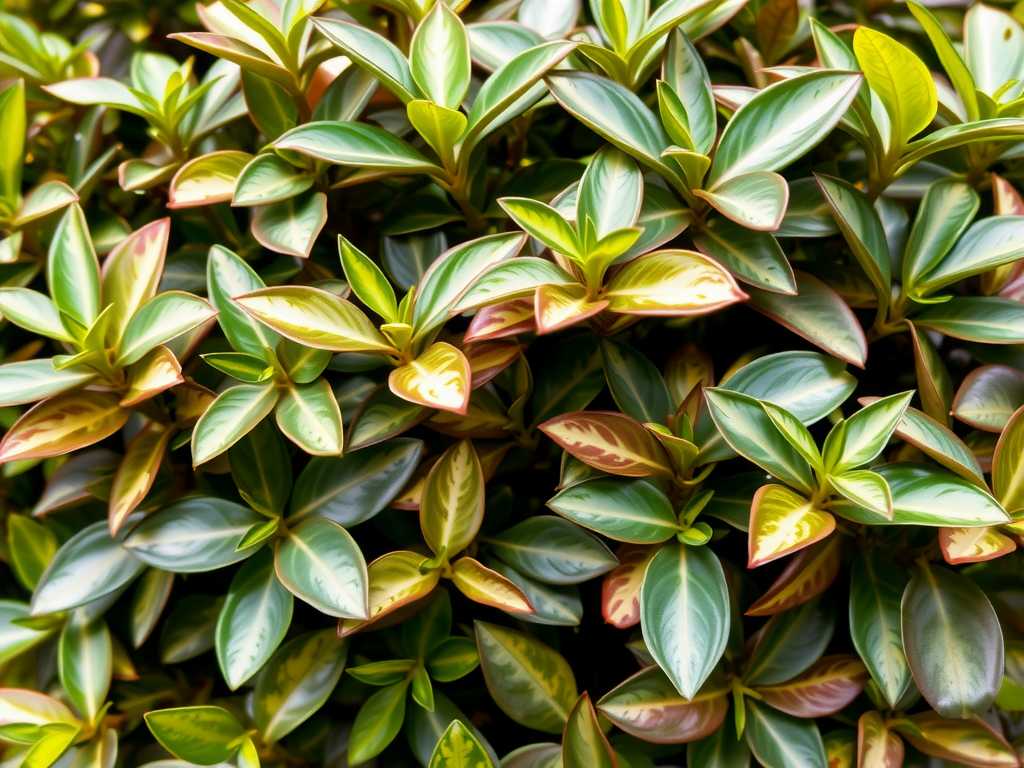
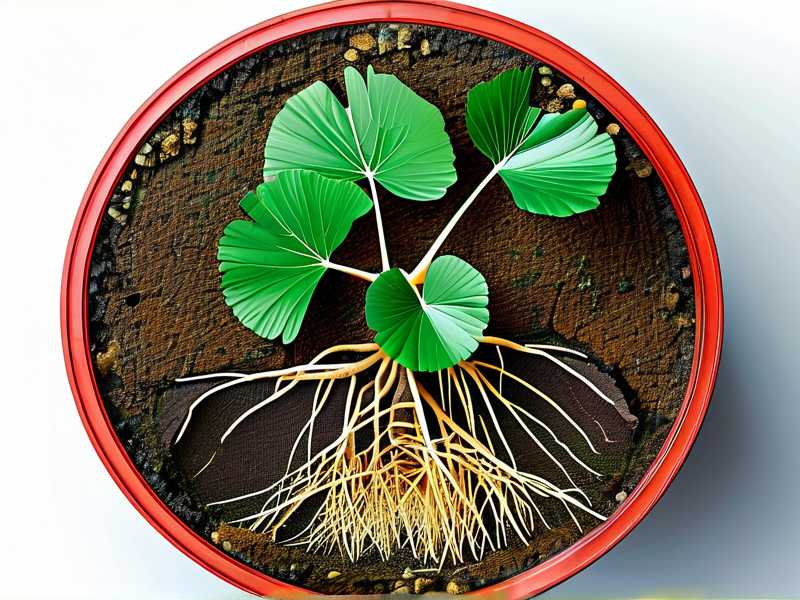
Day 3-5: Mastering the Watering Rhythm Watering is where most money trees, variegated or not, meet their doom. The key is to water deeply but infrequently, allowing the soil to dry out. For my variegated money tree, I found the “soak and dry” method crucial. I placed the nursery pot in a sink and watered thoroughly until water ran freely from the drainage holes, ensuring the entire root ball was hydrated. I then let it drain completely before returning it to its decorative pot. I marked this day on my calendar. My past mistake was giving small, frequent sips, which led to weak roots and yellowing lower leaves.
Day 6-7: Humidity Boost Money trees appreciate moderate humidity, which helps keep the thin variegated sections from drying out. I placed a shallow tray filled with water and pebbles near the plant (pot sitting on the pebbles, not in the water). As the water evaporates, it creates a localized humid microclimate. I avoided misting directly, as water droplets on the leaves can magnify light and cause burns or lead to fungal spots.
Week 2: Observation, Adjustment, and Growth Support
Day 8-10: The Fertilizer Decision It was early spring, the start of the growing season. However, a weakened plant shouldn’t be heavily fed. I used a balanced, water-soluble fertilizer (with an equal NPK ratio like 10-10-10) but diluted it to half the recommended strength. The RHS advises caution when fertilizing variegated plants, as excess nitrogen can encourage the plant to produce more all-green leaves, potentially reducing variegation. I applied this weak solution just once during the two weeks.
Day 11-14: Documenting Changes and Pruning By the second week, the changes were clear. No new brown spots had appeared. The existing damage had calloused over but remained—a reminder of my earlier error. However, the overall plant looked perkier. The stems felt firmer, and I even spotted a tiny, tightly furled new leaf with a hint of variegation emerging from the braided trunk. This was my sign of success. On the final day, I made a tough call: I used sterile pruners to carefully remove the two most severely sunburned leaves. This wasn’t just for looks; it allowed the plant to redirect energy to healthy growth.
Essential Long-Term Care Pillars
My two-week experiment solidified these non-negotiable rules for how to keep your variegated money tree healthy.
Perfect Light Exposure Bright, indirect light is the absolute cornerstone. An east-facing window is ideal. If you only have a south or west window, use a sheer curtain as a filter. Rotate your plant a quarter turn every time you water to ensure even growth and prevent it from leaning toward the light. The variegated patterns will be most pronounced and stable under these conditions.
Watering Technique for Variegated Foliage Always check the soil first. Insert your finger about 2 inches deep. If it’s dry, it’s time for a thorough soak. If it’s still damp, wait. In my home, this translated to watering approximately every 10-14 days, but this varies wildly with season, pot size, and home environment. When you do water, remember the sink method: thorough hydration followed by complete drainage. This prevents the dreaded root rot, to which these plants are susceptible.
Soil and Potting Considerations A well-draining, peat-based potting mix is essential. I repot my money tree only when it becomes root-bound, typically every 2-3 years, and only go up one pot size (1-2 inches larger in diameter). A pot that’s too large holds excess moisture around the roots. Ensure your pot has at least one drainage hole—this is non-negotiable.
Troubleshooting Common Problems
- Fading Variegation: If new leaves are coming in mostly green, your plant likely needs more light. It’s trying to produce more chlorophyll to survive. Gradually move it to a brighter spot.
- Brown, Crispy Patches on White Sections: This is almost always sunburn. Relocate the plant immediately away from direct sun.
- Yellowing Leaves and Soft Stems: The classic sign of overwatering. Stop watering immediately. Check the roots for rot (brown and mushy). If present, prune the rotten roots, repot in fresh, dry soil, and water very sparingly until new growth appears.
- Dropping Leaves: This can be a shock response to sudden changes in location, temperature, or light. Ensure consistent conditions and review your watering habits.
Why are the leaves on my variegated money tree turning brown? The most common cause for brown leaves, especially on the white variegated parts, is too much direct sunlight, which scorches the delicate tissue. Alternatively, consistent under-watering leading to dry soil can cause brown, crispy tips. Check your light exposure and watering routine first.
Can I propagate a new plant from my variegated money tree? Yes, you can propagate through stem cuttings. Take a cutting with at least one leaf node, let the cut end callous over for a day, then place it in water or moist soil. Keep in mind that not all cuttings will retain the same level of variegation, as it can be unstable.
How often should I fertilize my variegated money tree? Feed it sparingly. During the active growing season (spring and summer), a monthly feeding with a balanced, half-strength liquid fertilizer is sufficient. Stop fertilizing entirely in fall and winter when growth slows. Over-fertilizing can harm the roots and reduce variegation.
Caring for a variegated money tree is a rewarding practice in mindful plant parenting. It teaches you to observe closely and respond to subtle cues. The journey with my plant over those two weeks transformed it from a struggling specimen into a resilient, growing companion. By providing bright, indirect light, mastering a careful watering routine, and respecting its slower growth, you’re not just keeping a plant alive—you’re creating the perfect environment for those magnificent marbled leaves to thrive and bring a unique, lively beauty to your space for years to come.