admin
admin My Money Tree Stopped Growing: My 2-Week Rescue Mission and What Finally Worked
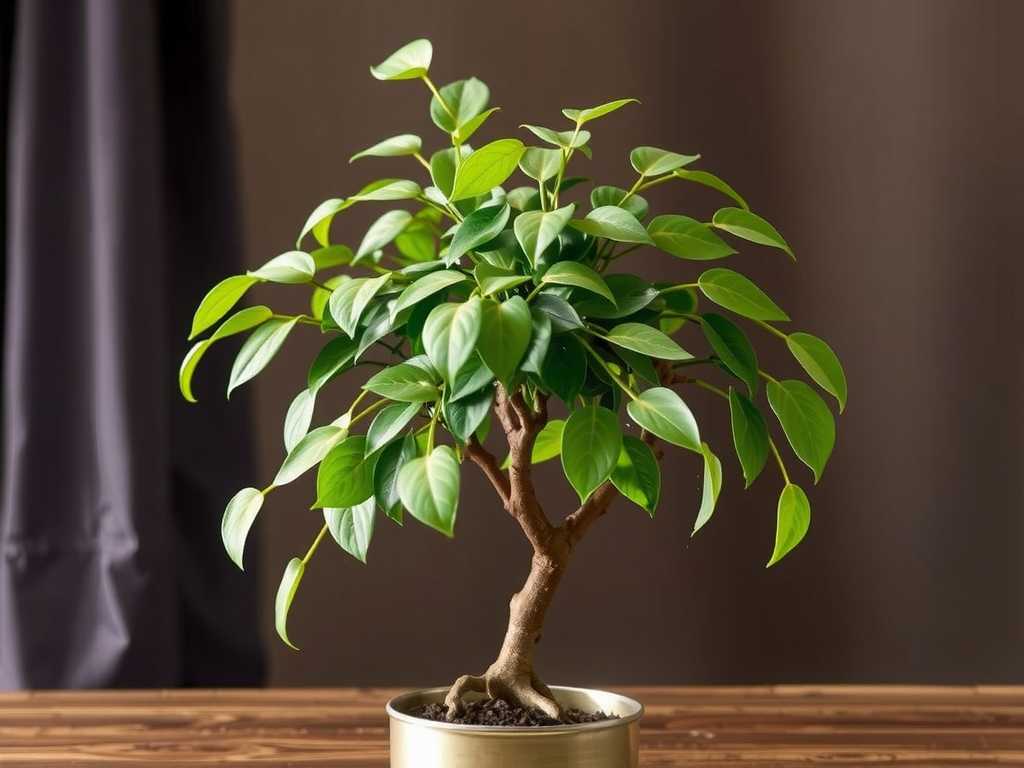
I’ll admit it—I panicked. My beloved Money Tree (Pachira aquatica), once a symbol of vibrant growth and good fortune on my desk, had simply… stopped. No new leaves, no increase in height, just a silent, stubborn pause. If you’re reading this, you likely know that sinking feeling. A stunted Money Tree isn’t just a decorative issue; it feels like a personal gardening failure. But after two weeks of diligent, sometimes frustrating, hands-on experimentation, I turned things around. This is my complete, step-by-step account of how I diagnosed and solved the problem, including the mistakes I made along the way.
Understanding Why Your Money Tree Hits the Pause Button
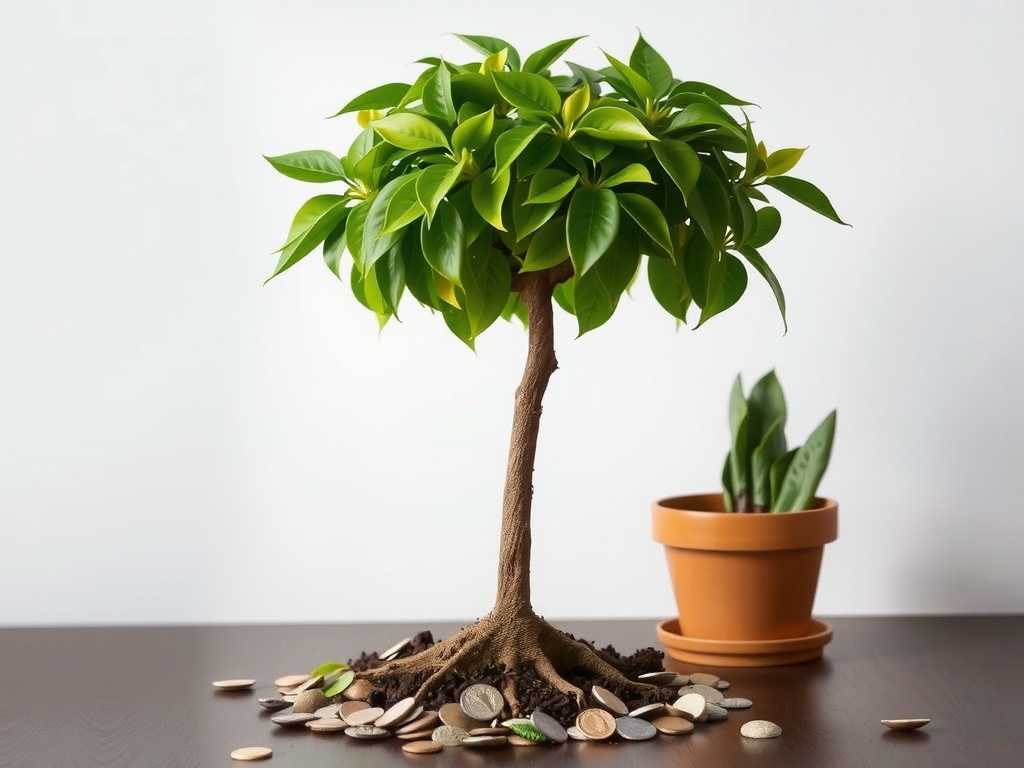
Before you can fix a problem, you need to understand it. A Money Tree that stopped growing is sending a clear signal, but it’s up to us to interpret it. Through my research and consultation with resources from the Royal Horticultural Society (RHS), I learned that growth cessation typically stems from a few key environmental mismatches.
The most common culprits are light, water, and nutrients. This plant thrives in bright, indirect light. Too little, and it lacks the energy to grow; too much direct sun, and its leaves can scorch, causing stress. Watering is a delicate dance—consistent overwatering leads to root rot, while underwatering puts the plant into survival mode. Furthermore, a lack of essential nutrients, especially during the growing season, can halt development. I realized I had to become a plant detective.
My Step-by-Step Revival Protocol: A 2-Week Diary
I committed to a structured, observational two-week plan. I chose to address the most likely issues systematically rather than changing everything at once, which can shock the plant.
Week 1: The Diagnostic Phase
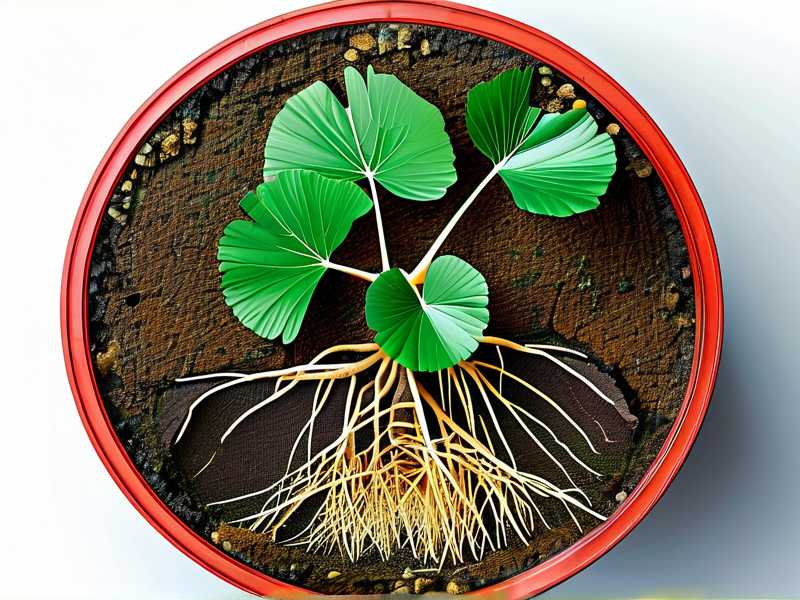
Day 1-3: The Root and Soil Inspection My first action was the most critical: checking the roots. Gently tipping the pot, I slid the plant out. The soil was denser than I preferred and, to my concern, the roots were a dark brown and mushy in one section—a classic sign of root rot from overwatering. I had been too generous with my watering can, believing I was being nurturing.
- My Fix: Using clean, sharp scissors, I carefully pruned away all soft, rotten roots. I then repotted the plant into a container with excellent drainage, using a fresh, well-aerating potting mix amended with perlite, as recommended by many horticultural experts for improving soil structure and preventing waterlogging.
Day 4-7: Light and Location Audit I assessed its spot. My desk was about 8 feet from a north-east facing window. It received light, but was it enough for active growth? I used a simple light meter app (a great hack for plant lovers) and confirmed it was in “low to medium” indirect light.
- My Fix: I relocated the plant to a shelf right beside the same window, where it received bright, filtered light all morning without any direct afternoon sun. I also gave its leaves a gentle wipe with a damp cloth to remove dust, maximizing its light absorption surface area.
Week 2: The Support and Observation Phase
Day 8-10: Introducing a Nutrient Boost With fresh soil and better light, it was time to address potential nutrient deficiency. I needed a gentle, balanced approach to avoid fertilizer burn on stressed roots.
- My Fix: I applied a half-strength dose of a balanced, water-soluble liquid fertilizer (with an equal NPK ratio). The American Horticultural Society (AHA) emphasizes the importance of diluting fertilizer for stressed or recently repotted plants to prevent further shock. I watered it in thoroughly.
Day 11-14: Humidity and Consistency Money Trees appreciate moderate humidity, which my indoor winter heating had stripped away. Dry air can stress the plant and hinder new leaf development.
- My Fix: I started placing a small humidifier near my plant grouping for a few hours each day. Alternatively, I’d set the pot on a pebble tray filled with water. Most importantly, I established a consistent watering routine: checking the soil moisture by inserting my finger two inches down and only watering when it felt dry.
The Turning Point and Key Results
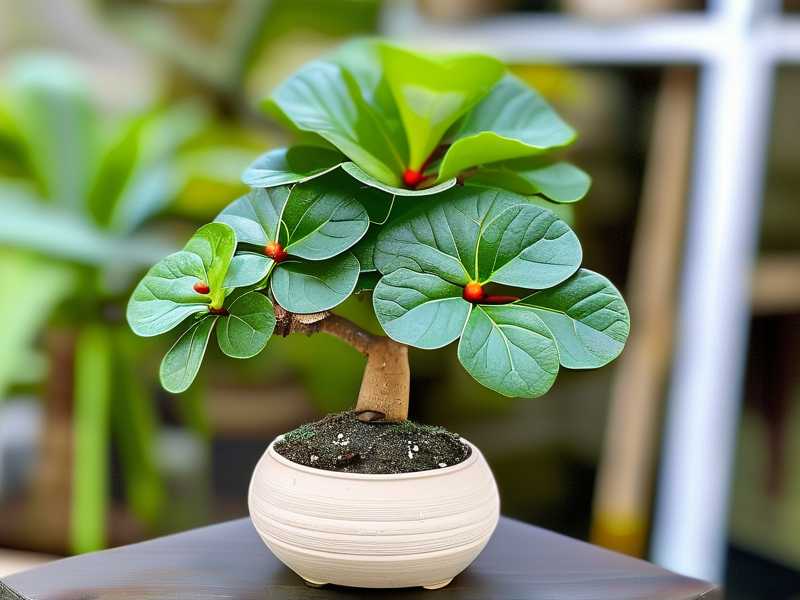
The first week showed little visible change, which was expected as the plant recovered from repotting. The real excitement began in the second week. Around Day 12, I noticed a subtle swelling at the tip of one of the stems. By Day 14, it had unfurled into a tiny, bright green, glossy new leaf. It wasn’t rapid, explosive growth, but it was undeniable, healthy progress. The existing leaves looked perkier and lost a slight yellowish tinge they’d had before.
The Mistakes I Made (So You Don’t Have To)
My journey wasn’t perfect. My biggest error was my initial watering habit. I learned that “love” for a Money Tree isn’t shown through frequent water, but through precise moisture management. Another misstep was delaying the repot. I had suspected root issues for a while but put it off, allowing the problem to worsen. Finally, I underestimated the impact of low humidity. Addressing these three factors in tandem was what ultimately triggered new growth.
How often should I really water a Money Tree that’s not growing? Forget the calendar. The only reliable method is the finger test. Water deeply only when the top 2-3 inches of soil are completely dry. For a stunted plant, err on the side of slightly drier conditions until you see new growth, as overwatering is the most common cause of root issues and growth arrest.
Can a Money Tree recover from severe root rot? Yes, it absolutely can, but it requires immediate action. You must remove all soft, rotten roots with sterile tools, repot in fresh, well-draining soil, and reduce watering significantly. The plant will focus energy on regenerating healthy roots before it can support new top growth, so patience is key for several weeks.
What is the best fertilizer to restart growth in a stalled Money Tree? Use a balanced, all-purpose liquid fertilizer (like a 10-10-10 or 20-20-20 formula) diluted to half the recommended strength. Apply it once at the beginning of the growing season (spring/summer) after you have addressed any root or watering problems. Avoid fertilizing in fall and winter, or if the plant is severely stressed.
Seeing that first new leaf emerge was immensely rewarding. It confirmed that reviving a Money Tree that stopped growing isn’t about magic tricks, but about methodically returning to the fundamentals of its care: brilliant but indirect light, disciplined watering focused on soil dryness, occasional gentle feeding, and a comfortable humid environment. It’s a resilient plant. By listening to its silent cues and adjusting your care with patience, you can guide it back to a path of lush, prosperous growth.