admin
admin How to Stimulate New Leaf Growth on a Money Tree: My 2-Week Revival Journey
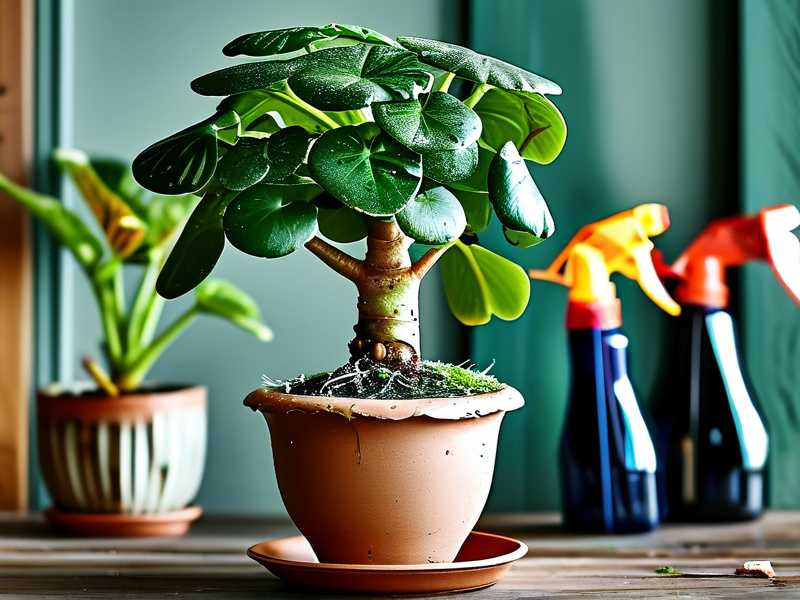
I stared at my Money Tree, its once vibrant canopy now looking sparse and stubbornly unchanged for months. That familiar frustration set in – I was providing water, giving it light, yet no new leaves were emerging. If you're here, you likely share that same silent plea with your plant: "Just grow, please!" The desire to see fresh, glossy leaves unfurl isn't just about aesthetics; it's a sign of a thriving, happy plant. After hitting this wall myself, I dedicated two weeks to a focused, methodical experiment to crack the code on stimulating new growth. What followed was a journey of subtle adjustments, surprising discoveries, and ultimately, the rewarding sight of tiny green buds. Let me walk you through exactly what worked, what didn’t, and how you can replicate this success.
Understanding Your Money Tree's Language
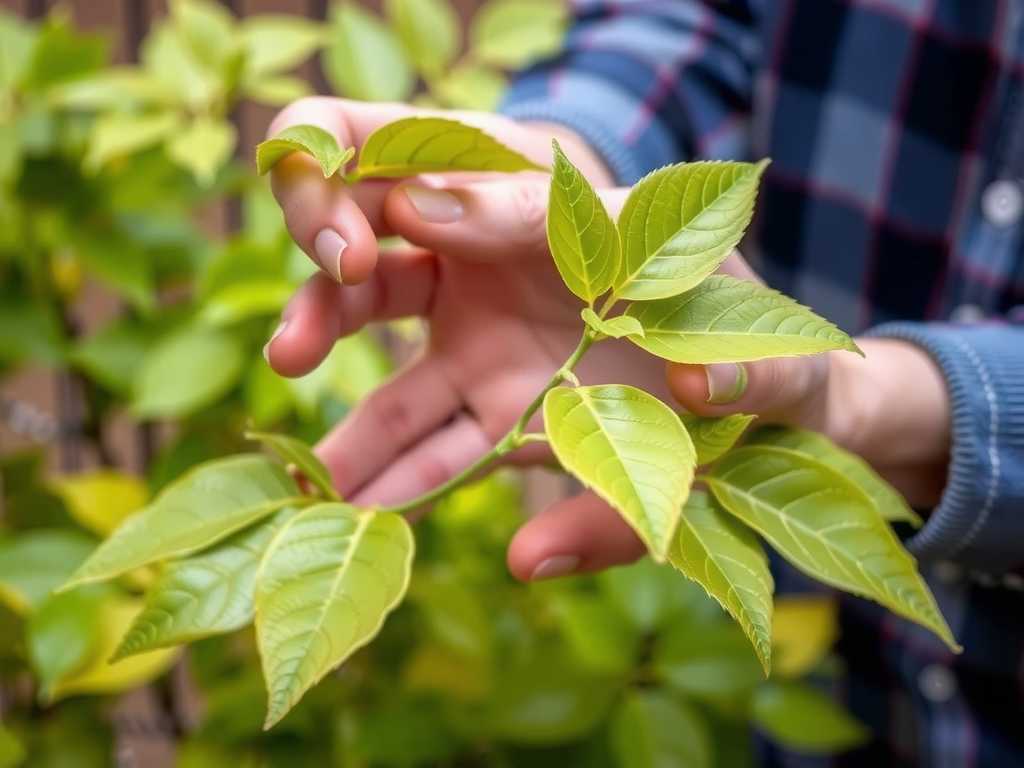
Before diving into action, I had to shift my mindset. A Money Tree (Pachira aquatica) isn't just being difficult; its lack of growth is a symptom. I learned from resources like the Royal Horticultural Society (RHS) that these plants are tropical understory trees. In their natural habitat, they enjoy bright, filtered light, consistent warmth, and high humidity—conditions far from the typical dry, unevenly lit living room. My first realization was that I was treating it like a generic houseplant, not a species with specific needs. Growth stalls when one or more of these core pillars—light, water, nutrients, or environment—are out of balance. My mission became about fine-tuning each pillar to send a clear, unwavering signal to the plant: "It's time to grow."
The Two-Week Growth Stimulation Protocol: My Step-by-Step Process
I committed to a 14-day plan, monitoring and adjusting daily. This wasn't about drastic changes but consistent, correct care.
Week 1: The Foundation Reset
My initial focus was on assessing and correcting the basics. I started with a thorough health check, looking for root rot, pests, or stem damage. Fortunately, the plant was healthy, just dormant.
Optimizing Light for Photosynthesis My biggest mistake was placement. The plant was in a "bright room," but not in a bright spot. I moved it directly in front of a north-east facing window, ensuring it received several hours of gentle morning sun without the harsh afternoon rays. The American Horticultural Society (AHS) emphasizes that light is the primary energy source for growth. Within just 3-4 days, I noticed a subtle change—the existing leaves seemed perkier, a sign the plant was photosynthesizing more efficiently. This was the first crucial step in encouraging new leaves on Money Tree.
Mastering the Watering Technique Overwatering is a silent killer. I stuck my finger two inches into the soil and vowed only to water when it felt dry at that depth. When I did water, I practiced thorough soaking. I placed the pot in the sink and watered slowly until it freely drained from the bottom, ensuring the entire root ball was moistened. Then, I let it drain completely before returning it to its decorative pot, eliminating any chance of "wet feet." This cycle of deep watering followed by complete drying out is key to promoting healthy foliage development.
Introducing a Balanced Nutrient Boost I had not fertilized in over six months. Using a balanced, water-soluble fertilizer (with an equal NPK ratio like 10-10-10), I diluted it to half the recommended strength. I applied this during one of my weekly waterings. The goal was a gentle nudge of nutrients, not an overwhelming shock. Experts often warn against strong fertilizer on a stressed plant, so this mild solution was perfect for signaling that resources were available for new growth.
Week 2: Environmental Fine-Tuning and Observation
With light, water, and nutrients addressed, week two was about enhancing the supporting environment.
Boosting Humidity Around the Foliage My home's humidity was around 35%, far too low for a tropical plant. I employed two methods: I grouped it with other plants to create a microclimate and, more effectively, placed a shallow pebble tray filled with water beneath the pot. As the water evaporates, it raises humidity directly around the leaves. I misted the leaves lightly every other morning. By day 10, the leaf tips, which were slightly crispy, stopped browning.
Ensuring Stable, Warm Temperatures I moved the plant away from a frequently opened window and any air conditioning vents. Money Trees prefer temperatures between 65°F and 80°F. Consistent warmth, especially at night, supports metabolic processes essential for stimulating bud formation on Pachira aquatica.
The Turning Point and Results
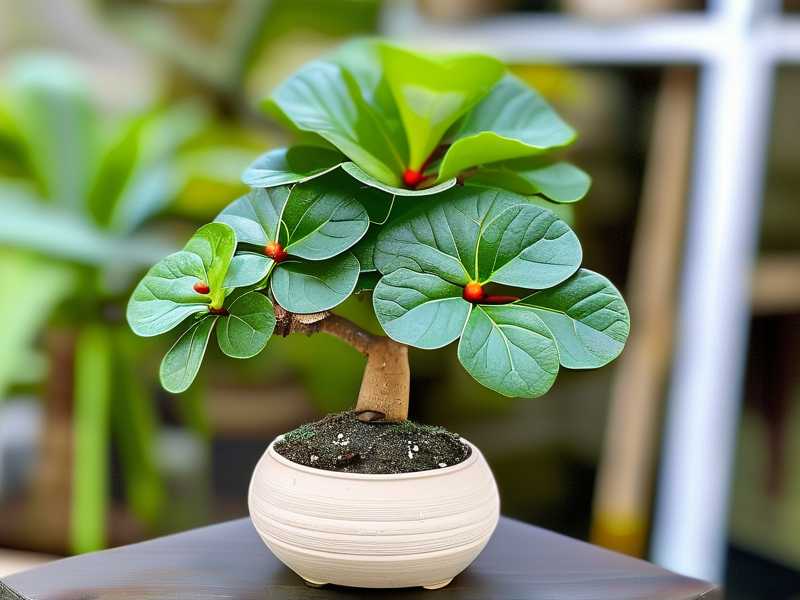
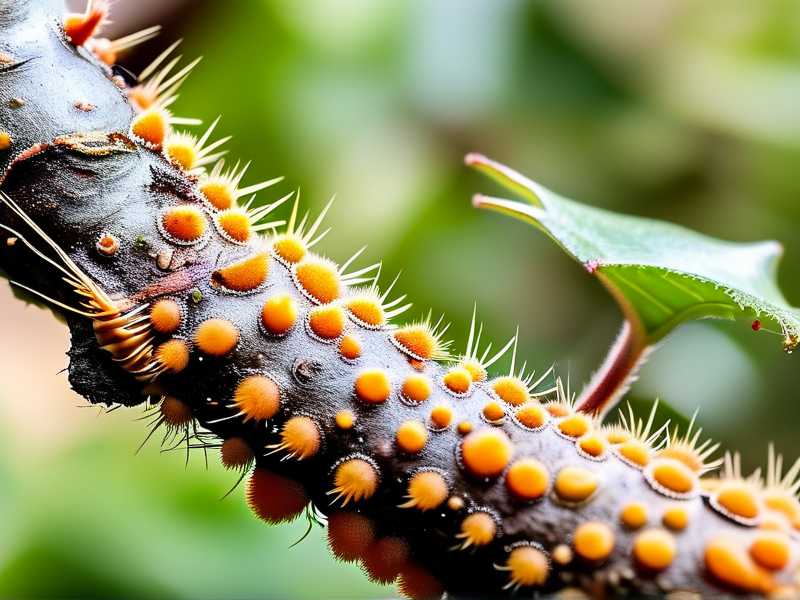
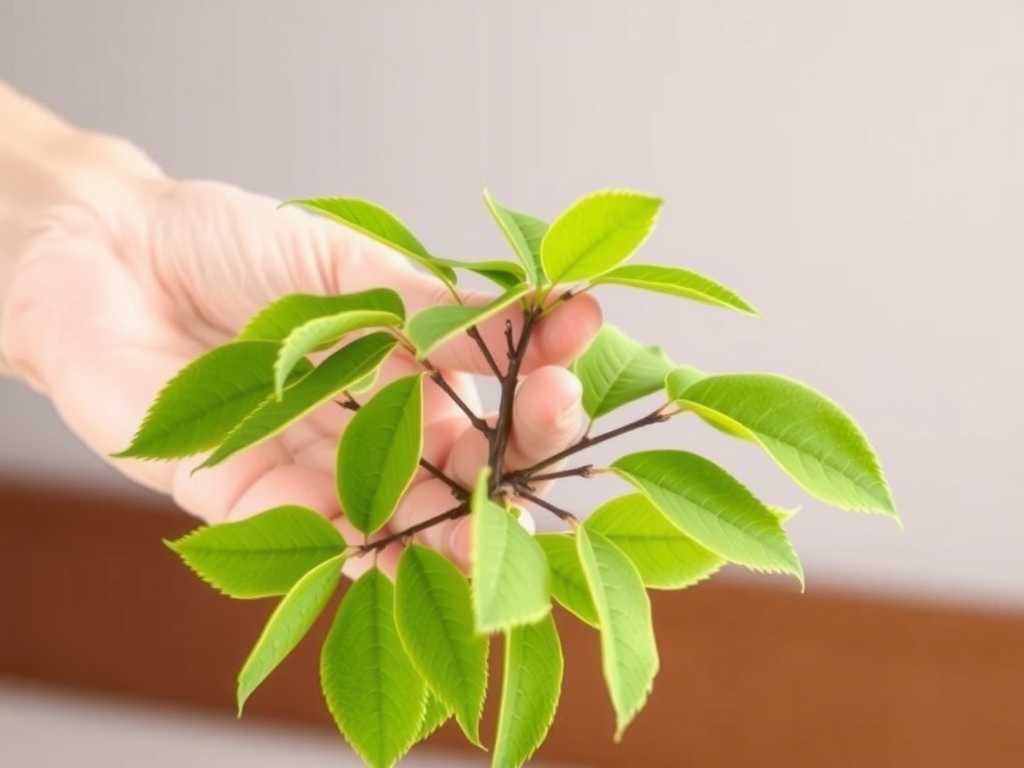
The most exciting moment came on the morning of day 12. While inspecting the stems, I spotted them: three small, tight, bright green buds emerging from the nodes near the top of the plant. They were unmistakable. By the end of the two weeks, these buds had slightly swollen and begun to peel open, revealing the nascent leaves inside. The experiment was a success. The existing foliage was also visibly glossier and more turgid.
The Pitfalls I Encountered and How I Fixed Them
My journey wasn't flawless. Around day 5, I noticed a few yellow leaves at the very bottom. Panic set in—was I overwatering? After research, I realized this was likely the plant's natural response to the improved conditions. It was redirecting energy to new growth points (apical buds) and shedding older, less efficient leaves. I removed the yellow leaves to keep the plant tidy and focused. Another minor issue was my initial over-enthusiasm with the pebble tray; I had the pot sitting in the water, risking root rot. I quickly corrected it so the pot sat on the pebbles, above the water line.
Sustaining the Growth Momentum
Seeing new growth is fantastic, but the goal is to make it continuous. I’ve now established a long-term routine based on my two-week protocol:
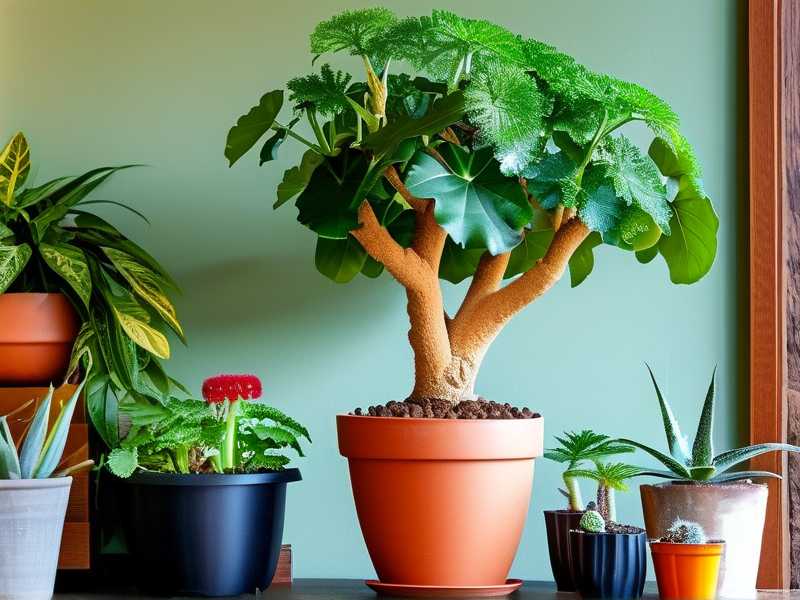
- Light: Maintaining its prime spot by the window, rotating the pot a quarter turn weekly for even growth.
- Watering: Sticking religiously to the "finger test" and deep-watering method.
- Feeding: Applying half-strength fertilizer every 4-6 weeks during the spring and summer growing season, stopping entirely in fall and winter.
- Environment: Keeping the pebble tray topped up and maintaining plant grouping.
Common Questions from Fellow Plant Lovers
Why are the new leaves on my Money Tree so small? Small new leaves are often a light issue. While your plant is now growing, it might still crave more photons. Ensure it's getting enough bright, indirect light. It can also be a sign to begin a regular, diluted fertilization schedule if you haven't already.
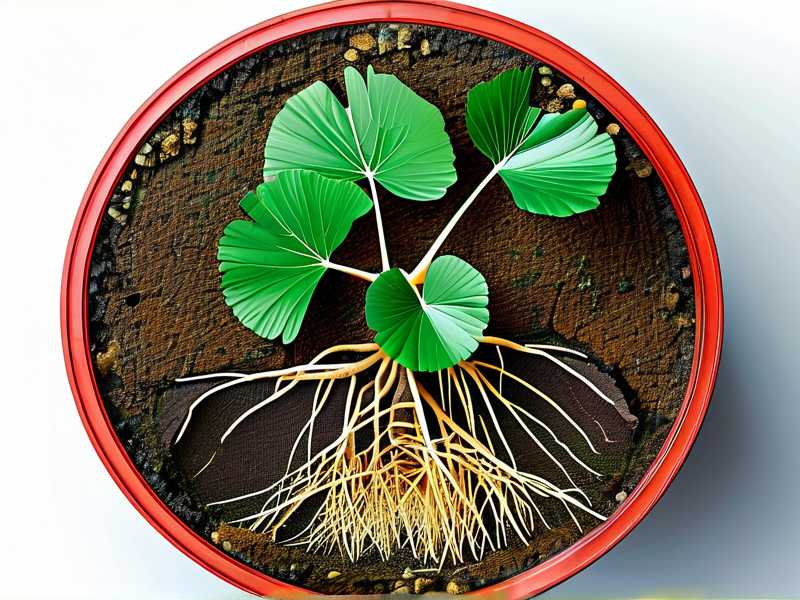
I've done all this for a month and still see no growth. What's wrong? First, check for root-bound conditions. Gently slide the plant out of its pot. If you see a dense web of roots circling the exterior, it's time to repot into a container only 1-2 inches larger. Also, double-check for drafts or temperature fluctuations, as these can cause a plant to hold back growth.
Is it better to mist the leaves or use a humidifier? For a single plant, misting and a pebble tray can suffice. However, for consistent, area-wide humidity—especially in arid climates or during winter—a small humidifier is far more effective and reliable. It provides a steady environment without the risk of leaving water droplets on the leaves for too long, which can sometimes lead to fungal spots if ventilation is poor.
Witnessing those first new buds is a deeply satisfying reward for any plant owner. It transforms care from a guessing game into a responsive dialogue. The key is understanding that stimulating new leaf growth on a Money Tree is a holistic process. It's not one magic bullet but the synchronized alignment of light, water, nutrients, and humidity. By patiently auditing and adjusting each of these factors, as I did over my focused two weeks, you provide the unwavering confidence your plant needs to invest its energy into pushing out fresh, beautiful foliage. Start with the foundation—light and water—then build from there. Your Money Tree is ready to grow; you just need to speak its language.