admin
admin How to Care for Your Money Tree During Rainy Seasons: A Plant Lover's Survival Guide
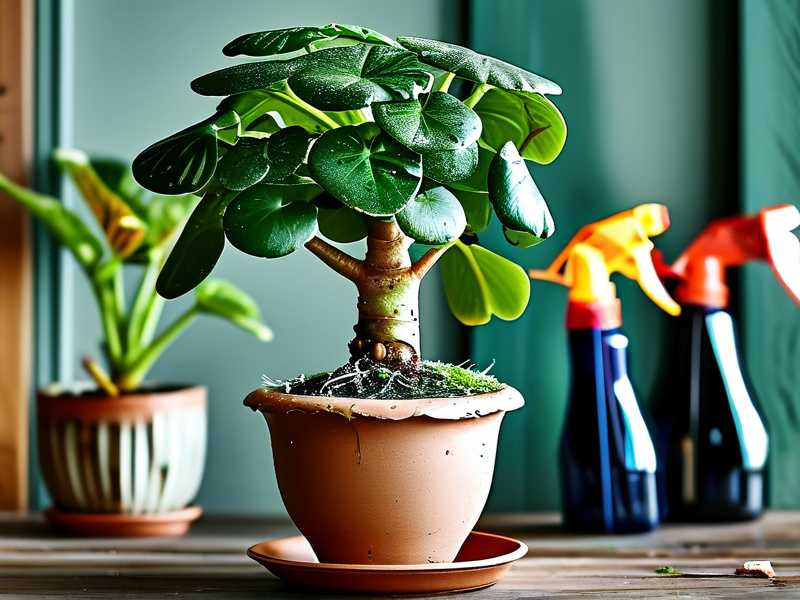
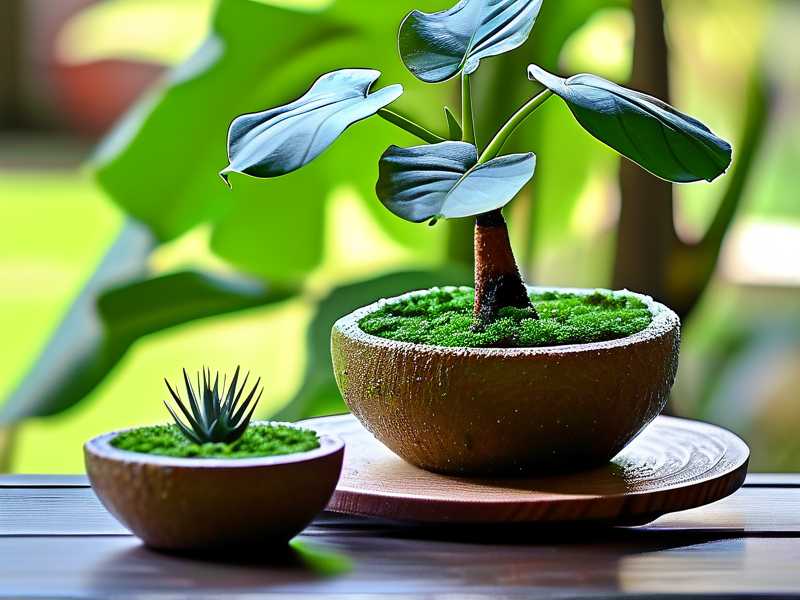
If you're like me, the first rumble of thunder during the rainy season sends a jolt of panic straight to your beloved houseplant collection. My gorgeous, glossy-leaved Money Tree (Pachira aquatica), usually a symbol of resilience and good fortune, suddenly seems vulnerable. Will the constant gloom stunt its growth? Could overwatering from the humid air spell disaster? I’ve been there, watching helplessly as leaves yellowed or, worse, stems softened. After navigating several challenging monsoon seasons, I’ve developed a practical, battle-tested routine to not just help my Money Tree survive, but actively thrive when the skies turn gray. This guide is born from my own two-week experiments, frustrating mistakes, and ultimate successes in caring for a Money Tree in wet weather.
Understanding the Rainy Season Challenge for Your Money Tree
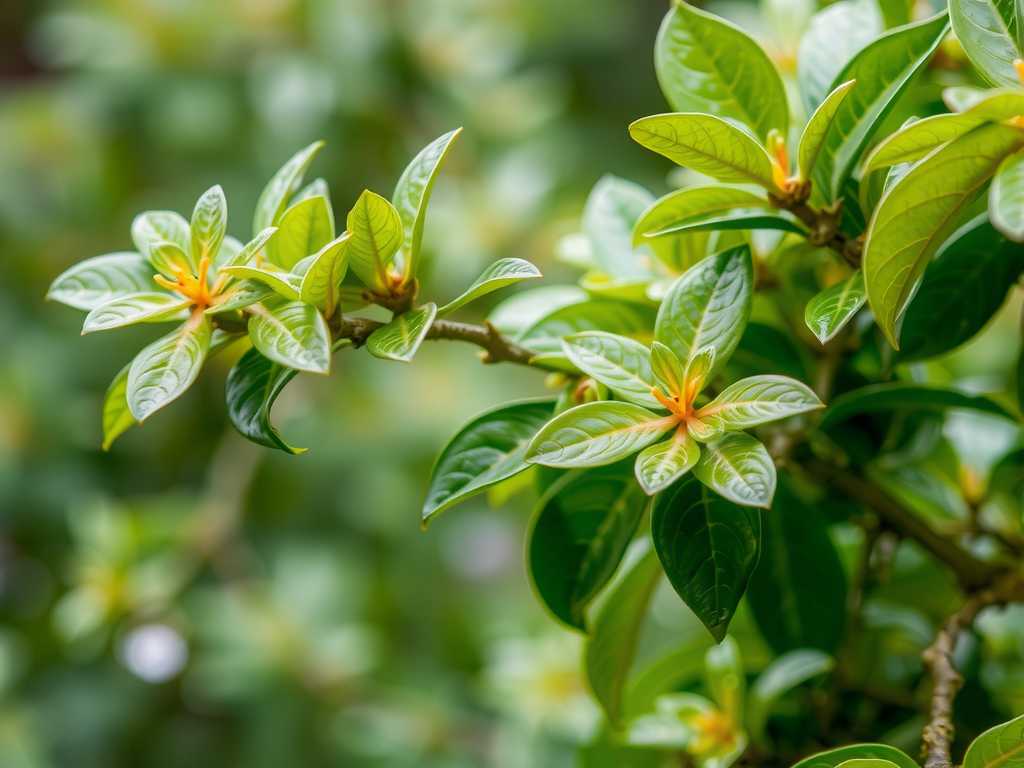
Money Trees are tropical plants that enjoy humidity, but their primary nemesis is consistently soggy soil. Their roots are susceptible to rot. The rainy season brings a triple threat: reduced sunlight, skyrocketing ambient humidity, and a natural slowdown in the plant's water consumption. Our instinct might be to maintain our usual watering schedule, but that is the most common pitfall. I learned this the hard way. Last year, I continued my weekly watering despite a week of solid rain and clouds. By day 10, I noticed the topsoil was still damp, and a few lower leaves had developed unsightly yellow patches—a classic early sign of distress.
My 2-Week Rainy Season Care Protocol: A Step-by-Step Diary
I decided to get systematic. I selected one of my Money Trees for a focused, 14-day observation during the peak of the rainy season, adjusting one variable at a time and documenting everything.
Week 1: The Adjustment Phase
My core focus was on moisture management. I completely halted my automatic watering schedule. Instead, I adopted the "finger test," inserting my index finger about two inches deep into the soil. The rule became simple: if it feels moist, do not water. I was shocked to find that the soil stayed moist for nearly 12 days due to the high ambient humidity. This single change is the most critical step in protecting Money Tree from root rot.
I also relocated the plant. It normally sat in a bright, indirect spot near an east-facing window. With the sun playing hide-and-seek, I moved it a few feet closer to the same window to maximize every bit of available light, ensuring it wasn't in a drafty spot. Good air circulation is vital, but direct drafts from air conditioners or fans can cause stress. I also gave the leaves a gentle wipe with a damp cloth. As noted by the Royal Horticultural Society (RHS), clean leaves can photosynthesize more efficiently, which is crucial when light is limited.
Week 2: Observation and Intervention
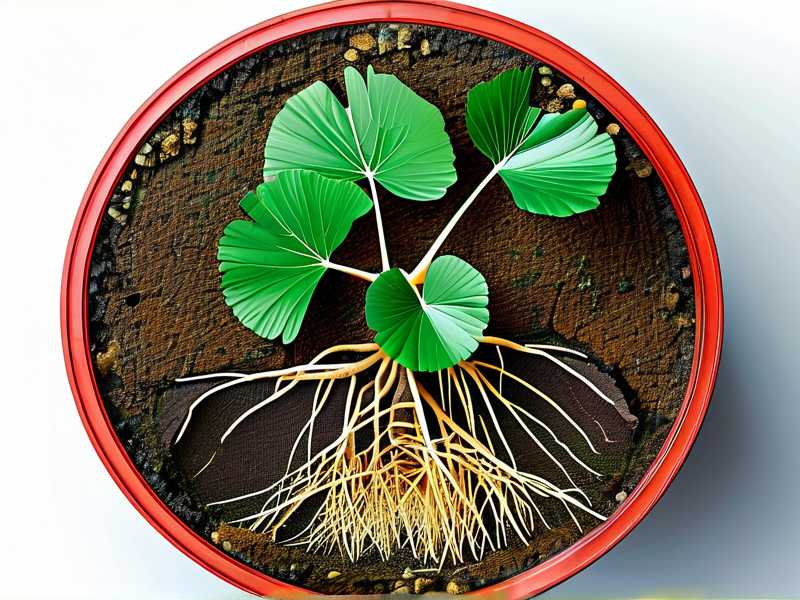
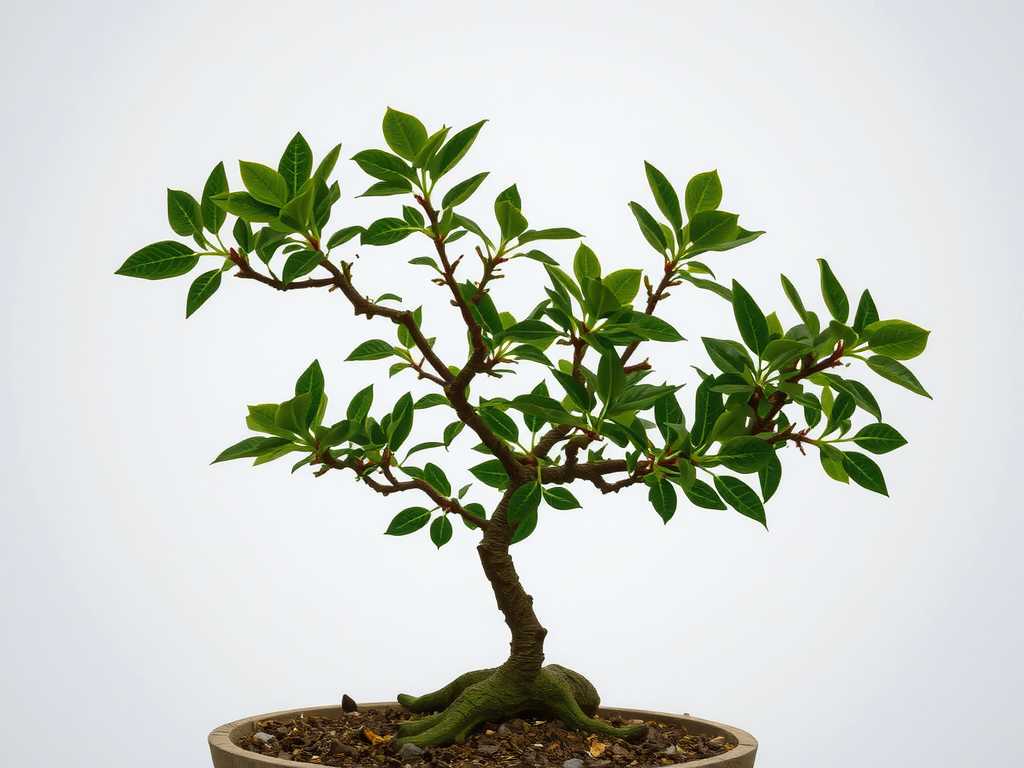
By the start of the second week, the yellowing on the observed plant had stopped progressing. However, on another Money Tree I had neglected to check, I found a softer, darker stem near the base—a more advanced sign of trouble. This was my "uh-oh" moment. Following advice from resources like the American Horticultural Society (AHA), I immediately un-potted the plant. I carefully removed the soggy soil, inspected the roots, and used sterilized shears to prune away any brown, mushy roots. I then repotted it in a fresh, well-draining cactus/succulent mix amended with extra perlite and into a pot with excellent drainage holes. I did not water it after repotting, allowing the roots and fresh soil to settle in the humid environment.
For my main observation plant, the health stabilized. I noticed no new growth, which is normal as the plant conserves energy. The key takeaway was that maintaining Money Tree health in high humidity is 90% about resisting the urge to water.
Essential Long-Term Strategies for Damp and Humid Conditions
Beyond the immediate crisis management, here’s how I now proactively prepare and maintain my Money Trees.
Mastering the Art of Watering in Humidity
Throw your calendar out the window. Your watering tool is now your finger or a moisture meter. I wait until the top 2-3 inches of soil are completely dry before I even consider watering. Sometimes, in peak humidity, this means watering only once every 3-4 weeks. When you do water, water thoroughly until it runs from the drainage holes, then let it drain completely. Never let the plant sit in a saucer of water.
Optimizing Light and Location
Maximize every photon. Move your Money Tree to the brightest spot you have without exposing it to direct, harsh sun which can scorch leaves. If natural light is exceptionally poor for weeks, consider a basic grow light. I used a simple LED grow bulb for 4-6 hours a day during the darkest stretch, and it prevented any leggy growth. Rotate the plant a quarter turn weekly to ensure even growth.
Soil and Pot: The First Line of Defense
This is non-negotiable. A well-draining potting mix is your best insurance policy. I use a standard potting mix but cut it with 30-40% perlite or orchid bark to create air pockets. The pot must have multiple drainage holes. Terracotta pots are excellent for wet season plant care as they are porous and allow soil to dry more evenly from the sides.
Managing Humidity and Preventing Disease
While Money Trees like humidity, fungal issues like powdery mildew can arise with stagnant air. I run a ceiling fan on low to promote gentle air circulation around my plants. I also avoid misting the leaves during rainy seasons, as adding more moisture can invite fungal problems. If you notice pests (like fungus gnats, which love moist soil), a top dressing of sand or mosquito bit tea can help.
What I Learned From My Mistakes: Troubleshooting Common Issues
- Yellowing Leaves: This was my first clue. In rainy seasons, it's almost always due to overwatering. Check soil moisture immediately and extend drying time.
- Soft, Mushy Stems or Brown, Smelly Roots: This is root rot. Act fast. Remove the plant, prune all affected roots with sterile tools, repot in fresh, dry mix, and withhold water.
- Dropping Leaves: Can be a reaction to sudden changes in light or temperature, or a final symptom of root issues. Assess your care conditions holistically.
- No New Growth: Don't panic. It's normal for growth to slow or pause during low-light, high-stress periods. Focus on maintaining health, not pushing growth.
Frequently Asked Questions
Can I put my Money Tree outside in the rain for a natural watering? I strongly advise against it. Rainwater volume is uncontrollable and can quickly flood the pot. Furthermore, outdoor temperatures during storms can be cooler than the plant prefers, causing shock. It's best to keep it in its controlled indoor environment.
My home is very damp during the rains. Do I need a dehumidifier for my plant? For most people, no. Money Trees tolerate high ambient humidity well. The issue is wet soil, not wet air. Focus on your watering habits and soil drainage first. Only in cases of severe, persistent condensation and mold growth elsewhere in the room should you consider a dehumidifier for overall comfort.
Should I fertilize my Money Tree during the rainy season? No. Fertilizing a plant that is not actively growing (due to low light) can lead to fertilizer burn and salt buildup in the soil. I stop all fertilization in the core rainy weeks and resume with a diluted, balanced fertilizer only when I see consistent new growth and brighter weather returns.
Caring for a Money Tree during the rainy season is a lesson in restraint and observation. It taught me to trust the plant's natural rhythms over my own routines. The core principle is simple: let the soil dry out more than you think, prioritize every bit of light you can find, and ensure your potting setup promotes quick drainage. By focusing on these pillars, you can guide your Money Tree through the dampest months. Mine now stands as a testament to that patience—lush, green, and ready to burst into growth when the sun returns, proving that with a little adjusted care, its fortune-bringing spirit is truly weatherproof.