admin
admin How to Protect a Money Tree from Hail Damage: My Step-by-Step Guide to Shielding Your Plant
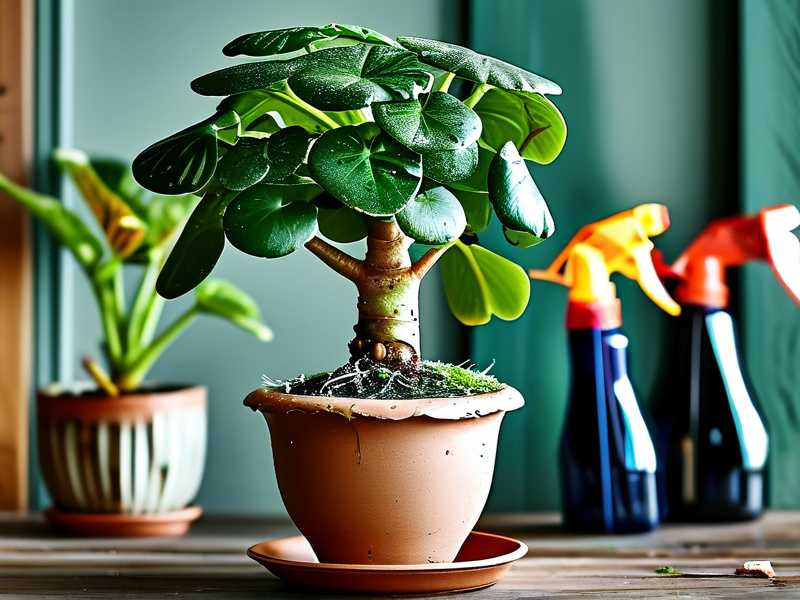
I’ll never forget the sickening sound of that hailstorm last spring. It wasn’t just rain; it was a relentless barrage of ice pellets hammering against my windows. My first panicked thought was for my beloved, thriving money tree, perched proudly in its sunny spot on my patio. By the time the storm passed, the scene was heartbreaking. Its beautiful, glossy palmate leaves were shredded, pockmarked, and many were torn clean off. It looked battered and defeated. If you’ve ever rushed to a window watching hail threaten your cherished indoor or patio plants, you know that feeling of helplessness. The question isn’t just about immediate first aid—it’s about proactive, practical protection for your money tree from hail. Through trial, error, and a dedicated two-week recovery mission, I learned exactly how to shield these resilient yet vulnerable plants from nature’s icy assault. This guide is born from that real, hands-on experience.
Understanding Why Hail is So Dangerous for Your Money Tree
Before we jump into the protective measures, it’s crucial to understand the enemy. Hail doesn’t just get things wet; it causes blunt force trauma. The American Horticultural Society (AHS) notes that physical damage from hail can compromise a plant’s primary engines: its leaves. For a money tree (Pachira aquatica), those broad leaves are essential for photosynthesis. Tears and bruises create open wounds, making the plant susceptible to bacterial and fungal infections. Furthermore, the stem, while sturdy, can suffer cracks or bruises that disrupt the flow of water and nutrients. The goal of hail damage prevention for money trees isn’t just about aesthetics; it’s about maintaining the plant’s structural integrity and long-term health.
My Proactive Shield: Strategies Deployed Before the Storm
Forewarned is forearmed. After the initial damage, I became obsessed with weather apps. But more importantly, I implemented a simple, tiered protection system.
The Instant Mobility Method For my smaller, potted money tree, the best defense is simply to move it. I identified a safe “storm haven” indoors—a bright spot away from drafty windows in my living room. The key is speed. I now have a lightweight plant caddy with wheels permanently under its pot. When a severe weather alert pops up, I can roll it to safety in under a minute. For slightly heavier pots, a simple towel underneath allows for a smooth slide across floors.
Creating a Physical Barrier My larger, heavier money tree on the patio couldn’t be moved easily. My solution was a protective cover for money trees during storms. I initially tried a large, heavy-duty trash bag—this was my first major “pitfall.” While it kept off the hail, it created a stagnant, humid environment with no airflow, which is an invitation for mold and suffocation. The fix was to invest in purpose-built materials.
I purchased a roll of floating row cover (often used in vegetable gardens) and some inexpensive PVC pipes. I created a simple, arched frame over the plant and draped the row cover over it, securing the edges with bricks. This fabric is excellent for safeguarding money trees against severe weather; it diffuses and absorbs the impact of hail, allows light and air to penetrate, and lets rainwater through gently. For a more immediate option, a breathable blanket or a frost cloth works similarly. Never use plastic sheeting directly on the foliage.
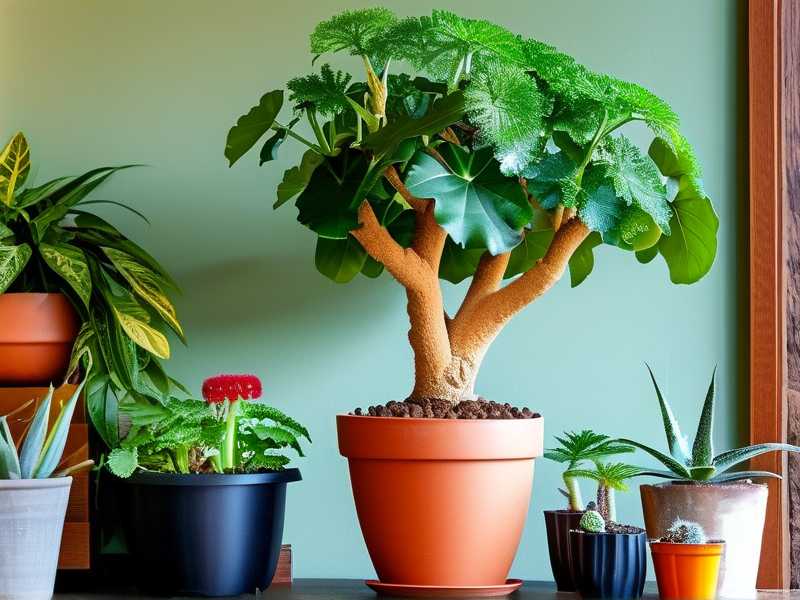
Strategic Placement is Key I also reevaluated my plant’s permanent home. I moved it from the center of my open patio to a spot that enjoys the natural overhang of my roof’s eaves. This provides a first line of defense against most hail events. Positioning it near a wall or under a sturdy patio table can also offer significant protection.
The Rescue Operation: My 2-Week Recovery Protocol
Despite my new precautions, a surprise, localized hailstorm caught me off-guard about a month later. My money tree took a minor hit. This was my chance to apply my researched recovery plan and document the effects over two weeks.
Day 1: Assessment and First Aid Immediately after the storm passed, I gently shook the plant to dislodge any lingering ice. I brought it under cover and began a careful inspection. Using a pair of sterilized, sharp pruning shears (I wipe them with isopropyl alcohol), I removed all the clearly doomed leaves—those that were more than 50% torn, hanging by a thread, or severely bruised. The Royal Horticultural Society (RHS) advises making clean cuts close to the stem to prevent ragged edges that attract disease. I did not remove leaves with only minor cosmetic spots, as they could still contribute to the plant’s recovery.
The Pitfall and Solution: My instinct was to fertilize immediately to “help it grow back.” This is a common mistake. A stressed plant’s root system is in shock and cannot effectively use fertilizer, which can actually burn the roots. The correct step is to focus on consistent, gentle care.
Days 2-7: The Monitoring Phase I placed the plant in a location with bright, indirect light. Direct sun could further stress the damaged leaves. I was meticulous about watering, checking the soil moisture with my finger. I only watered when the top 1-2 inches were dry, ensuring I didn’t overwater, as the plant’s reduced foliage meant it was transpiring less water. I resisted the urge to mist the damaged leaves excessively, as constant moisture on wounds can promote rot.
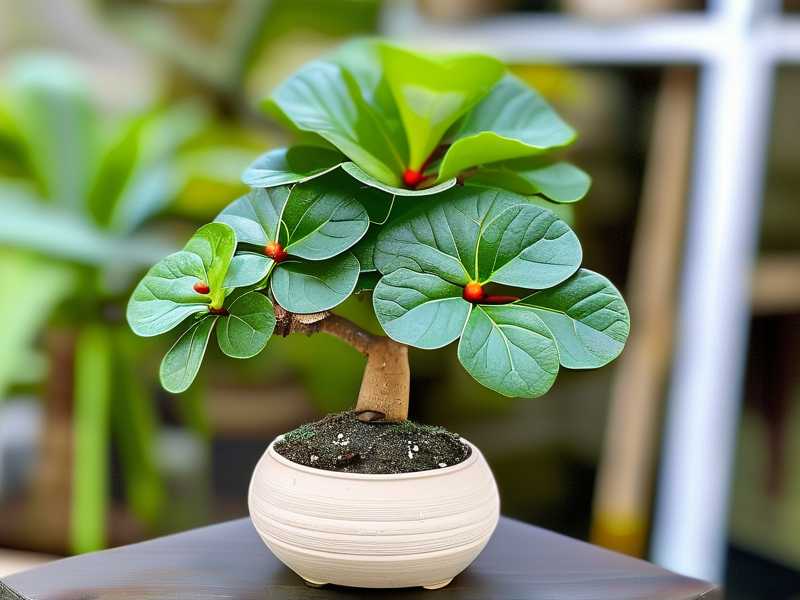
Days 8-14: Signs of Resilience By the end of the first week, I noticed the plant had stabilized. No further leaf drop occurred. The small, raised bumps at the leaf nodes (auxiliary buds) began to swell—a sure sign it was gearing up for new growth. By Day 14, several tiny, bright green leaves had begun to unfurl from the top of the stems. This was the most rewarding moment. The plant was directing its energy into regeneration. I continued my careful watering routine and ensured it had stable, warm temperatures, avoiding any drafts.
Long-Term Health Reinforcement
Recovery isn’t just about the immediate aftermath. To build a money tree that’s more resilient to all stresses, including hail, you must support its overall vitality.
Consistent Nutrition: Once I saw active new growth (around the 3-week mark), I resumed feeding with a balanced, water-soluble fertilizer diluted to half-strength. A healthy, well-fed plant has the resources to recover from setbacks. Proper Pruning: Even without hail, regular, light pruning encourages a bushier, stronger structure. A denser canopy can sometimes help buffer against light hail. Pest Vigilance: Stressed plants are pest magnets. I kept a close eye for signs of spider mites or aphids, especially on the tender new growth, and was ready to treat them promptly with insecticidal soap.
How long does it take for a money tree to recover from hail damage? You should see stabilization within 1-2 weeks, with new growth emerging from undamaged nodes. Full recovery, where the plant regains its former fullness, can take several months depending on the severity of the damage and the growing conditions. Patience is essential.
Can I use a tarp to cover my money tree during hail? Directly draping a non-breathable tarp or plastic sheet over the foliage can cause more harm than good. It can crush leaves, trap damaging humidity, and break stems. Always use a breathable fabric like row cover or a blanket, and ideally, support it with a frame to create a protective air gap over the plant.
Should I cut off all the damaged leaves right away? No. Remove only the leaves that are severely torn, shattered, or mostly detached. Leaves with minor bruising or small holes should be left on the plant. They continue to photosynthesize and provide energy for recovery. The plant will eventually shed them naturally when it’s ready.
Watching my money tree bounce back from its battered state was a powerful lesson in plant resilience and proactive care. The threat of hail damage is real, but it doesn’t have to be a disaster. By having a swift-moving plan, using the right breathable barriers, and providing calm, consistent aftercare, you can effectively shield your green companion. The true goal of protecting your money tree from hail goes beyond saving its leaves—it’s about preserving the vitality and beauty that makes it a cherished part of your home. Start today by identifying its storm-safe spot and having your materials ready; your future self (and your money tree) will thank you when the clouds darken.