admin
admin How to Clean Sticky Residue on Money Tree Leaves: A Plant Lover's Step-by-Step Guide
There's nothing more disheartening than running your fingers over the lush, glossy leaves of your beloved Money Tree (Pachira aquatica) and feeling that tell-tale, tacky residue. It’s not just unsightly; it’s a cry for help from your plant. I’ve been there, staring at the mysterious sticky film, worrying about pests and the health of my favorite green companion. If you're searching for a reliable method on how to clean sticky residue on Money Tree leaves, you've come to the right place. This isn't just a quick tip; it's a comprehensive guide born from my own frustrating, two-week journey of trial, error, and ultimate success in restoring my plant to its vibrant, sticky-free glory.
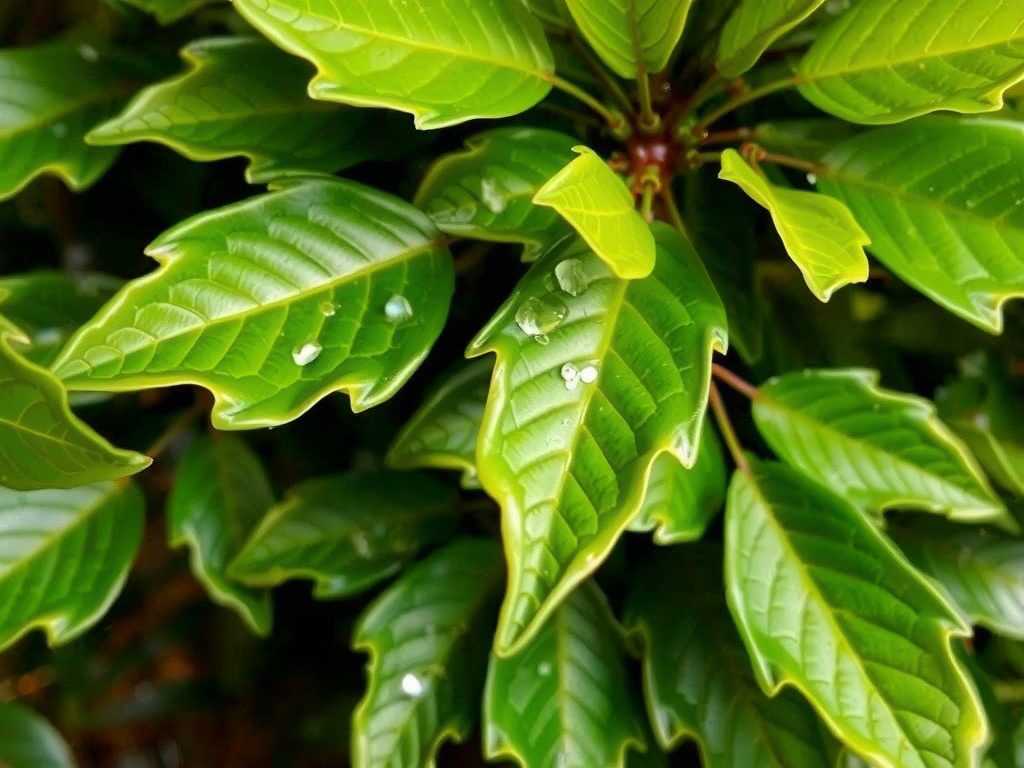
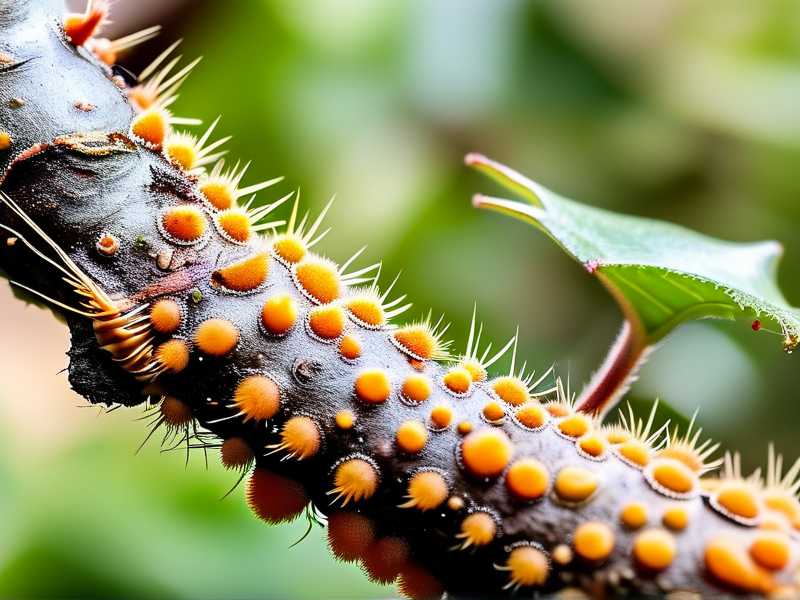
Understanding what you're dealing with is half the battle. That sticky residue, often called honeydew, is almost always a sign of sap-sucking pests. Scale insects and aphids are the usual culprits. They pierce the leaf tissue, feed on the sap, and excrete the excess sugars, creating that shiny, sticky layer. Left untreated, this substance can attract sooty mold (a black, powdery fungus) and severely weaken your plant. My first mistake was trying to clean the leaves without addressing the root cause—the pests simply came back.
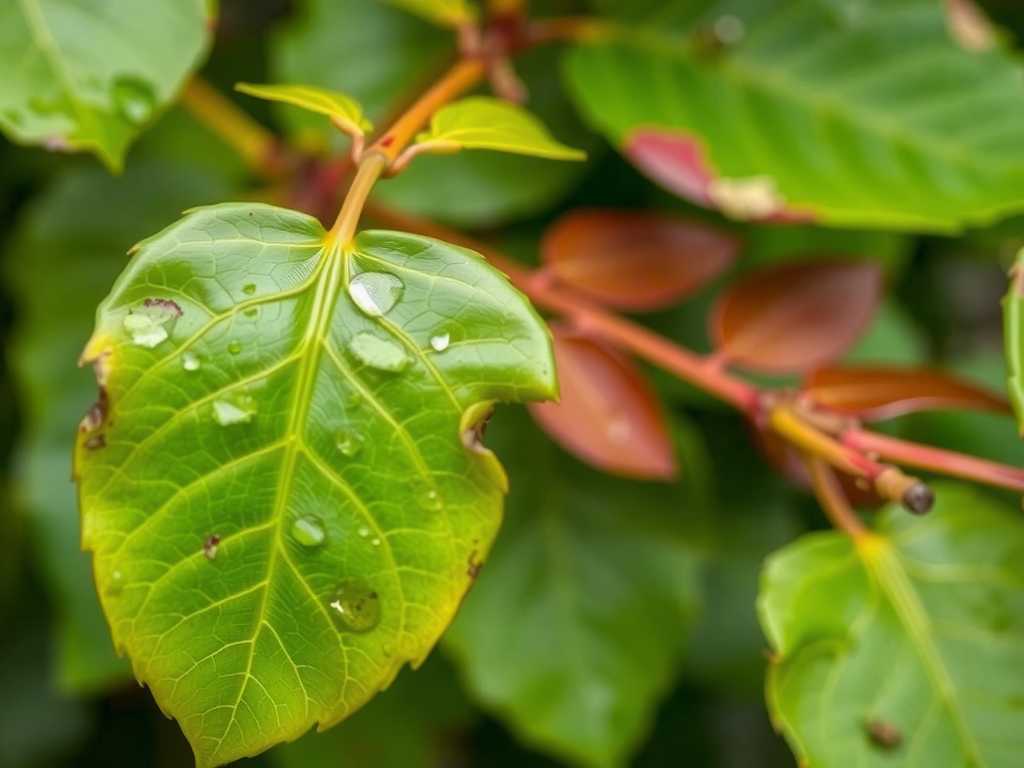
Identifying the Source of the Sticky Problem
Before you reach for any cleaning solution, you must play detective. I learned this the hard way. I initially assumed it was just dust or something spilled, so I wiped the leaves clean. The stickiness returned in just a few days. Here’s how to properly identify the issue:
- Inspect Thoroughly: Take your plant to a well-lit area. Examine the undersides of leaves, along the stems, and at the junctions where leaves meet the trunk. Look for tiny, immobile, brown or tan bumps (scale) or small, green, black, or white moving insects (aphids). Use a magnifying glass if you have one.
- Check for Sooty Mold: The sticky residue itself may be clear, but look for a secondary black, soot-like coating on the leaves. This is sooty mold, which grows on the honeydew. It blocks sunlight and hampers photosynthesis.
- Isolate the Plant: Immediately move your Money Tree away from other plants. Pests spread quickly, and isolation is the first critical step in containment, a point strongly emphasized in integrated pest management (IPM) guidelines from resources like the American Horticultural Society (AHS).
My Step-by-Step Treatment and Cleaning Protocol
This is the exact, tested process I followed over a two-week period. Patience and consistency are key.
Week 1: The Initial Eradication and Deep Clean
Day 1: Physical Removal and First Wash I gathered my supplies: a mild liquid soap (like Castile or dish soap), neem oil, a soft cloth, cotton swabs, a spray bottle, and lukewarm water.
- Manual Pest Removal: For scale insects, I dipped a cotton swab in rubbing alcohol (isopropyl 70%) and gently dabbed each bump. They wipe right off. For any visible aphids, I used a strong jet of water in my sink to dislodge them. This physical removal is crucial.
- Prepare the Cleaning Solution: I mixed 1 teaspoon of mild liquid soap and 1 teaspoon of neem oil into 1 liter of lukewarm water in my spray bottle. Neem oil is a natural insecticide and fungicide that disrupts pest life cycles.
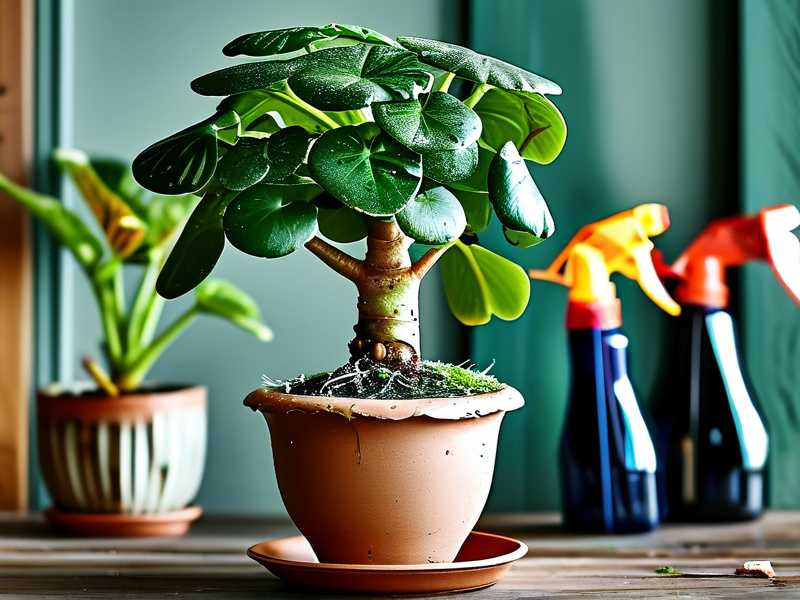
- Leaf Cleaning Method: I sprayed the solution generously onto all leaf surfaces, top and bottom, and let it sit for 5-10 minutes. This helps suffocate any remaining pests and loosen the residue. Then, using a super soft microfiber cloth, I gently wiped each leaf, supporting it from underneath with my hand to prevent tearing. I rinsed the cloth frequently in clean water. For stubborn spots, I applied a little more solution directly to the cloth.
- Final Rinse: To prevent soap film, I lightly misted the leaves with plain water or gently wiped them with a water-dampened cloth.
Day 2-3: Observation I kept the plant isolated and simply observed. No new residue appeared yet.
Day 4: Follow-Up Treatment Knowing pest eggs can hatch later, I performed a second, lighter treatment. I mixed a fresh batch of my soap and neem oil solution and sprayed the entire plant, ensuring it dripped into the soil (lightly). This acts as a soil drench for any pests hiding there. I did not wipe the leaves this time, allowing the protective neem oil film to remain.
Week 2: Monitoring and Ensuring Long-Term Health
Day 7: The One-Week Check This was a critical checkpoint. I inspected every leaf. To my relief, there was no new sticky honeydew. The existing residue was gone, and the leaves had a healthy sheen without being tacky. However, I noticed a few yellowing leaves—a result of the prior stress from the infestation. I carefully pruned these off to help the plant focus its energy on new growth.
Day 10-14: Establishing a New Normal I continued to inspect every other day. No pests returned. The process for removing sap from Money Tree foliage had been successful because I addressed the infestation, not just the symptom. I resumed my normal watering schedule (only when the top 2-3 inches of soil were dry) and placed the plant back in its bright, indirect light spot.
The Pitfalls I Encountered and How I Solved Them
My journey wasn't perfectly smooth. Here’s where I stumbled so you don't have to:
- Pitfall 1: Using Harsh Chemicals. Initially, I tried a commercial insecticidal spray. It left white streaks on the leaves and seemed to stress the plant. Solution: I switched to the gentle soap and neem oil mix, which is recommended by organic gardening authorities for its effectiveness and safety for plants when diluted properly.
- Pitfall 2: Over-cleaning. In my zeal, I cleaned the leaves too aggressively, almost daily. This can clog the leaf pores (stomata). Solution: I limited deep cleaning to the initial treatment and follow-up. For routine care, I now simply dust the leaves with a dry microfiber cloth every few weeks.
- Pitfall 3: Ignoring the Soil. I forgot that pests can lurk in the top layer of soil. Solution: The neem oil soil drench during the second treatment solved this. Some experts also recommend a light covering of horticultural sand or cinnamon powder on the soil surface to deter pests.
- Pitfall 4: Impatience. I expected instant, permanent results. Solution: I learned that pest management is a process. The Royal Horticultural Society (RHS) advises that multiple treatments over several weeks are often necessary to break the pest life cycle, which proved true in my case.
Preventative Care to Keep Your Money Tree Residue-Free
Cleaning is reactive; prevention is proactive. Here’s what I changed in my care routine:
- Regular Inspections: I make it a habit to closely inspect my Money Tree during weekly watering.
- Optimal Environment: I ensure it has plenty of bright, indirect light and good air circulation. Stagnant air invites pests.
- Proper Watering: I never let the plant sit in water, as overwatering stresses it, making it more susceptible to infestations.
- Proactive Wipes: Every month, I give the leaves a gentle wipe with just water or a dilute neem oil solution (1 tsp per liter of water) as a deterrent. This is the best method for cleaning glossy Money Tree leaves to maintain their natural shine and health.
What causes the sticky leaves on my Money Tree in the first place? The stickiness is almost always honeydew, a sugary waste product excreted by sap-sucking pests like scale insects, aphids, mealybugs, or spider mites. It's a direct sign of an infestation that needs immediate attention.
Can I use vinegar or lemon juice to clean the leaves? I do not recommend it. While acidic solutions like vinegar or lemon juice can break down residue, they are too harsh for delicate plant leaves and can damage the protective cuticle, leading to burns or discoloration. A mild soap solution is far safer and equally effective for tackling honeydew on Pachira aquatica plants.
My Money Tree leaves are sticky but I see no bugs. What's happening? Pests can be incredibly tiny or cleverly hidden. Look for very small, immobile bumps (scale) that look like part of the plant. Spider mites are nearly microscopic; you might see fine webbing instead. Sometimes, the pests have already come and gone, leaving the residue behind. A thorough cleaning and a preventative neem oil treatment should resolve it.
Discovering sticky residue on your Money Tree can be alarming, but it’s a solvable problem. The key is a two-pronged approach: eradicate the underlying pests and then gently restore the leaves to their natural state. My two-week experience taught me that diligence and gentle, consistent care trump quick fixes every time. By following these steps—identification, treatment, careful cleaning, and preventative maintenance—you can not only solve the sticky issue but also foster a healthier, more resilient plant. Your Money Tree will thank you with a return to its lush, glossy, and perfectly clean foliage.