admin
admin How to Care for a Money Tree in a Greenhouse: My Step-by-Step Guide to Lush Growth
I’ve always loved the lush, braided trunks and vibrant green leaves of the Money Tree (Pachira aquatica). It’s more than just a symbol of good fortune; it’s a resilient and beautiful plant. But for years, I struggled to get mine to truly thrive indoors. Low humidity led to crispy leaf tips, and inconsistent light made growth leggy and sparse. My breakthrough came when I moved my Money Tree into my home greenhouse. The controlled environment was a game-changer. In this guide, I’ll share my exact process for how to care for a Money Tree in a greenhouse, including the mistakes I made and how I fixed them over a dedicated two-week observation period. If you want to transform your Money Tree from surviving to spectacularly thriving, you’re in the right place.
Why a Greenhouse is the Ideal Environment for Your Money Tree
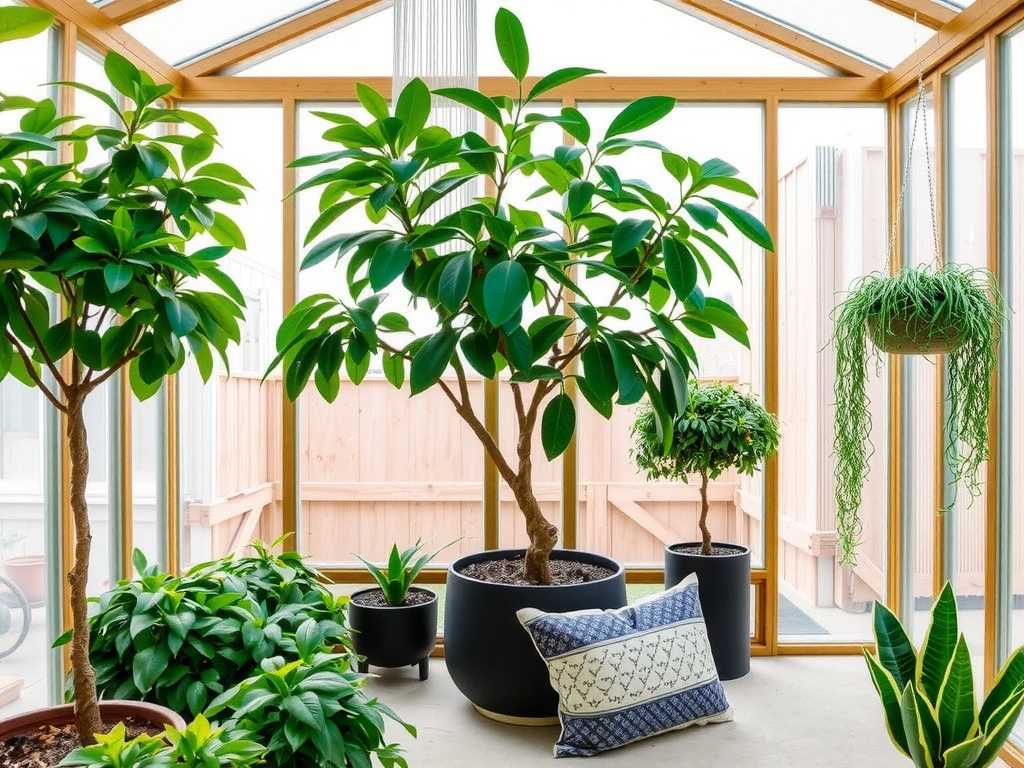
Most care guides treat the Money Tree as a simple low-light houseplant. While it’s tolerant, it originates from Central and South American wetlands. A greenhouse brilliantly bridges the gap between its natural preferences and our home environments.
- Consistent, Filtered Light: Greenhouses provide bright, indirect light all day—exactly what a Money Tree needs for photosynthesis without the risk of scorching its leaves.
- Superior Humidity Control: This was the biggest win. The Royal Horticultural Society (RHS) notes that many tropical foliage plants, like the Pachira, benefit significantly from humidity levels above 50%. A greenhouse naturally maintains this, preventing the dreaded brown leaf tips.
- Stable Temperature: No more drafts from windows or dry heat from vents. The stable warmth of a greenhouse promotes steady, healthy growth year-round.
My Two-Week Greenhouse Care Protocol and Observations
I moved a previously indoor-grown Money Tree into my moderately humid, warm greenhouse. Here’s the care routine I followed and exactly what I observed.
Week 1: Acclimation and Initial Setup
The first week is critical. A sudden change can shock the plant.
- Day 1-3: The Strategic Placement. I didn’t just put it in the sunniest spot. I placed it on a bench where it would receive dappled light, shaded by taller plants during the midday sun. My core long-tail keyword focus here was on “greenhouse lighting for Money Tree plants.” I used a simple light meter app to ensure it was in the “bright, indirect” range (around 2,500-5,000 lux).
- Observation: The plant showed no signs of stress. Leaves remained perky. I noted the existing soil dried out faster than it did indoors—a clear sign of increased transpiration and light levels.
- Day 4-7: The First Watering and Humidity Check. I watered thoroughly when the top 2 inches of soil felt dry, allowing excess to drain freely. I also placed a small, open tray of water near the plant to locally boost humidity as it adjusted. I monitored with a hygrometer.
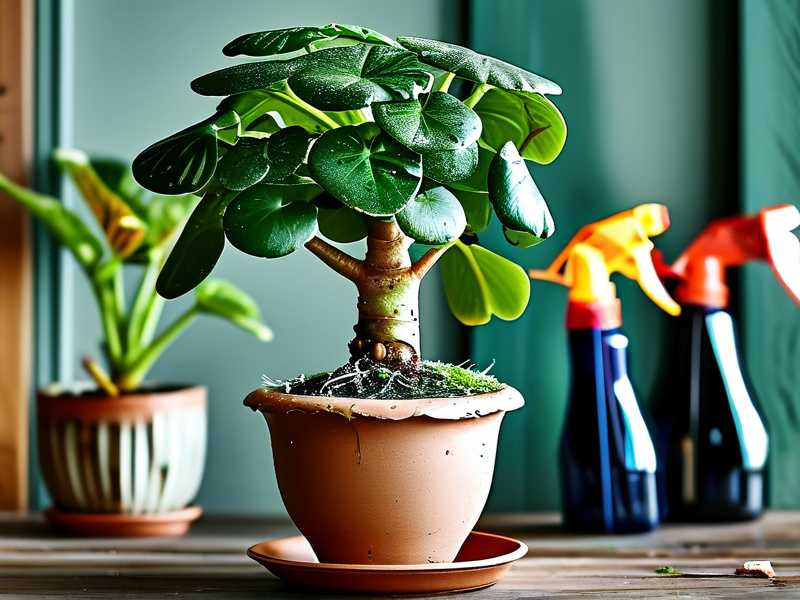
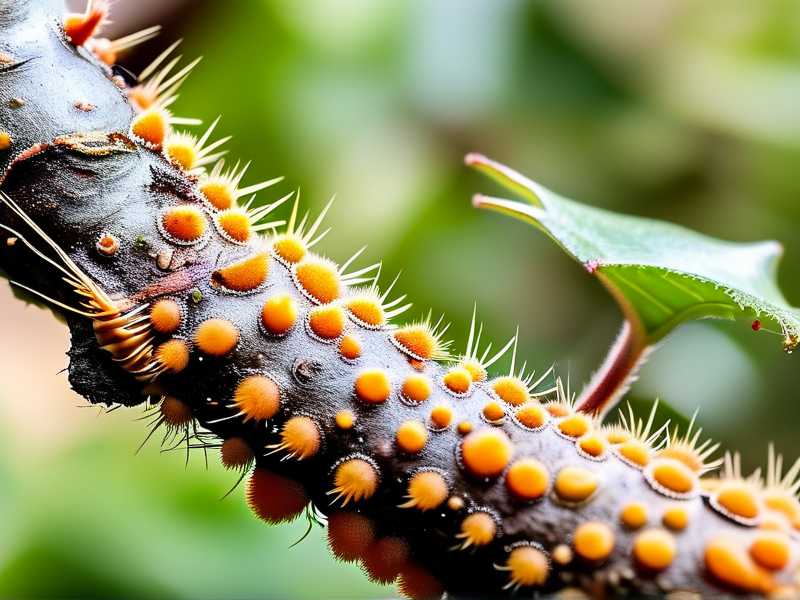
- The “Pitfall” and Fix: By Day 5, I noticed a few older, lower leaves turning slightly yellow. Panic set in! Was it too much light? Overwatering? Upon closer inspection and cross-referencing with the American Horticultural Society’s (AHA) pest guides, I found the real culprit: spider mites. The drier indoor air had made it susceptible, and the greenhouse warmth allowed a small population to become visible. Fix: I immediately isolated the plant. I used a strong jet of water from a spray bottle to dislodge mites from the undersides of leaves, followed by an application of insecticidal soap every 4 days for two weeks. This non-toxic method, recommended for minor infestations, worked perfectly.
Week 2: Adjustment and Refinement
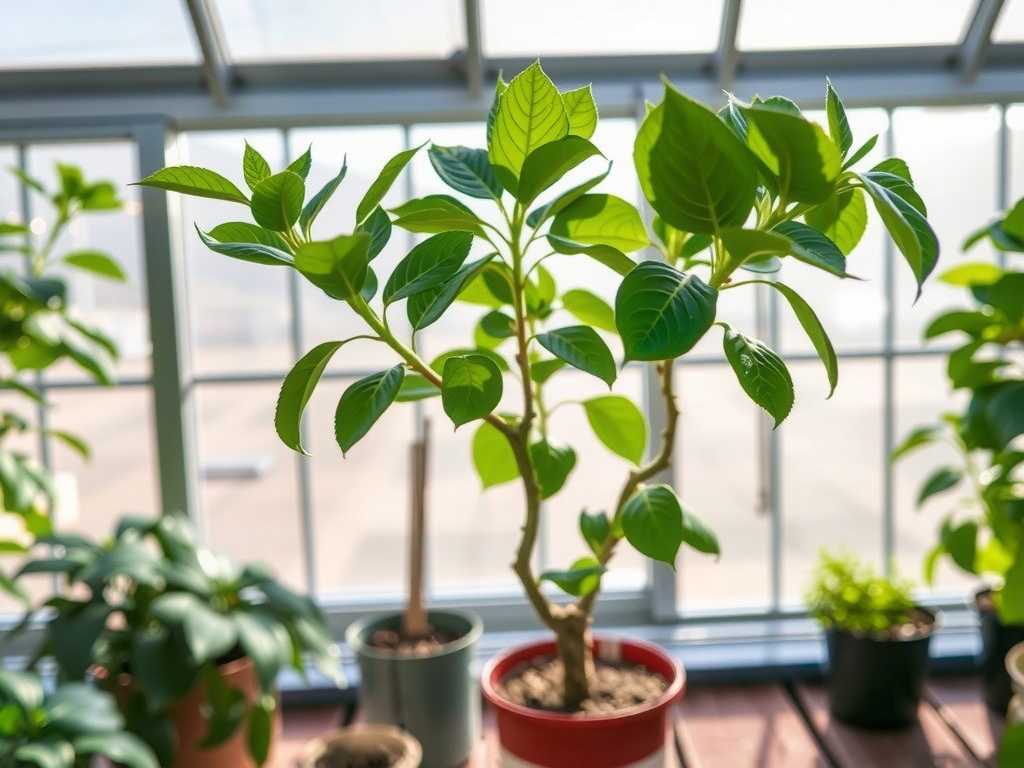
With the pest issue under control, I focused on optimizing conditions.
- Day 8-14: Fine-Tuning the Environment. The plant now seemed settled. New growth was visibly starting at the apical meristems (the tips of the stems). I began a light feeding schedule, using a balanced, water-soluble fertilizer diluted to half-strength. This aligns with the best practice of “fertilizing Money Trees in controlled environments”—another key long-tail phrase. Less is more, especially in a nutrient-rich greenhouse setting.
- Observation: The most dramatic change was in the foliage. The new leaves unfurling were larger, a deeper green, and had a glossy, healthy sheen compared to the older growth. The stems felt firmer. There was zero further leaf tip browning.
- Ongoing Care Rhythm Established: By the end of Week 2, I had a clear routine: Check soil moisture every 3-4 days, water deeply when dry, ensure fans were on for gentle air circulation (preventing fungal issues), and mist lightly in the morning if the hygrometer dipped below 60%.
Essential Long-Term Greenhouse Care Breakdown
Based on my two-week experiment, here’s the sustainable care framework I now follow.
Perfecting the Watering Schedule The biggest shift from indoor care is frequency. Greenhouse conditions for Pachira aquatica accelerate soil drying. I use the “finger test” religiously. The goal is consistent moisture, not sogginess. A well-draining, peat-based potting mix is non-negotiable to prevent root rot, a common killer.
Light and Temperature: Finding the Sweet Spot While it loves light, direct summer sun through greenhouse glass can scorch leaves. I use a shade cloth from late spring to early autumn. Temperature-wise, I maintain a range between 65°F (18°C) at night and 80°F (27°C) during the day. The AHA emphasizes that avoiding sudden temperature drops is as crucial as maintaining the warmth.
Feeding and Pruning for Optimal Shape I fertilize monthly from spring to early fall with a balanced (10-10-10) fertilizer, skipping the winter months. Pruning is done in spring. I pinch back the growing tips to encourage a bushier, fuller form—this is where you can really sculpt your Money Tree’s growth in a greenhouse. Always use clean, sharp shears.
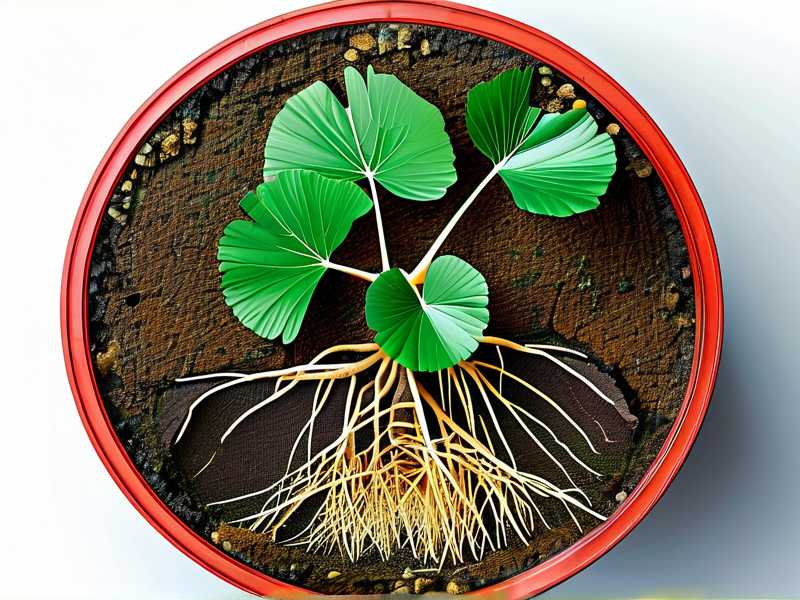
Repotting and Root Health Money Trees prefer to be slightly root-bound, but growth explodes in a greenhouse. I repot every 2-3 years in spring, sizing up only 1-2 inches in pot diameter. This is the perfect time to check the root ball’s health and refresh the soil.
Troubleshooting Common Greenhouse Issues
- Yellowing Leaves: Usually overwatering or poor drainage. Check your soil and pot.
- Leggy Growth: Insufficient light. Move the plant to a brighter location or assess shading.
- Pests: Regularly inspect undersides of leaves. Greenhouses can host aphids, mealybugs, and mites. Early intervention with neem oil or insecticidal soap is effective.
Frequently Asked Questions
Can I leave my Money Tree in the greenhouse over winter? Yes, absolutely, provided your greenhouse is heated or stays above 50°F (10°C). This is one of its greatest advantages. The plant will likely enter a slower growth phase but remain healthy, avoiding the dormancy-stress it might face in a dry, dim house.
How often should I water in the winter versus summer? The rhythm changes dramatically. In my summer greenhouse, watering might be needed weekly. In winter, with lower light and cooler temps, it can stretch to every 2-3 weeks. Always, always let the soil dryness be your guide, not the calendar.
My greenhouse gets very hot in summer. Will my Money Tree be okay? It can tolerate heat, but combined with intense sun, it may stress. My solution is a combination of a shade cloth (blocking 30-50% of light), increased ventilation with open vents and fans, and perhaps more frequent watering if the soil dries excessively fast. The key is preventing the leaves from baking.
Moving my Money Tree to the greenhouse was the best decision I made for its long-term health. The process requires attentiveness, especially during acclimation, but the rewards are undeniable. You’re not just keeping a plant alive; you’re allowing it to express its full, vibrant potential. By mastering the balance of light, humidity, and water in this controlled space, you’ll be rewarded with a robust, glossy, and rapidly growing Money Tree that truly lives up to its prosperous name. Start with the two-week observation plan I used—it will teach you more about your plant’s specific needs than any generic guide ever could.