admin
admin How to Choose Companion Plants for a Money Tree: A Gardener's Real-World Guide
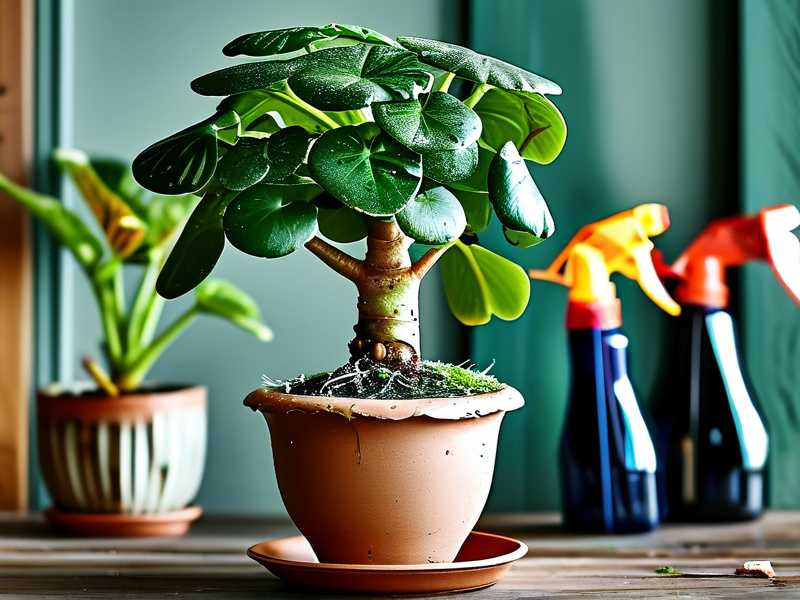
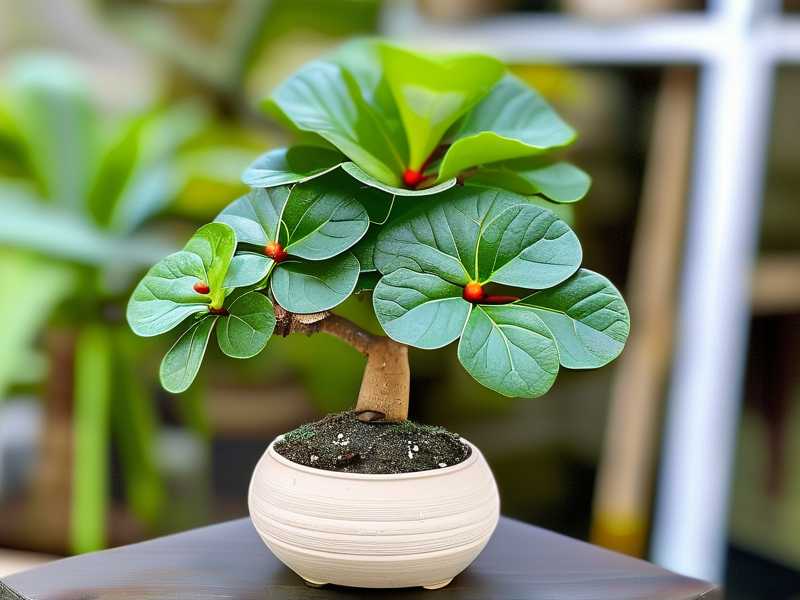
I've always loved the lush, braided trunks and glossy green leaves of the Money Tree (Pachira aquatica). It’s more than just a symbol of good fortune in my home; it’s a centerpiece of my indoor jungle. But for the longest time, my Money Tree sat in its pot looking a little… lonely. I wanted to create a richer, more vibrant mini-ecosystem, a thriving potted community that would benefit all the plants involved. That’s when I dove headfirst into the world of companion planting for houseplants. If you’re here, you’ve probably felt that same urge but are overwhelmed by questions: Which plants won’t compete with my Money Tree? What if they introduce pests or need completely different care? I had those exact fears. After extensive research, trial, and a fair share of error, I’ve developed a practical, step-by-step system for choosing companion plants for a Money Tree that actually works.
My goal was simple: find 2-3 perfect plant partners to cohabitate with my Money Tree. I committed to a two-week observation period to document the real effects. What followed was a journey of discovery that transformed not just my plant’s pot, but my entire approach to indoor gardening.
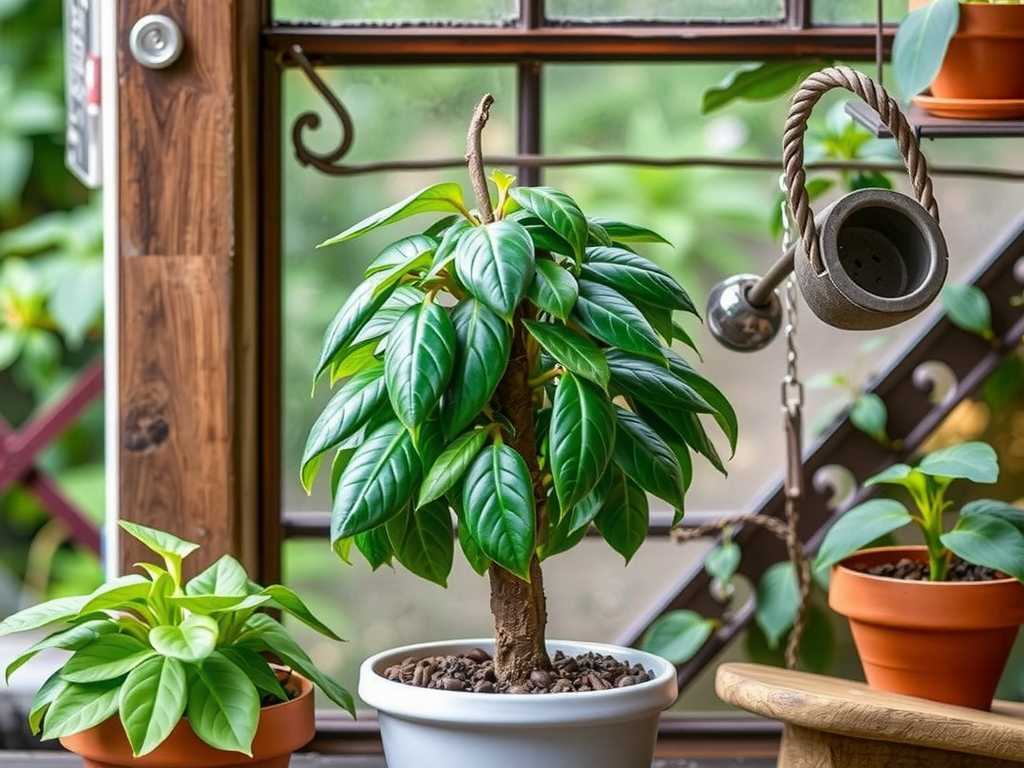
Understanding Your Money Tree’s Non-Negotiables
Before you introduce any roommates, you must understand the core needs of your permanent resident. The Royal Horticultural Society (RHS) emphasizes that successful companion planting starts with compatibility in fundamental requirements.
Light: My Money Tree thrives in bright, indirect light. Direct afternoon sun can scorch its leaves. Any companion must share this preference for medium to bright filtered light.
Water: This is crucial. Money Trees are susceptible to root rot. I let the top 2-3 inches of soil dry out completely between waterings. A companion that needs constantly moist soil is a recipe for disaster.
Soil & Humidity: A well-draining, peat-based potting mix is ideal. They enjoy moderate humidity (around 50%) but are fairly adaptable. Companions with similar humidity needs will create a mutually supportive microclimate.
The Golden Rules for Selecting Money Tree Companions
Through my experiment, I crystallized three golden rules that will steer you away from common pitfalls.
Rule 1: Match the Moisture Profile. This is the most important rule. Seek out plants that prefer to dry out slightly between waterings. Drought-tolerant companions are your safest bet.
Rule 2: Complement, Don’t Compete. Consider growth habits. Look for plants that fill different vertical or horizontal spaces—like a trailing plant at the base or an upright, smaller plant that doesn’t shade the Money Tree’s lower leaves.
Rule 3: Prioritize Pest-Resistant Partners. Avoid plants notoriously prone to pests like spider mites or mealybugs, as an infestation can quickly spread. Opt for naturally hardy varieties.
My 2-Week Companion Planting Experiment: Results & Lessons
I selected three companions based on my research: a Snake Plant (Sansevieria trifasciata), a Pothos (Epipremnum aureum), and a Peperomia (Peperomia obtusifolia). I repotted my healthy Money Tree into a larger, wide-mouthed ceramic pot with excellent drainage.
Week 1: The Adjustment Phase The first few days were about observation. I placed the new arrangement in its usual bright, indirect light spot.
- The Success: The Snake Plant was an immediate star. Its vertical, architectural growth contrasted beautifully with the Money Tree’s canopy and its water needs were perfectly aligned. The Peperomia, with its succulent-like leaves, also showed no signs of stress.
- The Problem (The First “Pit”): The Pothos, while visually lovely trailing over the pot’s edge, showed slight wilting. I realized the soil moisture level I maintained for the Money Tree and Snake Plant was too dry for the Pothos, which prefers consistently slightly moist soil.
- The Solution: I made a critical adjustment. Instead of watering the entire pot uniformly, I used a small watering can to give the Pothos a targeted drink at its base, avoiding the root zones of the other plants. This “spot-watering” technique became a weekly task.
Week 2: Observing Synergy By the second week, the community had stabilized.
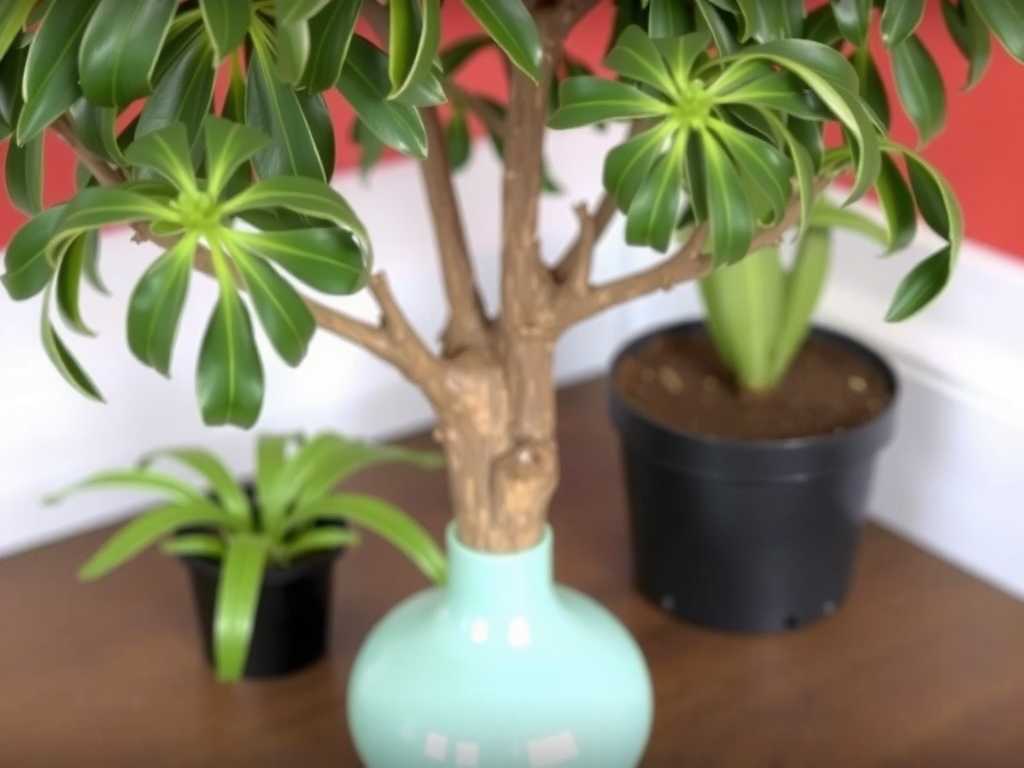
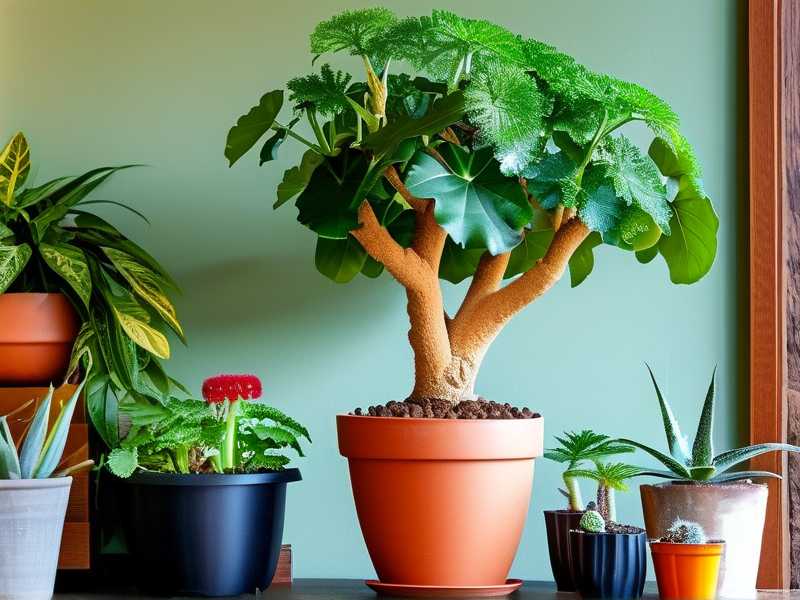
- Positive Signs: I noticed the humidity around the plant grouping was slightly higher than in the rest of the room, thanks to the collective transpiration. All plants, including the Money Tree, showed a noticeable perkiness in their leaves. The American Horticultural Society (AHS) notes that grouping plants can create beneficial microclimates, and I was seeing it firsthand.
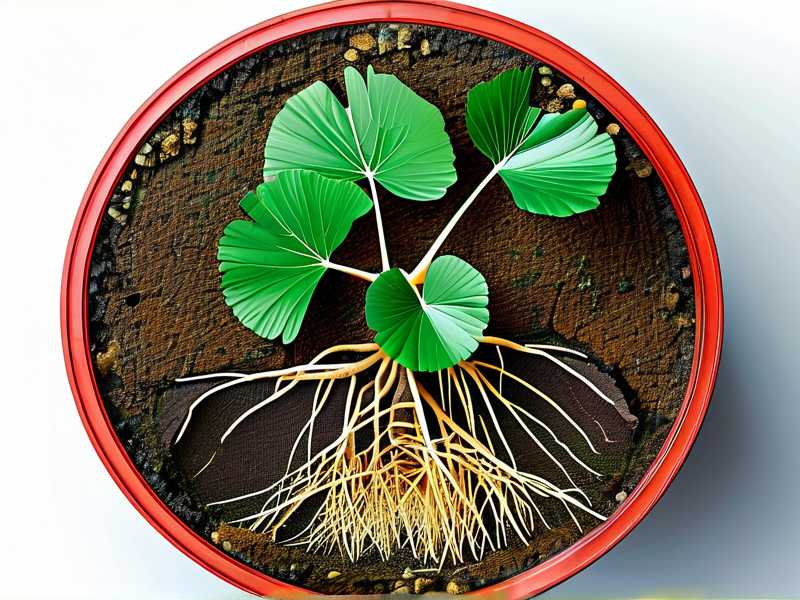
- Root Check: Gently probing the soil surface revealed no overcrowding. The shallow roots of the Peperomia and the trailing roots of the Pothos occupied different spaces than the Money Tree’s more centralized root ball.
Key Takeaway from the Experiment: Not every plant that seems compatible on paper will work with your specific watering routine. Be prepared to adapt your care techniques, like targeted watering, to meet individual needs within the community.
Top Recommended Companion Plants for Money Trees
Based on my experience and expert consensus from sources like the RHS, here are the best categories and specific plants to grow with a Money Tree.
1. The Drought-Tolerant Allies (The Safest Bet) These plants are virtually foolproof partners.
- Snake Plant: My top recommendation. It shares the same “neglect-is-best” watering philosophy and adds stunning vertical structure.
- ZZ Plant (Zamioculcas zamiifolia): Another ultra-resilient choice with similar water and light needs. Its glossy leaves complement the Money Tree’s foliage.
- Succulents (e.g., Haworthia, Echeveria): Plant them in small clusters near the pot’s edge. They ensure you won’t overwater the main event.
2. The Foliage Friends (Visual Harmony) These plants share similar light needs and offer textural contrast.
- Peperomia: With many varieties like the Watermelon or Baby Rubber Plant, they add compact, bushy fullness at the base without high water demands.
- Chinese Evergreen (Aglaonema): A hardy, low-light tolerant option that brings beautiful variegated leaves to the understory.
3. The Trailing Accents (With Care) These require the “spot-watering” technique I adopted.
- Pothos or Philodendron Heartleaf: Their cascading vines soften the pot’s edges. Remember, they may need a bit more frequent moisture at their specific root zone.
- Spider Plant (Chlorophytum comosum): A classic, air-purifying choice that enjoys similar conditions and can trail or produce charming plantlets.
Plants to Avoid Pairing with Your Money Tree
Just as important as knowing what to choose is knowing what to avoid. Steer clear of:
- Heavy Drinkers: Plants like Ferns, Peace Lilies, or Calatheas. Their need for constant moisture will waterlog the soil and risk root rot for your Money Tree.
- High-Light Demanders: Cacti or full-sun succulents that need several hours of direct light will struggle in the Money Tree’s preferred indirect light setting.
- Invasive Root Systems: Avoid fast-growing, spreading plants that might aggressively compete for root space in a confined pot.
Step-by-Step: How to Create Your Money Tree Plant Community
- Assess Your Money Tree: Ensure it is healthy, pest-free, and not root-bound before beginning.
- Select 2-3 Companions: From the recommended lists above, choose based on the visual and care profile you want.
- Choose the Right Pot: Select a container 2-4 inches wider than your Money Tree’s root ball, with ample drainage holes.
- Potting Day: Use a fresh, well-draining potting mix. Position your Money Tree slightly off-center. Arrange your companion plants around it, considering their mature size. Fill with soil and firm gently.
- The Critical First Water: Water thoroughly until it drains from the bottom, then allow the pot to drain completely.
- Implement the Observation Period: Place the arrangement in appropriate light. For two weeks, monitor closely. Check soil moisture for each plant type individually. Adjust your watering technique as needed—this is where the learning happens.
What is the best soil mix for a Money Tree with companions? A standard, high-quality well-draining potting mix is perfect. You can add a handful of perlite or orchid bark to increase aeration and drainage, which benefits all the drought-tolerant plants involved.
Can I use fertilizer in a mixed Money Tree pot? Yes, but with caution. Use a balanced, water-soluble fertilizer diluted to half-strength during the growing season (spring/summer). Apply it when you water, ensuring it reaches all the plants’ roots. Avoid over-fertilizing, as it can harm the sensitive Money Tree.
My companion plant is growing faster than my Money Tree. What should I do? This is common with vigorous growers like Pothos. Simply prune the faster-growing companion back to maintain balance and aesthetic. You can propagate the cuttings to create new plants! This management is part of maintaining your indoor plant arrangement.
Creating a thriving potted community with your Money Tree is an incredibly rewarding project. It elevates your plant from a solitary specimen to a living, interactive piece of decor. By focusing on compatible care needs—especially water—and being a diligent observer during the initial setup phase, you can avoid the common pitfalls. My two-week experiment taught me that flexibility in care, like targeted watering, is the secret to harmony. Start with one easy companion, like a Snake Plant, observe, and enjoy the process of watching your own miniature ecosystem flourish.